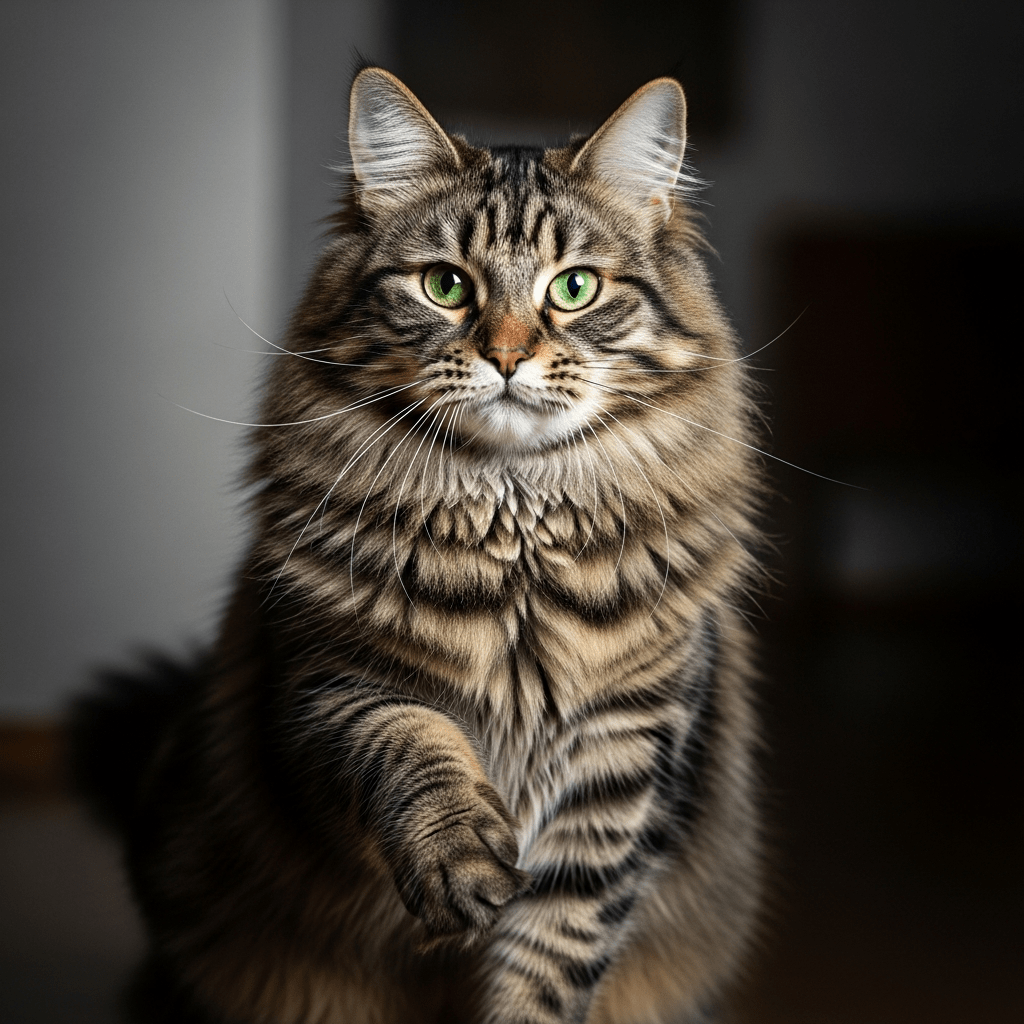
Siberian
The Siberian is a robust, semi-longhaired domestic cat breed from Russia, celebrated for its thick triple coat, muscular build, and affectionate, agile temperament.
The Siberian is a robust, semi-longhaired domestic cat breed from Russia, celebrated for its thick triple coat, muscular build, and affectionate, agile temperament.
Originating in the forests of Russia, the Siberian cat has a storied presence in regional folklore and literature spanning centuries. The breed’s formal development began in the late 1980s, when Russian cat clubs established the first official standards. Key breeders such as Ludmila Esina and Olga Mironova played pivotal roles in introducing the Siberian to Western registries in the 1990s. As a natural breed, the Siberian developed organically in its homeland, adapting to harsh climates without planned crossbreeding.
The Siberian belongs to the species Felis catus and is classified as a natural, semi-longhaired breed within the domestic cat taxonomy. Closely related to other forest cat types—like the Norwegian Forest Cat and Maine Coon—the Siberian stands out for its unique Russian lineage and adaptation to cold environments. It is recognized by all major cat registries, fitting squarely into the category of pedigreed companion cats.
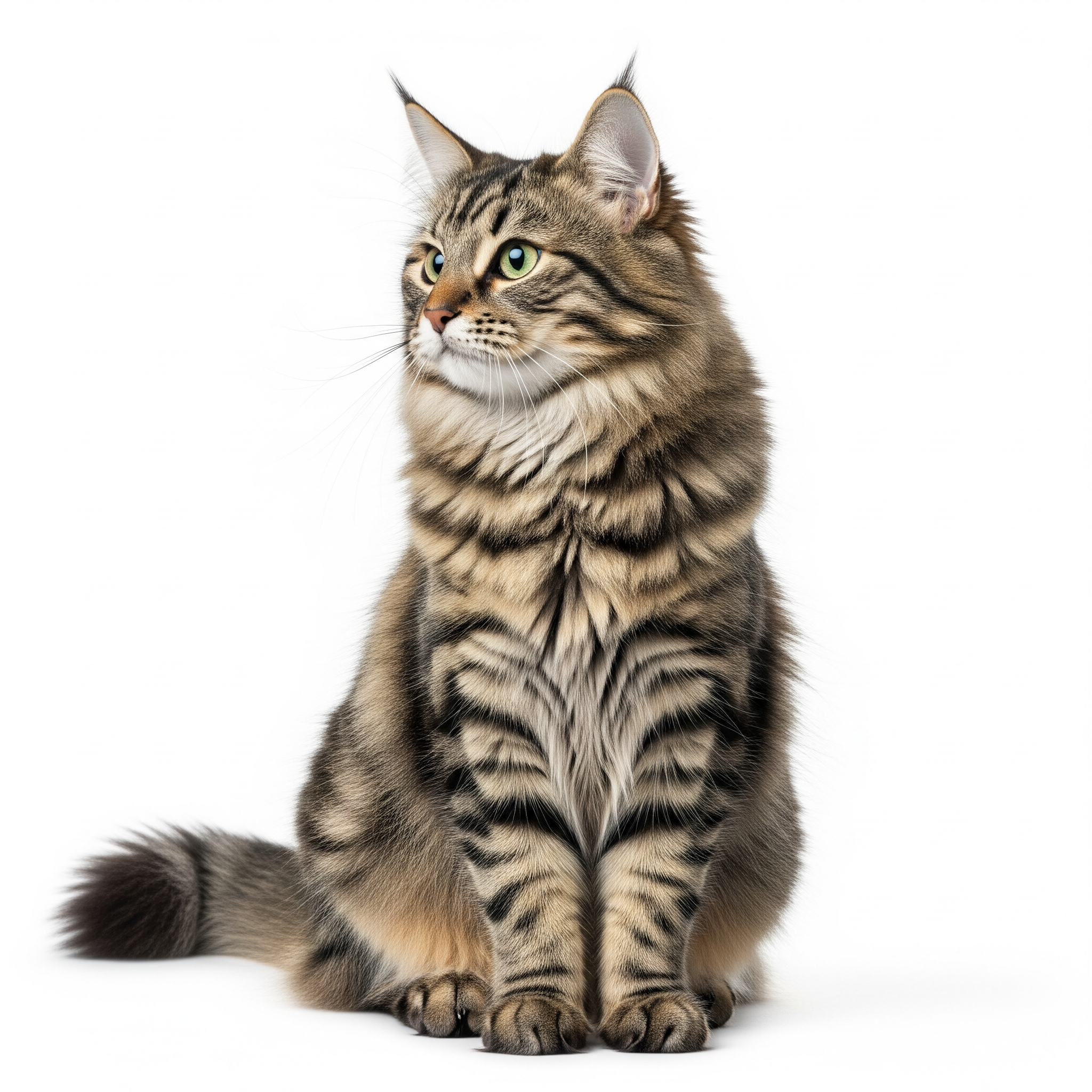
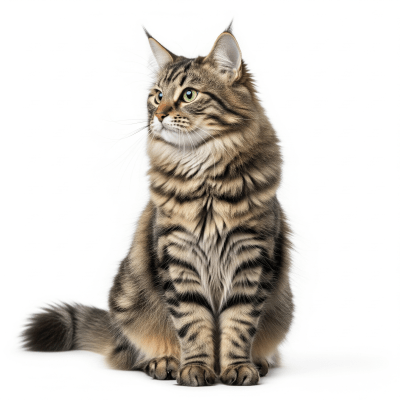
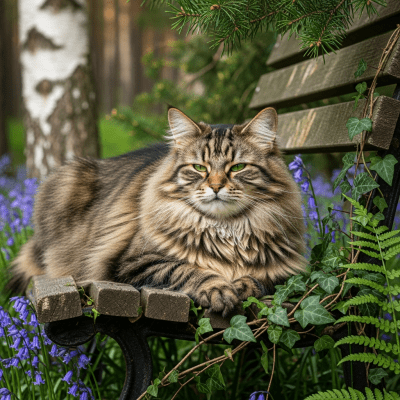
Siberians are medium to large cats with a muscular, sturdy frame, rounded contours, and a broad chest. Their most distinctive feature is a dense, water-resistant triple coat, composed of a soft undercoat, a thicker middle layer, and long guard hairs, giving them a plush, luxurious feel. They have large, expressive eyes—typically green, gold, or copper—tufted ears, and a bushy tail. Seasonal shedding brings dramatic changes in coat volume, and their overall appearance exudes both strength and elegance.
Highly agile and intelligent, Siberians are known for their playful nature and strong jumping ability. They form close bonds with families and adapt well to homes with children or other pets. Their affectionate disposition makes them excellent companions, while their resilience to cold and thick coat suit them for colder climates. Siberians are popular in cat shows and breed competitions, especially in longhair and natural breed categories, and are valued for their reputed hypoallergenic qualities.
Bring this kind into your world illustrated posters, mugs, and shirts.
Archival print, museum-grade paper
Buy Poster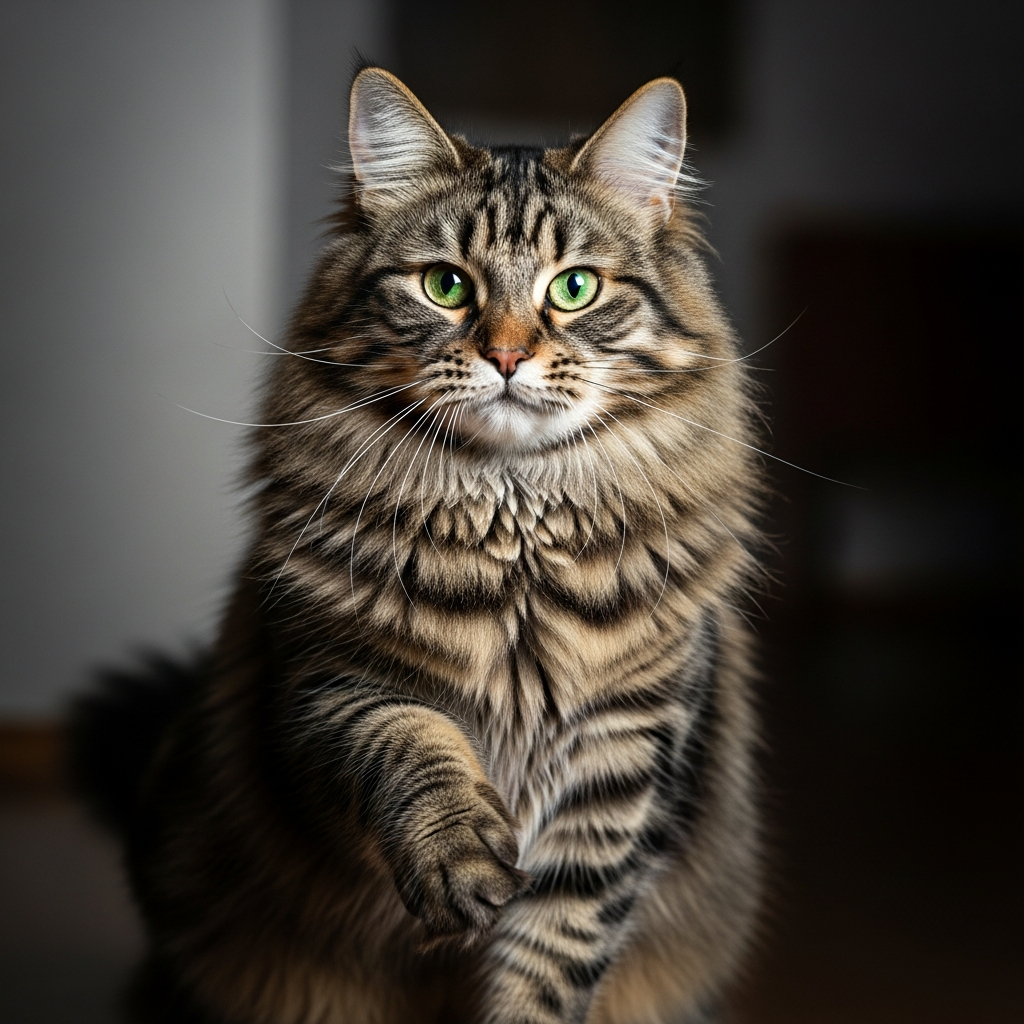
Stoneware mug, dishwasher safe
Buy Mug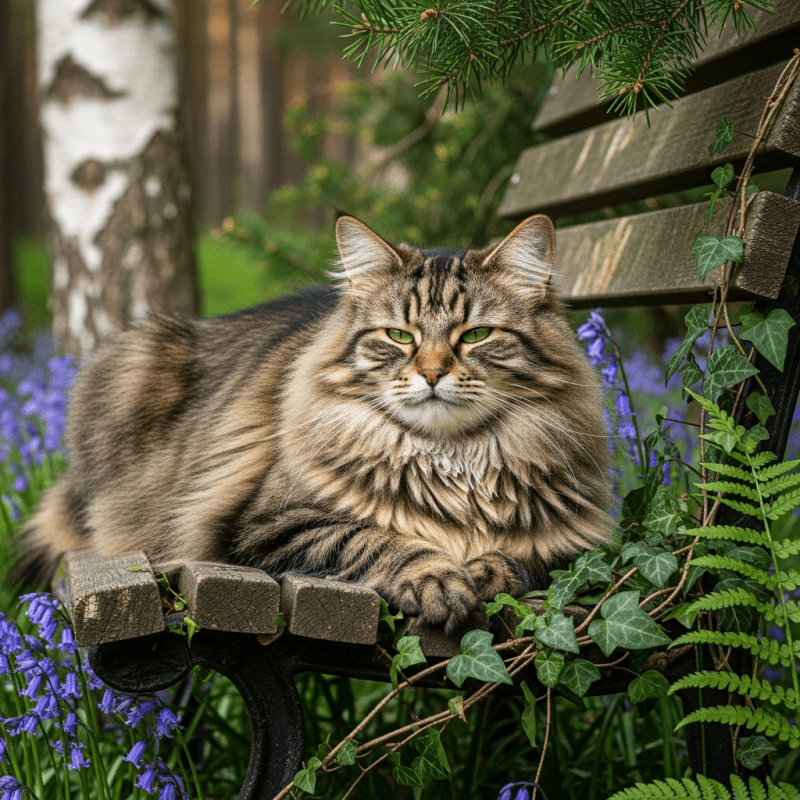
Soft cotton tee, unisex sizes
Buy ShirtThe Siberian cat is woven into Russian folklore, literature, and art, often symbolizing resilience and warmth. Its enduring presence in Russian households and stories has made it a cultural icon. Since its introduction to the West, the breed has gained international acclaim, appearing in cat shows and breed literature worldwide. The Neva Masquerade variant, with its striking colorpoint pattern, is especially celebrated in European exhibitions.
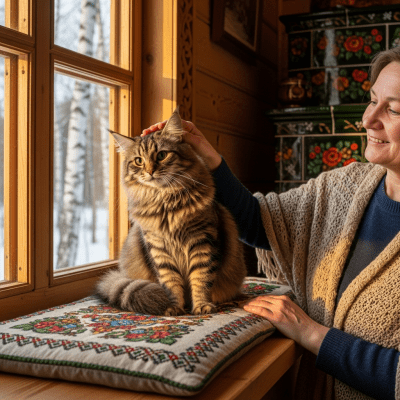


Siberians are affectionate, playful, and highly intelligent. They thrive on interaction, enjoy games and puzzles, and are known for their gentle nature with children and other pets. Their adaptability to new environments and resilience to cold make them ideal companions for a variety of households. Siberians are also noted for their curiosity and strong social bonds with their families.
Siberians are generally healthy cats, with an average lifespan of 12–15 years. They may have a predisposition to hypertrophic cardiomyopathy (HCM) and polycystic kidney disease (PKD), but breed-specific genetic disorders are rare. Routine veterinary care and responsible breeding practices help ensure their long-term well-being.
Regular grooming is essential for Siberians due to their thick triple coat, especially during seasonal shedding periods. Weekly brushing helps prevent matting and reduces loose hair. Siberians are generally easy to care for beyond coat maintenance, requiring standard attention to diet, exercise, and health checks.
Siberians display a wide range of coat colors and patterns, with all varieties accepted by most registries. Common colors include brown, black, red, blue, and cream, often in tabby, solid, tortoiseshell, and colorpoint patterns. The Neva Masquerade subtype is distinguished by its colorpoint pattern and striking blue eyes.
While individual Siberians may not be widely known by name, the breed itself has been featured in Russian literature and folklore for centuries. The Neva Masquerade variant is a favorite in European cat shows, often winning top honors for its unique appearance. Siberians have also appeared in breed documentaries and are beloved mascots in Russian cultural events.
The Neva Masquerade is the most notable regional variant, recognized as a separate breed by FIFe but considered a color variant by CFA and TICA. Regional naming conventions may differ, with "Сибирская кошка" (Sibirskaya koshka) used in Russia. Breed standards and recognition can vary slightly between registries, especially regarding colorpoint patterns.