
Selkirk Rex
The Selkirk Rex is a distinctive domestic cat breed celebrated for its plush, curly coat and gentle, affectionate temperament.
The Selkirk Rex is a distinctive domestic cat breed celebrated for its plush, curly coat and gentle, affectionate temperament.
The Selkirk Rex originated in Montana, USA, in 1987 when a curly-coated kitten named Miss DePesto was discovered in a shelter and bred by Jeri Newman. This foundation cat was crossed with a Persian male, establishing the breed’s lineage. Unlike other rex breeds, the Selkirk Rex’s signature curls result from a naturally occurring dominant gene mutation, and the breed is not a hybrid with wild species.
Classified within the domestic cat species Felis catus, the Selkirk Rex belongs to the family of rex-type breeds, which are characterized by unique coat mutations. Among rex cats, the Selkirk Rex is notable for its substantial bone structure and rounded features, setting it apart from the more slender Cornish and Devon Rex breeds. Major cat registries recognize both longhair and shorthair varieties of Selkirk Rex.
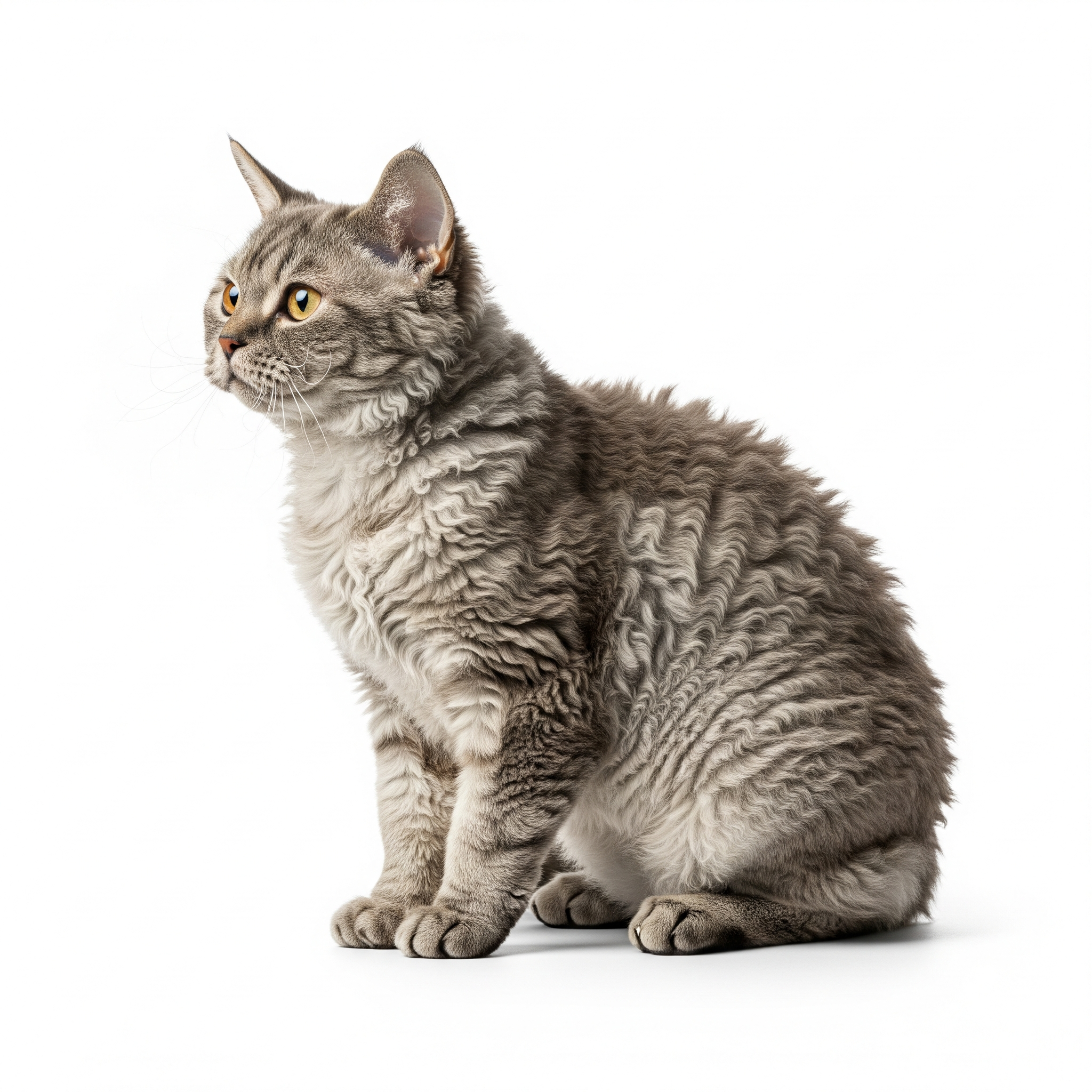
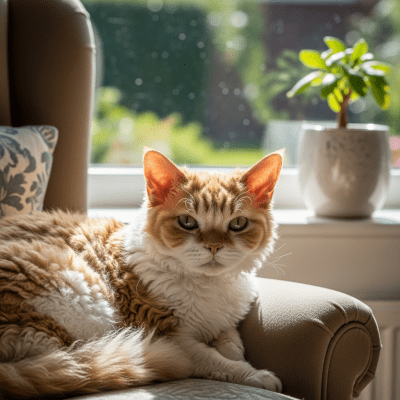
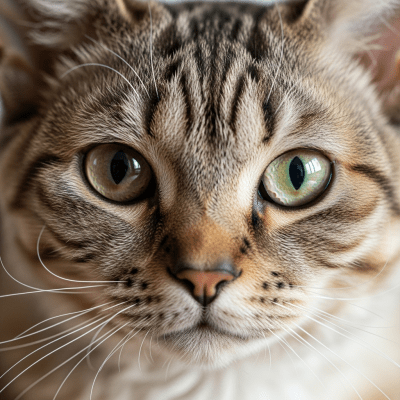
The Selkirk Rex is medium-to-large, with a muscular, cobby body, broad head, and full cheeks. Its most striking feature is the soft, plush, and curly coat, which can be either long or short. The curls are present throughout the fur and even in the whiskers, giving the cat a distinctly woolly, "sheep-like" appearance. Rounded contours and a gentle expression complete its unique look, making it one of the most visually memorable breeds.
Primarily cherished as a companion animal, the Selkirk Rex is valued for its affectionate, calm nature and adaptability in family settings. Its gentle disposition makes it a favorite among cat enthusiasts and a popular contender in cat shows. The breed interacts well with humans and other pets, thriving in environments where companionship and gentle handling are the norm.
Bring this kind into your world illustrated posters, mugs, and shirts.
Archival print, museum-grade paper
Buy Poster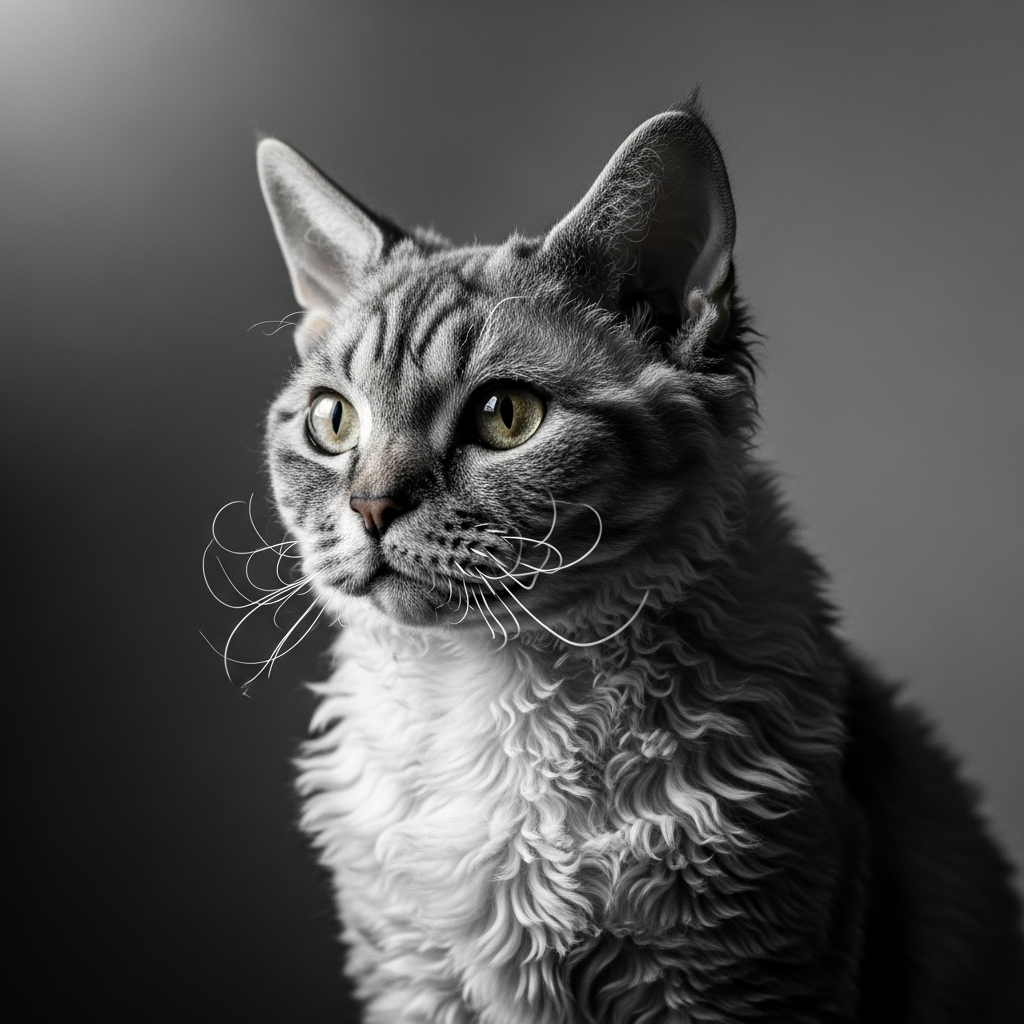
Stoneware mug, dishwasher safe
Buy Mug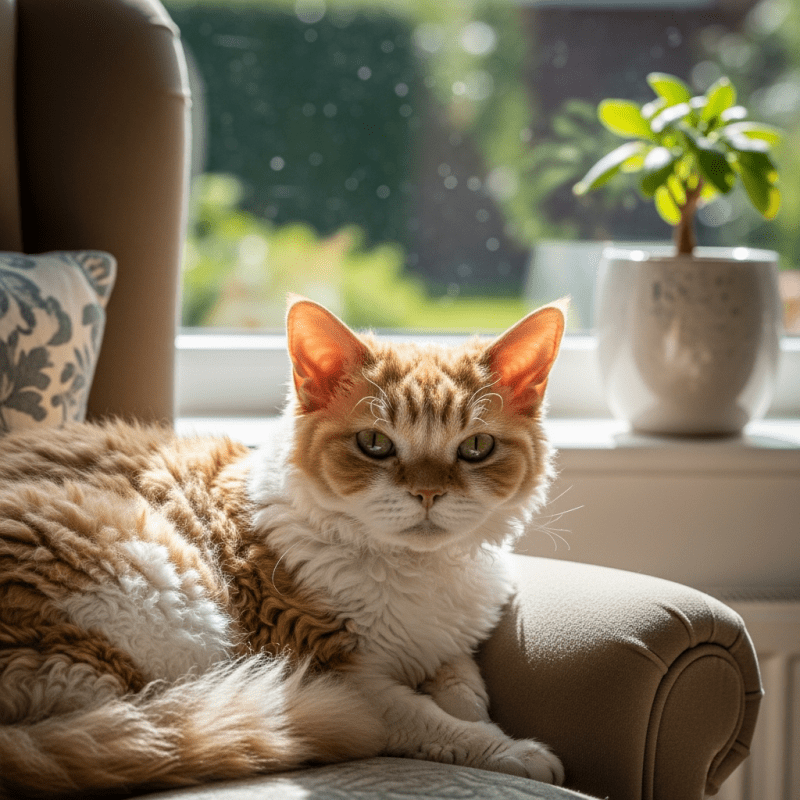
Soft cotton tee, unisex sizes
Buy ShirtWhile the Selkirk Rex is a relatively new breed, its unique curly coat has made it a standout in cat shows and a subject of fascination among breeders and feline enthusiasts. Nicknamed the "Sheepcat," it often features in discussions about genetic diversity in domestic cats and is celebrated for its friendly temperament and whimsical appearance. The breed’s rapid rise in popularity reflects a growing appreciation for novel feline traits in modern culture.
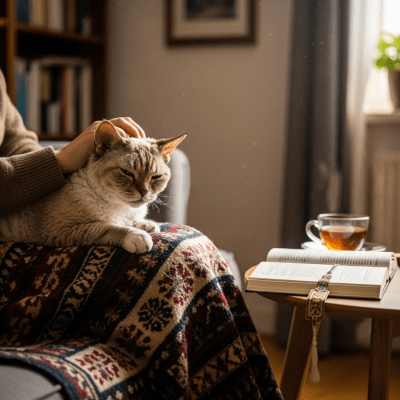

Selkirk Rex cats are renowned for their gentle, affectionate, and easygoing personalities. They are typically calm, friendly, and enjoy spending time with their human companions. Their sociable nature makes them well-suited to families and multi-pet households, and they are known to be playful without being overly demanding.
Generally robust and healthy, the Selkirk Rex may be prone to polycystic kidney disease (PKD) in some lines due to Persian ancestry. Responsible breeding practices help minimize this risk. Lifespan is typical for domestic cats, with most Selkirk Rex cats living well into their teens with proper care.
Regular grooming is recommended to maintain the plush, curly coat of the Selkirk Rex. Both longhair and shorthair varieties benefit from gentle brushing to prevent matting and to keep curls defined. Routine care should include standard feline hygiene, attention to ear and dental health, and periodic veterinary check-ups.
The Selkirk Rex can be found in all colors and patterns recognized by major cat registries, including solid, tabby, bicolor, and more. This breed’s curly coat showcases a wide variety of hues, making each individual unique in appearance.
While no single Selkirk Rex has achieved international celebrity status, the breed’s foundation cat, Miss DePesto, is notable for her role in establishing the lineage. Selkirk Rex cats frequently appear in cat shows and breed showcases, where their distinctive coats and gentle personalities draw attention.
The Selkirk Rex is recognized as such in all major registries worldwide, with no significant regional variants. Both longhair and shorthair forms are accepted, and the breed’s name remains consistent across regions.