Scottish Fold
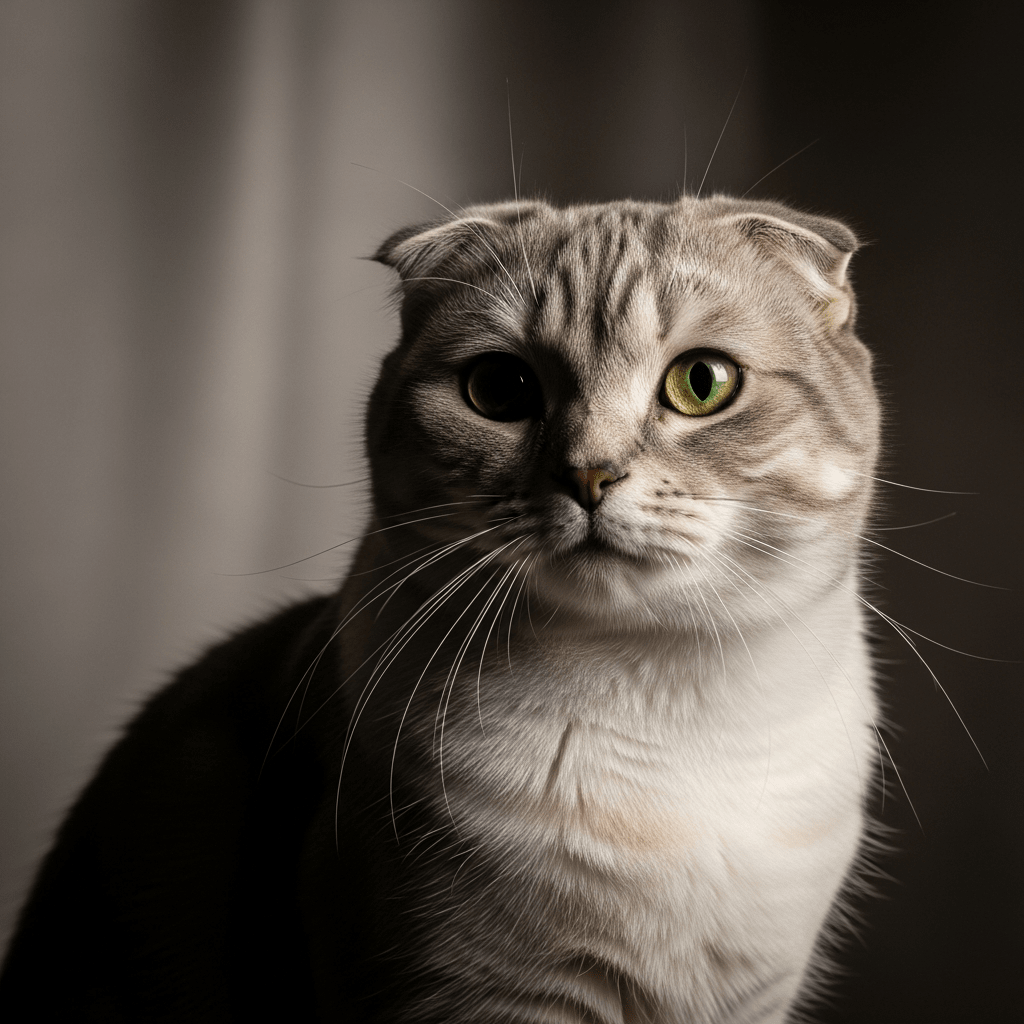
The Scottish Fold is a domestic cat breed instantly recognized by its unique folded ears and gentle, rounded appearance.
The Scottish Fold is a domestic cat breed instantly recognized by its unique folded ears and gentle, rounded appearance.
The Scottish Fold traces its roots to Scotland in 1961, when a shepherd named William Ross discovered a white barn cat named Susie with distinctive folded ears. Susie's kittens inherited the trait, sparking selective breeding efforts that incorporated British Shorthairs and other domestic cats to establish genetic diversity. The breed was first registered in the UK in the late 1960s and gained popularity in the United States from the 1970s onward.
Classified as a domestic cat breed within Felis catus, the Scottish Fold belongs to the family of recognized companion cats. Its hallmark ear mutation sets it apart from other breeds, and it is accepted by most major cat registries, though some organizations have reservations due to health concerns.
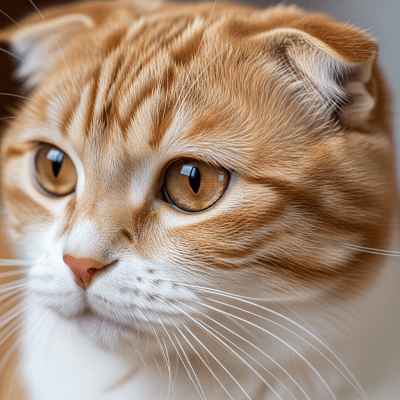
Scottish Folds are medium-sized cats with a plush, dense coat that can be short or long. Their most iconic feature is the forward-folded ear cartilage, which gives them an owl-like silhouette. Rounded bodies, broad faces, and large, expressive eyes contribute to their soft, approachable look. The breed is found in a wide variety of colors and patterns, with a soft, velvety texture to the fur.
Primarily cherished as companion animals, Scottish Folds are known for their affectionate and sociable nature. Their calm demeanor and gentle disposition make them ideal pets for families and individuals alike. The breed is popular in pet markets and often featured in media due to its unique appearance and endearing personality.
Bring this kind into your world illustrated posters, mugs, and shirts.
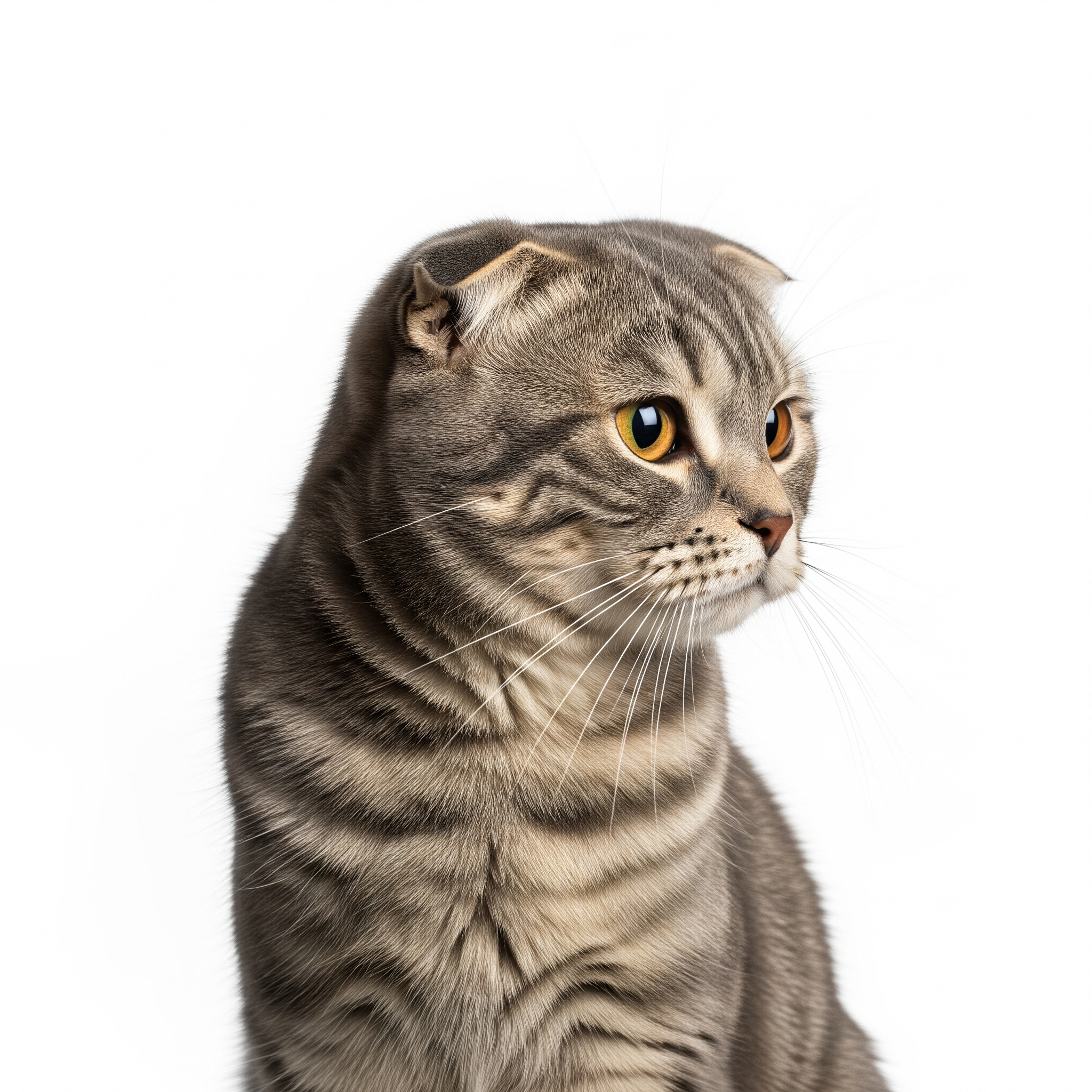
Archival print, museum-grade paper
Buy Poster
Stoneware mug, dishwasher safe
Buy Mug
Soft cotton tee, unisex sizes
Buy ShirtWith their charming folded ears and sweet expressions, Scottish Folds have become icons in social media and popular culture. Their distinctive look has made them favorites in internet memes, pet photography, and advertising. The breed’s story, beginning with a single Scottish barn cat, adds to its allure and mystique among cat enthusiasts worldwide.

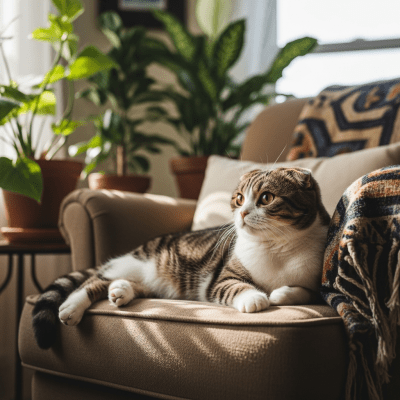
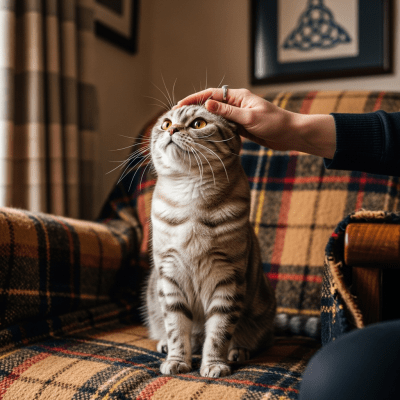
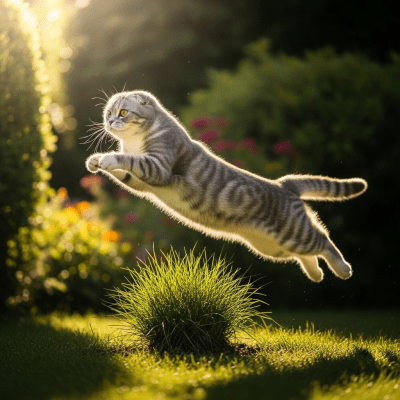
Scottish Folds are celebrated for their calm, affectionate, and sociable nature. They are typically gentle, enjoy human company, and adapt well to household routines. Their playful yet undemanding personality makes them a delight for families and singles alike.
While Scottish Folds generally live 12–15 years, they are predisposed to cartilage and bone abnormalities (osteochondrodysplasia), which can cause joint pain or mobility issues. Responsible breeding—avoiding mating two folded-ear cats—is crucial to minimize health risks. Regular veterinary checkups and attentive care help maintain their wellbeing.
Scottish Folds require routine grooming to keep their dense, plush coats healthy, especially the longhaired Highland Fold variant. Regular brushing, ear checks, and nail trimming are recommended. Attention to joint health and mobility is important due to their genetic predispositions.
The breed is accepted in a wide range of coat colors and patterns, from solids to tabbies and bicolors. However, some registries exclude colors indicating hybridization, such as chocolate, lavender, or Himalayan patterns. Eye color varies with coat, but large, expressive eyes are typical.
Scottish Folds have gained celebrity status on social media, with many becoming viral sensations for their adorable looks and quirky poses. While individual famous cats are not listed here, their popularity in online platforms and pet photography is widespread.
The longhaired variant of the Scottish Fold is known as the Highland Fold in some registries, such as TICA. In the UK, the breed is not recognized by the GCCF due to welfare concerns, but it is accepted by other major international registries.