Russian Blue
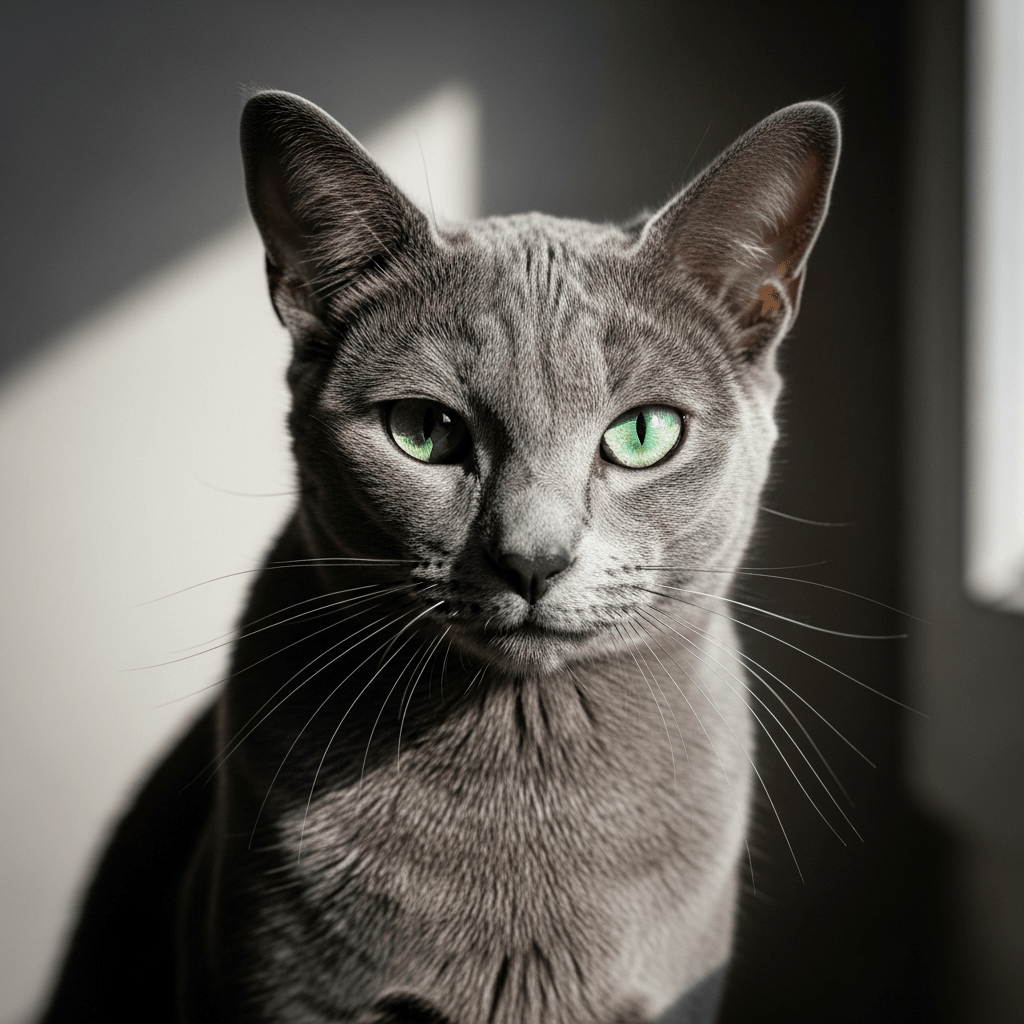
The Russian Blue is a refined domestic cat breed celebrated for its plush blue-grey coat, vivid green eyes, and gentle, intelligent temperament.
The Russian Blue is a refined domestic cat breed celebrated for its plush blue-grey coat, vivid green eyes, and gentle, intelligent temperament.
Originating in the northern Russian port city of Arkhangelsk, the Russian Blue first appeared in European records in the mid-19th century. Initially known as the "Archangel Cat," it was introduced to Britain and the United States in the 1860s, where selective breeding further shaped its elegant form and serene disposition. The breed's lineage is rooted in natural Russian stock, with refinement through limited crossbreeding in the early 20th century to perfect its signature traits.
The Russian Blue belongs to the species Felis catus, within the family Felidae. It is recognized as a distinct breed by all major cat registries, forming part of the shorthair group of domestic cats. Its classification is based on unique physical and behavioral characteristics, setting it apart from other blue-coated breeds and regional varieties.
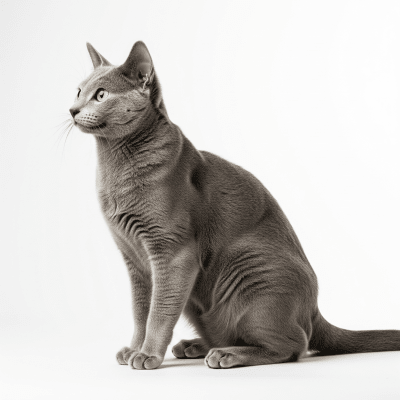
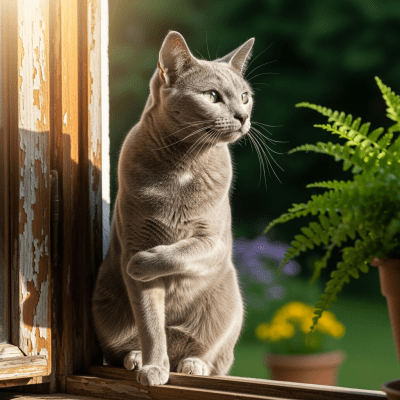
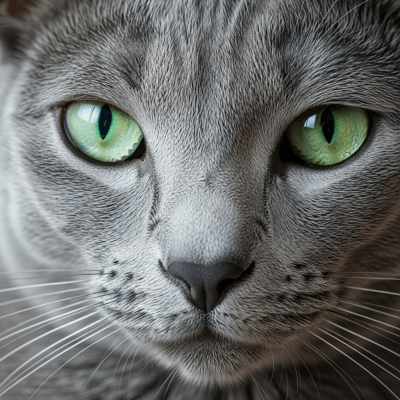
Graceful and medium-sized, the Russian Blue features a muscular body, long legs, and a wedge-shaped head. Its most striking attribute is the short, dense, double-layered coat of uniform blue-grey with a silvery sheen, which feels plush and soft to the touch. Large, wide-set ears and vivid emerald green eyes complete its elegant, almost ethereal appearance.
Renowned for its affectionate yet reserved nature, the Russian Blue thrives as a companion animal. It is intelligent, gentle, and adapts well to indoor living, making it a popular choice for families and individuals seeking a low-maintenance, elegant pet. The breed is also a frequent participant in cat shows, where its beauty and poise are highly prized.
Bring this kind into your world illustrated posters, mugs, and shirts.
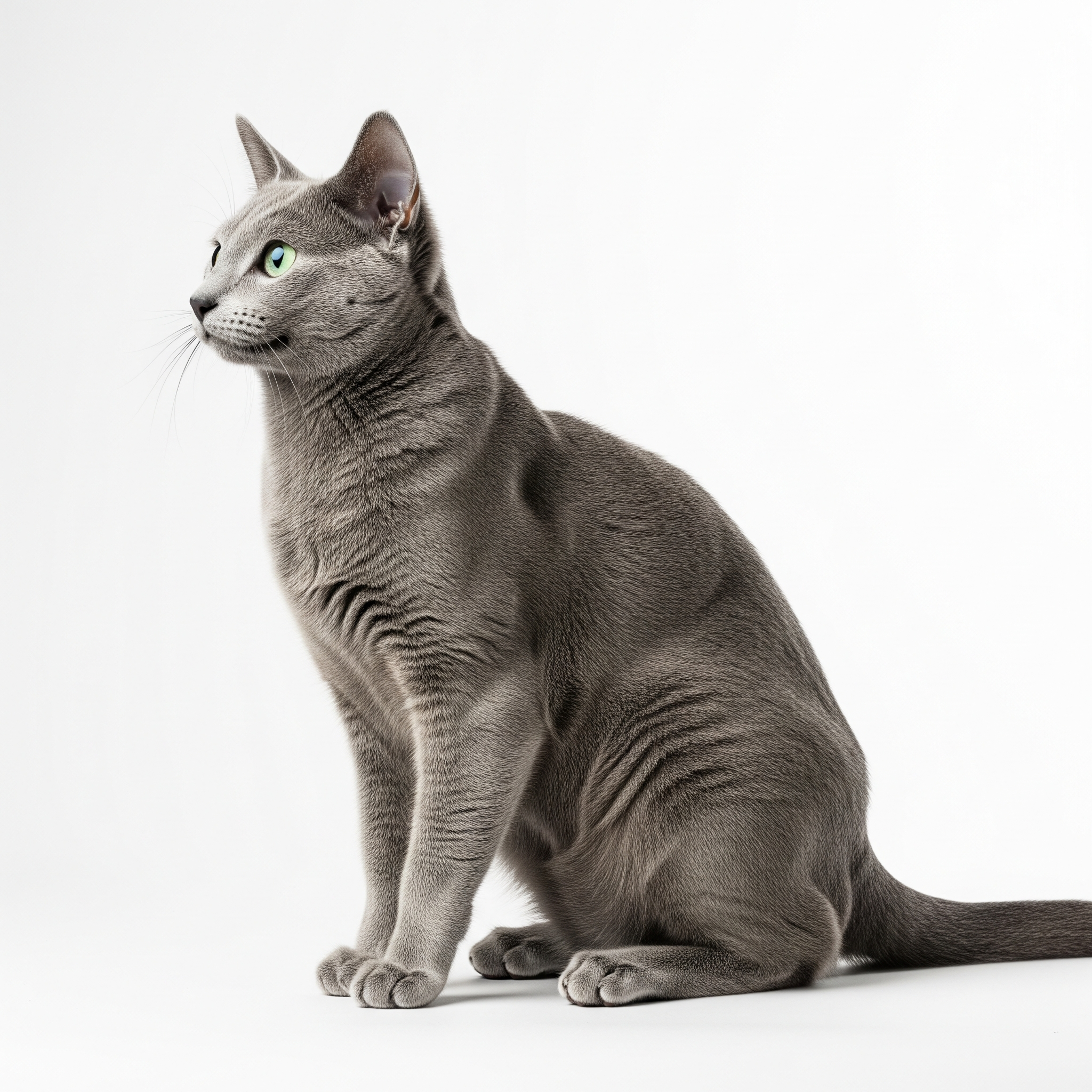
Archival print, museum-grade paper
Buy Poster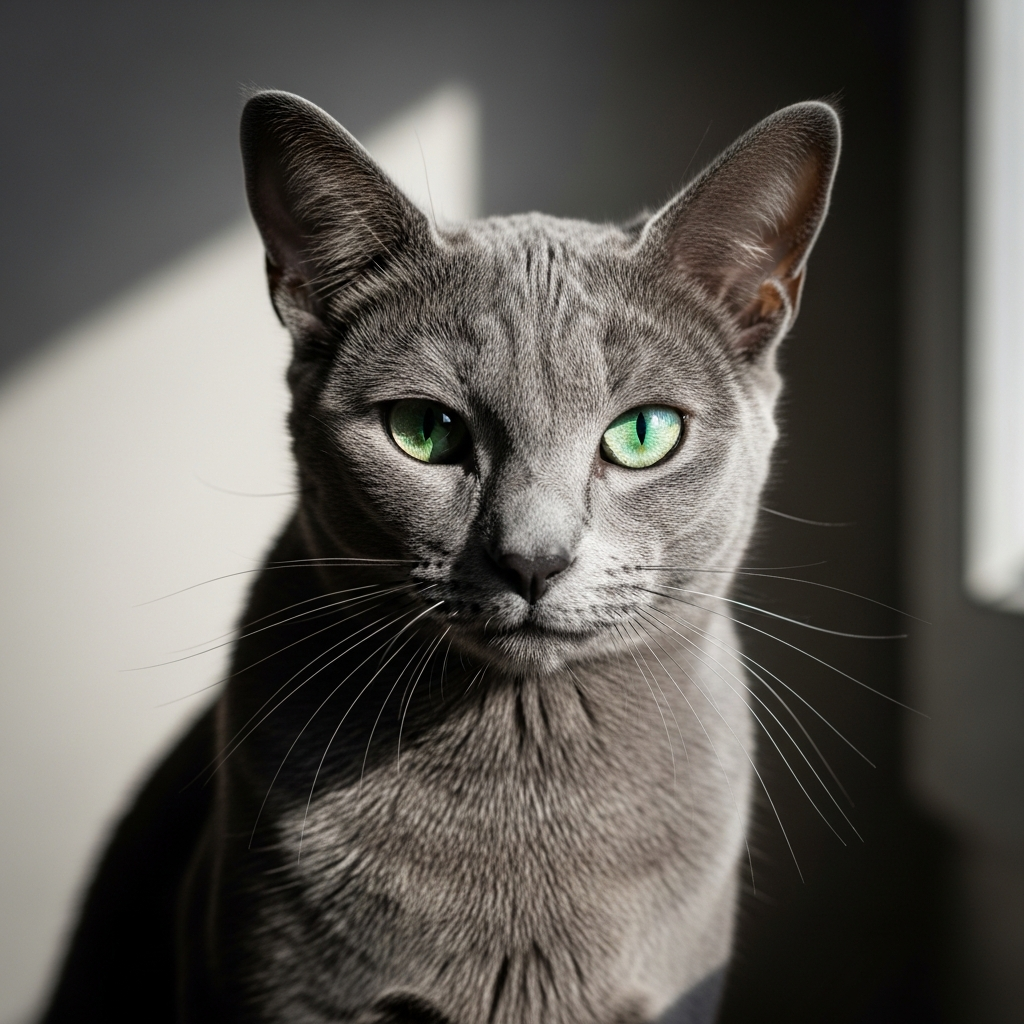
Stoneware mug, dishwasher safe
Buy Mug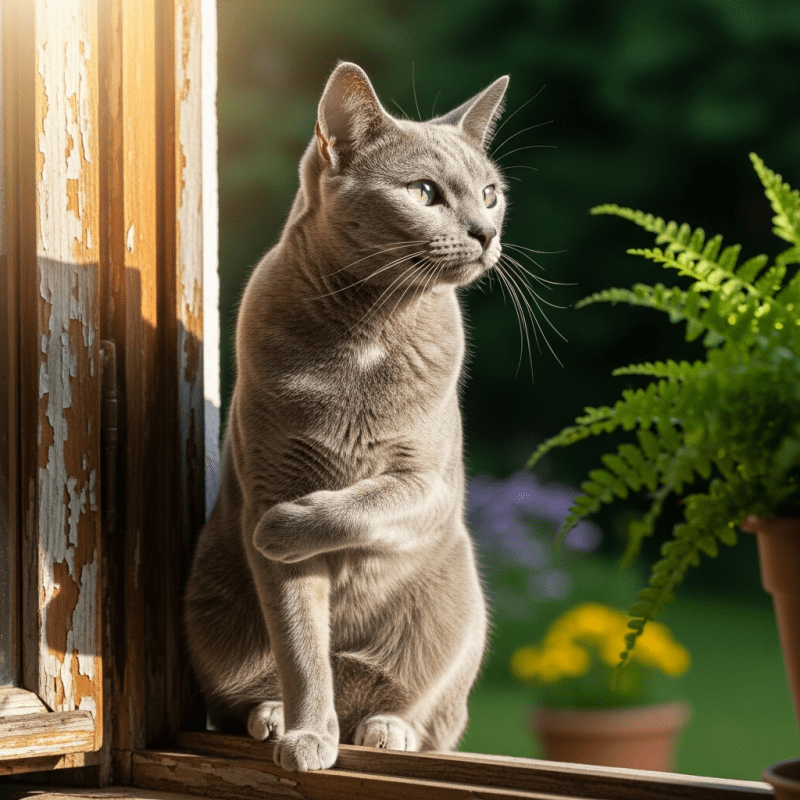
Soft cotton tee, unisex sizes
Buy ShirtThe Russian Blue has long been admired for its regal bearing and mysterious allure. Its origins in Russia have inspired legends and artistic depictions, while its popularity in Europe and America has cemented its status as a symbol of refined feline elegance. The breed's distinctive look and gentle personality have made it a favorite in literature, advertising, and cat fancier circles worldwide.
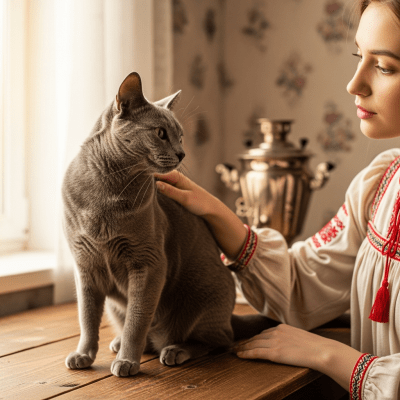

Russian Blues are affectionate yet reserved, forming strong bonds with their owners while remaining gentle and quiet. They are intelligent, playful, and enjoy interactive activities, but often prefer calm environments and may be shy around strangers. Their adaptability and loyalty make them excellent companions for both individuals and families.
The Russian Blue is generally robust, with few breed-specific genetic disorders. It is noted for its resilience and can live 15–20 years when provided with proper nutrition and veterinary care. While some consider the breed hypoallergenic, sensitivities may still occur in allergy-prone individuals.
Low-maintenance by nature, the Russian Blue's short, dense coat requires only occasional brushing to remove loose hair and maintain its silvery sheen. Routine care includes regular nail trimming, dental hygiene, and annual veterinary checkups. The breed thrives in a stable, indoor environment with opportunities for play and mental stimulation.
The Russian Blue is defined by its uniform blue-grey coat with a distinctive silvery sheen, resulting from the unique structure of its guard hairs. No other colors or patterns are accepted in the breed standard, and the vivid emerald green eyes further distinguish its classic look.
While individual Russian Blues have graced cat shows and appeared in advertising campaigns, the breed is most famously associated with the "Archangel Cat" of Russian folklore and with prominent show winners recognized by major registries. Its elegant image is often featured in feline art and media.
In Russia, the breed is referred to as "Русская голубая" (Russkaya golubaya). Minor regional differences exist in breed standards among registries, but the Russian Blue's core characteristics remain consistent worldwide.