Ragdoll
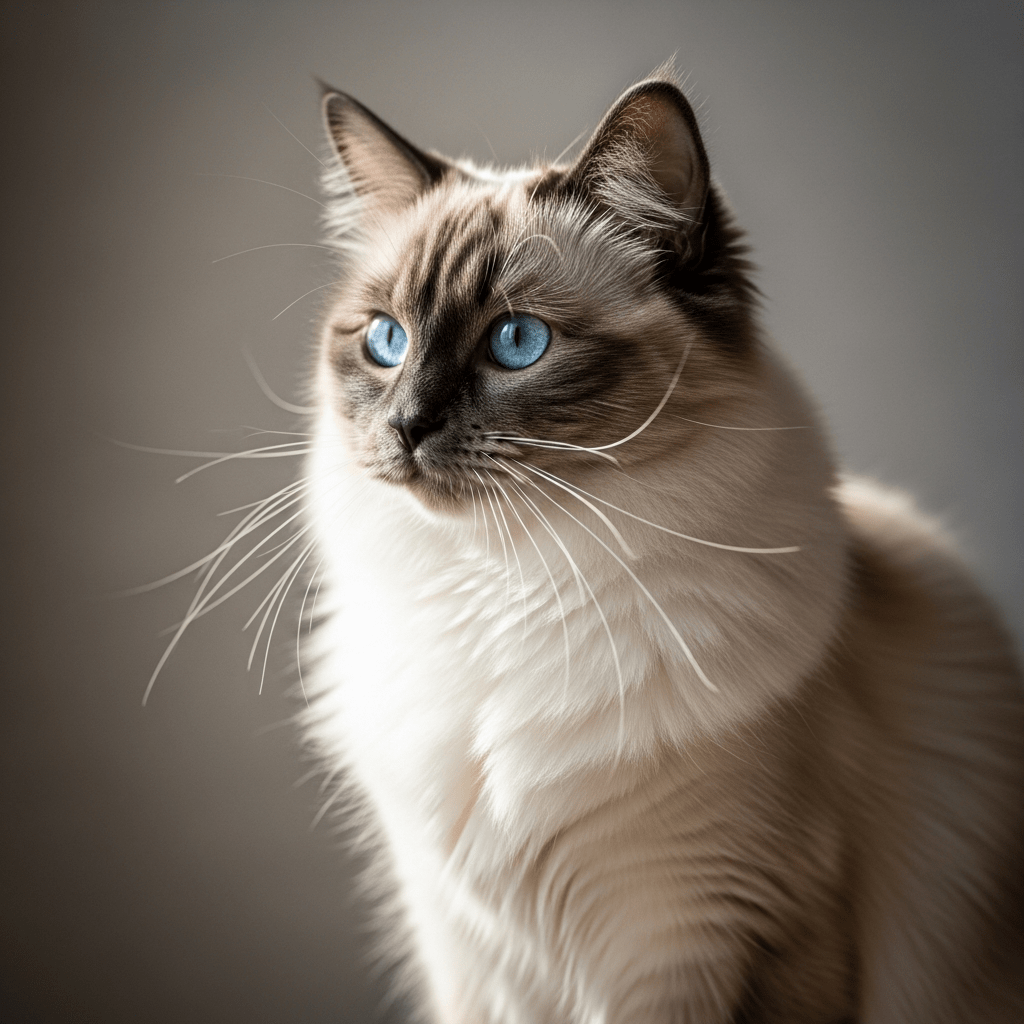
The Ragdoll is a large, semi-longhaired domestic cat breed celebrated for its plush coat, vivid blue eyes, and famously gentle temperament—often going limp when held, which inspired its name.
The Ragdoll is a large, semi-longhaired domestic cat breed celebrated for its plush coat, vivid blue eyes, and famously gentle temperament—often going limp when held, which inspired its name.
Originating in Riverside, California in the early 1960s, the Ragdoll was developed by breeder Ann Baker. She selectively bred a white domestic longhaired cat named Josephine with Birman and Persian types, aiming to create a cat with striking looks and a notably docile nature. The breed was officially recognized in the 1970s, and its lineage traces entirely to domestic cats, with Josephine and her offspring forming the foundation of the breed.
Ragdolls belong to the species Felis catus, within the family Felidae. They are a recognized breed of domestic cat, distinct for their size, coat, and temperament. All major cat registries—including CFA, TICA, FIFe, GCCF, ACFA, and WCF—recognize the Ragdoll as a standard breed, placing it among the most widely accepted pedigree cats worldwide.
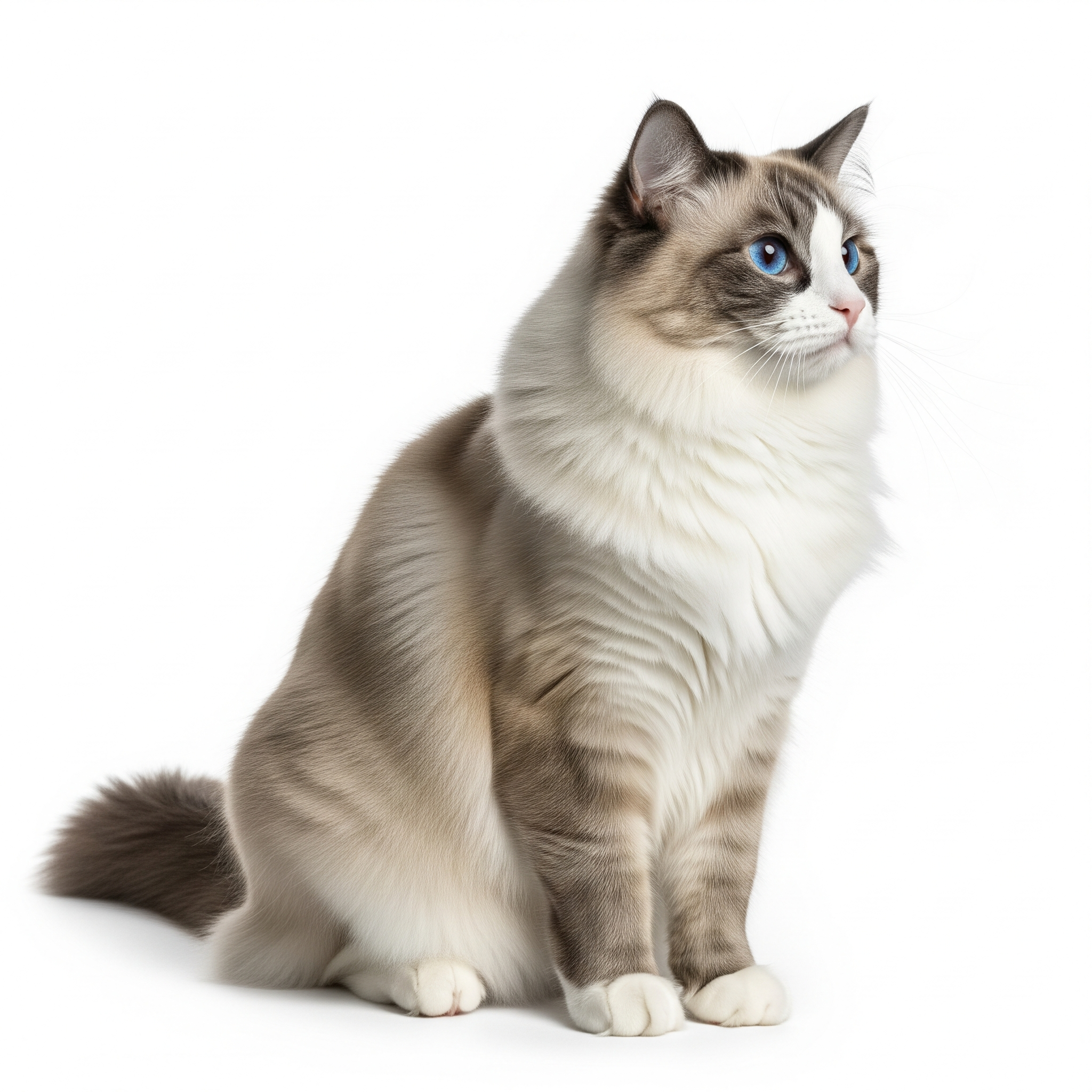
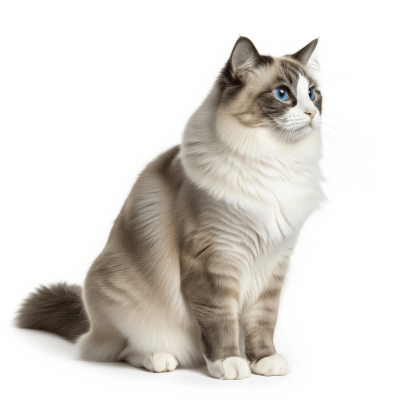
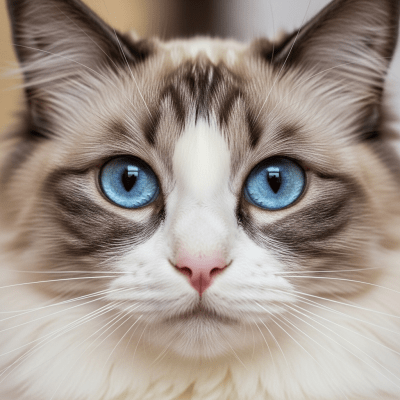
Ragdolls are among the largest domestic cats, with males weighing 15–20 pounds and females 10–15 pounds. Their semi-long, silky coats are plush and resistant to matting, while their hallmark oval-shaped blue eyes lend a captivating expression. The breed features a muscular body, broad chest, medium-length legs, and large, round paws. The wedge-shaped head has gentle contours, and the overall impression is one of softness and elegance.
Renowned for their gentle and placid nature, Ragdolls are exceptionally docile and sociable. They are ideal companion animals, thriving in family environments and multi-pet households. Their tendency to relax completely when held makes them popular for therapy work and as show cats. Ragdolls interact positively with humans, displaying low aggression and a strong affinity for affection and companionship.
Bring this kind into your world illustrated posters, mugs, and shirts.
Archival print, museum-grade paper
Buy Poster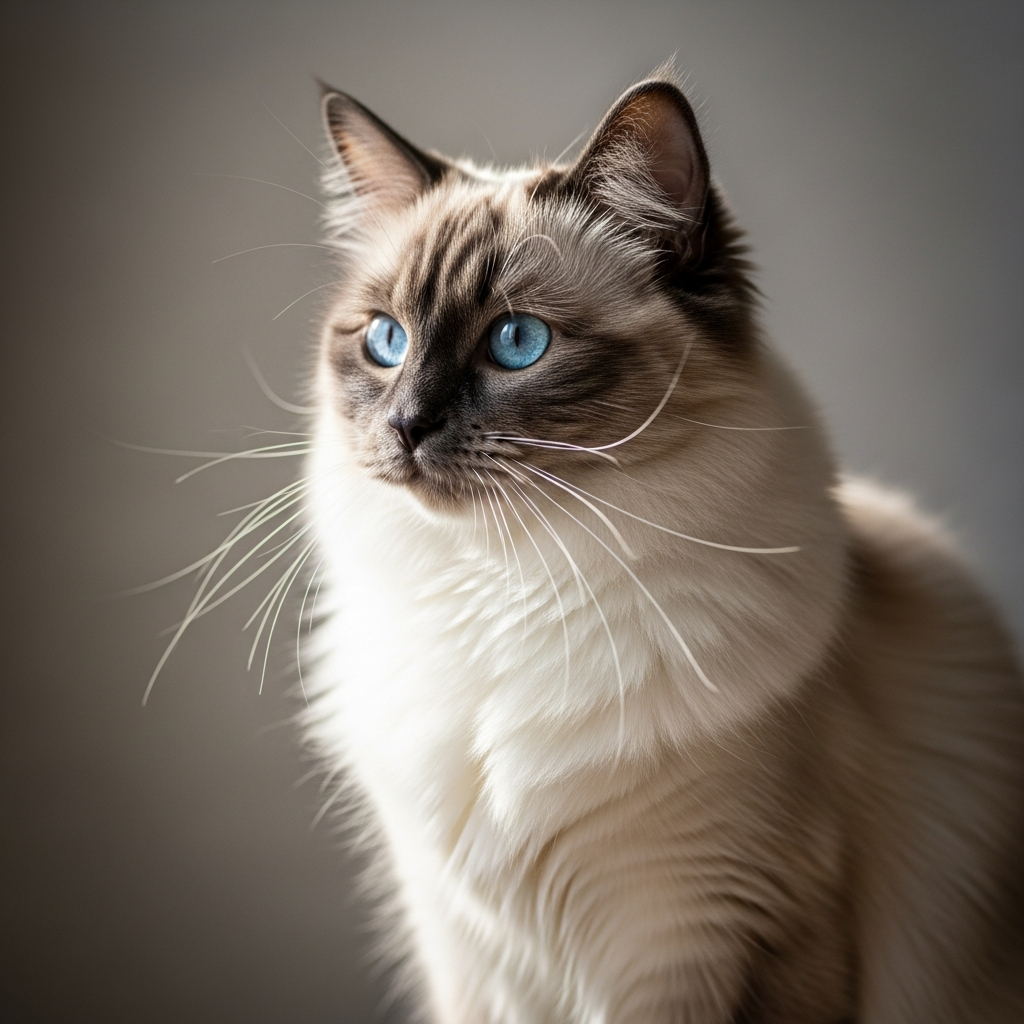
Stoneware mug, dishwasher safe
Buy Mug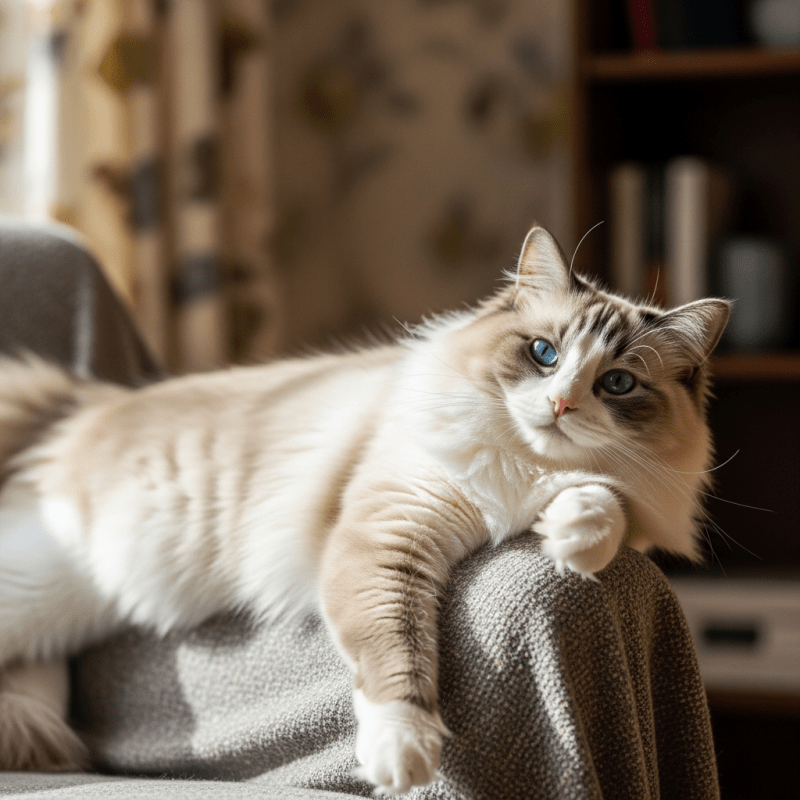
Soft cotton tee, unisex sizes
Buy ShirtThe Ragdoll has become a symbol of feline gentleness and beauty in modern culture. Its distinctive appearance and temperament have made it a favorite in cat shows and pet media. The breed’s "floppy" trait is often referenced in popular articles and social media, and Ragdolls are frequently sought after for therapy roles, further cementing their reputation as gentle giants in the world of domestic cats.

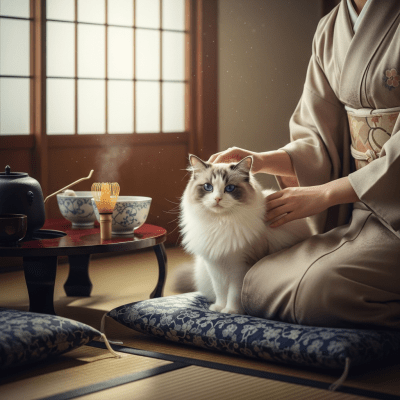
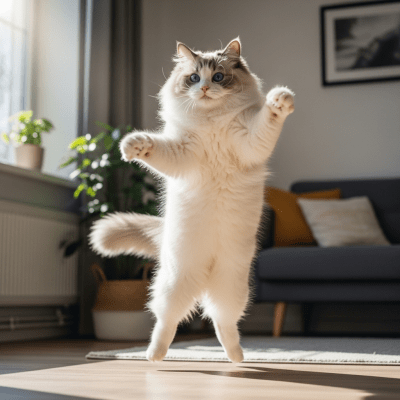
Ragdolls are exceptionally docile and gentle, known for their placid demeanor and low aggression. They are highly sociable, enjoying human company and often following their owners from room to room. Their tendency to go limp when held underscores their relaxed disposition. Ragdolls adapt well to families, children, and other pets, and are often described as affectionate, easygoing, and trusting.
Ragdolls generally enjoy robust health, with a typical lifespan of 12–17 years. The breed may be predisposed to hypertrophic cardiomyopathy (HCM), a genetic heart condition, so responsible breeders screen for this trait. Regular veterinary care and a healthy lifestyle contribute to their longevity and well-being.
Ragdolls have a semi-long, silky coat that resists matting, making grooming relatively straightforward. Weekly brushing helps maintain their plush fur and minimizes shedding. Routine care should include regular nail trimming, dental hygiene, and annual veterinary checkups. Ragdolls thrive indoors and appreciate interactive play and gentle attention.
Ragdolls display three main patterns: colorpoint, mitted, and bicolor. Accepted colors include seal, blue, chocolate, lilac, red, and cream, with possible lynx or tortie overlays. All Ragdolls have striking blue eyes, which are a hallmark of the breed.
While individual Ragdolls have featured in cat shows and pet media, the breed itself is celebrated for its consistent presence in therapy work and as a beloved companion in households worldwide. No single Ragdoll has achieved international celebrity status, but the breed’s reputation for gentleness and beauty is well established in popular culture.
"Ragdoll" is the canonical name recognized across all major registries, with no notable regional variants or subtypes. Informal nicknames may be used in different areas, but the breed standard remains consistent globally.