Ragamuffin
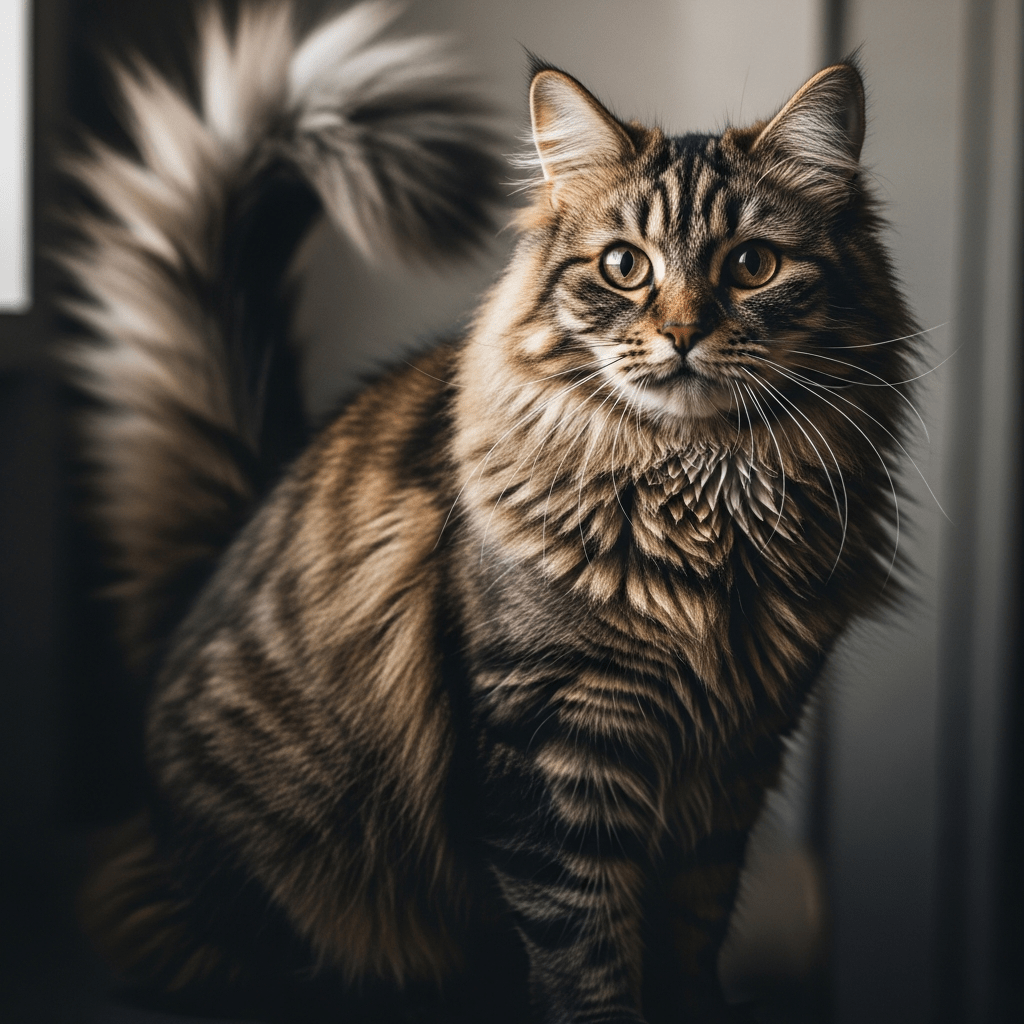
The Ragamuffin is a large, affectionate domestic cat breed celebrated for its plush, rabbit-like coat and gentle, sociable temperament.
The Ragamuffin is a large, affectionate domestic cat breed celebrated for its plush, rabbit-like coat and gentle, sociable temperament.
Originating in the United States in the early 1990s, the Ragamuffin was developed by breeders seeking to expand the genetic diversity of the Ragdoll breed. By introducing outcrosses to domestic longhair cats and other breeds, they created a cat with a similarly sweet nature but a broader palette of colors and patterns. The breed was officially named "Ragamuffin" in 1994, and its distinct identity was soon recognized by major cat registries.
The Ragamuffin belongs to the species Felis catus, within the domestic cat taxonomy. It is classified as a recognized breed by leading registries, distinct from its close relative, the Ragdoll, thanks to its expanded genetic base and breed standards. As a member of the longhair group, the Ragamuffin exemplifies the diversity and adaptability found within domestic cat breeds.
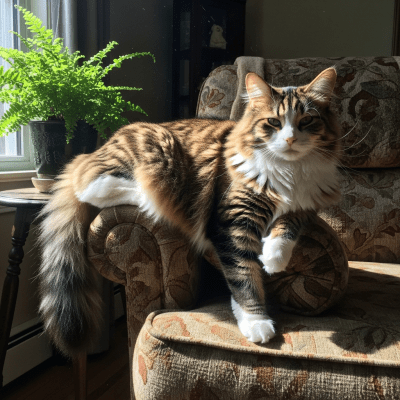
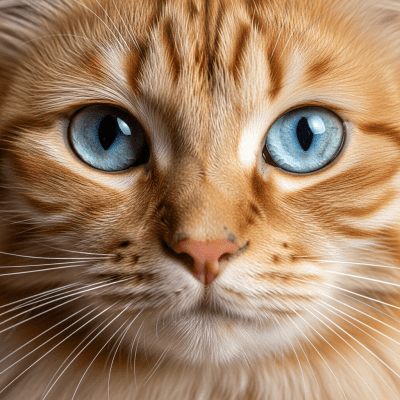
Ragamuffins are strikingly large and muscular, with a broad chest and substantial bone structure. Their medium-long to long coat is exceptionally soft, dense, and plush—often likened to rabbit fur—and resists matting. The breed features a rounded head, large walnut-shaped expressive eyes, and a sweet, open facial expression. All coat colors and patterns are permitted, making each Ragamuffin visually unique.
Renowned for their docile and affectionate nature, Ragamuffins thrive as companion animals. They are highly sociable, tolerant, and adaptable, making them ideal for families, therapy work, and exhibition. Their calm demeanor allows them to excel in cat shows and as therapy cats, where their gentle disposition brings comfort to people of all ages.
Bring this kind into your world illustrated posters, mugs, and shirts.
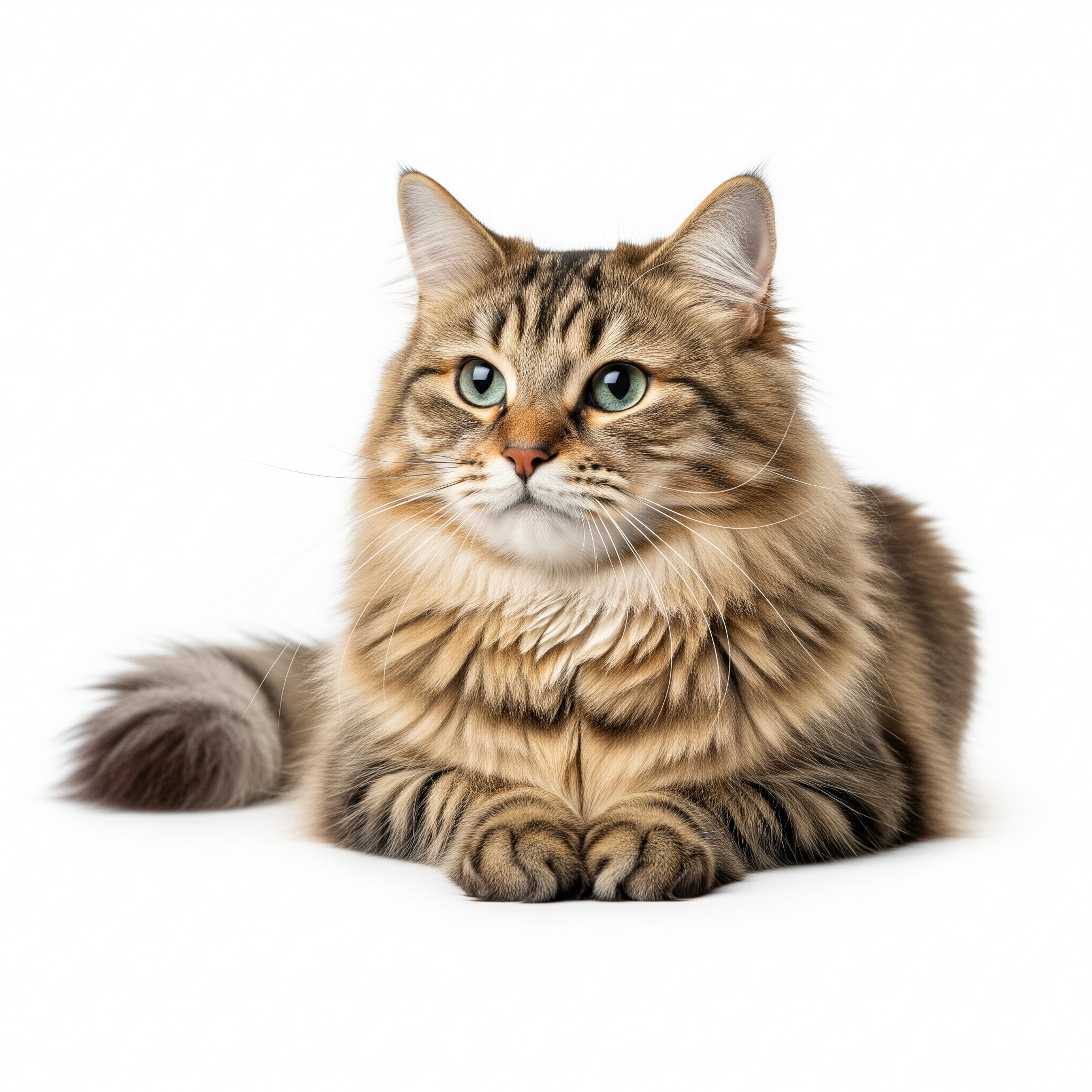
Archival print, museum-grade paper
Buy Poster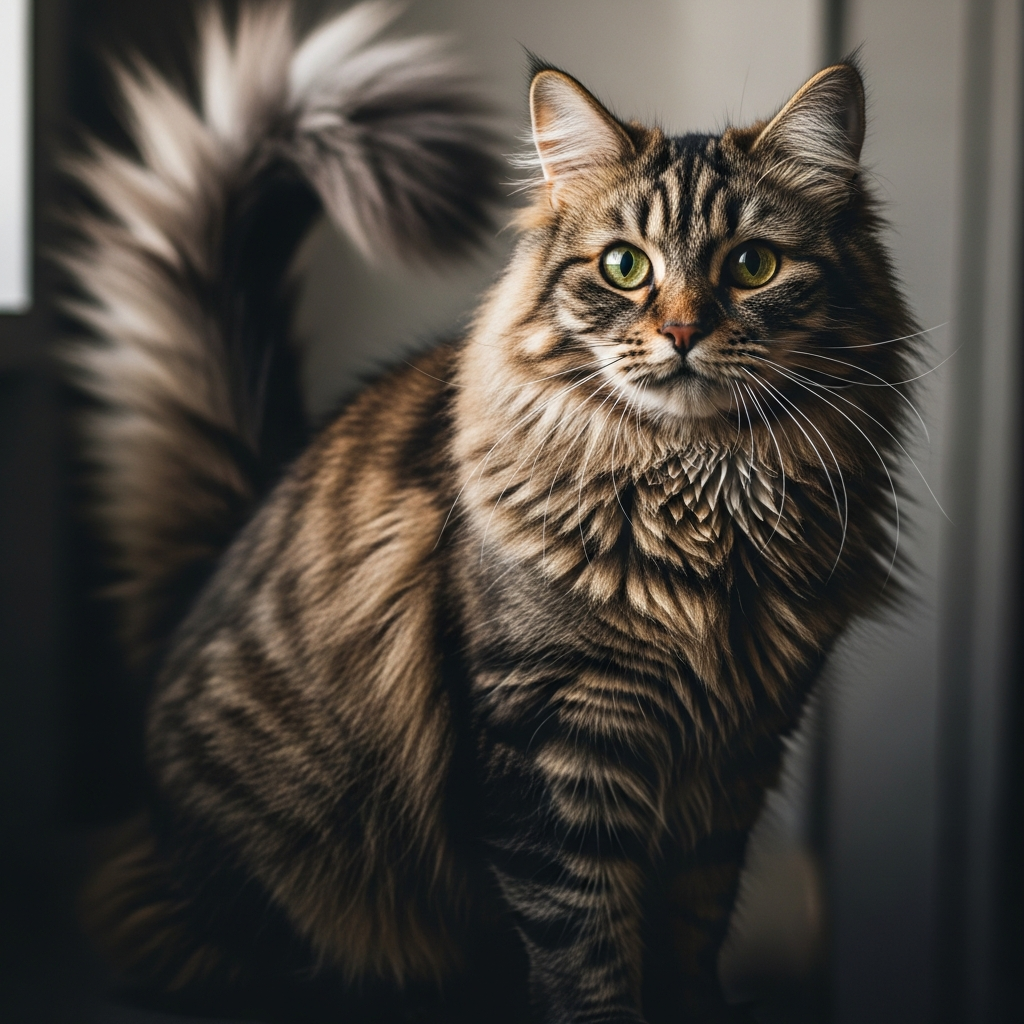
Stoneware mug, dishwasher safe
Buy Mug
Soft cotton tee, unisex sizes
Buy ShirtWhile a relatively recent breed, the Ragamuffin has quickly gained popularity in cat shows and as a beloved family pet. Its gentle temperament and striking appearance have made it a favorite among therapy animal programs and in homes seeking a calm, affectionate feline companion. The breed is often celebrated for its welcoming nature and is sometimes featured in media and pet therapy initiatives.
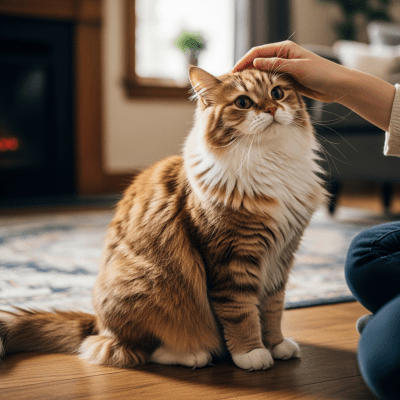
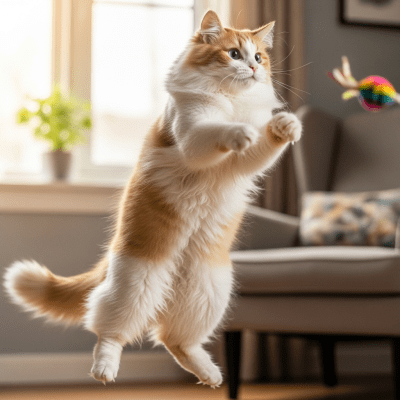
Ragamuffins are renowned for their docile, tolerant, and affectionate personality. They are highly sociable, enjoy human company, and adapt well to new environments and routines. Their calm and gentle nature makes them ideal for therapy work and family life, and they are known to greet guests with curiosity and warmth.
Ragamuffins are generally robust and healthy, though they may be prone to hypertrophic cardiomyopathy (HCM), a heart condition found in some cat breeds. With proper care and regular veterinary checkups, Ragamuffins typically enjoy a long, healthy life. They mature slowly, reaching full development at around four years of age.
Despite their plush, medium-long to long coat, Ragamuffins require only regular brushing to keep their fur in top condition, as it resists matting. Routine grooming helps reduce shedding and keeps their coat soft and healthy. Basic care includes regular nail trimming, dental hygiene, and annual veterinary visits to monitor overall health.
All colors and patterns are accepted in the Ragamuffin breed, including solid, tabby, tortoiseshell, and pointed varieties, with or without white markings. This diversity means Ragamuffins can display a wide array of beautiful and unique coats, from classic tabby stripes to dramatic colorpoints and vibrant torties.
While individual Ragamuffins have not yet achieved widespread fame in media or history, the breed is frequently showcased at cat shows and therapy animal programs, where its gentle nature and striking appearance are celebrated.
The Ragamuffin breed exhibits minimal regional variation. However, slight differences may exist between registry standards, particularly regarding permissible outcrosses and accepted color patterns. The breed is sometimes confused with the Ragdoll in some regions due to their shared ancestry, but Ragamuffins are recognized as a distinct breed globally.