
Pixiebob
The Pixiebob is a domestic cat breed celebrated for its bobbed tail, wild bobcat-like appearance, and affectionate, gentle temperament.
The Pixiebob is a domestic cat breed celebrated for its bobbed tail, wild bobcat-like appearance, and affectionate, gentle temperament.
Originating in the Pacific Northwest of the United States during the mid-1980s, the Pixiebob was developed by breeder Carol Ann Brewer. The breed's foundation began with a cat named "Pixie," believed at the time to be a bobcat-domestic hybrid. However, DNA testing later confirmed the Pixiebob is entirely domestic. Brewer selectively bred cats with naturally short tails and a wild look, culminating in official recognition by The International Cat Association (TICA) in 1994.
The Pixiebob belongs to the domestic cat species, Felis catus, and is classified as a distinct breed within the broader cats taxonomy. Unlike wild felines or hybrids, Pixiebobs are pure domestic cats, recognized primarily by TICA and not by other major registries such as CFA, FIFe, GCCF, or WCF.
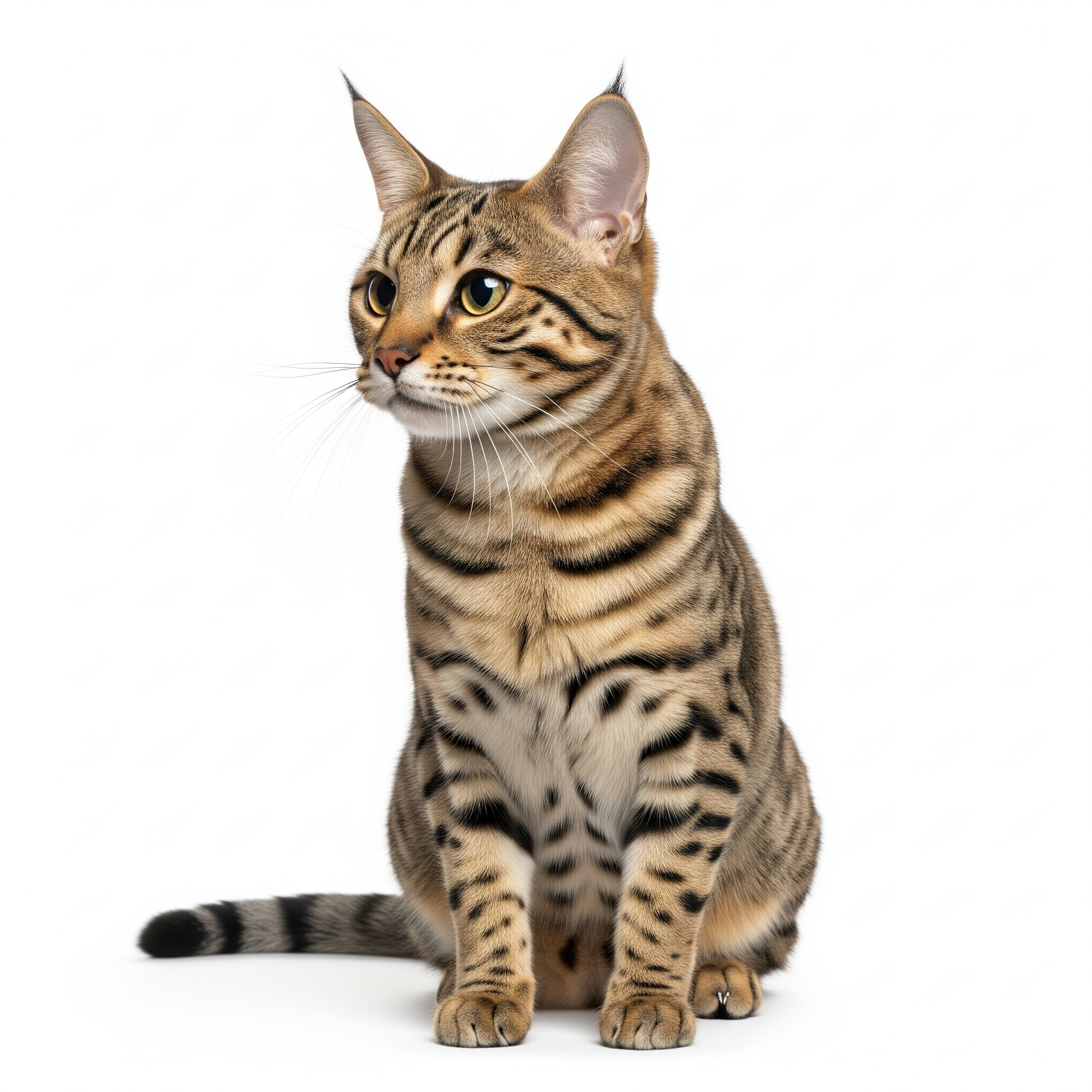
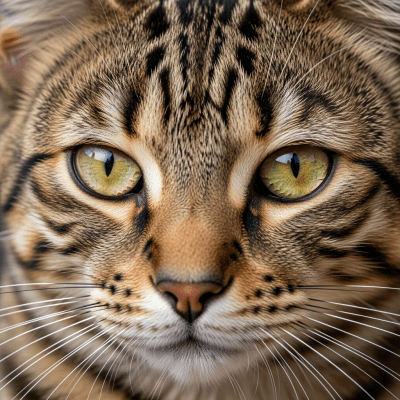
Pixiebobs are muscular, medium to large cats with a substantial build and broad chest. Their most striking feature is the naturally short tail, which ranges from 1 to 6 inches and may be kinked or straight. They have a dense, weather-resistant double coat that can be either short or long, typically displaying a brown spotted tabby pattern with muted ticking. Their eyes are gold to green, and medium-sized ears often feature lynx-like tips. Polydactylism is common, with some cats sporting up to seven toes per paw, enhancing their rugged, wild aesthetic.
Pixiebobs are cherished as companion animals and show cats. Their dog-like personality makes them highly interactive, intelligent, and sociable, often forming strong bonds with their families. While their wild appearance attracts enthusiasts seeking an exotic-looking pet, their temperament is gentle and affectionate, making them well-suited for households and cat shows. Pixiebobs do not have any agricultural or working roles.
Bring this kind into your world illustrated posters, mugs, and shirts.
Archival print, museum-grade paper
Buy Poster
Stoneware mug, dishwasher safe
Buy Mug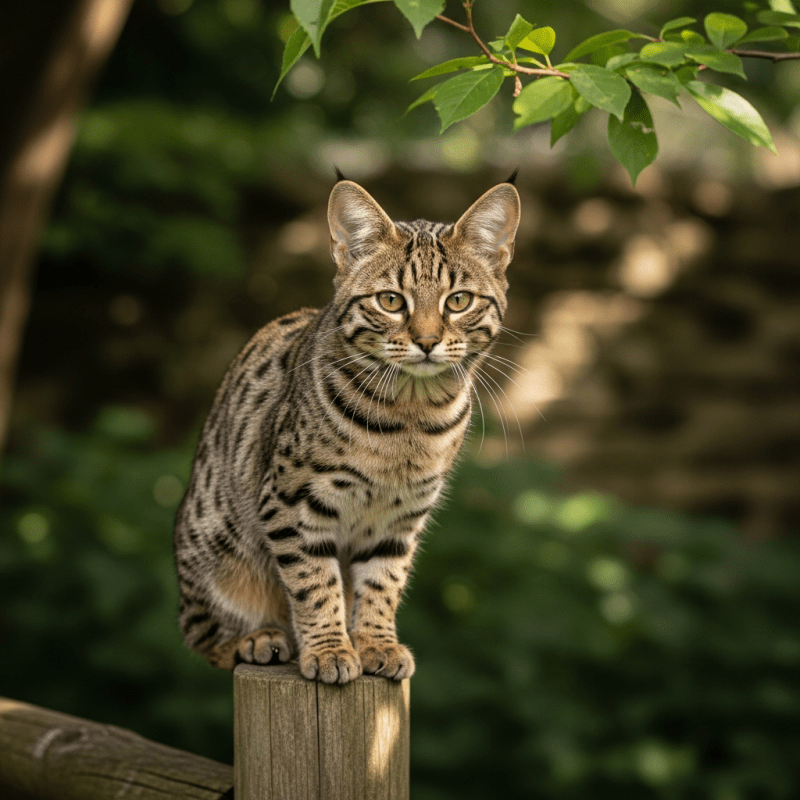
Soft cotton tee, unisex sizes
Buy ShirtThe Pixiebob stands out in modern cat culture for its resemblance to the North American bobcat, often fueling myths and marketing as the "domestic bobcat." Despite these stories, the breed is entirely domestic, and its popularity stems from its unique look and friendly nature. Pixiebobs are frequently featured in cat shows and admired by those seeking a wild aesthetic in a loving pet.


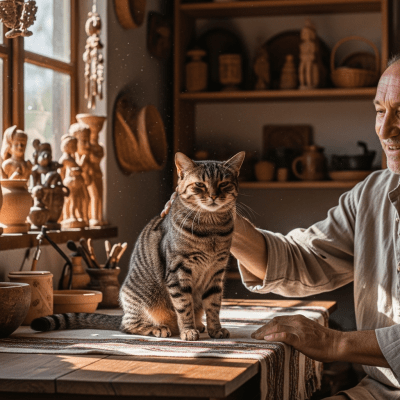
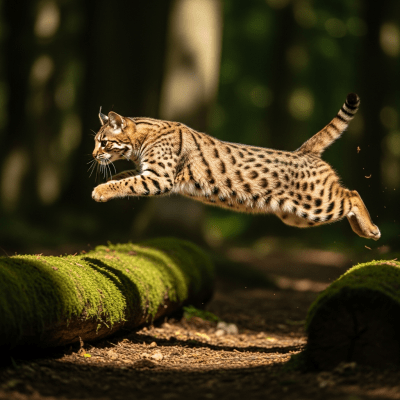
Pixiebobs are renowned for their dog-like temperament—intelligent, sociable, and gentle. They often follow their owners around, enjoy interactive play, and adapt well to family life. Their affectionate nature and calm demeanor make them excellent companions for children and adults alike.
Pixiebobs are generally healthy, with no widely reported breed-specific genetic disorders. Polydactylism can occasionally lead to nail or pad issues, but these are typically manageable with regular care. Lifespan data is limited, but Pixiebobs are expected to live comparably to other medium to large domestic cats.
Pixiebobs require routine grooming, especially for longhaired individuals. Regular brushing helps manage their dense, double coat and minimizes shedding. Attention to their paws is important due to polydactylism, ensuring nails are trimmed and pads are healthy. Standard care includes a balanced diet, regular veterinary checkups, and plenty of social interaction.
The breed standard calls for a brown spotted tabby coat with muted spotting and ticking. Both shorthair and longhair varieties are accepted, and eye color ranges from gold to green. Lynx-tipped ears are preferred, enhancing their wild look.
The original foundation cat, "Pixie," is the most notable Pixiebob in breed history, lending her name and distinctive traits to the breed. While Pixiebobs are popular at cat shows, there are no widely recognized media or celebrity examples beyond their foundational lineage.
Pixiebobs are primarily recognized in North America, with official breed status granted by TICA. The breed is not recognized by major European or international registries, and "Domestic bobcat" is sometimes used in marketing but is not an official variant or subtype.