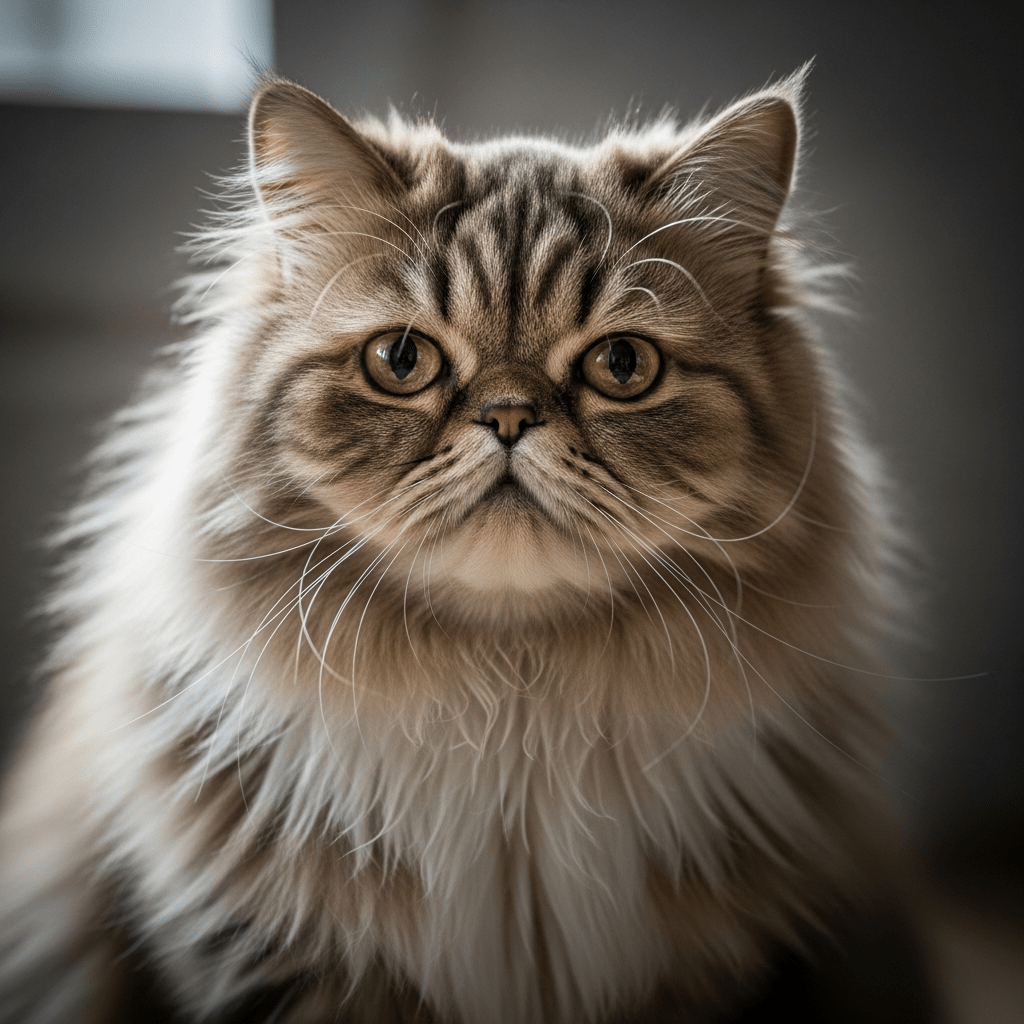
Persian
The Persian is a celebrated breed of domestic cat, instantly recognizable for its luxurious long coat, distinctive flat-faced profile, and gentle, placid temperament.
The Persian is a celebrated breed of domestic cat, instantly recognizable for its luxurious long coat, distinctive flat-faced profile, and gentle, placid temperament.
Originating in the Middle East, specifically Iran (historically Persia), the Persian cat’s journey began with the importation of longhaired cats to Europe in the 1600s. The breed was refined through centuries of selective breeding in Britain and the United States, emphasizing its signature long hair and brachycephalic features. Rather than a single founder, the Persian evolved through the dedicated efforts of generations of breeders and fanciers, blending Persian and Turkish longhaired ancestry with British longhair lines.
The Persian belongs to the species Felis catus and is classified as a longhaired breed within domestic cats. Recognized by all major cat registries, Persians are a cornerstone of the pedigree cat world, often grouped with related longhair breeds and, in some regions, considered the archetype for all longhaired domestic cats.
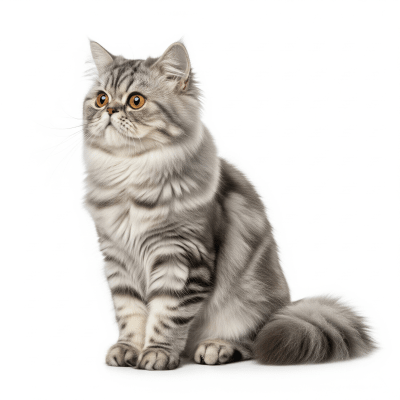
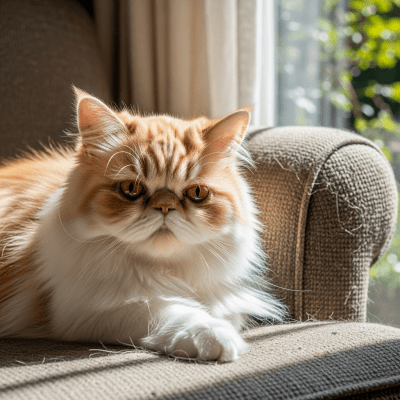
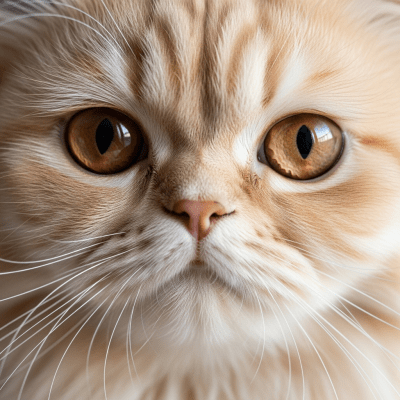
Persians are medium to large cats with a sturdy, cobby body, short legs, and a broad chest. Their most striking feature is the flat-faced, brachycephalic head: large, round, with a short nose and full cheeks. The coat is exceptionally long, dense, and silky, flowing in a dramatic mane around the neck and pluming the tail. Eye color varies, often copper, blue, or odd-eyed, depending on coat color. The overall impression is one of plush elegance and softness, with a gentle, expressive gaze.
Persians are cherished as companion animals and show cats, renowned for their calm, affectionate nature and low activity level. They thrive in quiet, stable environments and form strong bonds with their families. Their gentle disposition makes them ideal for indoor living, and their striking appearance ensures their popularity in advertising and media. Unlike some breeds, Persians are not known for hunting or working roles; their primary function is as loving, ornamental companions.
Bring this kind into your world illustrated posters, mugs, and shirts.
Archival print, museum-grade paper
Buy Poster
Stoneware mug, dishwasher safe
Buy Mug
Soft cotton tee, unisex sizes
Buy ShirtPersians have long been symbols of luxury and refinement, appearing in art, literature, and film as emblems of elegance and serenity. Their distinctive look has made them favorites in advertising, fashion photography, and popular culture, often representing the quintessential "fancy cat." The breed’s prominence in cat shows and its association with royalty and celebrities have further cemented its status as an icon among domestic cats.
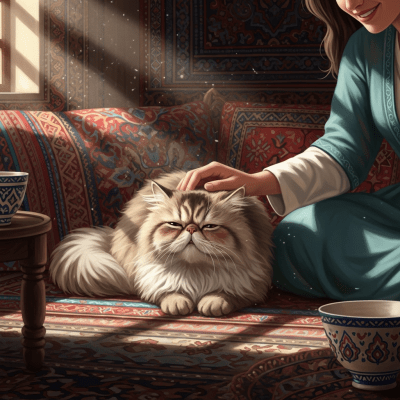
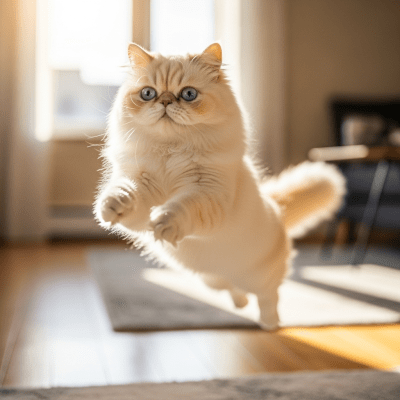
Persians are known for their gentle, quiet, and affectionate temperament. They are typically laid-back, preferring lounging and cuddling to active play. Persians are sensitive to their environment and thrive in peaceful households, making them excellent companions for those seeking a calm, loving pet. They are generally tolerant and sociable, though they may be reserved with strangers.
Common health issues in Persians include respiratory problems due to their brachycephalic facial structure, polycystic kidney disease (PKD), and tear duct overflow. With proper care, Persians typically live 12 to 17 years. Regular veterinary checkups and attention to their unique needs are essential for maintaining their health and well-being.
Persians require daily grooming to prevent tangles and matting in their long, dense coats. Regular bathing and cleaning of the face, especially around the eyes, are recommended due to tear duct overflow. Owners should also monitor for signs of respiratory distress and maintain a clean, stress-free environment. Routine veterinary care is vital to address breed-specific health concerns.
Persians are recognized in an extraordinary range of colors and patterns, including solid (white, black, blue, red, cream), tabby, bicolor, calico, smoke, and shaded varieties. Eye color often complements the coat, with copper, blue, and odd-eyed Persians being especially prized. Registry standards may further divide Persians into color divisions or subtypes.
In the United Kingdom, Persians are often referred to as "Longhair" or "Persian Longhair" by the GCCF. Some registries distinguish subtypes such as the "Himalayan" (colorpoint Persian) and "Exotic Shorthair" (shorthaired Persian variant), which may be classified as separate breeds or divisions. In Europe, "Persian" commonly denotes all longhaired cats of this type, reflecting regional naming conventions and breed standards.