
Oriental Longhair
The Oriental Longhair is an elegant domestic cat breed celebrated for its elongated physique, luxurious semi-long coat, and remarkable variety of colors and patterns.
The Oriental Longhair is an elegant domestic cat breed celebrated for its elongated physique, luxurious semi-long coat, and remarkable variety of colors and patterns.
Originating in the United Kingdom in the late 20th century, the Oriental Longhair was developed as a longhaired counterpart to the Oriental Shorthair. Breeders selectively crossed Siamese, Oriental Shorthair, Balinese, and Angora cats to achieve the breed’s signature longhaired look. First recognized by FIFe in 1981 under the name "Javanese," it was later renamed to avoid confusion with the North American Javanese, which refers to a Balinese variant. The breed’s ancestry is firmly rooted in the Siamese group, with intentional breeding for both beauty and temperament.
The Oriental Longhair belongs to the species Felis catus and is classified as a distinct breed within the broader Oriental and Siamese family. It is grouped with other Oriental breeds, such as the Oriental Shorthair and Siamese, and is recognized by major registries like FIFe and TICA. Some organizations may classify it alongside its shorthaired relatives or as part of the longhair group, highlighting its close genetic and historical ties to the Siamese lineage.
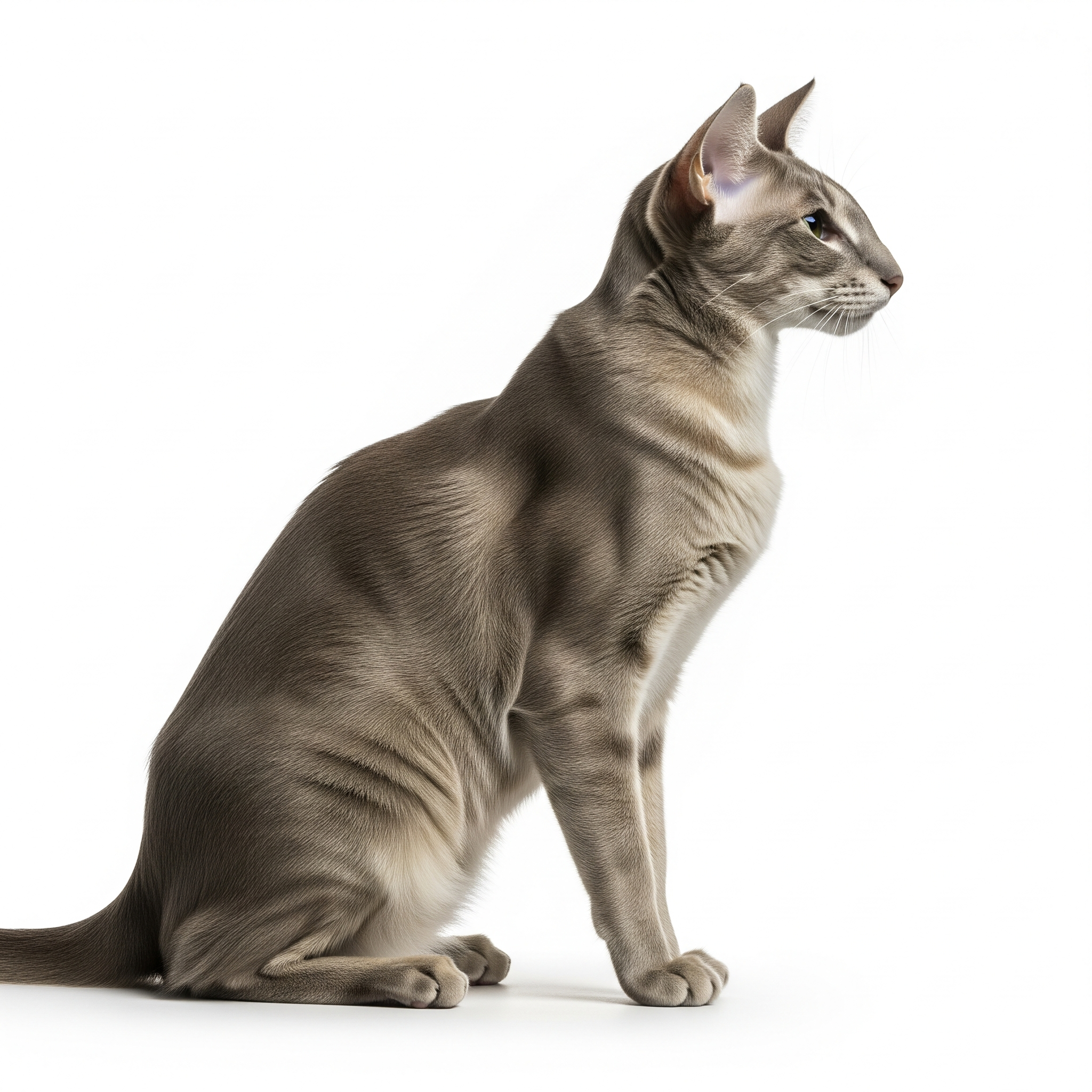
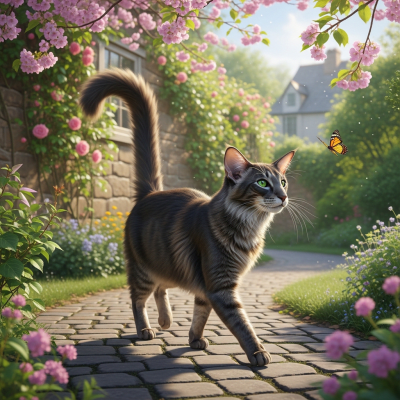
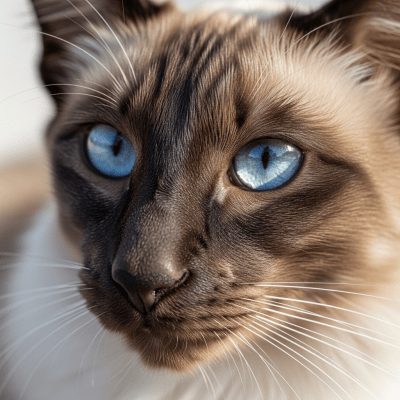
This breed features a medium-sized, elongated tubular body, slender legs, and a whip-like tail. Its head is wedge-shaped, adorned with large, flaring ears and almond-shaped eyes—typically green, though blue or odd-eyed individuals appear in white cats. The semi-long, fine, and silky coat lies close to the body, with minimal undercoat, resulting in a flowing, elegant appearance that resists matting. Oriental Longhairs are famed for their dazzling array of over 300 recognized colors and patterns, from solid and tabby to tortoiseshell, smoke, and bicolor.
Oriental Longhairs are highly active, intelligent, and social cats. They thrive on interaction, forming strong bonds with humans and other pets, and are known for their vocal nature and playful energy. Their affectionate disposition and striking looks make them prized companions and popular show cats among enthusiasts who value both personality and beauty. The breed is maintained by registered breeders and is sought after for its lively presence in the home.
Bring this kind into your world illustrated posters, mugs, and shirts.
Archival print, museum-grade paper
Buy Poster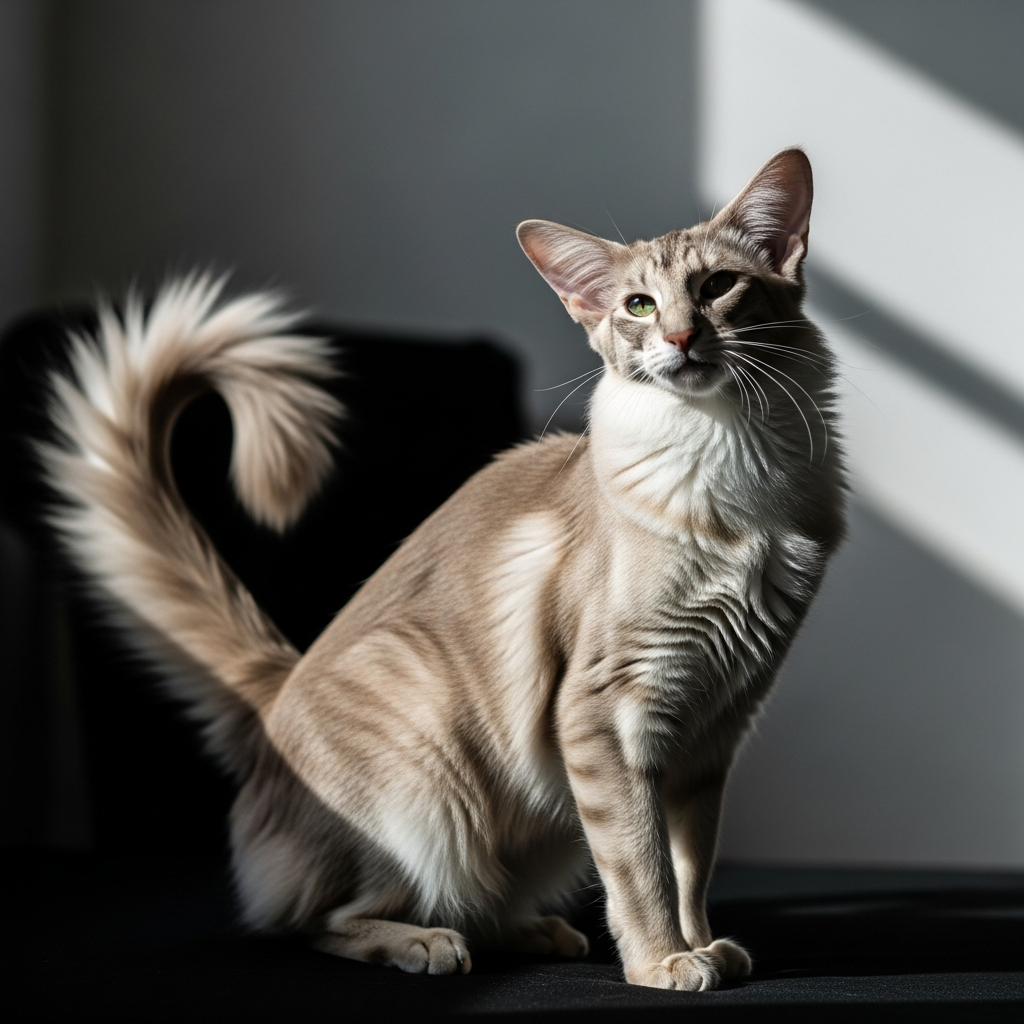
Stoneware mug, dishwasher safe
Buy Mug
Soft cotton tee, unisex sizes
Buy ShirtWhile the Oriental Longhair does not have ancient mythological roots, its development and popularity reflect the modern fascination with elegant, expressive cat breeds. The breed’s wide palette of colors and graceful form have made it a favorite in cat shows and among feline aficionados, symbolizing the artistry and diversity of contemporary cat breeding. Its shifting names and standards across regions also highlight the global nature of pedigree cat culture.
Recognized by: Fédération Internationale Féline (FIFe) and The International Cat Association (TICA). Not recognized by Cat Fanciers’ Association (CFA).
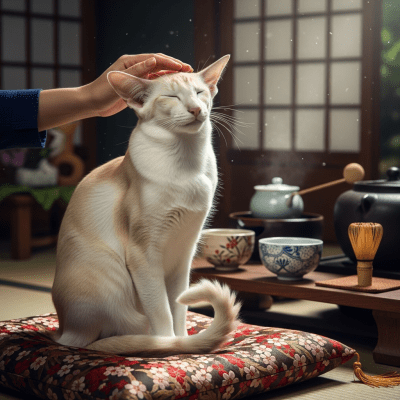
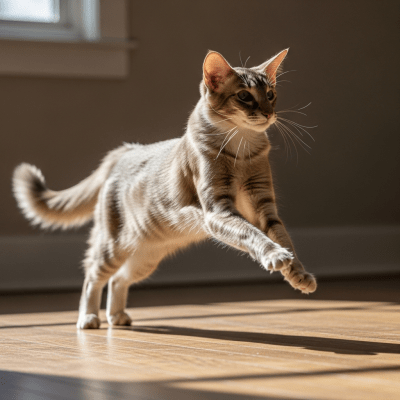
Oriental Longhairs are lively, vocal, and highly intelligent. They are affectionate, forming deep attachments to their families, and enjoy interactive play and companionship. Their social nature means they do best in environments where they receive ample attention and stimulation, making them ideal for households seeking an engaging, communicative pet.
Oriental Longhairs generally enjoy robust health, with no breed-specific resistances or weaknesses documented. However, some lines may be predisposed to genetic conditions common in Siamese-related breeds, such as progressive retinal atrophy and amyloidosis. Lifespan typically aligns with that of domestic cats, and the breed reaches maturity between 1 and 2 years of age.
Moderate grooming is recommended for the Oriental Longhair. Its fine, silky coat resists matting due to the lack of a dense undercoat, so regular brushing helps maintain its luster and minimizes shedding. Routine care should include dental hygiene, nail trimming, and annual veterinary checkups to ensure overall well-being.
The breed is celebrated for its extraordinary range of coat colors and patterns—over 300 are recognized. These include solid shades, tabby stripes, tortoiseshell blends, smoke effects, and bicolor combinations. Eye color is typically green, though blue or odd-eyed cats are seen in white-coated individuals.
While no individual Oriental Longhair has achieved widespread fame in popular media, the breed is a frequent standout at international cat shows, where its elegance and diversity of color are regularly celebrated by judges and enthusiasts alike.
Regional naming conventions can cause confusion: in North America, "Javanese" refers to a Balinese variant, not the Oriental Longhair. In Europe, the breed was originally called "Javanese" before being renamed. Some registries may group the Oriental Longhair with Oriental Shorthair and Siamese breeds, and standards may differ slightly between organizations.