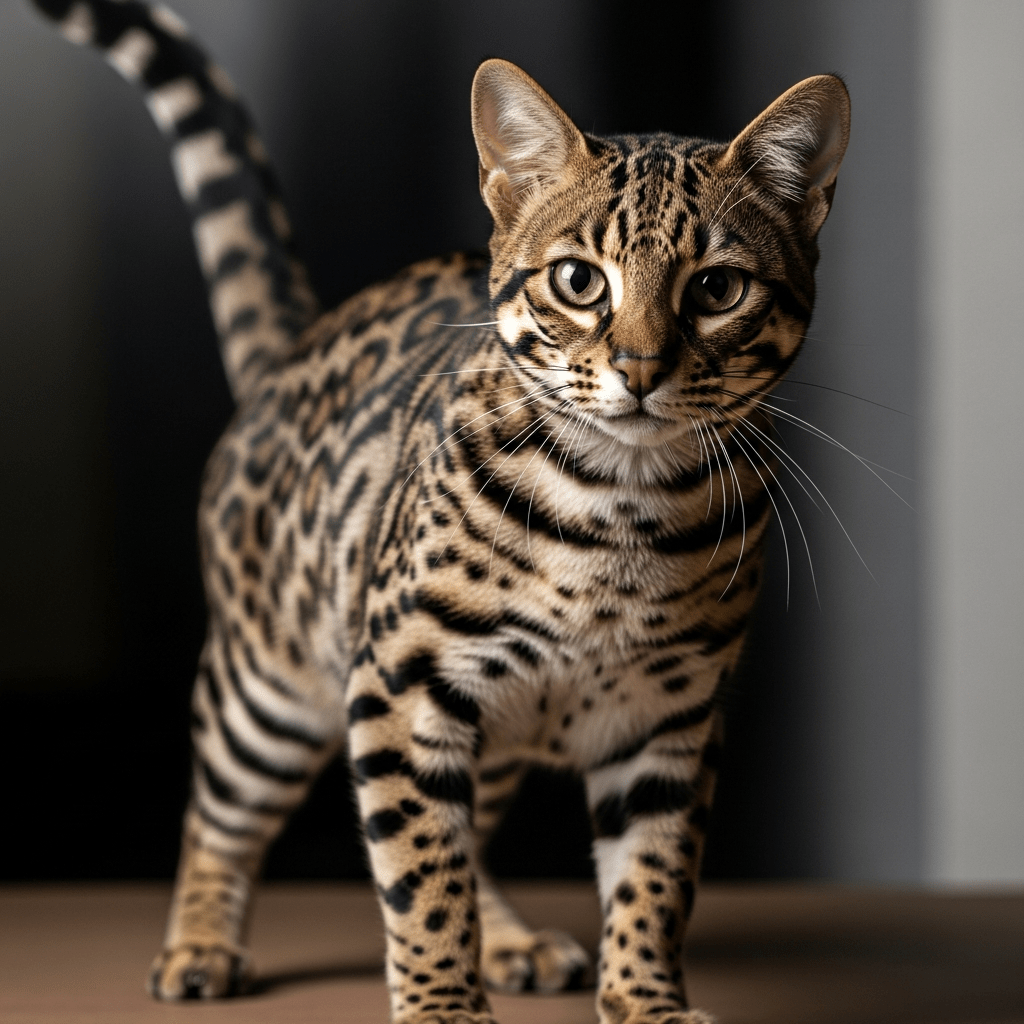
Ocicat
The Ocicat is a striking domestic cat breed celebrated for its wild-looking, spotted coat and energetic, affectionate personality—yet it is entirely of domestic origin.
The Ocicat is a striking domestic cat breed celebrated for its wild-looking, spotted coat and energetic, affectionate personality—yet it is entirely of domestic origin.
Originating in Michigan, United States, in 1964, the Ocicat was first bred by Virginia Daly through an experimental cross between Siamese and Abyssinian cats. The initial goal was to produce an Abyssinian-pointed Siamese, but the result was a kitten with a unique spotted pattern, named Tonga. Further breeding with American Shorthairs refined the breed’s athletic physique and enhanced its distinctive markings. Despite its resemblance to the wild ocelot, the Ocicat’s lineage is purely domestic, and its name pays homage to its exotic appearance rather than wild ancestry. The breed achieved formal recognition from major cat registries beginning in 1987.
The Ocicat belongs to the species Felis catus and is classified as a recognized domestic cat breed. It is not a hybrid and contains no wild cat genes, despite its ocelot-like spots. The breed is grouped among shorthair cats and is acknowledged by all major international cat registries, including CFA, TICA, FIFe, GCCF, ACFA, and WCF.
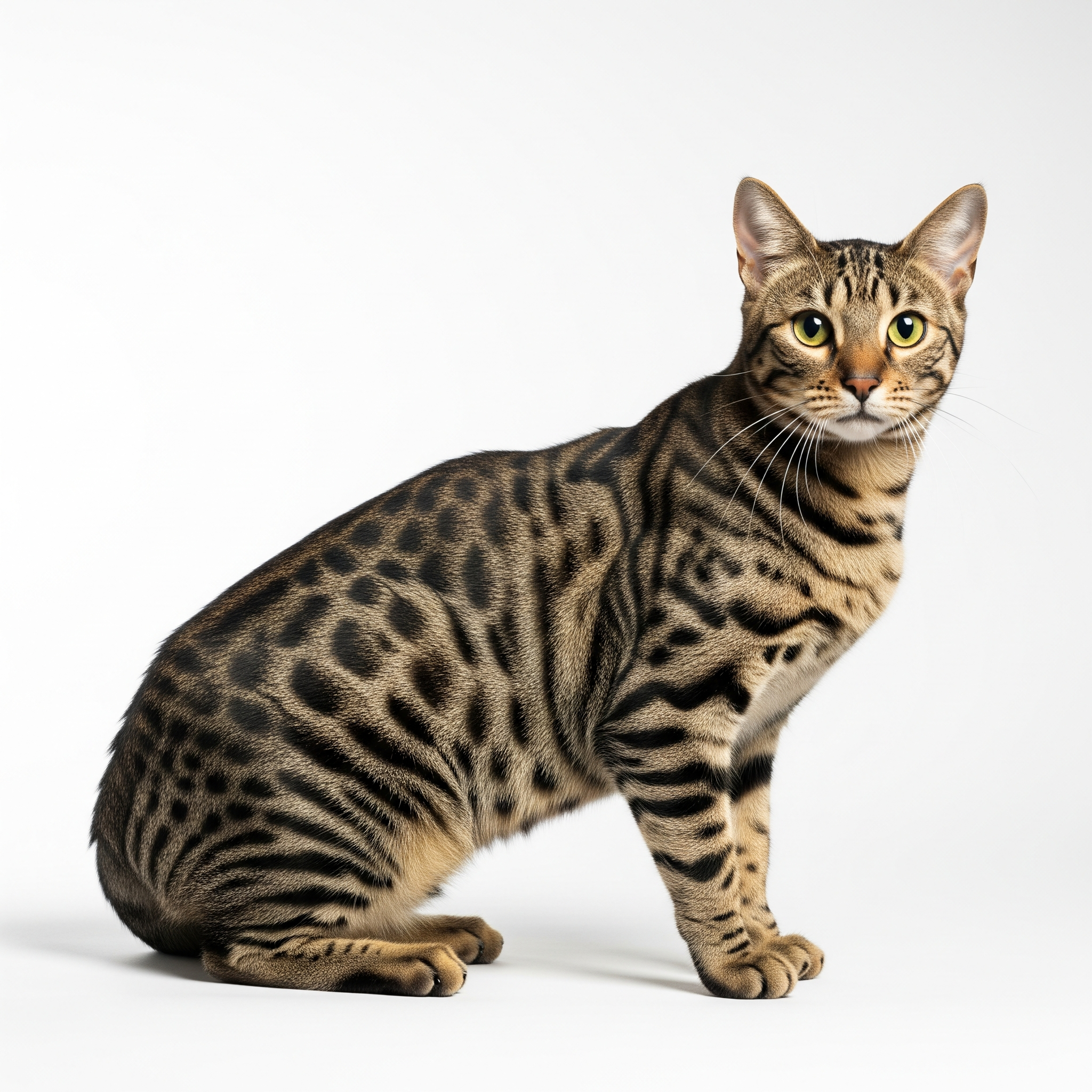
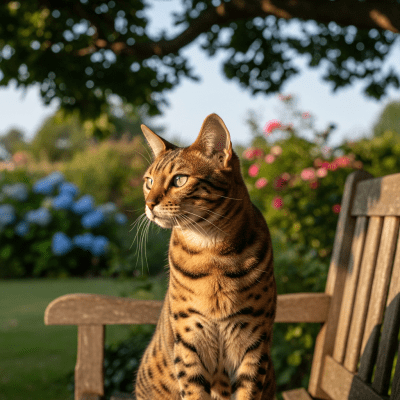
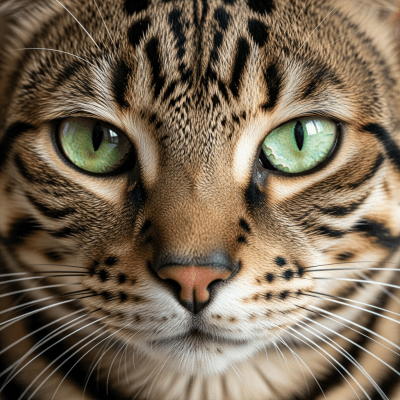
Ocicats are medium to large cats with a muscular, athletic build and a short, satiny coat that lies close to the body. Their most notable feature is the array of well-defined, thumbprint-shaped spots that cover the body, giving a dramatic, wild look. The breed’s head is wedge-shaped, adorned with large almond-shaped eyes and moderately large ears, sometimes tufted. Coat colors span twelve recognized shades, including tawny, chocolate, cinnamon, blue, lavender, and fawn, with both silver and non-silver variants. The overall impression is one of elegance, power, and vivid patterning.
Ocicats are highly interactive companion animals, renowned for their intelligence, playfulness, and adaptability. They thrive in active households, enjoy engaging with people, and often excel in agility competitions and training. Their outgoing nature makes them excellent family pets, and their sociability allows them to get along well with children and other pets. The breed’s exotic appearance is a favorite in cat shows, but its true value lies in its affectionate and lively temperament.
Bring this kind into your world illustrated posters, mugs, and shirts.
Archival print, museum-grade paper
Buy Poster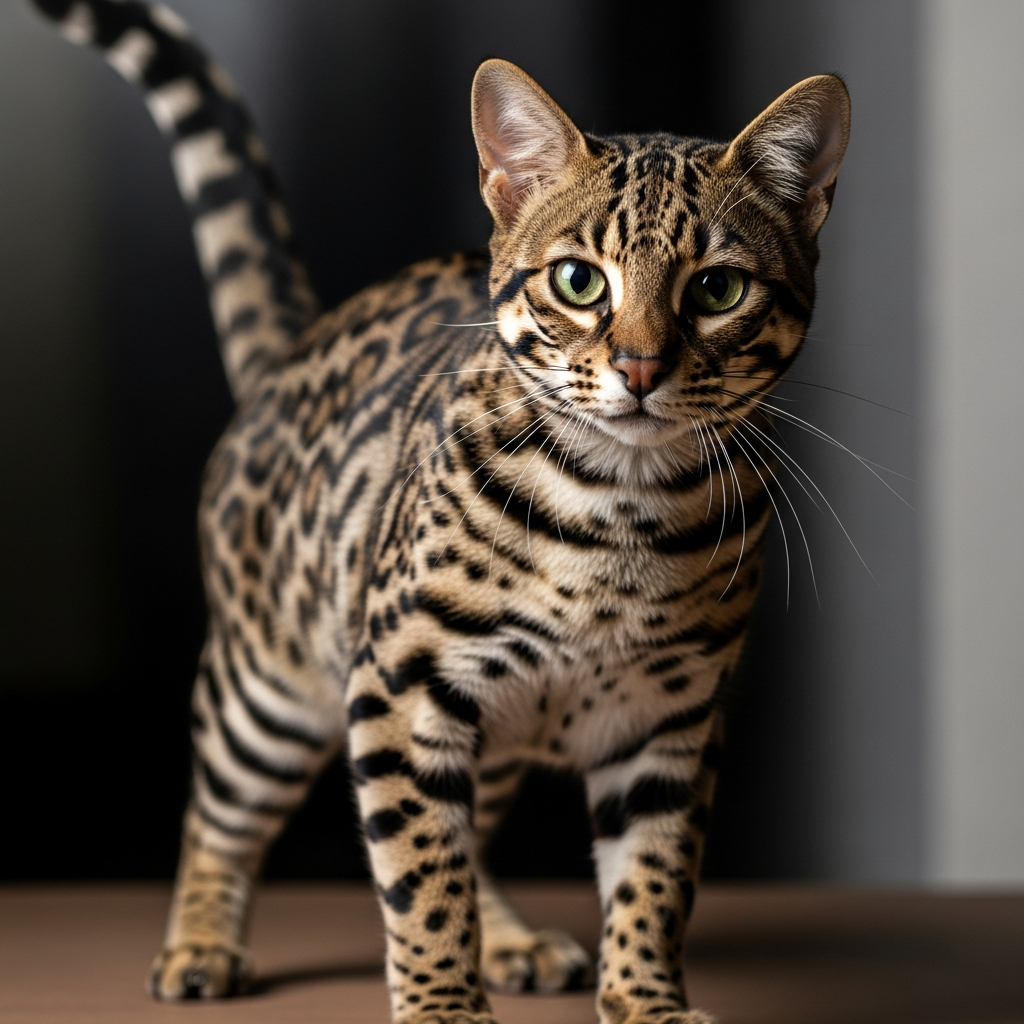
Stoneware mug, dishwasher safe
Buy Mug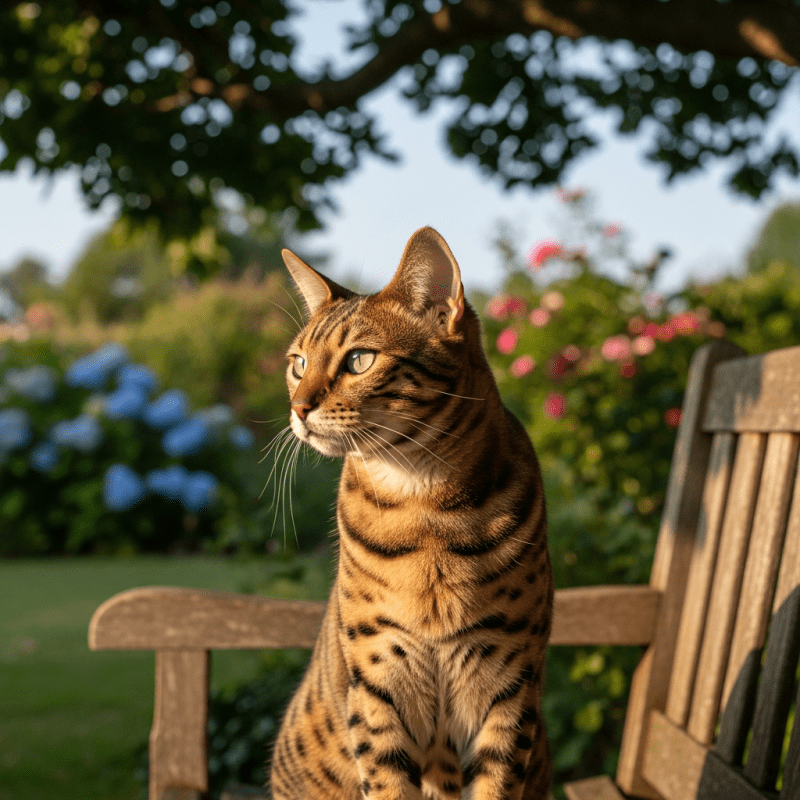
Soft cotton tee, unisex sizes
Buy ShirtThe Ocicat’s wild-inspired beauty has made it a popular choice in cat shows and pet circles, often admired for its resemblance to the ocelot. Its creation story—an intentional blend of domestic breeds to mimic a wild look—reflects a fascination with the exotic in modern cat breeding. While not widely featured in art or folklore, the Ocicat’s presence in international competitions and its status as a symbol of successful selective breeding have earned it a place in contemporary feline culture.

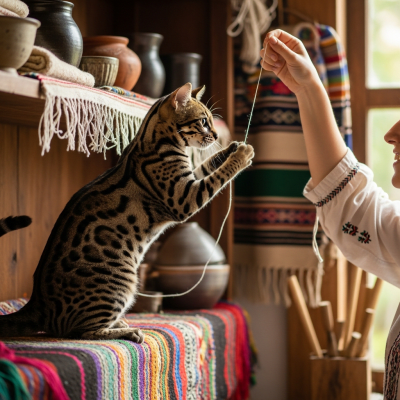
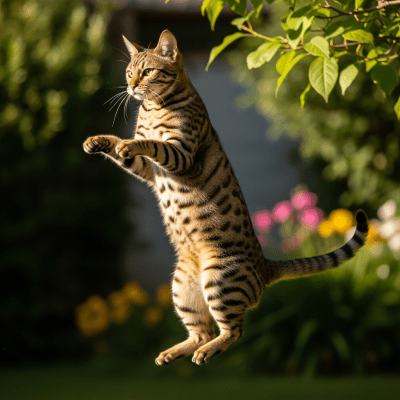
Ocicats are outgoing, affectionate, and highly intelligent. They are playful and energetic, often seeking interaction with their human companions. Their adaptable nature makes them well-suited to busy households, and they typically get along well with children and other pets. Ocicats are known for their curiosity, trainability, and strong social bonds, making them both entertaining and loving companions.
Ocicats are generally robust and healthy, with a typical lifespan of 12 to 15 years. There are no widely reported breed-specific genetic disorders, though some lines may carry genes for progressive retinal atrophy or hypertrophic cardiomyopathy. Routine veterinary care and a healthy lifestyle support their longevity and well-being.
Ocicats require minimal grooming thanks to their short, satiny coat. Weekly brushing is usually sufficient to keep their fur in top condition and reduce shedding. Regular dental care, nail trimming, and routine health checks are recommended. Their active nature benefits from interactive play and environmental enrichment.
The Ocicat’s coat features well-defined, thumbprint-shaped spots in twelve recognized colors: tawny, chocolate, cinnamon, blue, lavender, and fawn, with both silver and non-silver variants. The pattern is bold and evenly distributed, contributing to the breed’s wild, exotic look. Eye color is expressive and varies, complementing the vivid coat.
While no individual Ocicat has reached global celebrity status, the breed’s original progenitor, Tonga, is notable as the first Ocicat ever bred. Ocicats are frequently featured in cat shows and breed competitions, where their striking appearance and lively temperament draw attention and accolades.
The Ocicat is recognized internationally with no significant regional variants. Occasionally, the breed may be referred to by its color variant, such as "Silver Ocicat," but these distinctions do not constitute separate breeds or types.