Neva Masquerade
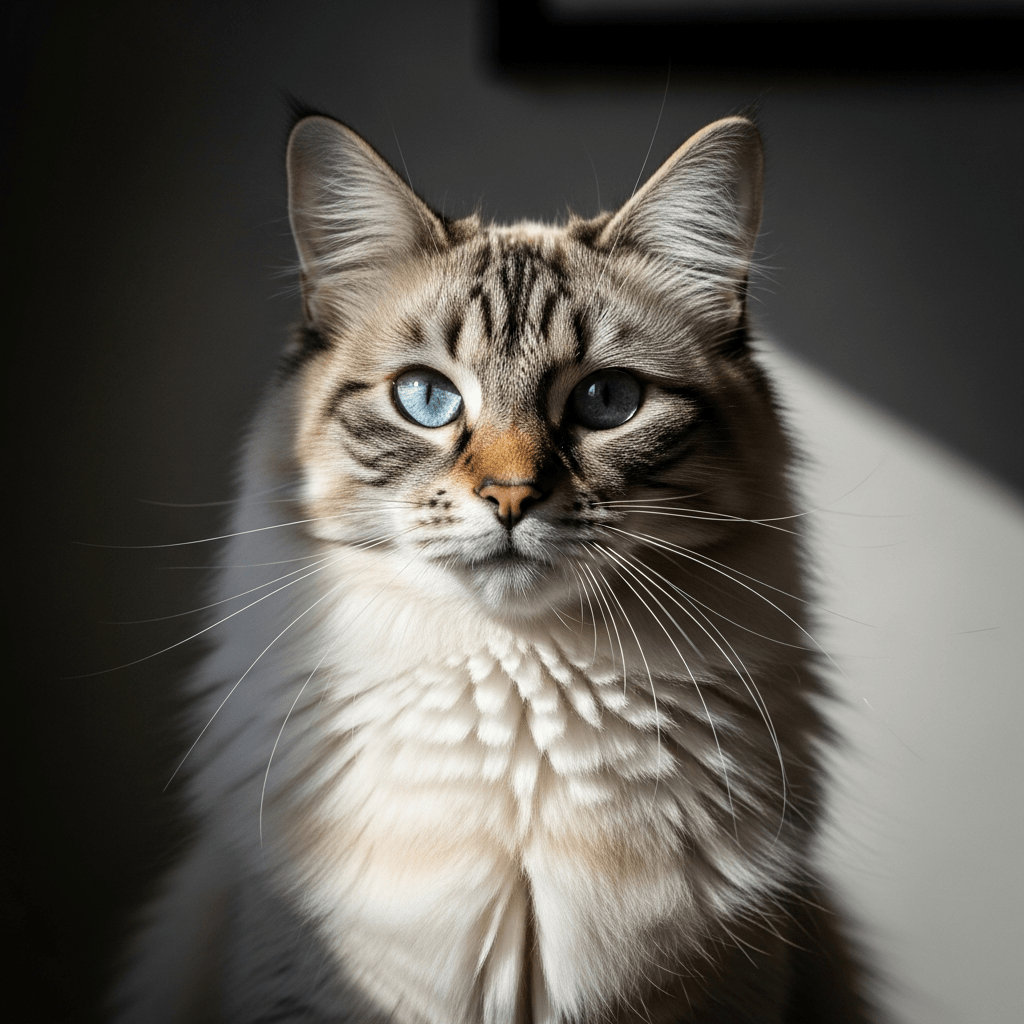
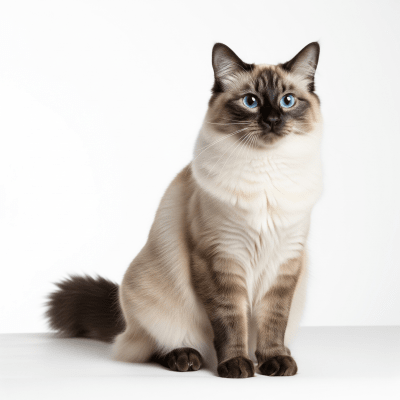
The Neva Masquerade is a colorpoint variety of the Siberian cat, instantly recognizable for its vivid blue eyes and dramatic mask-like facial markings.
The Neva Masquerade is a colorpoint variety of the Siberian cat, instantly recognizable for its vivid blue eyes and dramatic mask-like facial markings.
Originating in Russia, the Neva Masquerade draws its name from the Neva River in St. Petersburg and the masquerade-like pattern on its face. This breed emerged in the late 20th century through natural and selective breeding of Siberian cats carrying the colorpoint gene, with possible influence from Siamese crosses. Its development reflects both regional pride and a fascination with striking feline beauty.
The Neva Masquerade is classified as a domestic cat (Felis catus), specifically as a colorpoint variant of the Siberian breed. While some registries treat it as a distinct breed, others consider it a subtype within the Siberian group, united by the presence of the colorpoint gene.
Medium to large in size, Neva Masquerades possess a muscular, sturdy frame and a luxurious, triple-layered semi-longhair coat adapted for cold climates. Their most defining feature is the colorpoint pattern: darker hues on the face, ears, legs, and tail, contrasted with a lighter body. The breed’s vivid blue eyes and mask-like facial markings create a captivating, elegant look.
Neva Masquerades are cherished as companion animals, celebrated for their friendly and playful nature. Their robust build and sociable temperament make them well-suited to family life. They are popular in European cat shows, often exhibited under Siberian or Neva Masquerade classes, and their unique appearance continues to attract pet owners seeking both beauty and companionship.
Bring this kind into your world illustrated posters, mugs, and shirts.
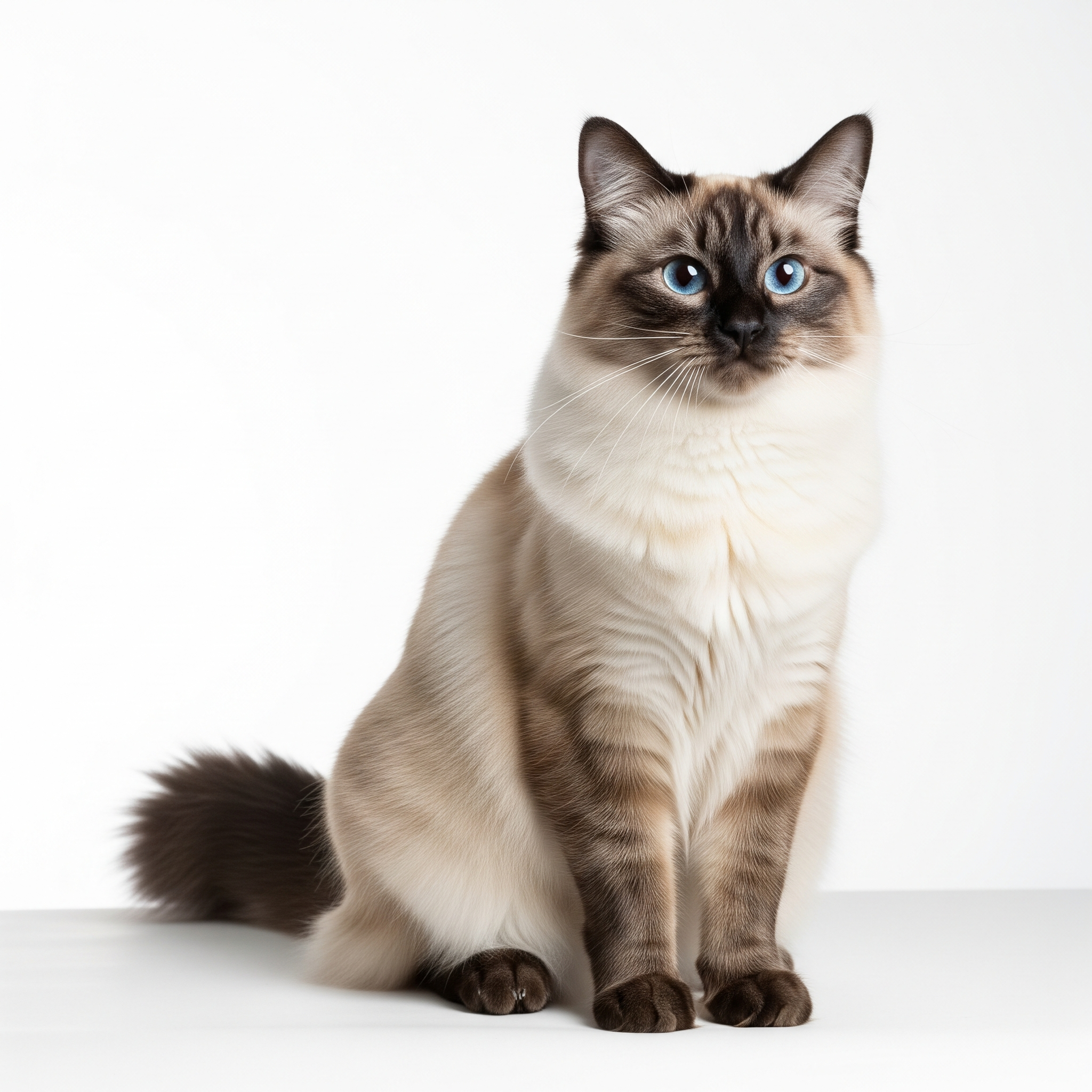
Archival print, museum-grade paper
Buy Poster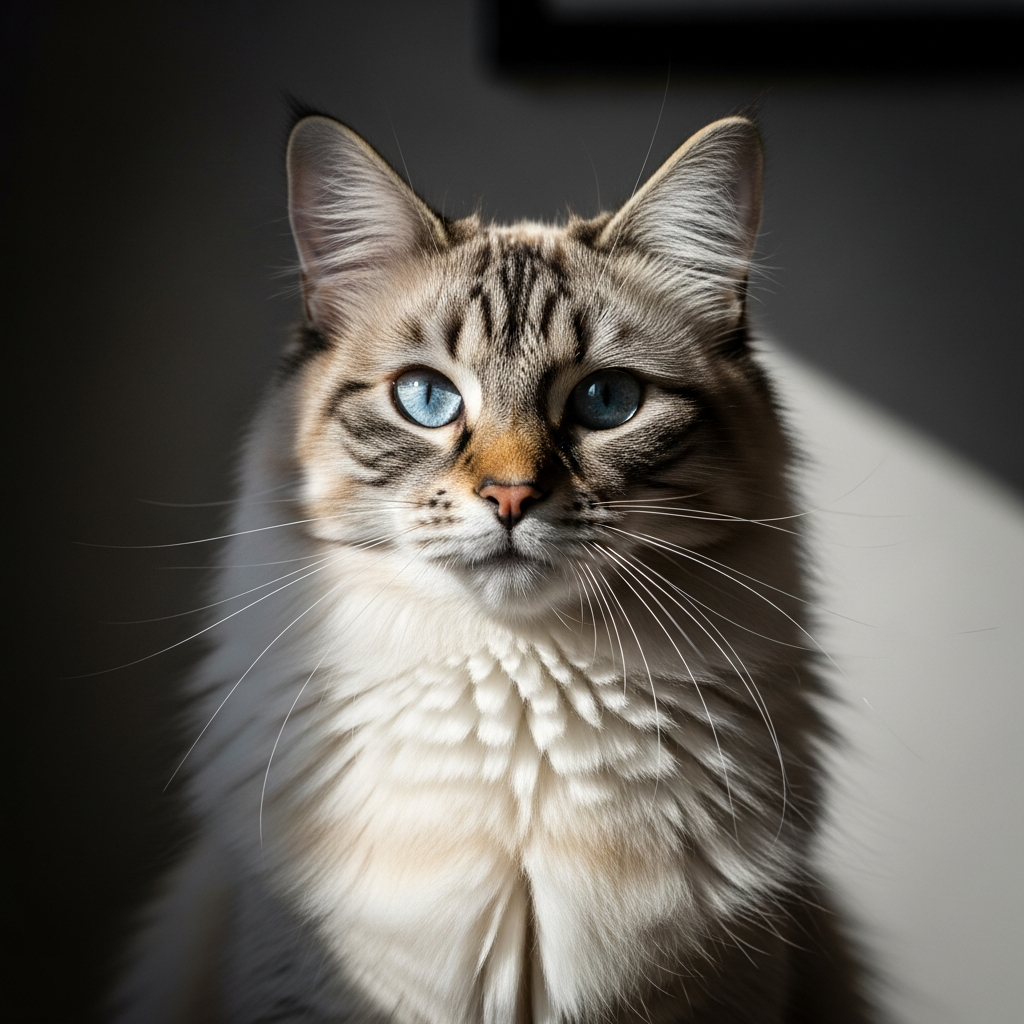
Stoneware mug, dishwasher safe
Buy Mug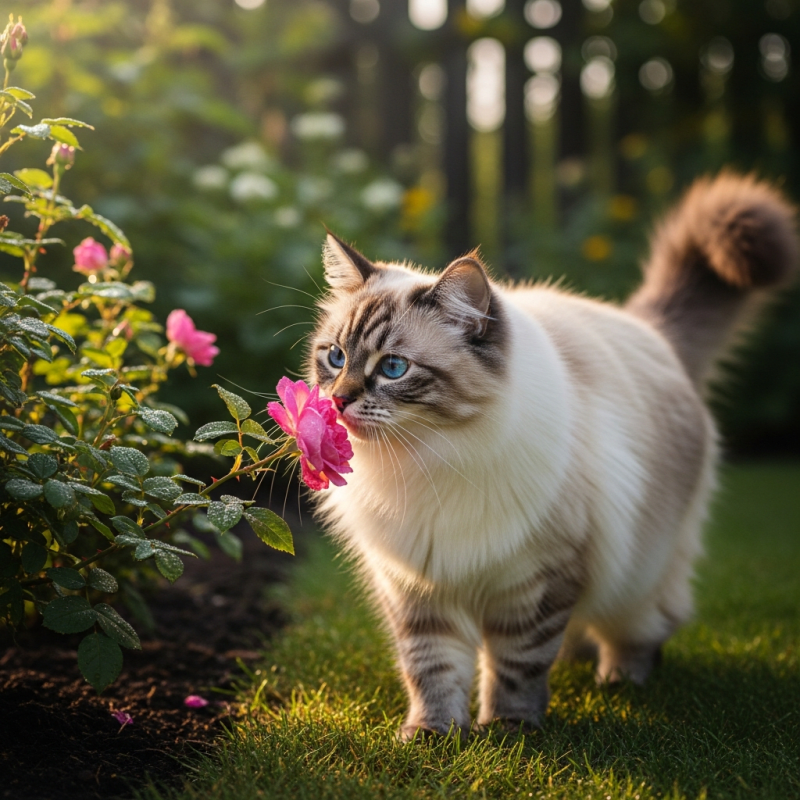
Soft cotton tee, unisex sizes
Buy ShirtThe Neva Masquerade’s name and appearance evoke Russian cultural motifs, with the "masquerade" mask reflecting festive traditions. Its growing popularity in Russia and Europe has made it a symbol of modern feline elegance, and its presence in shows and media highlights the breed’s distinctive allure.
Major recognition comes from the Fédération Internationale Féline (FIFe) and the World Cat Federation (WCF), which list the Neva Masquerade as a distinct breed or variety. Other registries, such as CFA and TICA, recognize the Siberian but do not list Neva Masquerade separately.
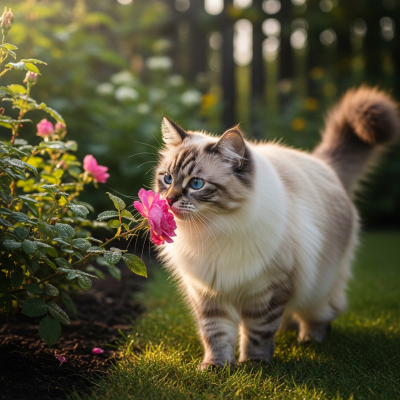
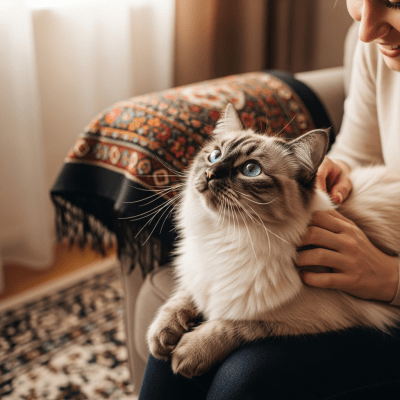


Neva Masquerades are known for their affectionate, playful, and sociable personalities. They thrive on human interaction, adapt well to families, and enjoy engaging in games and exploration. Their gentle nature and robust health make them both lively companions and steadfast friends.
Generally robust and hardy, Neva Masquerades share the Siberian’s reputation for good health. Some lines may carry the PKD gene, but breed-specific health issues are rare. Their slow maturation process means they reach full adulthood at around three years, and they typically enjoy a long, healthy life.
Regular grooming is essential for the Neva Masquerade’s dense, triple-layered coat. Weekly brushing helps prevent tangles and matting, especially during seasonal shedding. Routine care should also include dental hygiene, nail trimming, and periodic health checks to maintain overall well-being.
The breed displays a classic colorpoint pattern: darker coloration on the face, ears, legs, and tail, with a lighter body. Accepted point colors include seal, blue, red, cream, and tortie, with or without tabby markings. All Neva Masquerades feature vivid blue eyes.
While individual Neva Masquerades may not be widely known in popular media, the breed enjoys growing fame in European and Russian cat shows, often winning accolades for its striking appearance and friendly demeanor.
The term "Neva Masquerade" is most commonly used in Russia and Europe. Some registries treat it as a separate breed, while others classify it as a color variety of the Siberian. Alternate names such as "Colorpoint Siberian" and "Maskaradnaya" reflect these regional distinctions.