Munchkin

The Munchkin is a domestic cat breed instantly recognizable for its short legs, a trait caused by a natural genetic mutation. Celebrated for its playful and affectionate nature, the Munchkin stands out among feline companions for both its appearance and personality.

Origin Story

The Munchkin originated in the United States, specifically Louisiana, during the early 1980s. Its development began when breeders Sandra Hochenedel and Louisianne Petit discovered short-legged stray cats and initiated a selective breeding program. The breed’s defining feature—a shortened limb length—arises from an autosomal dominant gene, not crossbreeding. Public debut came in 1991 at Madison Square Garden, marking its formal introduction to the cat world.

Classification

The Munchkin is classified within the species Felis catus, the domestic cat. It is recognized as a distinct breed by several major registries, including TICA, ACFA, FIFe (experimental status), and WCF. Its unique morphology—short legs—is the result of a naturally occurring genetic variation, distinguishing it from other breeds within the domestic cat taxonomy. Unlike hybrid breeds, the Munchkin’s lineage stems solely from domestic cats with spontaneous mutations.

Appearance or Form

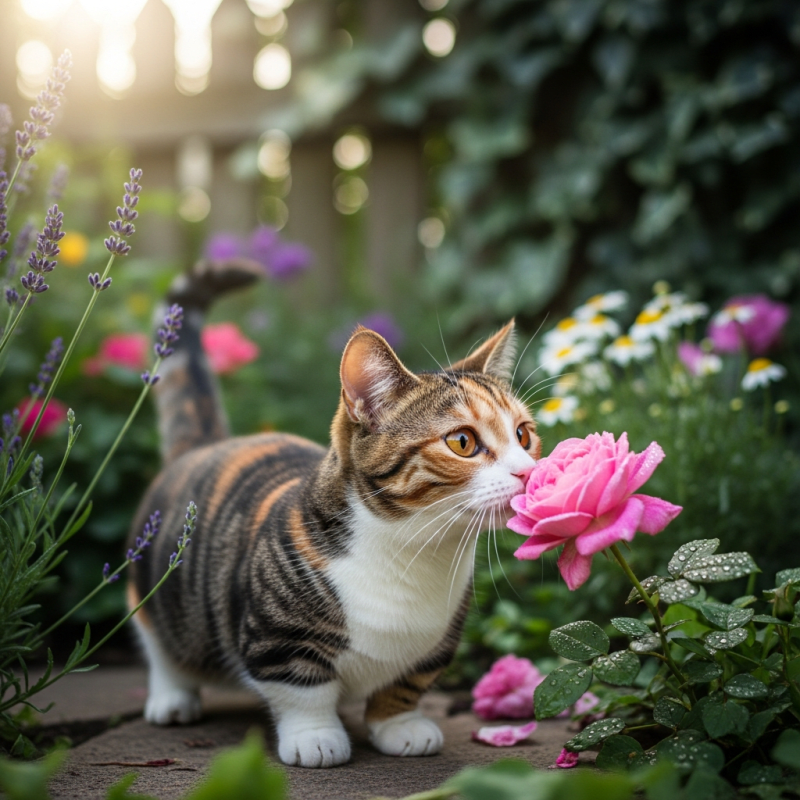
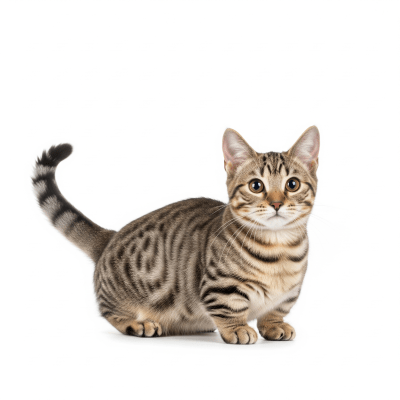
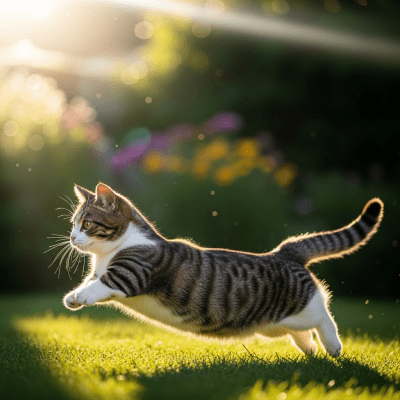
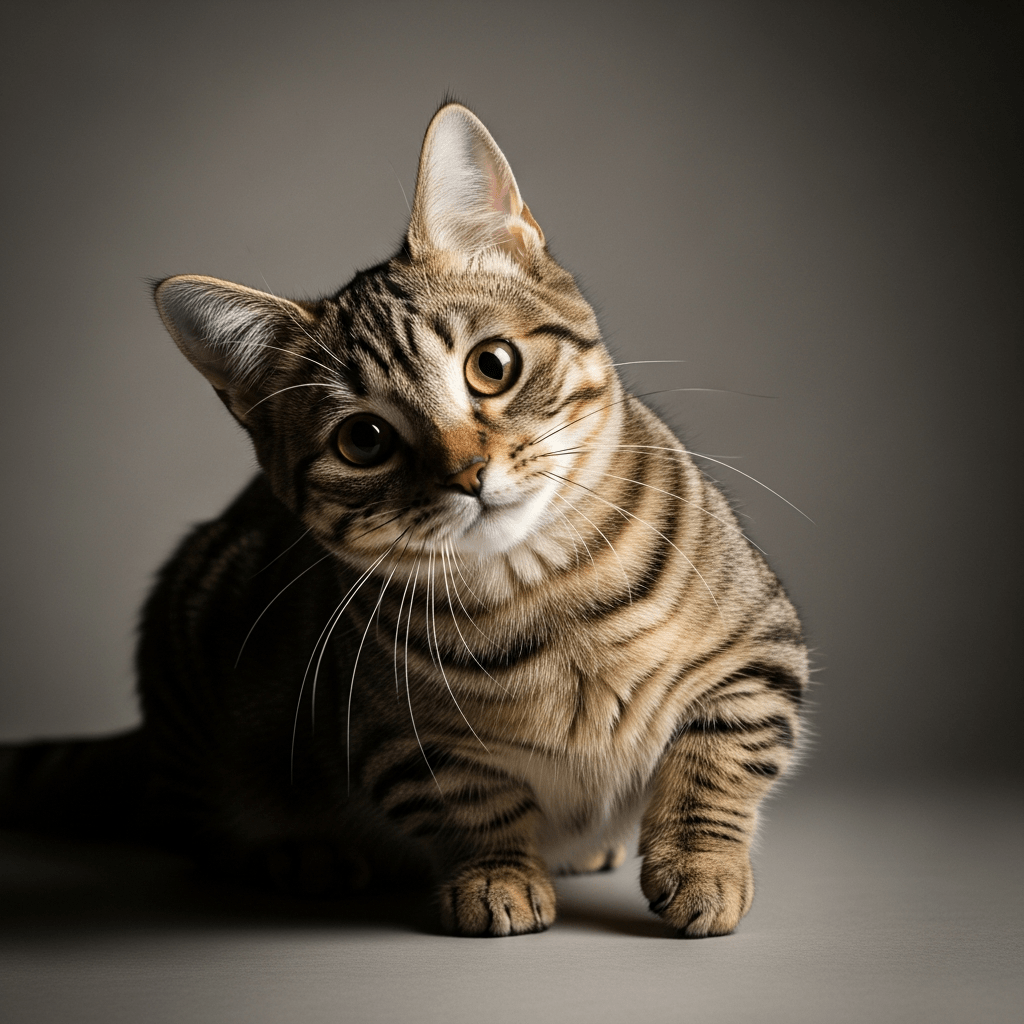
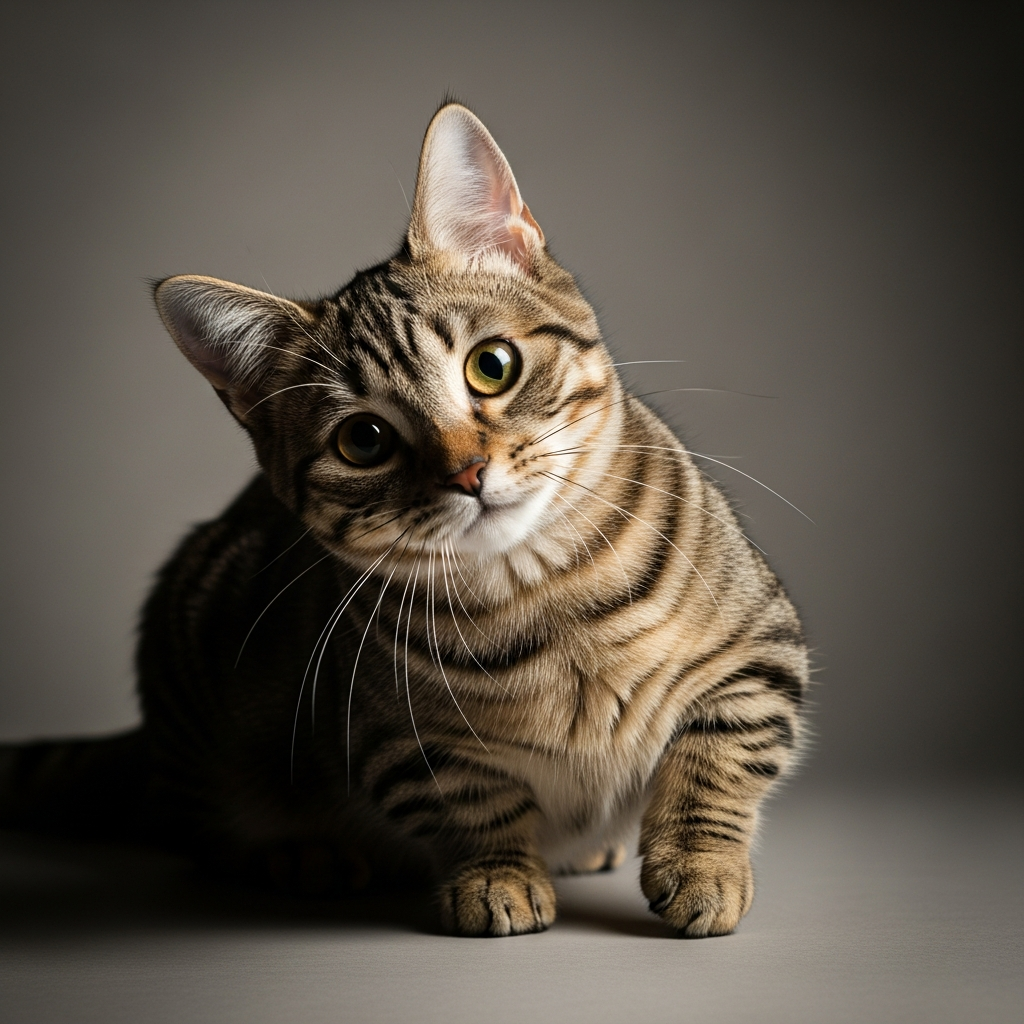
Munchkins are small to medium-sized cats, typically weighing between 2.5 and 4 kg (5.5–9 lbs). Their most striking feature is their short legs, which give them a low-slung, compact silhouette. Despite their stature, they possess a muscular, well-developed body and move with surprising agility. The breed comes in both short and long-haired varieties, and all coat colors and patterns are possible, making each Munchkin visually unique. Their energetic gait and expressive faces contribute to their lively charm.

Behavior or Usage

Munchkins are cherished as companion animals, known for their sociable and playful disposition. They adapt well to various living environments and enjoy interactive play, often displaying kitten-like enthusiasm well into adulthood. While their short legs limit their jumping ability compared to other cats, they are agile and quick on their feet. The breed is popular in pet households and cat shows, valued for its affectionate nature and ability to bond closely with humans.

Merchandise & Prints

Bring this kind into your world � illustrated posters, mugs, and shirts.

Munchkin Munchkin Poster

Munchkin Poster

Archival print, museum-grade paper

Munchkin Munchkin Mug

Munchkin Mug

Stoneware mug, dishwasher safe

Munchkin Munchkin Shirt

Munchkin Shirt

Soft cotton tee, unisex sizes

Attributes & Insights

Taxon-Specific Insights

🌍Cultural Significance

The Munchkin’s distinctive appearance has made it a frequent subject in media, advertising, and internet culture, often celebrated for its "cute" and whimsical look. However, its popularity has also sparked ethical debates regarding selective breeding and animal welfare, leading to varied acceptance across regions and registries. The breed’s story reflects broader discussions about the responsibilities of breeders and the impact of novelty breeds on feline health and welfare.

📌Notable Facts

  • The Munchkin’s short legs result from a naturally occurring genetic mutation, not crossbreeding.
  • Despite their stature, Munchkins are energetic, agile, and love to play.
  • The breed is not universally recognized; some major registries and countries restrict or ban it due to welfare concerns.
  • Munchkins can have any coat color or pattern, making them visually diverse.
  • The breed was first introduced to the public at Madison Square Garden in 1991.

📜Breed Recognition

  • The International Cat Association (TICA)
  • Fédération Internationale Féline (FIFe, experimental status)
  • American Cat Fanciers Association (ACFA)
  • World Cat Federation (WCF)

Not recognized by Cat Fanciers’ Association (CFA) or Governing Council of the Cat Fancy (GCCF).

Visual Variations

High resolution studio photograph of a Munchkin
Naturalistic image of a Munchkin
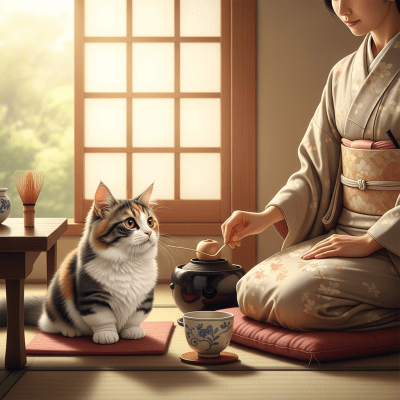
Image of a Munchkin interacting with humans or participating in cultural activities
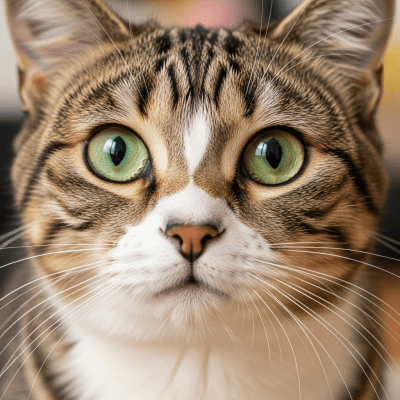
Close-up macro photograph of the face of a Munchkin
Action shot of a Munchkin

Composition & Context

Taxon-Specific Insights

😺Temperament And Personality

Munchkins are renowned for their playful, affectionate, and sociable temperament. They thrive on interaction, enjoy games, and are adaptable to families, singles, and multi-pet households. Their curiosity and gentle nature make them excellent companions, and they tend to retain kitten-like energy well into adulthood.

❤️Health And Lifespan

Munchkins typically live 12–15 years and are generally healthy. While their unique limb structure raises concerns about musculoskeletal issues such as lordosis and pectus excavatum, research has not shown a higher prevalence of these conditions compared to other breeds. No breed-specific disease resistances or vulnerabilities have been documented beyond those associated with their morphology.

🧼Grooming And Care

Grooming needs for Munchkins depend on coat length. Short-haired Munchkins require regular brushing to minimize shedding, while long-haired varieties benefit from more frequent grooming to prevent tangles and mats. Routine care—such as nail trimming, dental hygiene, and regular veterinary check-ups—supports their overall health and well-being.

🎨Common Colors And Patterns

Munchkins can display any coat color and pattern found in domestic cats. The gene responsible for short legs is not linked to coat characteristics, so the breed includes solid, tabby, bicolor, calico, pointed, and more. Eye color varies widely, adding to their visual diversity.

🌟Famous Examples

While no single Munchkin has achieved global celebrity status, the breed has gained widespread attention through viral videos and social media, often featured for its playful antics and distinctive appearance. The breed’s public debut at Madison Square Garden in 1991 remains a landmark event in its history.

🌍Regional Variants

Regional acceptance of the Munchkin varies: some countries restrict or ban the breed due to animal welfare legislation, while others embrace it in pet markets and shows. Recognition status differs among registries, with experimental status in FIFe and full recognition in TICA, ACFA, and WCF. In some areas, the breed may be referred to simply as "short-legged cat."

🔖Synonyms And Nicknames

  • Sausage Cat
  • Short-legged cat

Faq

  • Are Munchkin cats healthy?
    Generally, Munchkins are healthy, though there are concerns about potential musculoskeletal issues. Studies have not shown increased prevalence compared to other cats.
  • Can Munchkin cats jump?
    While their short legs limit their jumping ability, Munchkins are still agile and active.
  • Are Munchkins recognized by all cat registries?
    No. Some major registries, like CFA and GCCF, do not recognize the breed due to welfare concerns.