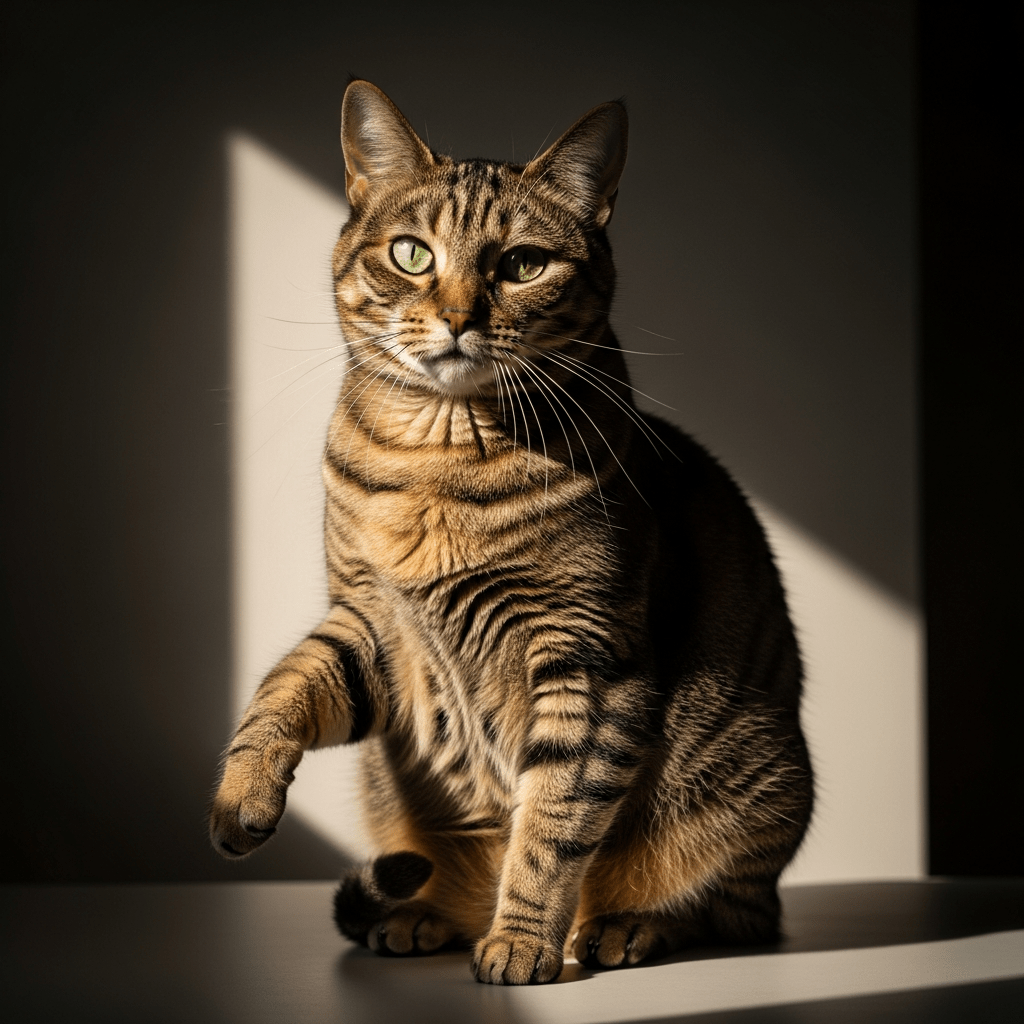
Manx
The Manx is a unique breed of domestic cat famed for its naturally occurring taillessness or short tail, robust rounded body, and playful intelligence.
The Manx is a unique breed of domestic cat famed for its naturally occurring taillessness or short tail, robust rounded body, and playful intelligence.
Originating from the Isle of Man in the Irish Sea, the Manx breed emerged in the early 19th century or earlier when a spontaneous genetic mutation led to tailless cats among the island’s local feline population. The breed developed organically from generations of feral and domestic cats, with no single breeder or institution credited for its establishment. Selective breeding by local and international fanciers formalized the Manx, preserving its signature tail variations and rounded form.
The Manx belongs to the species Felis catus and is classified as a recognized breed of domestic cat. It is universally accepted by all major cat registries, distinguishing itself within the broader family of domestic cats by its unique genetic mutation affecting tail development. The Manx is not a hybrid but a naturally occurring breed, sometimes grouped with its longhaired variant, the Cymric, in breed standards.
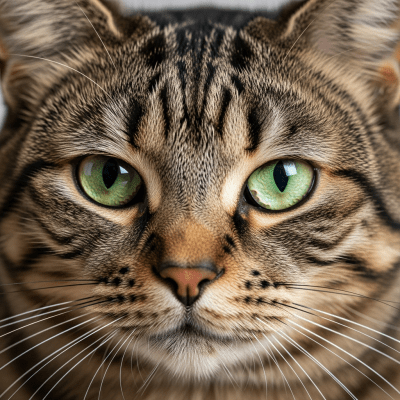
The Manx is medium-sized and muscular, with a compact, rounded body and broad chest. Its most striking feature is its tail, which can range from completely absent ("rumpy") to partially present ("stumpy") or nearly full-length ("longy"). The hind legs are noticeably longer than the forelegs, giving the Manx a distinctive, rabbit-like gait. The head is round with prominent cheeks, large round eyes, and medium-sized ears. The coat is dense and double-layered, offering weather resistance, and may be short or long, with all colors and patterns accepted.
Manx cats are renowned for their agility, intelligence, and affectionate nature. They are playful, interactive companions, often forming strong bonds with their families. Their robust build and energetic disposition make them excellent climbers and jumpers. The breed is primarily kept as a companion animal and show cat, valued for its distinctive look and engaging personality.
Bring this kind into your world illustrated posters, mugs, and shirts.
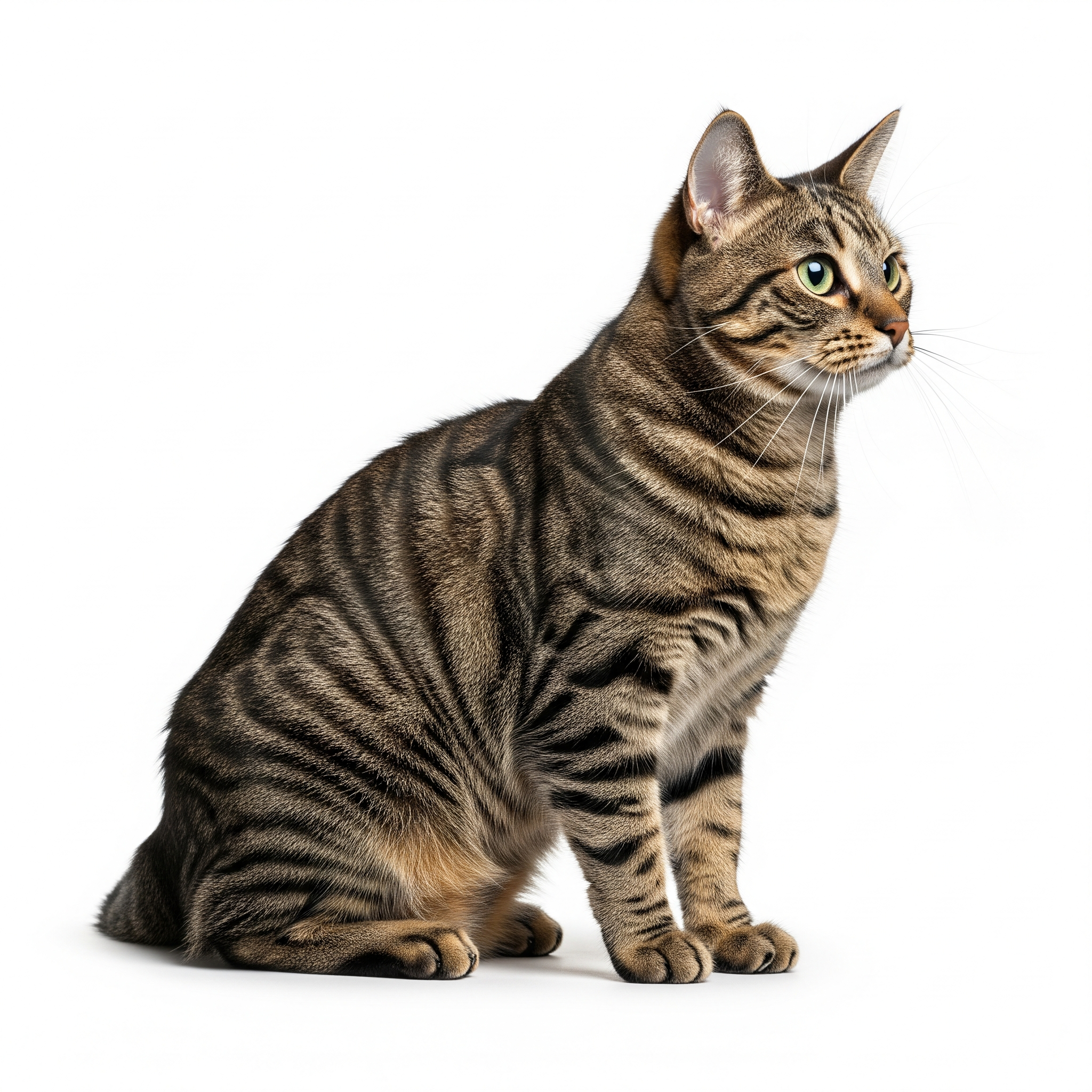
Archival print, museum-grade paper
Buy Poster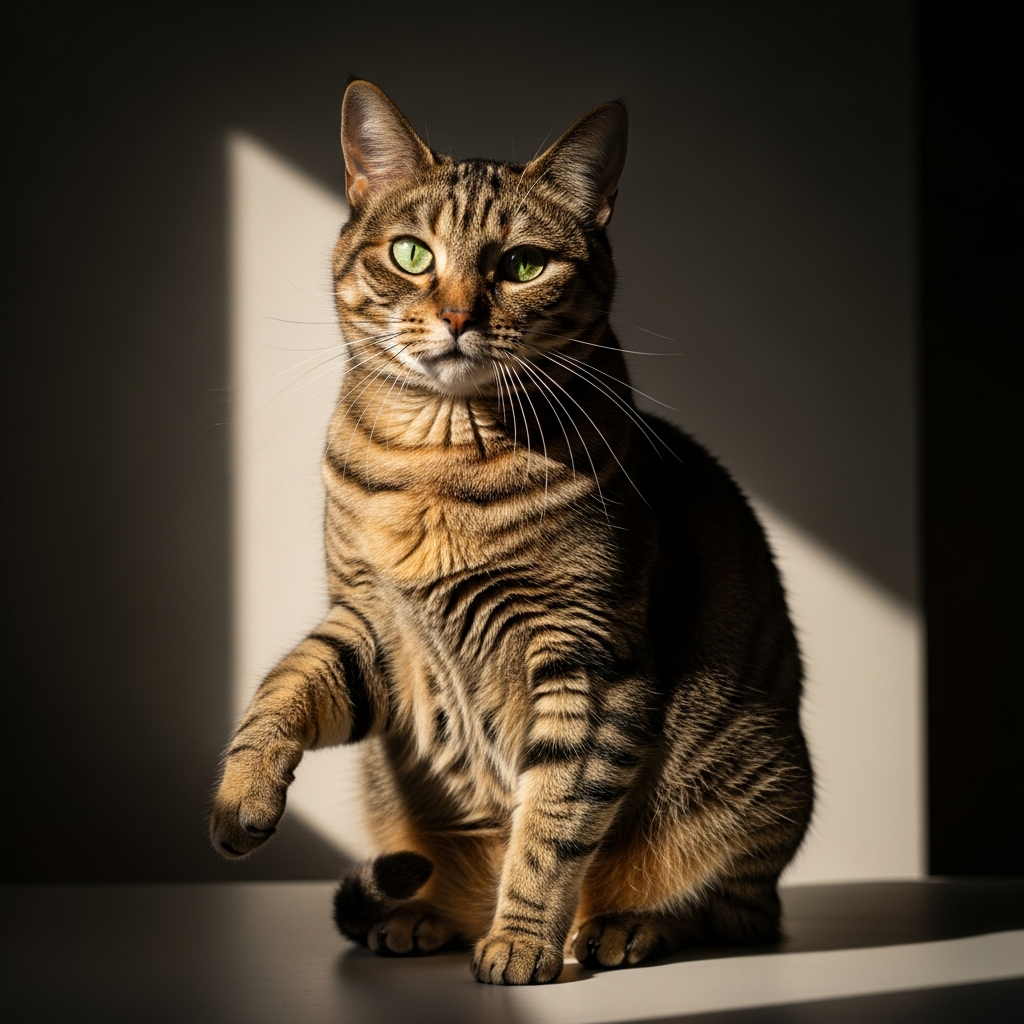
Stoneware mug, dishwasher safe
Buy Mug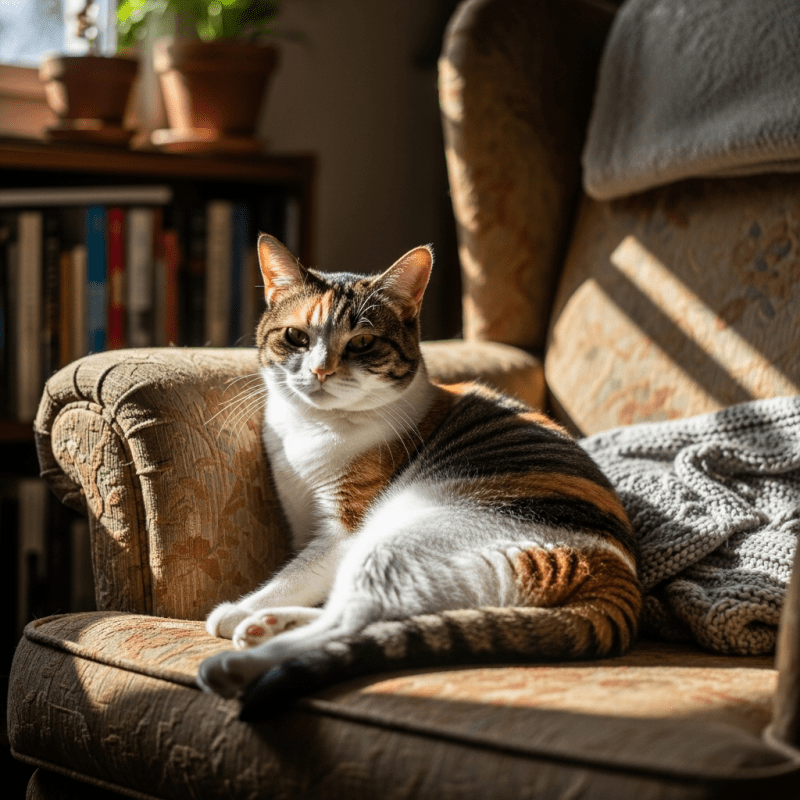
Soft cotton tee, unisex sizes
Buy ShirtThe Manx is an enduring symbol of the Isle of Man, appearing in local folklore and heraldry. Its taillessness has inspired legends and superstitions, with the breed often featured in literature and art as a quirky, beloved feline. The Manx’s unique appearance has made it a favorite in cat shows and exhibitions worldwide, enhancing its cultural cachet among cat enthusiasts.

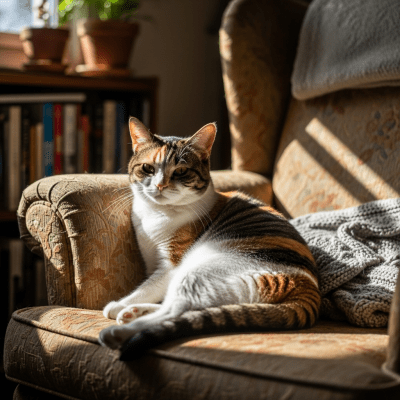
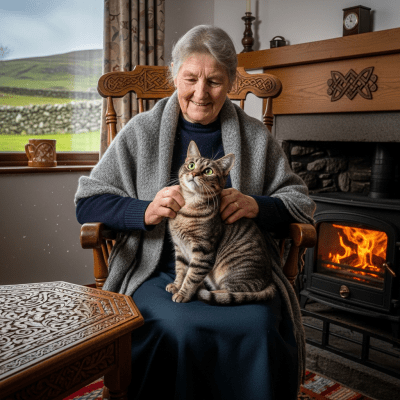
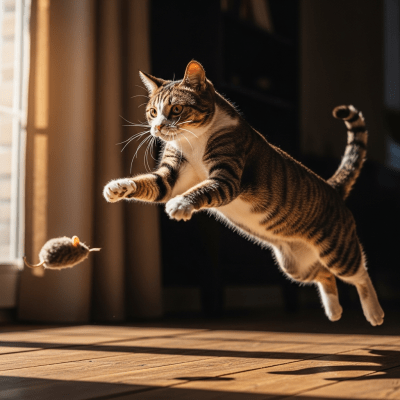
Manx cats are agile, intelligent, and playful, with a strong affectionate streak. They are known for their loyalty and often form close bonds with their families. Social and interactive, Manx cats enjoy engaging in games and activities, making them delightful companions for both adults and children.
Manx cats are generally robust, with an average lifespan of 12–16 years. However, the breed can be prone to Manx syndrome—a collection of spinal and neurological issues associated with the tailless gene, especially in homozygous individuals. Responsible breeding practices help minimize health risks, and most Manx cats live healthy, active lives.
Manx cats require regular grooming to maintain their dense, double-layered coat. Shorthaired Manx need weekly brushing, while longhaired (Cymric) varieties benefit from more frequent grooming to prevent matting. Routine health checks are important, especially for signs of Manx syndrome. As active, intelligent cats, they thrive with interactive play and mental stimulation.
All coat colors and patterns are accepted for the Manx breed, including solid, tabby, tortoiseshell, and bicolor. Eye color is also variable, with all shades permitted by breed standards.
While the Manx is celebrated in cat shows and has appeared in various media, individual famous Manx cats are less documented than some other breeds. The breed itself is a cultural icon of the Isle of Man, often featured in local stories and symbols.
The longhaired Manx is known as Cymric in some registries, such as CFA and TICA, though genetically identical to the shorthaired Manx. Regional naming conventions include "Stubbin" on the Isle of Man and "Rumpy" for completely tailless cats. All refer to the same genetic lineage, with minor differences in coat length and tail type recognized by registry standards.