Lykoi
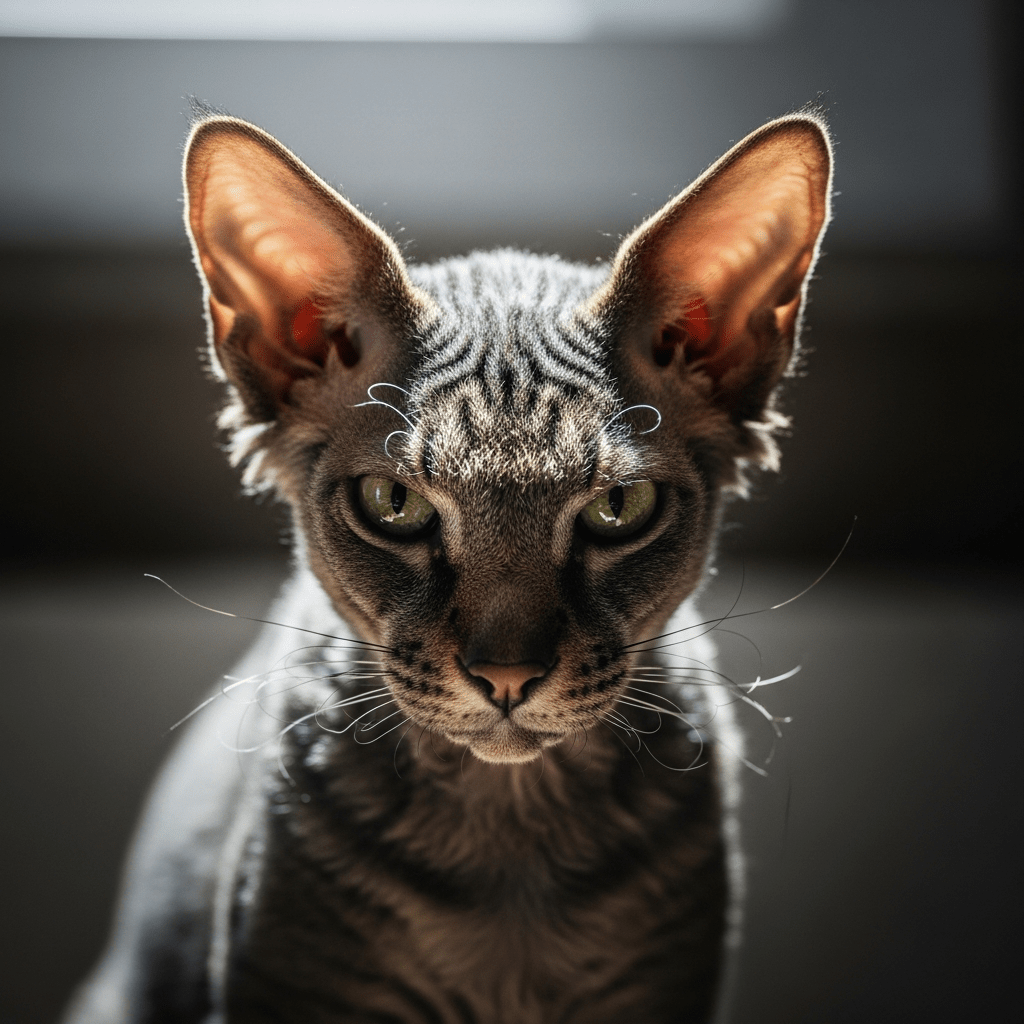
The Lykoi is a striking domestic cat breed, instantly recognizable for its sparse, roan-patterned coat and wild, "werewolf-like" appearance.
The Lykoi is a striking domestic cat breed, instantly recognizable for its sparse, roan-patterned coat and wild, "werewolf-like" appearance.
The Lykoi originated in the United States in 2010, when breeders Patti Thomas and Dr. Johnny Gobble discovered a natural mutation in domestic shorthair cats. Foundation cats were found in Virginia and Tennessee, and careful breeding established the Lykoi’s signature partially hairless, patchy coat. Unlike some exotic breeds, the Lykoi’s lineage is purely domestic, with no wild ancestry.
The Lykoi belongs to the species Felis catus, within the domestic cats taxonomy. It is classified as a distinct breed due to its unique genetic mutation affecting the coat. Recognized by The International Cat Association (TICA), the Lykoi is not a hybrid and stands apart from other breeds for its appearance and temperament.
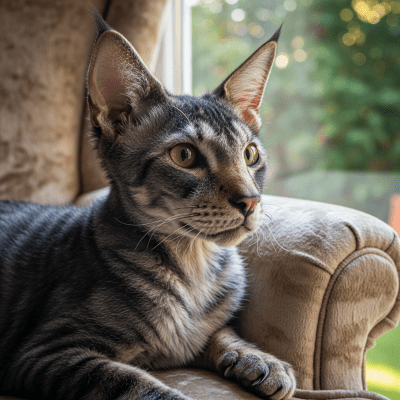
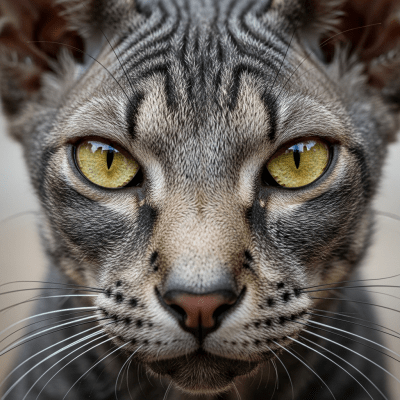
The Lykoi is medium-sized, lean, and muscular, with a wedge-shaped head and an unmistakably wild or feral look. Its partially hairless coat features a patchy, roan pattern of black and gray fur interspersed with exposed skin, most prominent on the face, legs, and tail. The coat’s density and coverage can vary, and some cats may experience seasonal molting. Lykoi cats typically have vivid yellow to green eyes, adding to their dramatic, "werewolf" allure.
Lykoi cats are bred exclusively as companion animals and show cats. They are known for their playful, intelligent, and affectionate nature, thriving in environments where they can interact closely with people. Their high energy and curiosity make them engaging pets, and their unusual appearance has made them popular among cat enthusiasts and in the show ring.
Bring this kind into your world illustrated posters, mugs, and shirts.
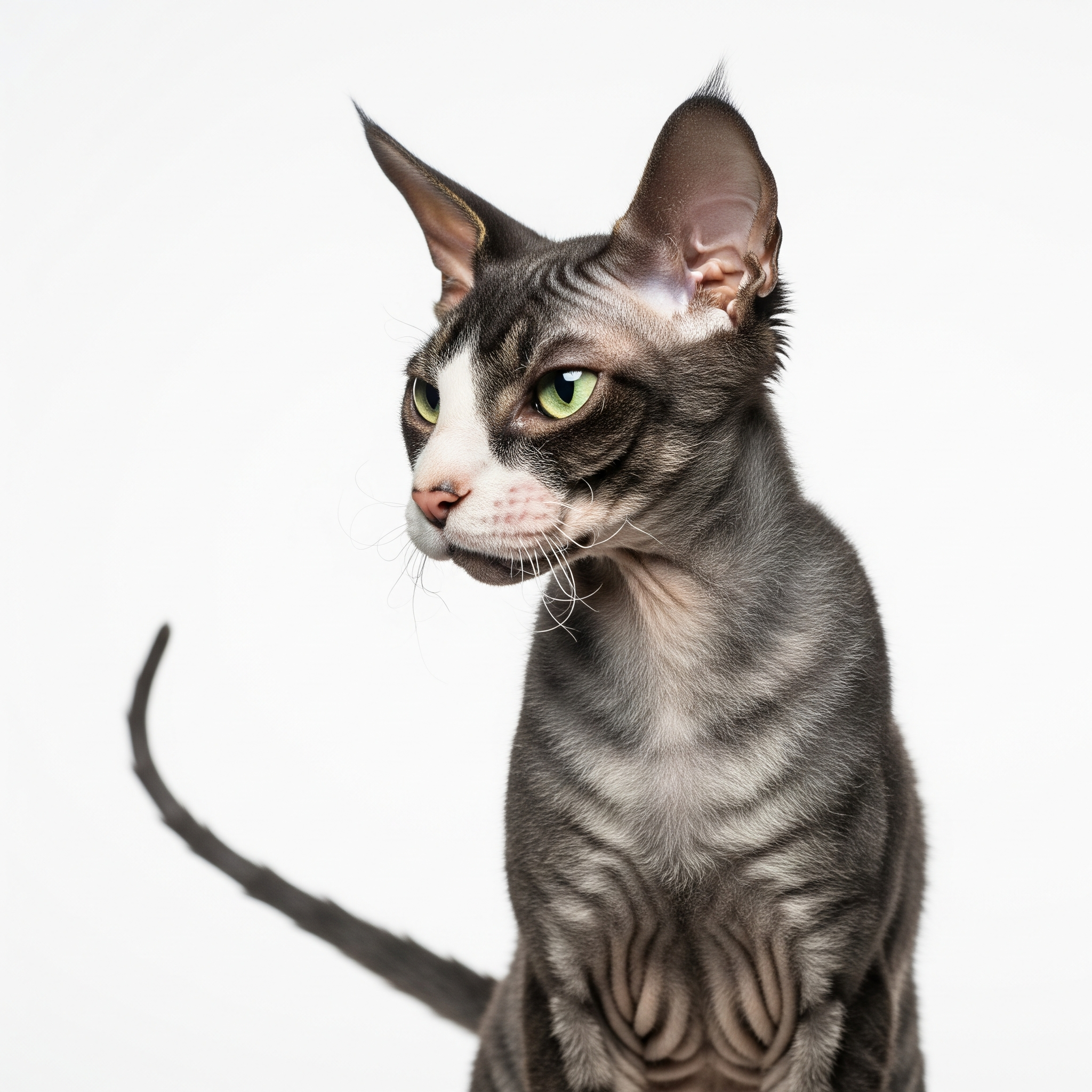
Archival print, museum-grade paper
Buy Poster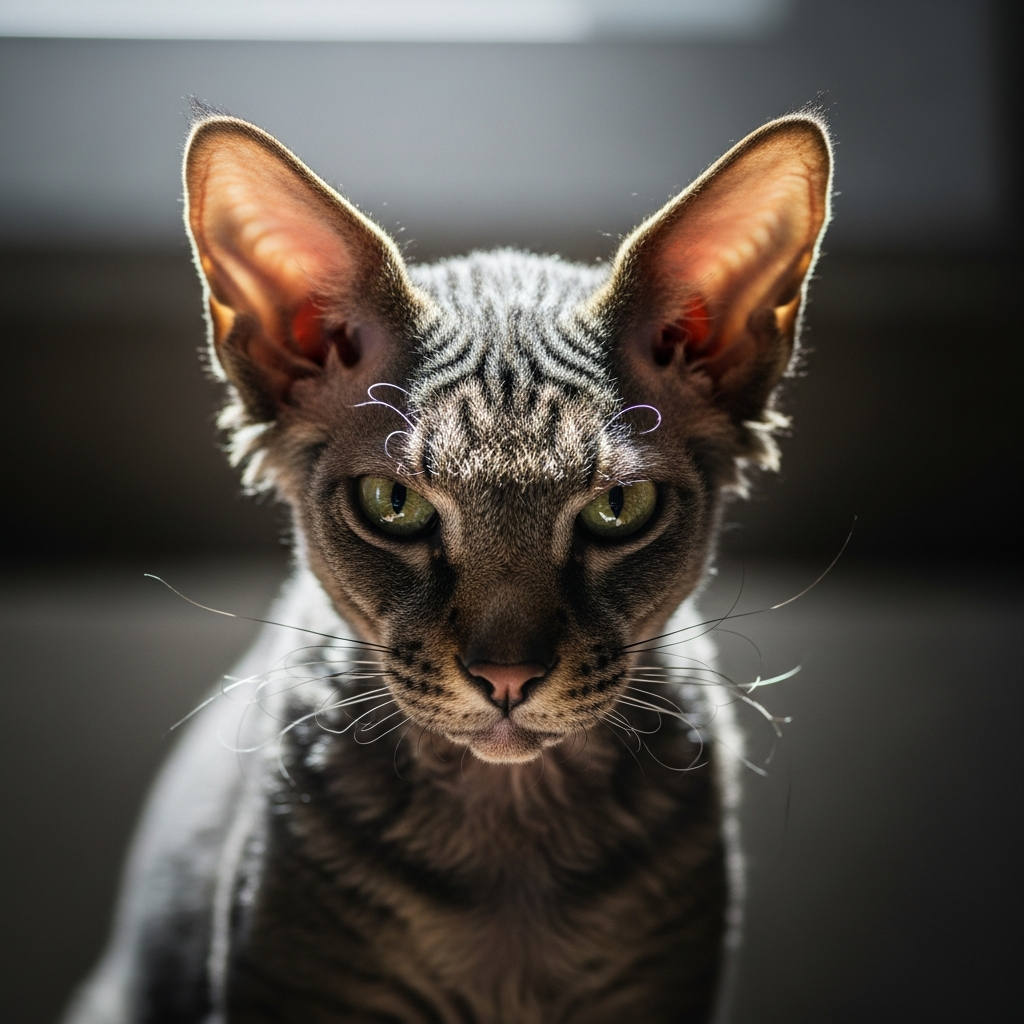
Stoneware mug, dishwasher safe
Buy Mug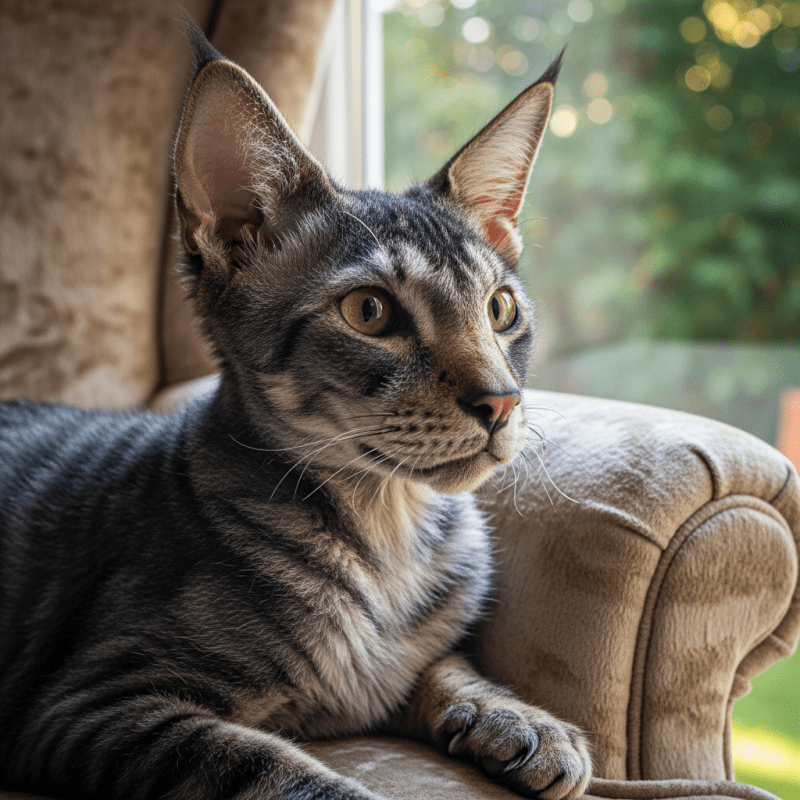
Soft cotton tee, unisex sizes
Buy ShirtThe Lykoi’s resemblance to a mythical werewolf has captured the imagination of cat lovers worldwide. Nicknamed the "werewolf cat," it has become a social media sensation and a favorite in cat shows, celebrated for its dramatic look and friendly personality. While not rooted in ancient folklore, the breed’s modern cultural impact is notable, inspiring fascination and affection in contemporary cat culture.

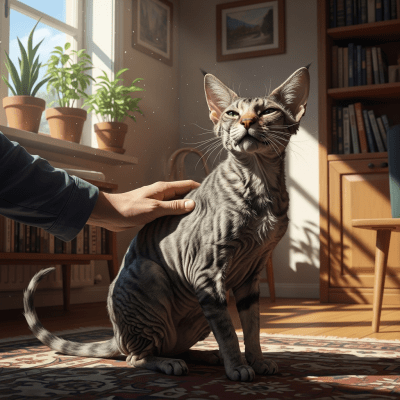
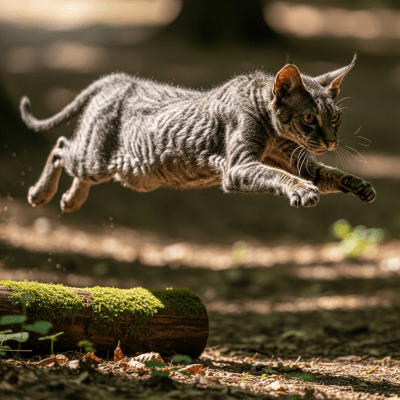
Lykoi cats are known for their high energy, curiosity, and intelligence. They are playful, affectionate, and enjoy interactive play with humans. Their inquisitive nature makes them quick learners, and they often form strong bonds with their families. Despite their wild appearance, they are gentle and sociable.
Lykoi cats generally enjoy good health, with no breed-specific genetic disorders currently identified. Their sparse coat may make them more sensitive to temperature extremes and prone to minor skin irritation. With proper care, Lykoi cats typically live 12–15 years, similar to other domestic breeds.
Lykoi cats require routine care similar to other domestic cats, with some extra attention to their exposed skin. Regular gentle bathing can help prevent skin issues, and owners should monitor for signs of irritation. Because their coat is sparse, Lykoi cats may need protection from cold or intense sun. Routine veterinary care and a balanced diet are essential for their wellbeing.
The Lykoi’s signature look is a roan pattern: black and gray fur interspersed with areas of exposed pink skin. The patchy coat varies in density and coverage, and some cats may display more pronounced hairlessness in certain seasons. Eye color is typically yellow to green, enhancing their striking appearance.
While the Lykoi is a relatively new breed, several foundation cats—discovered in Virginia and Tennessee—are celebrated among enthusiasts. The breed’s "werewolf" look has made it a favorite in social media and cat shows, though individual cats have not yet achieved widespread fame in popular culture.
The Lykoi does not have significant regional variants. It is primarily recognized in North America and Europe, with consistent breed standards across regions. The breed’s name and appearance remain the same wherever it is bred.