LaPerm
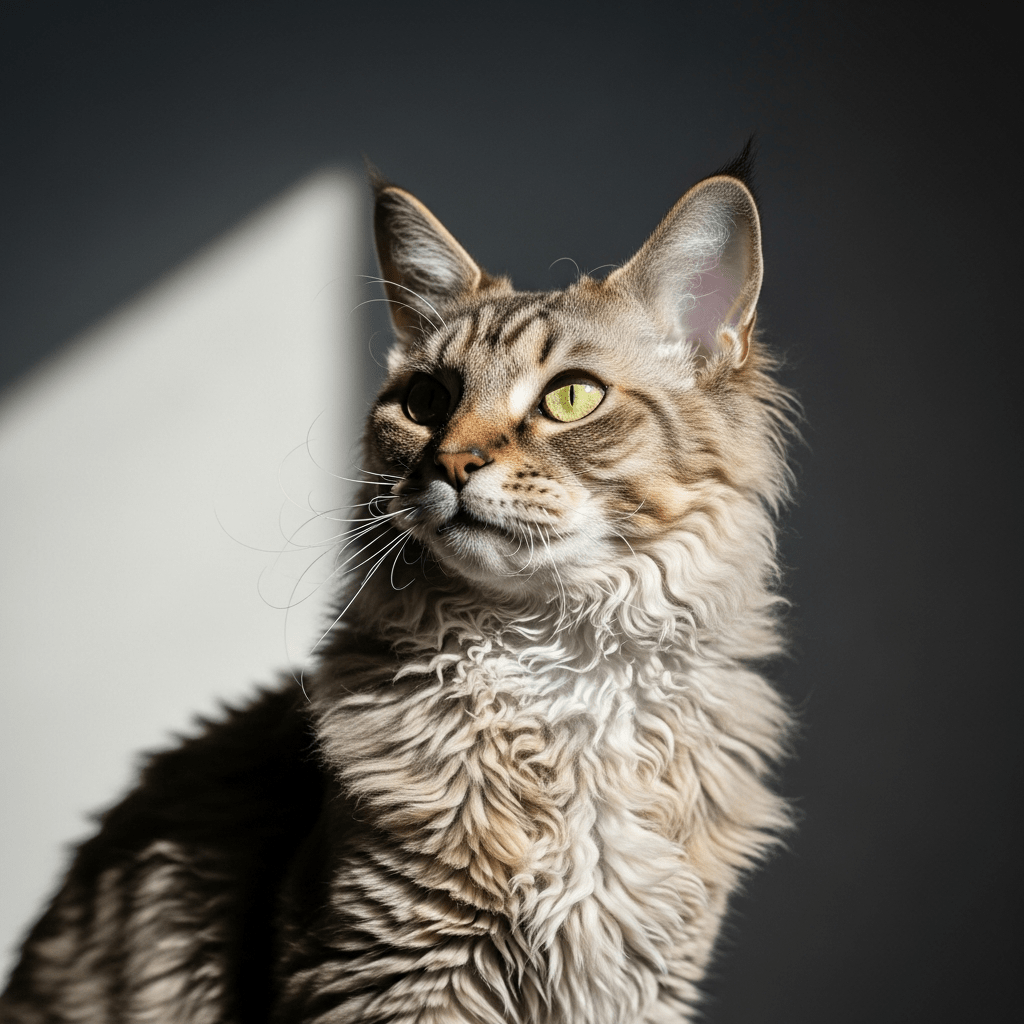
The LaPerm is a domestic cat breed instantly recognizable for its curly, soft coat and affectionate, inquisitive nature.
The LaPerm is a domestic cat breed instantly recognizable for its curly, soft coat and affectionate, inquisitive nature.
The LaPerm originated in The Dalles, Oregon, USA, in 1982, when a barn cat owned by Linda and Richard Koehl gave birth to a kitten named "Curly" with an unusually curly coat. This spontaneous genetic mutation sparked the development of the breed, which was refined through selective breeding. Unlike other rex-type cats, the LaPerm's curly coat arose naturally within domestic cats, not through crossbreeding with existing rex breeds.
LaPerms belong to the species Felis catus and are classified as a distinct breed within the domestic cat taxonomy. They are part of the group of rex-type cats, which are characterized by unique coat mutations, but stand apart due to their independent genetic origin. Major cat registries, including CFA, TICA, and FIFe, recognize the LaPerm as a separate breed.
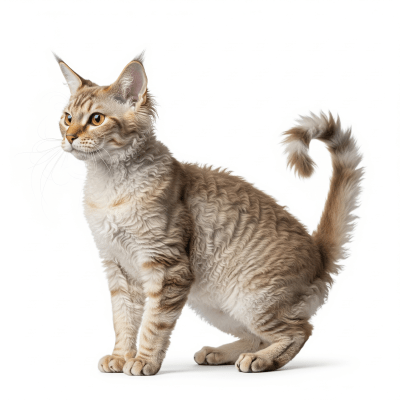
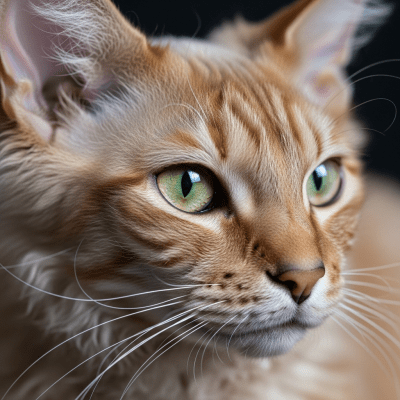
The LaPerm is medium-sized, with a muscular yet graceful build, wedge-shaped head, and expressive almond-shaped eyes. Its hallmark is the curly or wavy coat, which may be short or long and feels soft and springy to the touch. Whiskers are also curly, adding to its distinctive look. All coat colors and patterns are accepted, and the breed is known for minimal shedding.
LaPerms are active, playful, and highly inquisitive, often exploring their environment with curiosity. They are affectionate and thrive on human interaction, making them ideal companion animals. Their gentle disposition and striking appearance also make them popular show cats, but their primary role is as loving pets in family homes.
Bring this kind into your world illustrated posters, mugs, and shirts.
Archival print, museum-grade paper
Buy Poster
Stoneware mug, dishwasher safe
Buy Mug
Soft cotton tee, unisex sizes
Buy ShirtThe LaPerm is celebrated in the cat fancy for its unique origin story and visually striking coat. While it does not have deep historical roots or mythological associations, its spontaneous mutation and rapid acceptance by major registries highlight the ongoing evolution and diversity within domestic cat breeds. The LaPerm is often featured in breed showcases and educational materials about feline genetics.

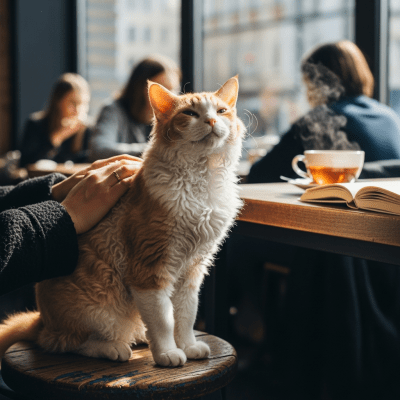

LaPerms are known for their affectionate, people-oriented personalities. They are playful, curious, and enjoy interactive activities, often following their owners from room to room. Their gentle, adaptable nature makes them excellent companions, and they tend to get along well with children and other animals.
LaPerms are generally healthy cats, with no breed-specific genetic disorders widely reported. While long-term health data is limited, they are considered robust and resilient. Their expected lifespan is typical for domestic cats, often ranging into the mid-teens with proper care.
LaPerms require minimal grooming thanks to their curly, low-shedding coats. Occasional brushing helps maintain coat condition and prevents loose hairs. Routine care such as nail trimming, dental hygiene, and regular veterinary checkups will keep them healthy and comfortable.
All coat colors and patterns are accepted for the LaPerm breed. This includes solids, tabbies, tortoiseshells, colorpoints, and more, making the breed one of the most visually diverse among rex-type cats. Eye color also varies widely, complementing the broad palette of coat variations.
The original LaPerm, a kitten named "Curly" born in Oregon in 1982, is the most notable example and the foundation of the breed. While individual LaPerms may win cat show titles, no single cat has achieved widespread fame beyond breed circles.
No significant regional variants or subtypes of the LaPerm are documented. The breed is recognized internationally under the same name and standard.