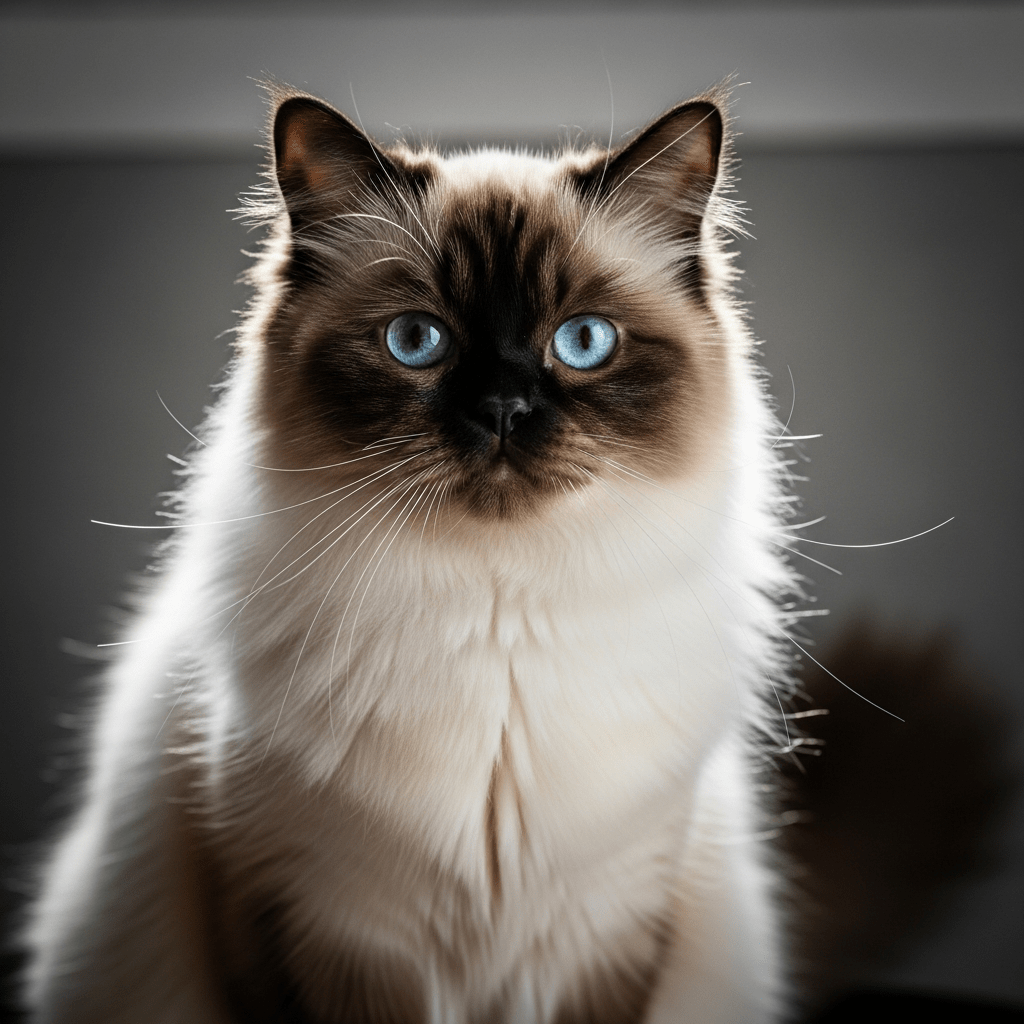
Himalayan
The Himalayan is a domestic cat breed celebrated for its luxurious long coat, vivid blue eyes, and distinctive colorpoint pattern, blending the elegance of the Persian with the striking markings of the Siamese.
The Himalayan is a domestic cat breed celebrated for its luxurious long coat, vivid blue eyes, and distinctive colorpoint pattern, blending the elegance of the Persian with the striking markings of the Siamese.
The Himalayan originated in the United States and United Kingdom between the 1930s and 1950s, the result of intentional crossbreeding between Persian and Siamese cats. Visionary breeders such as Virginia Cobb and Dr. Clyde Keeler in the U.S., and Brian Sterling-Webb in Britain, sought to create a cat with the Persian’s plush body and the Siamese’s pointed coloration. Their efforts culminated in the breed’s formal recognition by the Cat Fanciers’ Association in 1957, establishing the Himalayan as a unique and coveted feline.
The Himalayan belongs to the species Felis catus, fitting within the family of domestic cats. It is classified as a hybrid breed, directly descended from Persian and Siamese lines. Depending on the registry, Himalayans may be recognized as a distinct breed (CFA, ACFA) or as a colorpoint variety of the Persian (FIFe, GCCF, WCF), reflecting its dual heritage and the nuances of breed standards worldwide.
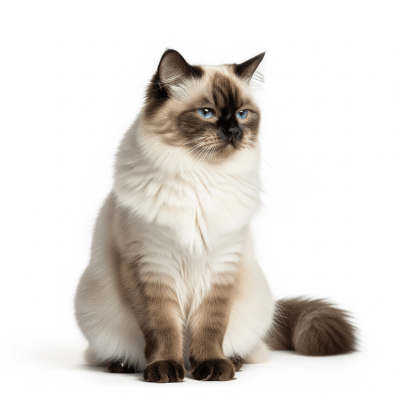
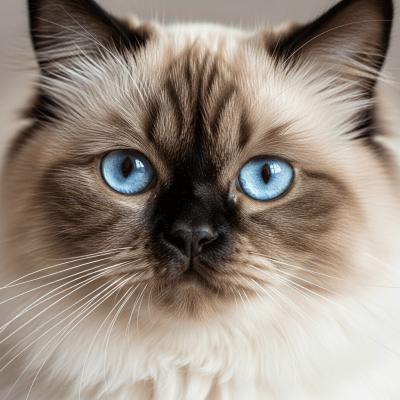
Himalayans are medium to large cats with a robust, cobby body, short legs, and a broad, round head. Their most iconic feature is the colorpoint pattern: darker shades accentuate the ears, face mask, paws, and tail, while the body remains lighter. The coat is long, dense, and silky to the touch, requiring attentive grooming. Their eyes are a vivid, crystalline blue, adding to their regal and gentle appearance. The breed’s brachycephalic facial structure gives them a distinctive, sweet expression.
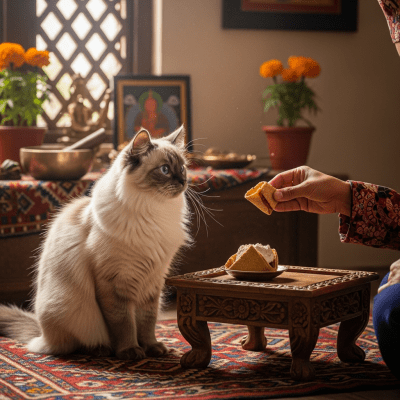
Himalayans are cherished as companion animals and show cats. Their gentle, placid temperament makes them ideal indoor pets, especially for those seeking a calm, affectionate feline presence. They thrive in quiet environments and enjoy close interaction with their owners, often forming strong bonds. Himalayans are also highly valued in cat shows for their beauty and poise, though their grooming and health needs require dedicated care.
Bring this kind into your world illustrated posters, mugs, and shirts.
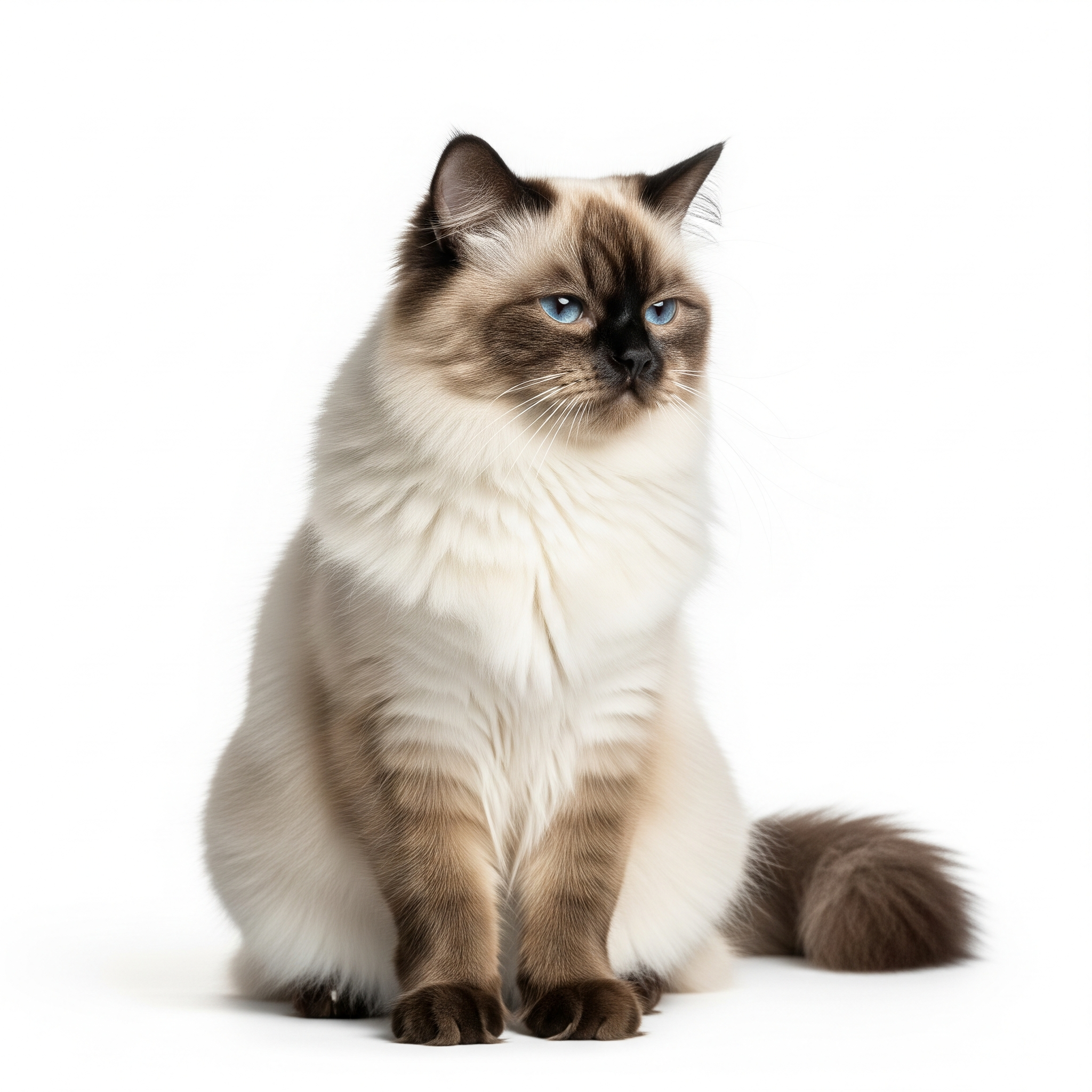
Archival print, museum-grade paper
Buy Poster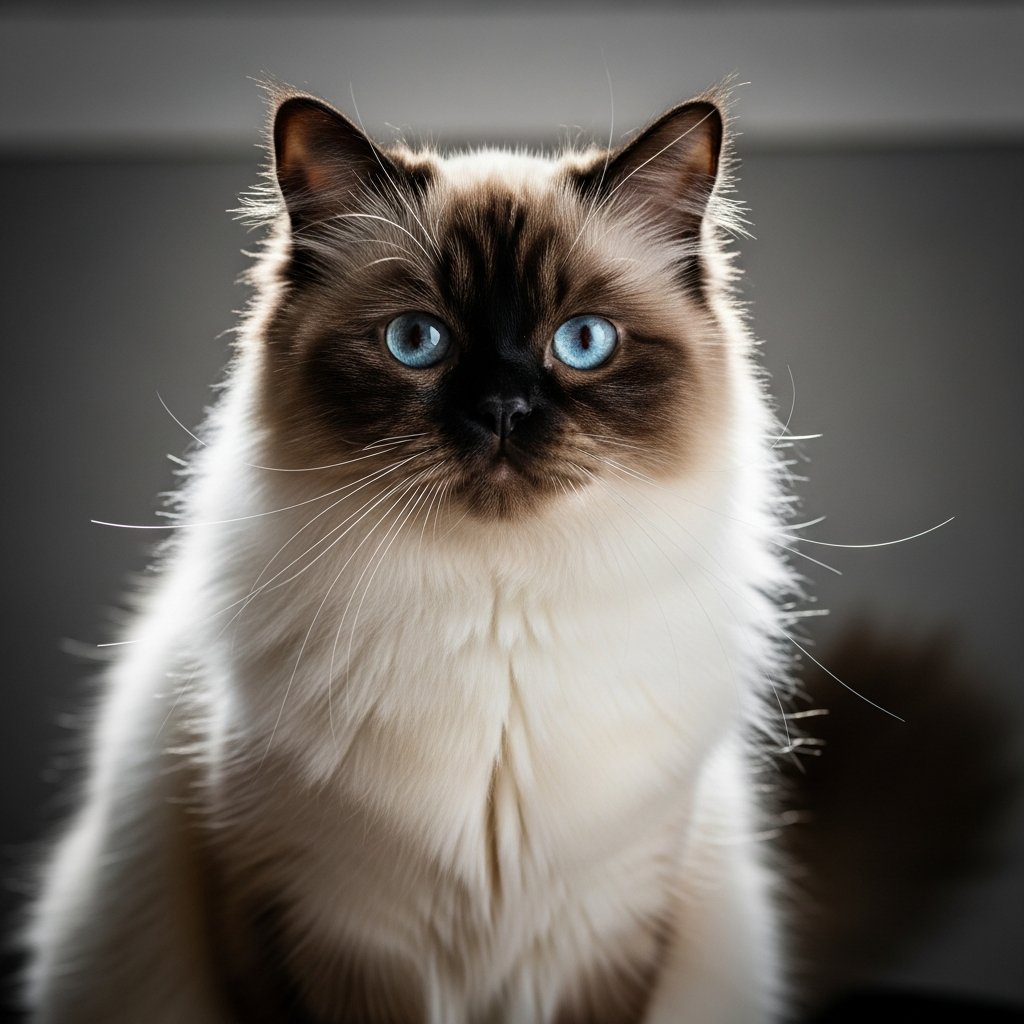
Stoneware mug, dishwasher safe
Buy Mug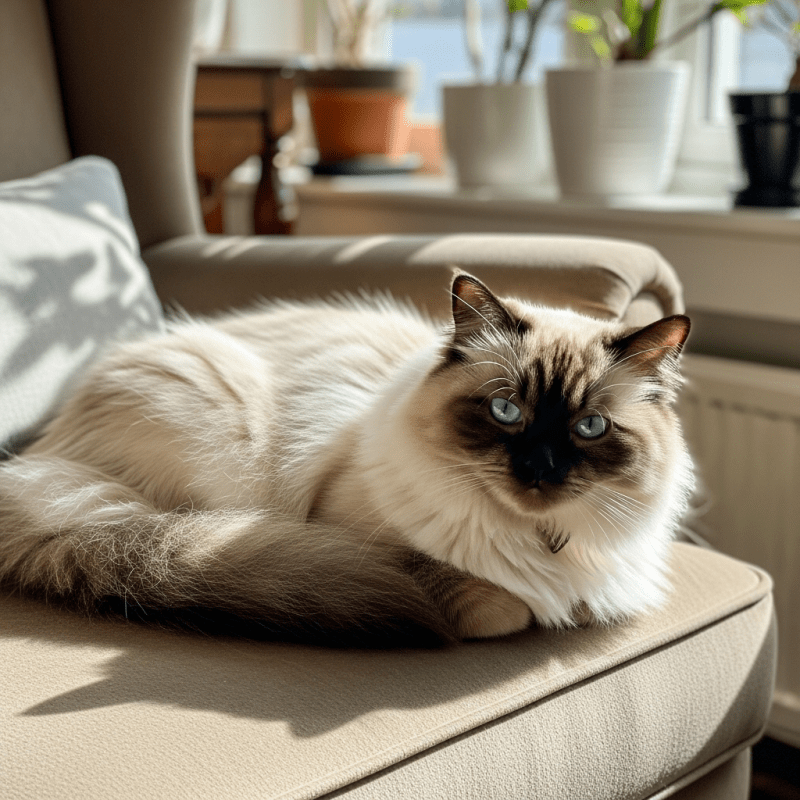
Soft cotton tee, unisex sizes
Buy ShirtThe Himalayan’s striking looks and serene personality have made it a favorite in popular culture, frequently featured in advertisements, films, and cat shows. Its blend of Persian and Siamese traits symbolizes the artistry of selective breeding and the pursuit of feline perfection. The breed’s presence in international competitions and its status among enthusiasts underscore its cultural impact as a symbol of elegance and companionship.

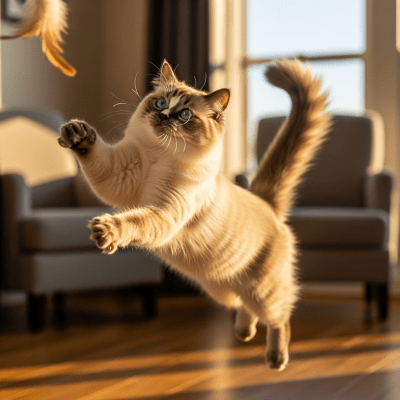
Himalayans are known for their gentle, placid, and affectionate disposition. They tend to be quiet, low-energy cats who enjoy lounging and spending time with their owners. Their calm nature makes them excellent companions for those seeking a serene household pet. Himalayans are typically friendly, tolerant, and thrive on attention, forming strong bonds with their families.
Himalayans are predisposed to certain health issues, notably polycystic kidney disease (PKD), respiratory difficulties due to their brachycephalic facial structure, and excessive tearing. With attentive care and regular veterinary checkups, Himalayans can enjoy a healthy life, though their lifespan may be influenced by these genetic factors. Owners should be vigilant about routine health screenings and proactive management of breed-specific concerns.
Daily grooming is essential for Himalayans to prevent matting and maintain the silky texture of their long coat. Regular brushing helps remove loose hair and minimize tangles. Owners should also pay attention to facial cleaning due to potential tearing and monitor for signs of respiratory distress. A calm, indoor environment and routine veterinary care contribute to their well-being.
Himalayans display a classic colorpoint pattern, with darker coloration on the ears, face mask, paws, and tail, contrasted by a lighter body. Accepted point colors include seal, blue, chocolate, lilac, red, cream, and tortie, depending on registry standards. Their eyes are always a vivid blue, enhancing their striking appearance.
While no single Himalayan cat has achieved global celebrity status, the breed is a frequent winner at cat shows and has appeared in various media and advertisements, admired for its beauty and gentle demeanor. Himalayans are often chosen as show cats, representing the pinnacle of feline elegance in competitions worldwide.
Regional classification of the Himalayan varies: in North America (CFA, ACFA), it is recognized as a distinct breed, while in Europe (FIFe, GCCF, WCF), it is considered a colorpoint variety of the Persian. The term "Colorpoint Persian" is more commonly used in European registries, reflecting subtle differences in naming and breed standards.