Highlander
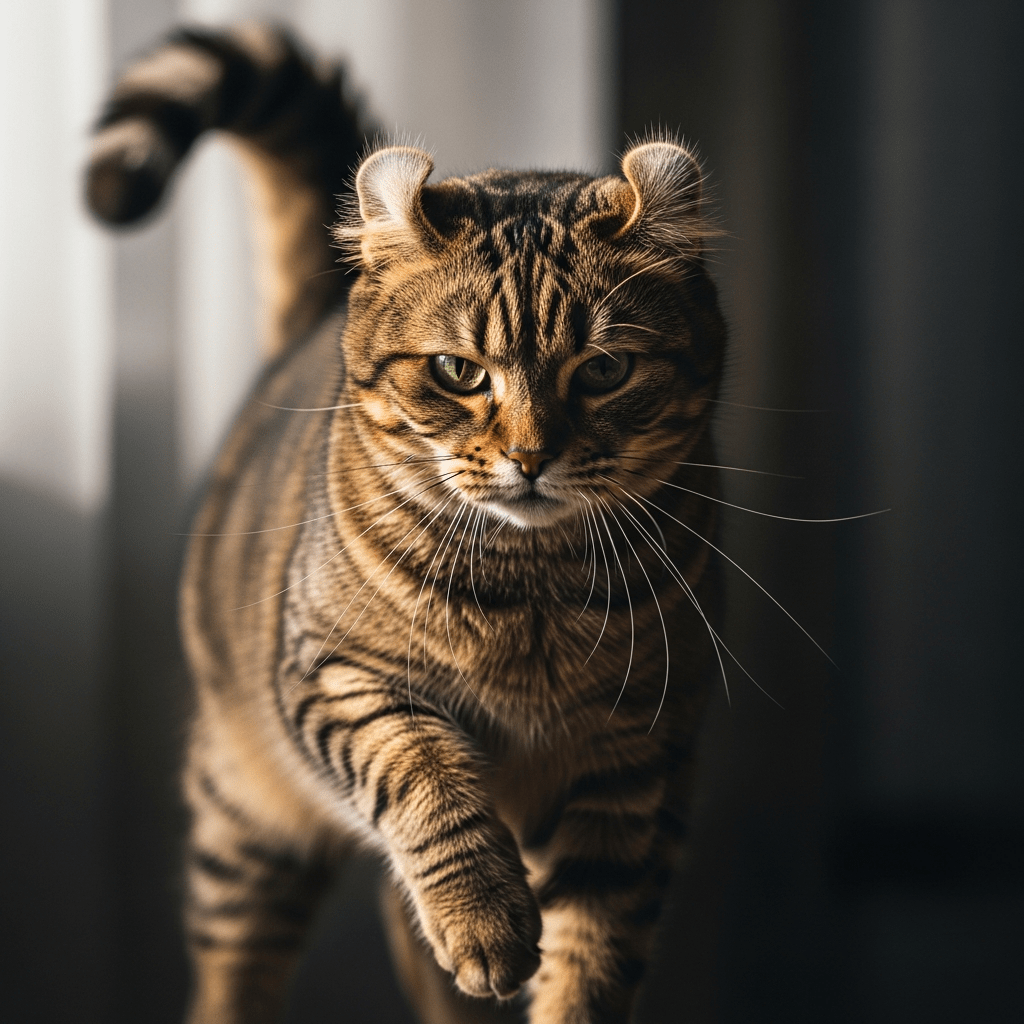
The Highlander is a striking domestic cat breed, instantly recognizable by its curled ears and bobbed tail, which lend it a wild and exotic allure while maintaining a friendly, playful temperament.
The Highlander is a striking domestic cat breed, instantly recognizable by its curled ears and bobbed tail, which lend it a wild and exotic allure while maintaining a friendly, playful temperament.
Originating in the United States in the early 2000s, the Highlander was developed by crossing the Desert Lynx and Jungle Curl breeds. Breeders aimed to create a domestic cat with a dramatic, wild look and an approachable, affectionate nature. The breed’s lineage is entirely domestic, and in 2008, The International Cat Association (TICA) accepted the Highlander for registration as an experimental breed.
The Highlander is classified within the domestic cat species Felis catus. It belongs to the experimental breed category, recognized by TICA, and is distinct for its unique ear and tail morphology. Unlike hybrid breeds, the Highlander’s ancestry is purely domestic, setting it apart from breeds with wild cat lineage.
Highlanders are medium to large cats with muscular bodies, broad chests, and substantial bone structure. Their most iconic features are backward-curled ears set wide apart and a naturally short or bobbed tail, which may be kinked or curled. The breed’s coat can be short or long, always soft and plush, and appears in a wide array of colors and patterns, including tabby, solid, and spotted. The overall impression is robust and athletic, with a touch of the wild.
Renowned for their playful and energetic disposition, Highlanders are highly sociable and affectionate companions. Their behavior is often described as dog-like, marked by loyalty and a strong bond with their human families. Highlanders thrive as both companion animals and show cats, admired for their unique looks and engaging personalities.
Bring this kind into your world illustrated posters, mugs, and shirts.
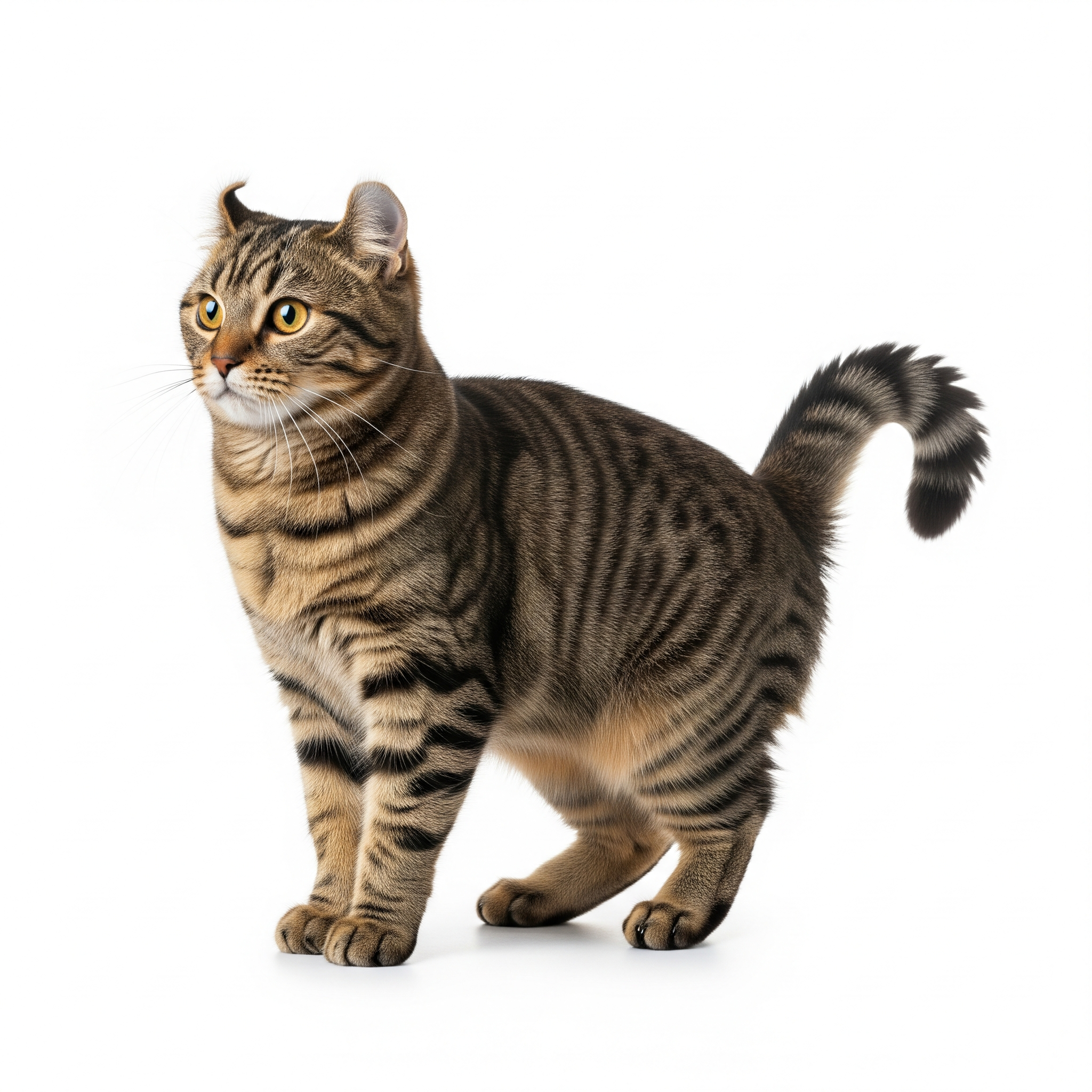
Archival print, museum-grade paper
Buy Poster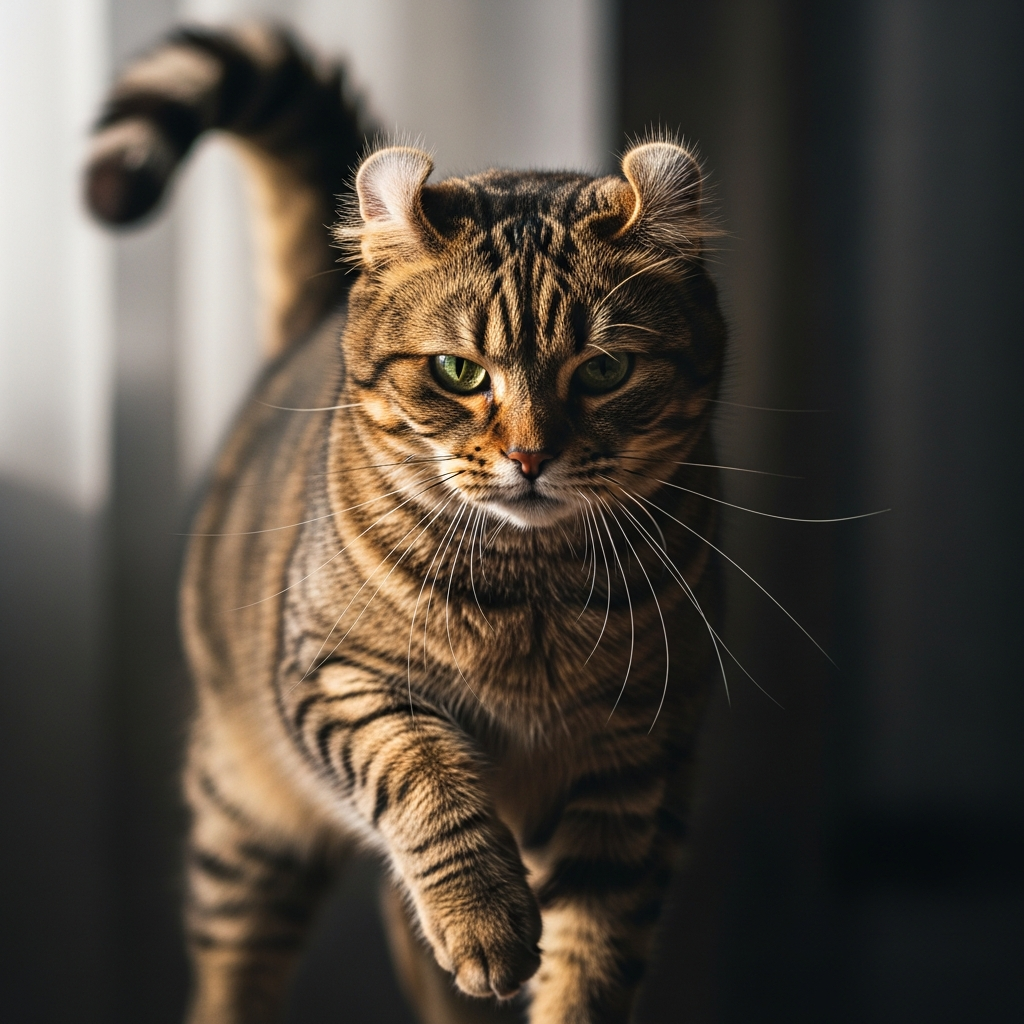
Stoneware mug, dishwasher safe
Buy Mug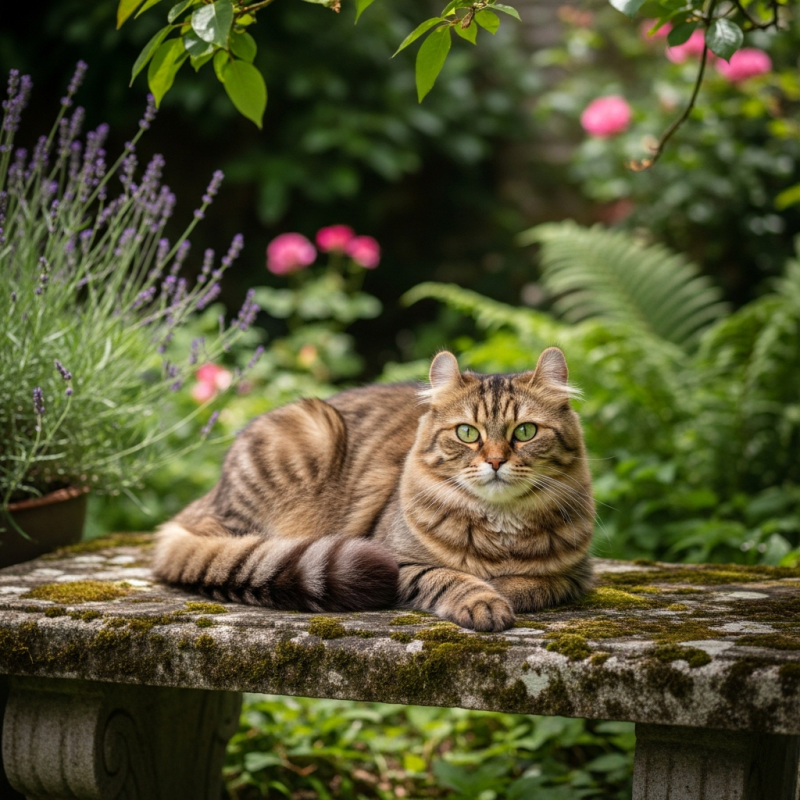
Soft cotton tee, unisex sizes
Buy ShirtThough a relatively new breed, the Highlander’s exotic appearance has captured the imagination of cat enthusiasts and show judges alike. Its wild look, reminiscent of lynx or bobcat, is purely aesthetic, and the breed is celebrated for combining dramatic features with a gentle, friendly temperament. The Highlander stands as a testament to selective breeding’s ability to create visually striking yet loving pets.
The Highlander is officially recognized by The International Cat Association (TICA) as an experimental breed. Other major registries do not currently recognize the breed.
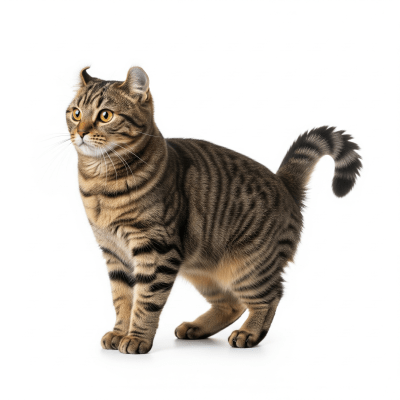

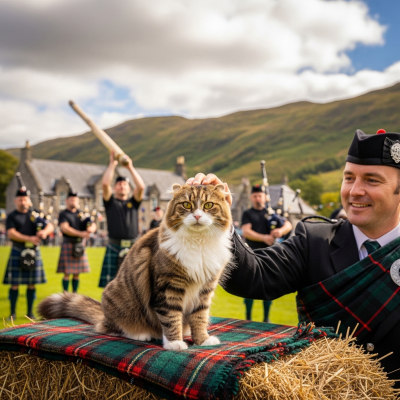
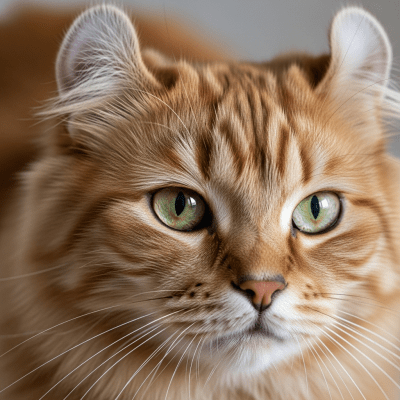
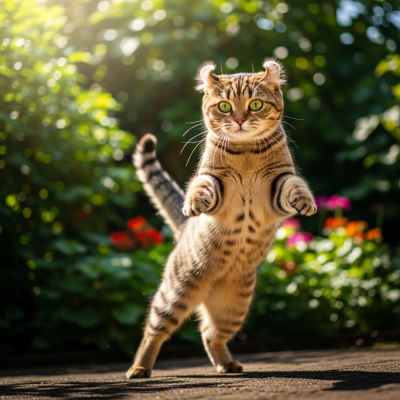
Highlanders are playful, energetic, and highly affectionate. They are known for their sociable nature and often form strong bonds with their owners, displaying loyalty and interactive behavior reminiscent of dogs. These cats enjoy active play and thrive in environments where they receive ample attention and stimulation.
The Highlander is generally a healthy breed, with no widely reported breed-specific genetic disorders. Owners should pay special attention to ear care due to the curled ear shape, which can be prone to wax buildup or infection. Lifespan data is not extensively documented, but Highlanders are expected to live comparably to other robust domestic breeds.
Routine grooming is straightforward for Highlanders, whether short- or long-haired. Regular brushing helps maintain coat health and minimize shedding. Their distinctive curled ears require periodic inspection and gentle cleaning to prevent wax accumulation or infection. Highlanders thrive on interaction, so daily play and companionship are essential for their well-being.
Highlanders display a wide variety of coat colors and patterns, including tabby, solid, and spotted. Both short- and long-haired versions exist, with a soft, plush texture that enhances their striking appearance.
As a relatively new and rare breed, the Highlander does not yet have widely recognized individual cats in popular culture or history. Its presence is most notable at cat shows and among breed enthusiasts who celebrate its unique features.
While TICA recognizes the breed as the "Highlander," some breeders and registries use alternate names such as "Highland Lynx" for related but distinct cats. Additionally, "Highlander Shorthair" and "Highlander Longhair" are used to distinguish coat length variants within the breed.