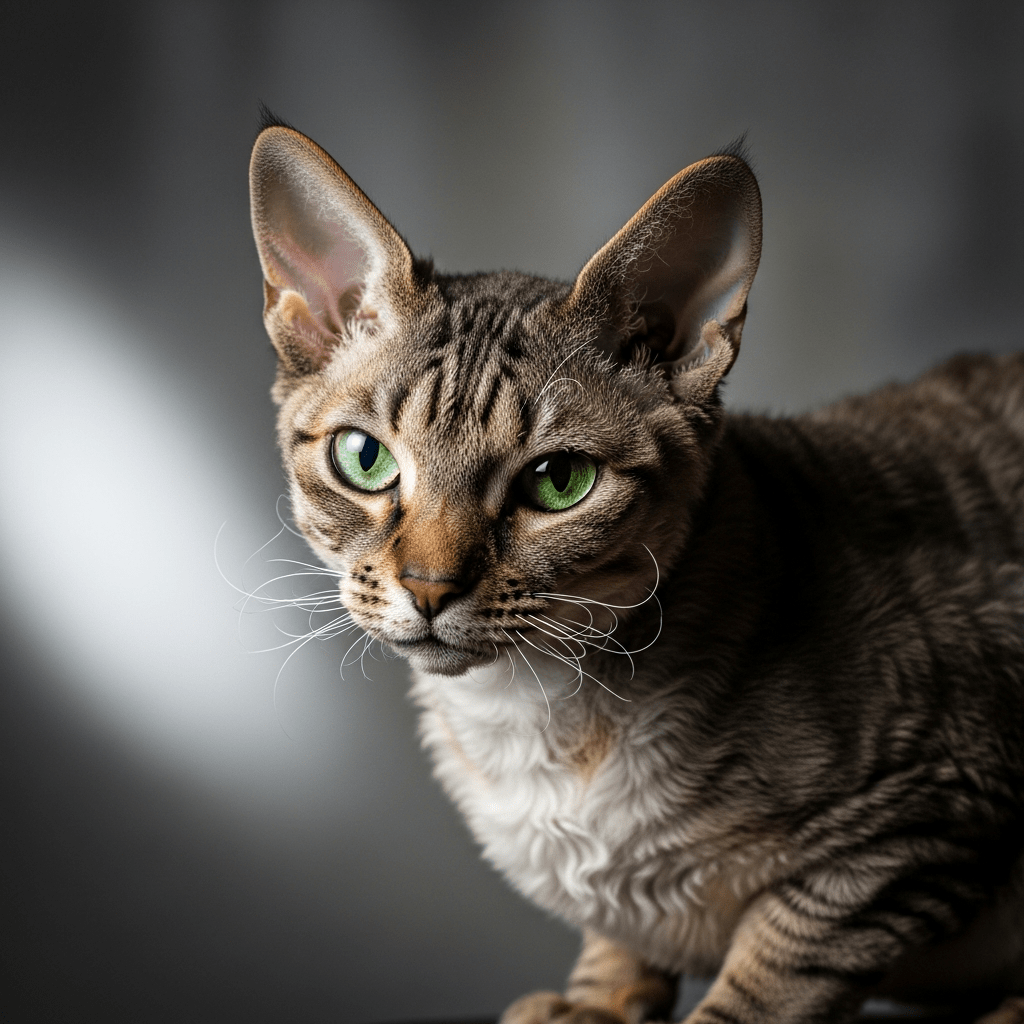
German Rex
The German Rex is a rare domestic cat breed from Germany, instantly recognized for its soft, wavy coat and affectionate, playful nature.
The German Rex is a rare domestic cat breed from Germany, instantly recognized for its soft, wavy coat and affectionate, playful nature.
The German Rex originated in Berlin in the early 1950s, when a curly-coated female cat named Lämmchen was discovered at the Hufeland Hospital. Dr. Rose Scheuer-Karpin began a breeding program with Lämmchen and her descendants, establishing the breed's foundation. The breed's distinctive coat is the result of a spontaneous genetic mutation, not a hybridization with wild species. Today, the German Rex remains a rare breed, with its roots firmly planted in postwar Germany.
Belonging to the species Felis catus, the German Rex is classified as a domestic cat breed. It is part of the 'rex' group, characterized by curly coats, but is genetically distinct from other rex breeds such as the Cornish Rex and Devon Rex. The breed is recognized by the Fédération Internationale Féline (FIFe) and select European registries, but is not widely acknowledged outside continental Europe.
The German Rex is medium-sized, with a muscular yet elegant body and a rounded head. Its most distinctive feature is the plush, soft, and wavy coat, which feels velvety and lacks guard hairs. The fur is short to medium in length and comes in all colors and patterns, though solid and bicolor are especially common. Large, expressive eyes add to its gentle and engaging appearance.
German Rex cats are cherished as companion animals, thanks to their playful, affectionate, and intelligent temperament. They thrive in family settings and enjoy interactive play, forming strong bonds with their owners. The breed is not used for any functional or working roles; its primary value lies in its unique appearance and friendly disposition.
Bring this kind into your world illustrated posters, mugs, and shirts.

Archival print, museum-grade paper
Buy Poster
Stoneware mug, dishwasher safe
Buy Mug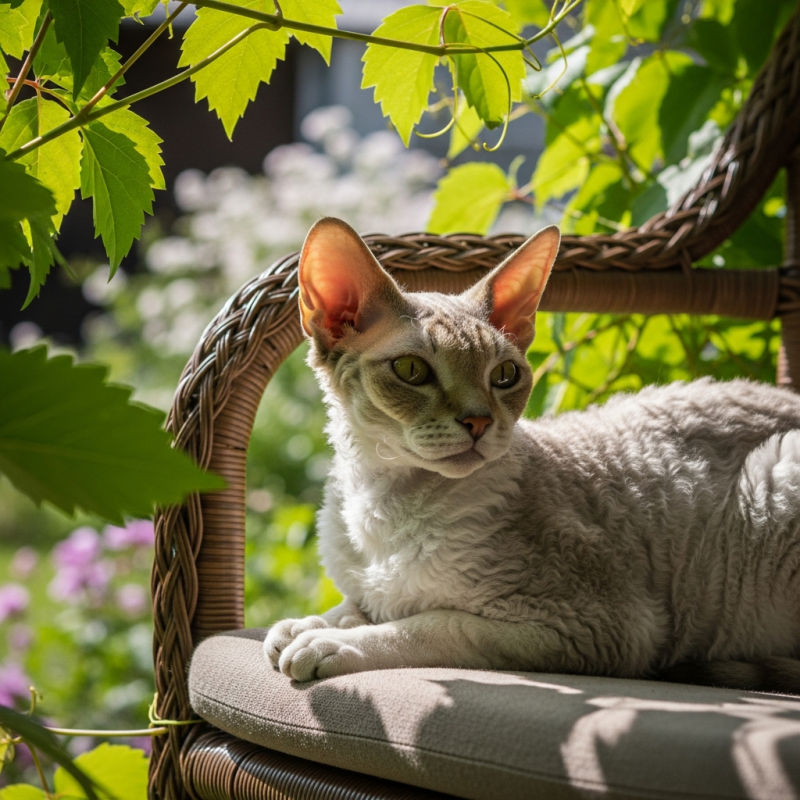
Soft cotton tee, unisex sizes
Buy ShirtWhile the German Rex is not widely featured in global pop culture, its story is celebrated among European cat enthusiasts and breeders. The breed's origin in postwar Berlin and its rare, curly coat have made it a symbol of feline diversity and genetic curiosity. It is often referenced in breed histories and discussions about the development of rex-type cats.
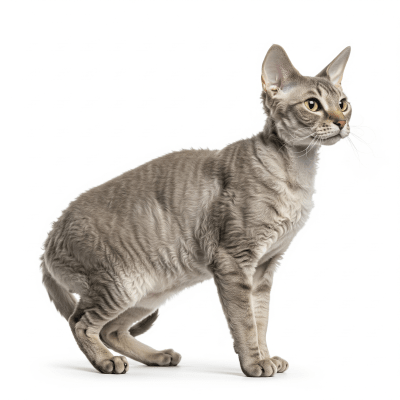
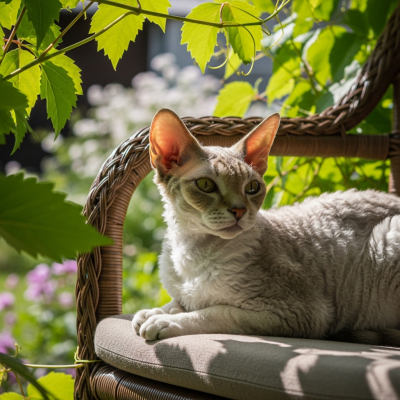

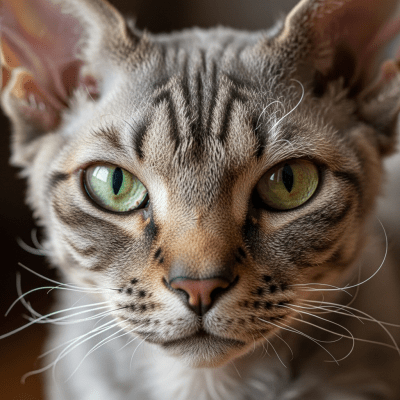
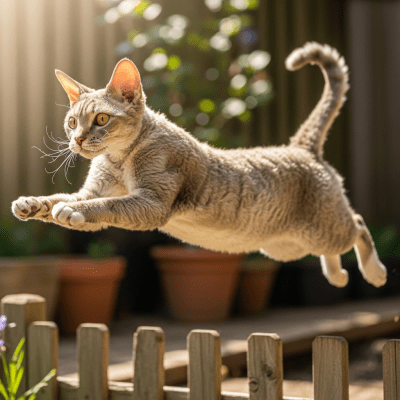
German Rex cats are playful, affectionate, and highly intelligent. They enjoy interactive games, seek human attention, and adapt well to family life. Their friendly nature makes them suitable for children and other pets, while their curiosity and energy keep them engaged and entertaining.
German Rex cats are generally healthy, with no breed-specific health issues conclusively identified. However, due to their rarity, genetic diversity is limited, and ongoing monitoring is recommended. Lifespan is typical for domestic cats, though precise data is scarce.
The German Rex's plush, wavy coat requires minimal grooming. Occasional brushing helps remove loose hairs and maintain its velvety texture. Regular health checks and a balanced diet support overall well-being, and their playful nature benefits from interactive toys and companionship.
All coat colors and patterns are accepted for the German Rex, with solid and bicolor being especially common. The breed's standards allow for a wide variety of visual expressions, including tabby, tortoiseshell, and more.
The foundational cat, Lämmchen, is the most notable German Rex in history, credited with establishing the breed. While few individual cats have achieved international fame, Lämmchen's legacy remains central to breed lore among enthusiasts.
The German Rex is primarily recognized in continental Europe, especially Germany. It is not widely acknowledged by North American registries, and is sometimes confused with other rex breeds. The name "Deutscher Rex" is used in German-speaking regions.