Origin Story

Originating from the indigenous domestic cats of continental Europe, the European Shorthair was formally developed in the mid-20th century to preserve the natural traits of local feline populations. Official recognition by the Fédération Internationale Féline (FIFe) came in 1982, establishing the breed as distinct from its British and American counterparts. Unlike many breeds, it does not trace back to a single breeder or institution but is the result of selective breeding from naturally occurring cats across Europe.

Classification

The European Shorthair belongs to the species Felis catus and is classified as a standardized breed within the domestic cat taxonomy. It is recognized primarily by FIFe, which distinguishes it from other shorthair breeds such as the British Shorthair and American Shorthair. Its lineage is non-hybrid, rooted in native European cats.

Appearance or Form

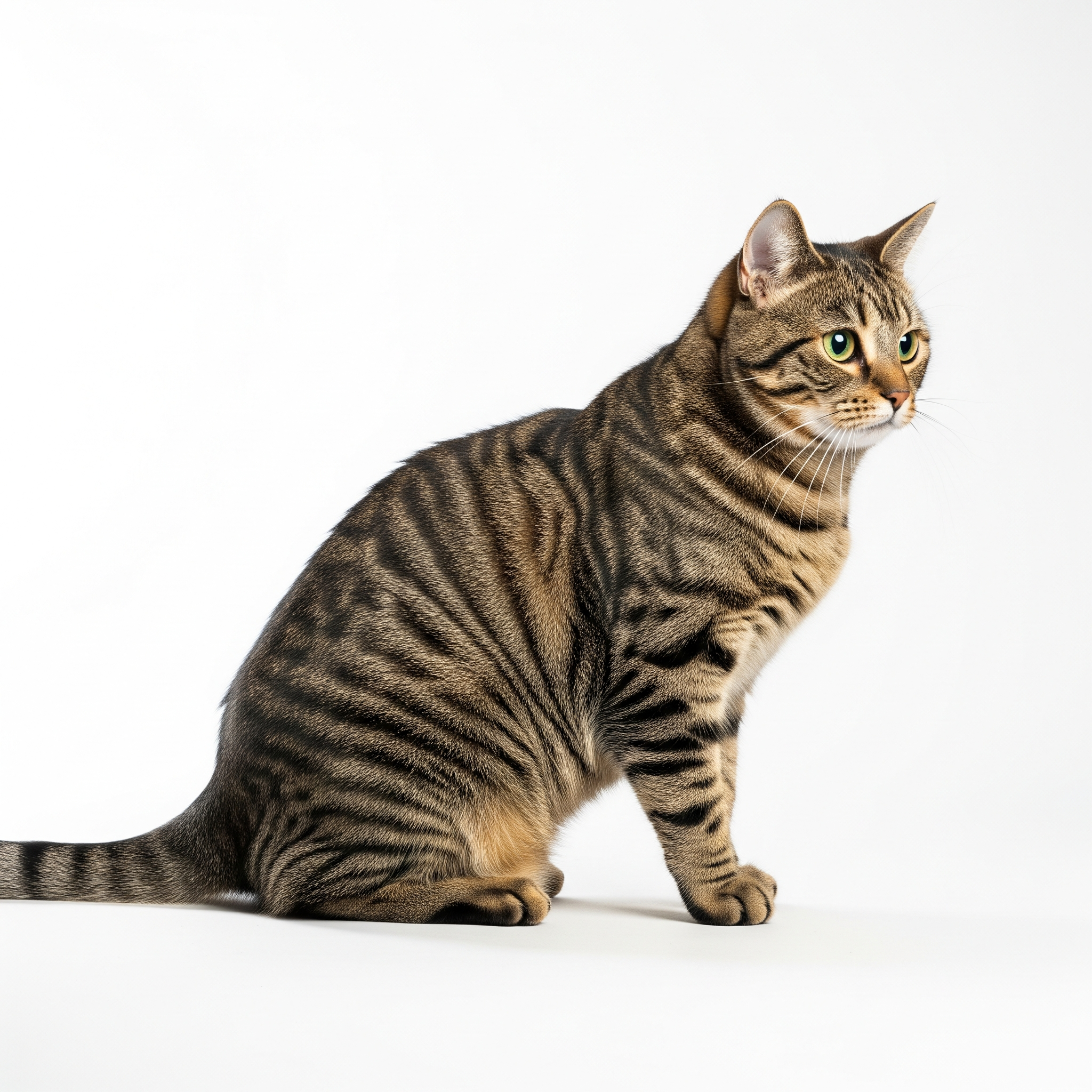
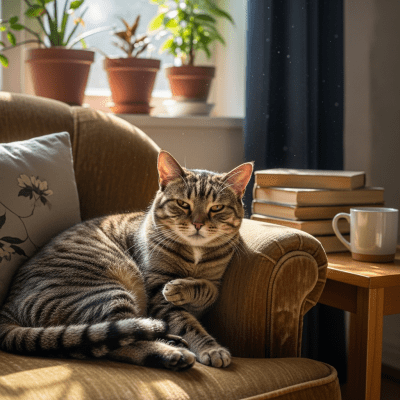
European Shorthairs are medium to large cats with a muscular, well-proportioned physique, broad chest, and sturdy legs. Their heads are rounded with full cheeks, complemented by medium-sized ears and expressive, slightly oval eyes that vary in color. The coat is short, dense, and resilient, offering a tactile sense of plushness and warmth. The breed displays a wide array of natural colors and patterns, including solid, tabby, and bicolor.

Behavior or Usage

Primarily valued as companion animals, European Shorthairs are known for their intelligence, adaptability, and moderate activity level. They thrive in diverse living environments, making them ideal for families and individuals alike. Occasionally, they are exhibited in cat shows, particularly within FIFe-affiliated organizations, but their main role remains that of a beloved household pet.

Merchandise & Prints

Bring this kind into your world � illustrated posters, mugs, and shirts.

European Shorthair European Shorthair Poster

European Shorthair Poster

Archival print, museum-grade paper

European Shorthair European Shorthair Mug

European Shorthair Mug

Stoneware mug, dishwasher safe

European Shorthair European Shorthair Shirt

European Shorthair Shirt

Soft cotton tee, unisex sizes

Attributes & Insights

Taxon-Specific Insights

🌍Cultural Significance

The European Shorthair embodies the archetype of the traditional European house cat, often depicted in art and literature as the familiar feline companion. Its presence in homes across Europe has made it a symbol of domesticity and everyday life, though it is less prominent in global media compared to some other breeds. The breed’s natural appearance and temperament reflect the enduring relationship between humans and native European cats.

📌Notable Facts

  • The breed was established to preserve the authentic traits of Europe’s native cats, separate from British and American Shorthair breeds.
  • European Shorthairs are renowned for their hardiness and resistance to common feline diseases.
  • Unlike many pedigree breeds, they have no documented breed-specific genetic disorders.
  • Their wide range of colors and patterns excludes colorpoint and hybridized markings.
  • Recognition is primarily European; most global registries do not formally list the breed.

📜Breed Recognition

  • Fédération Internationale Féline (FIFe) – the primary registry recognizing the European Shorthair as a distinct breed.
  • Other major registries (CFA, TICA, GCCF, ACFA, WCF) do not formally recognize the breed, typically subsuming it under general domestic shorthair categories.

Visual Variations

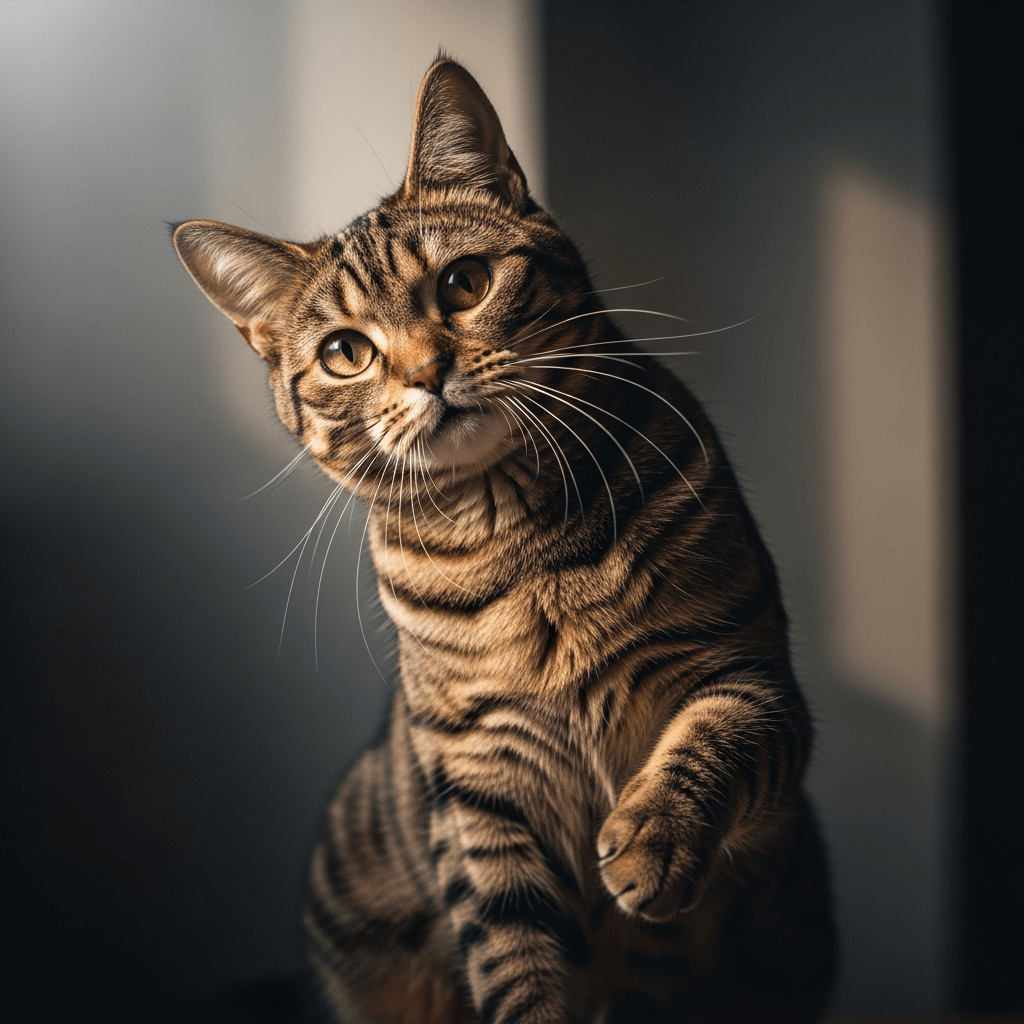
High resolution studio photograph of a European Shorthair
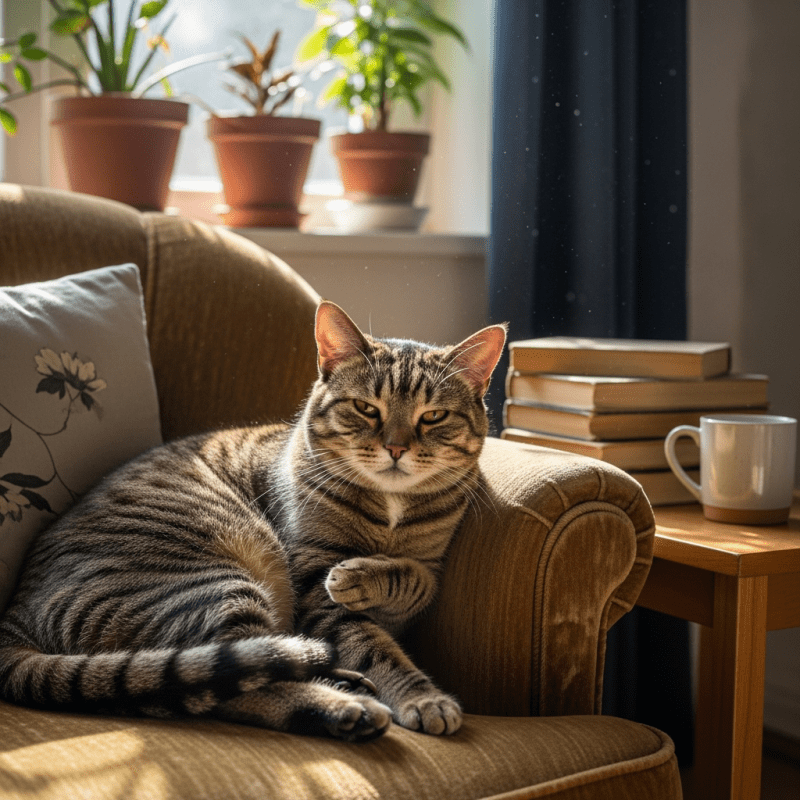
Naturalistic image of a European Shorthair
Image of a European Shorthair interacting with humans or participating in cultural activities
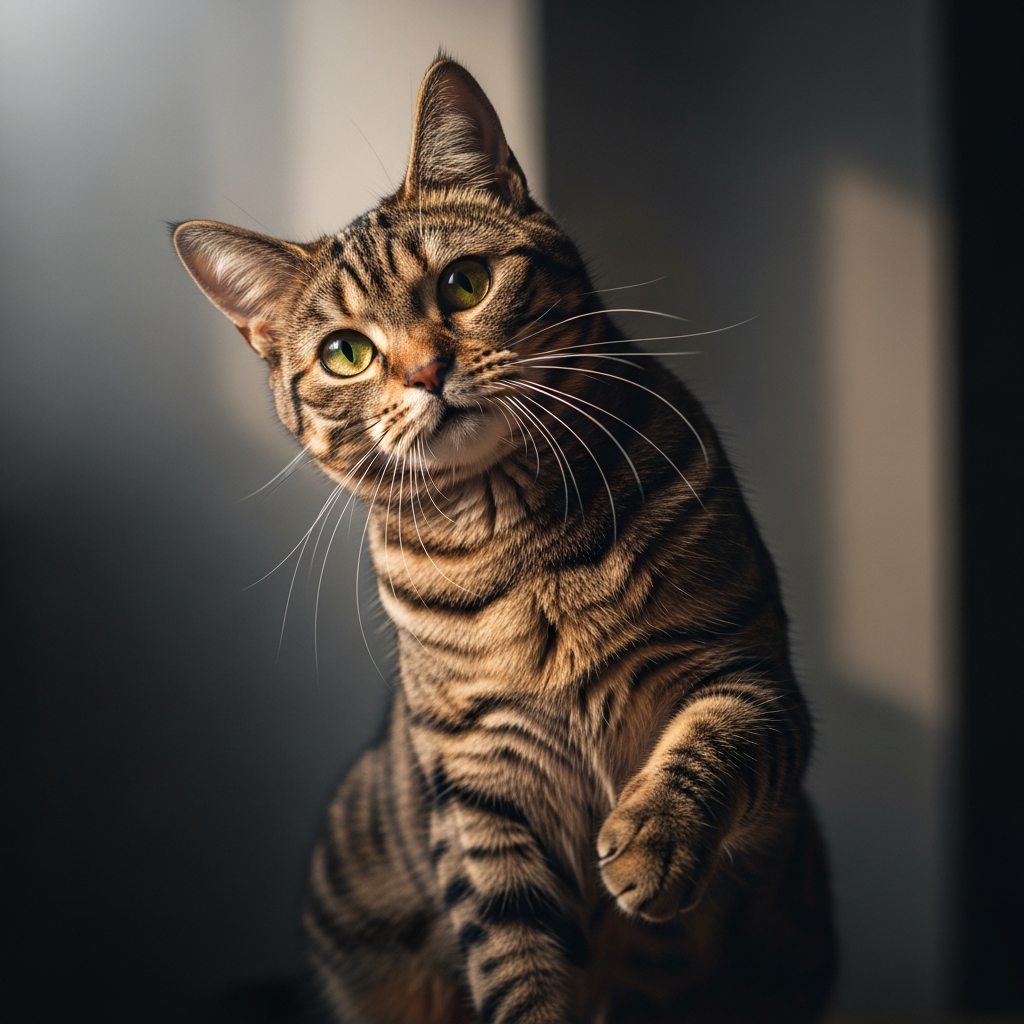
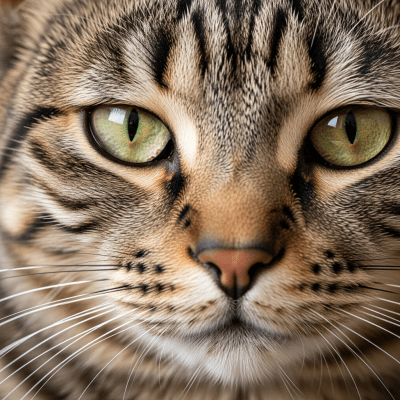
Close-up macro photograph of the face of a European Shorthair
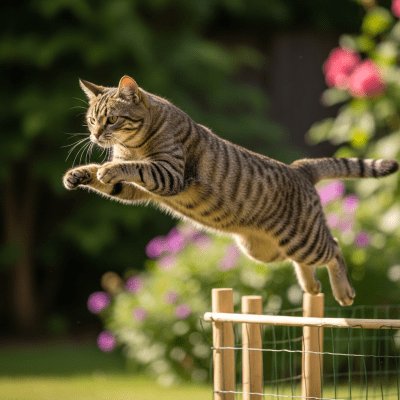
Action shot of a European Shorthair

Composition & Context

Taxon-Specific Insights

😺Temperament And Personality

European Shorthairs are celebrated for their adaptable and balanced temperament. They are intelligent, moderately active, and sociable, making them excellent companions for families and individuals. Their even disposition allows them to thrive in both quiet and lively households, and they tend to get along well with other pets.

❤️Health And Lifespan

This breed is generally hardy and resistant to common feline diseases. There are no documented breed-specific genetic disorders. European Shorthairs typically live 12–15 years, with full maturity reached around three years of age.

🧼Grooming And Care

European Shorthairs require minimal grooming due to their short, dense coats. Regular brushing helps maintain coat health and reduce shedding. Routine veterinary care, balanced nutrition, and mental stimulation are recommended to support their overall well-being.

🎨Common Colors And Patterns

The breed exhibits a broad range of natural colors and patterns, including solid, tabby, and bicolor. Colorpoint and hybridized patterns are excluded from the breed standard. Eye color varies and often complements the coat.

🌟Famous Examples

While the European Shorthair is a familiar presence in European households and occasionally features in regional literature and art, there are no widely recognized individual cats of this breed in global media or history. Its fame lies in its role as the classic European house cat.

🌍Regional Variants

Recognition and naming of the European Shorthair are primarily European. Alternate names include "Europäisch Kurzhaar" in German and "Europeisk Korthår" in Swedish. In some regions, the breed may be referred to as the "European Domestic Shorthair," though this can overlap with non-pedigreed cats. It is distinct from the British Shorthair and American Shorthair, which are separate breeds with their own standards.

🔖Synonyms And Nicknames

  • Europäisch Kurzhaar
  • Europeisk Korthår
  • European Cat
  • European Domestic Shorthair

Faq

  • Are European Shorthairs good family pets?
    Yes, they are adaptable, balanced, and well-suited to families and varied living environments.
  • What colors do European Shorthairs come in?
    They display a wide spectrum of natural colors and patterns, including solid, tabby, and bicolor.
  • Is the European Shorthair recognized worldwide?
    Formal recognition is primarily European, especially by FIFe; other registries often group them under domestic shorthair categories.