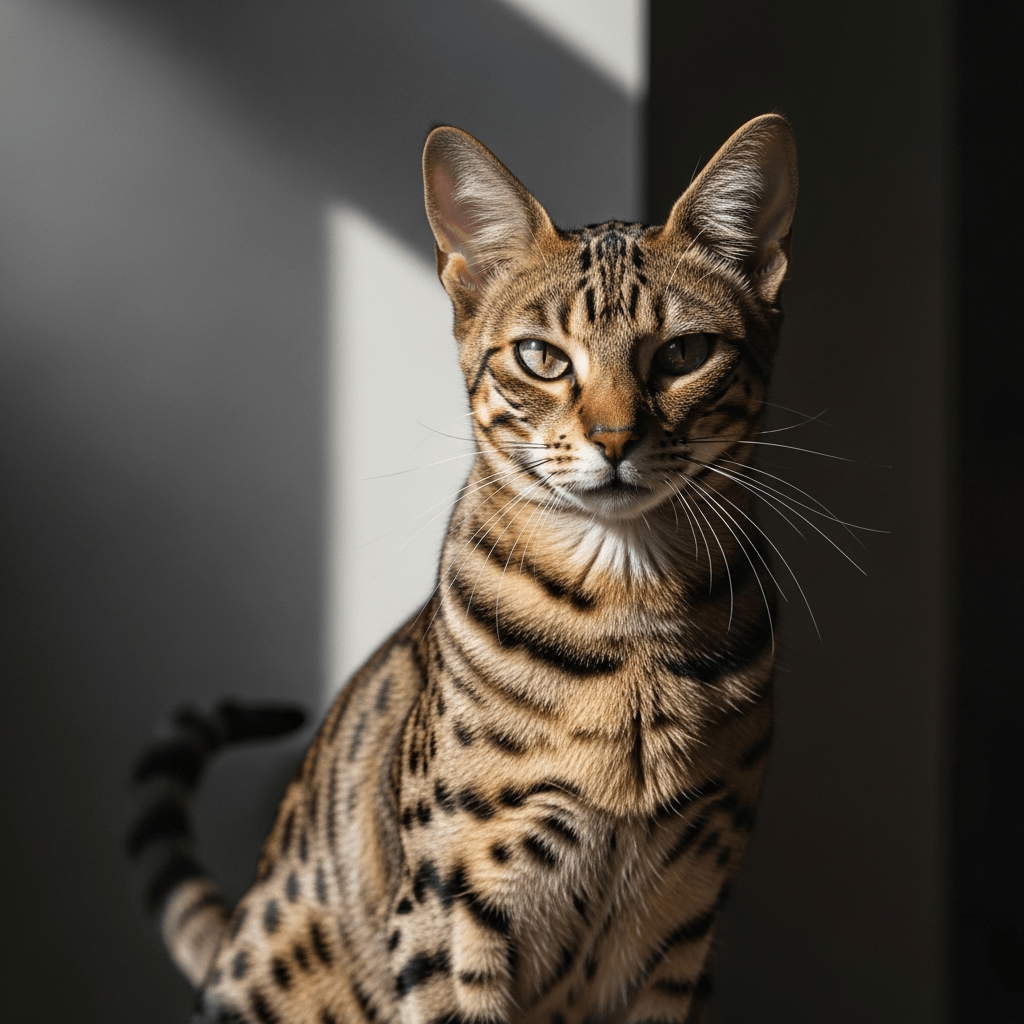
Egyptian Mau
The Egyptian Mau is a naturally spotted domestic cat breed celebrated for its striking coat, expressive green eyes, and remarkable agility.
The Egyptian Mau is a naturally spotted domestic cat breed celebrated for its striking coat, expressive green eyes, and remarkable agility.
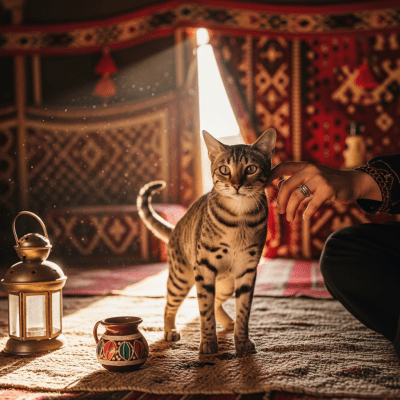
Originating in Egypt, the Egyptian Mau’s lineage is steeped in history, with ancient depictions and references tracing back thousands of years. The breed’s modern development began in the 1950s when Russian princess Nathalie Troubetskoy rescued Maus from Egypt and established a breeding program in Italy. By 1956, the breed had reached the United States, where its natural ancestry—free from wild cat hybrids—was preserved and refined. Today, the Mau is recognized as a natural breed, not a man-made hybrid, with its roots firmly planted in Egyptian heritage.
The Egyptian Mau is classified within the domestic cat species Felis catus. It stands out as the only naturally occurring spotted breed among domestic cats, fitting squarely within the recognized breed structure maintained by major international cat registries. Unlike hybrid breeds, the Mau’s classification is based on its natural lineage and unique physical traits.
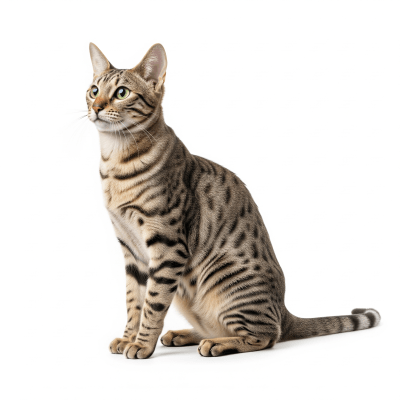
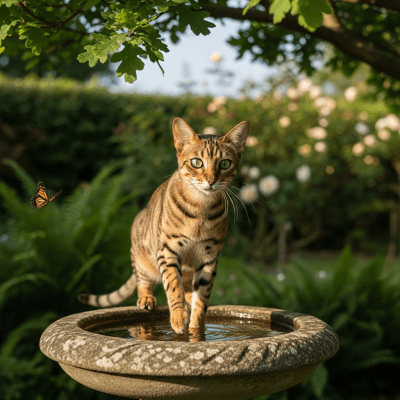
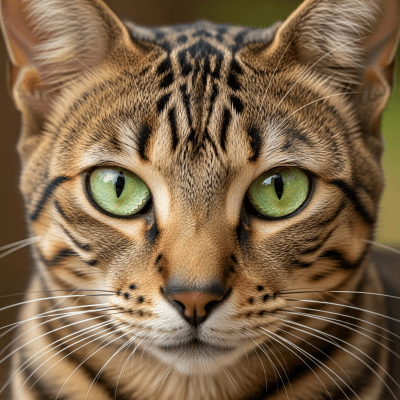
Egyptian Maus are medium-sized, muscular cats with an athletic build and a distinctive loose skin flap running from the flank to the hind leg, enhancing their running prowess. Their short to medium-length coat is silky, adorned with randomly arranged spots in colors such as silver, bronze, smoke, and occasionally black. The breed’s vivid gooseberry green eyes and often "worried" facial expression lend it a captivating and expressive look.
Renowned for their intelligence and agility, Egyptian Maus are among the fastest domestic cats, capable of reaching speeds up to 30 miles per hour. They are playful, loyal, and affectionate, forming strong bonds with their families. Maus thrive as companion animals and excel in cat shows, prized for their beauty and lively disposition.
Bring this kind into your world illustrated posters, mugs, and shirts.
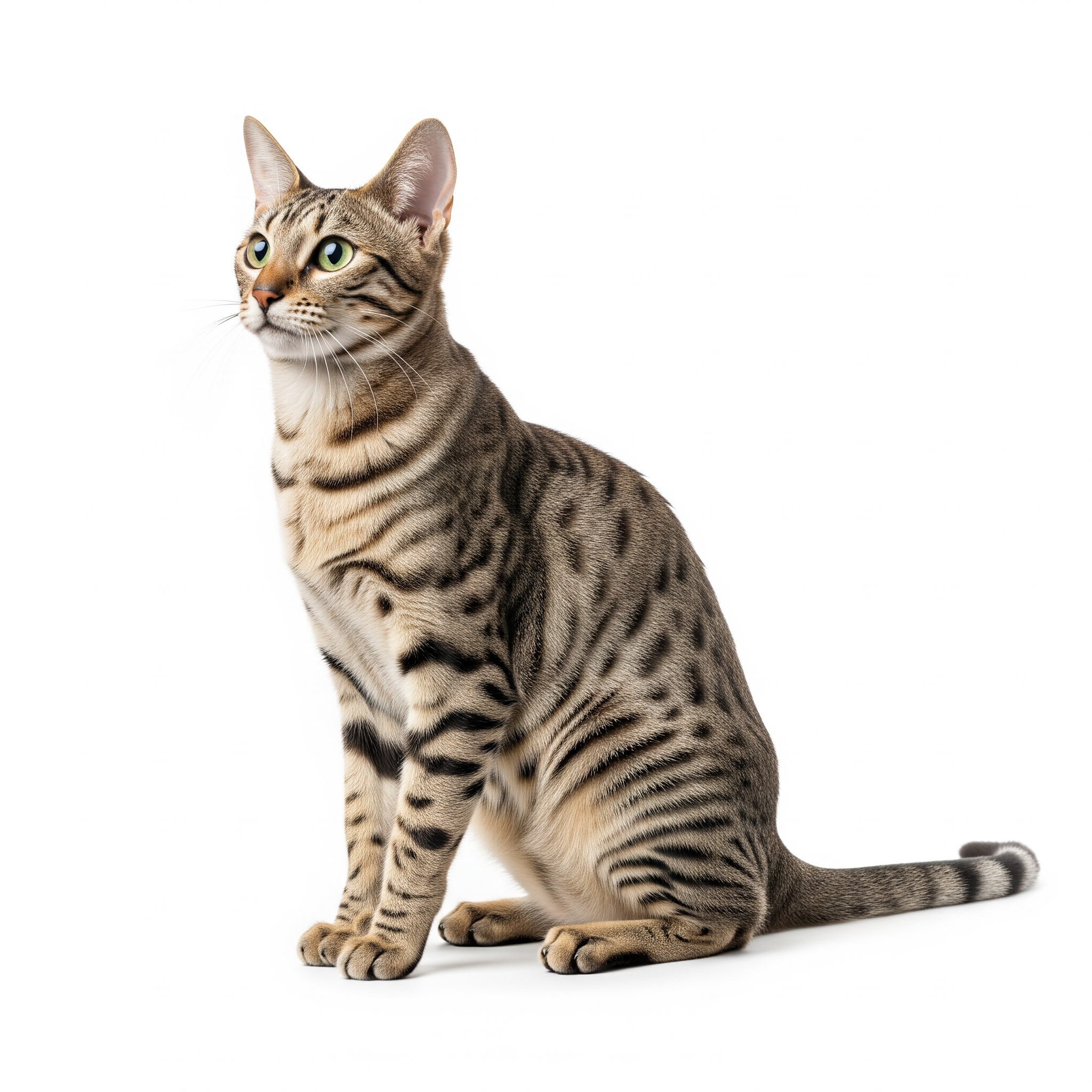
Archival print, museum-grade paper
Buy Poster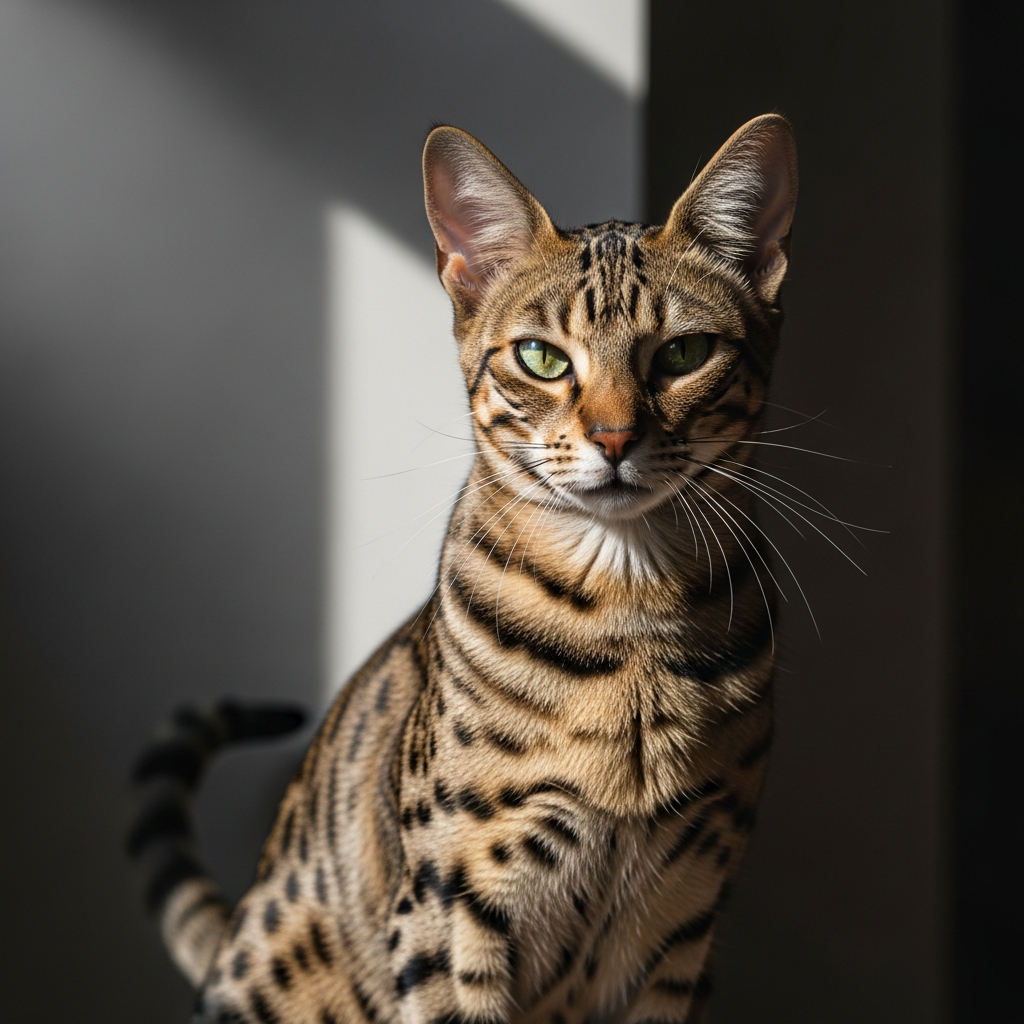
Stoneware mug, dishwasher safe
Buy Mug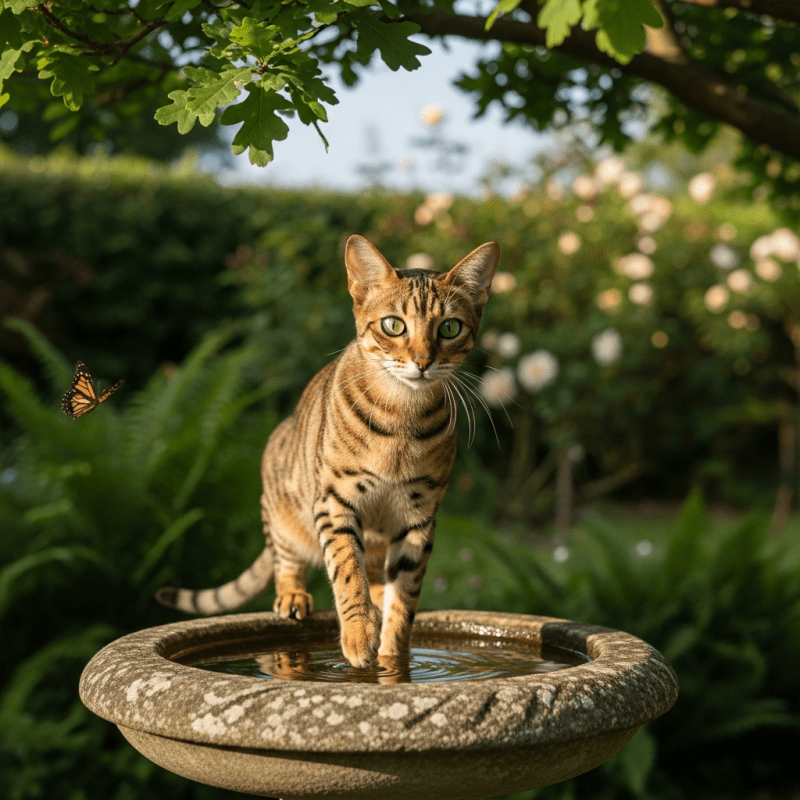
Soft cotton tee, unisex sizes
Buy ShirtThe Egyptian Mau’s connection to ancient Egypt is reflected in art and legend, where spotted cats were revered and often depicted alongside royalty. Today, the breed’s exotic appearance and storied past continue to captivate cat enthusiasts, symbolizing both historical mystique and natural elegance in feline culture.
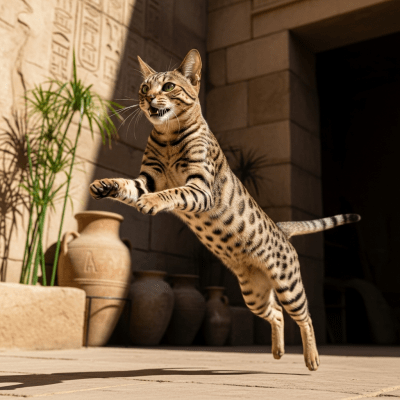
Egyptian Maus are intelligent, loyal, and playful. They are known for their affectionate nature, often forming deep bonds with their families. Maus enjoy interactive play, are curious, and tend to be devoted companions, thriving in environments where they receive attention and stimulation.
Generally healthy, Egyptian Maus have no widely reported breed-specific genetic disorders. Some lines may be sensitive to anesthesia, so veterinary care should take this into account. The typical lifespan ranges from 12 to 16 years, with proper care contributing to their longevity.
Minimal grooming is required for Egyptian Maus due to their short to medium-length, fine coat. Regular brushing helps maintain coat health and reduces shedding. Routine veterinary care, a balanced diet, and opportunities for exercise are recommended to keep Maus healthy and happy.
The Egyptian Mau’s coat features randomly arranged spots, with accepted colors including silver, bronze, and smoke. Black Maus exist but are not always accepted for show purposes. Their unique patterning and vivid green eyes are hallmarks of the breed.
While individual Egyptian Maus may not be widely known by name, the breed itself is famous for its ancient Egyptian depictions and its role in modern cat shows. Princess Nathalie Troubetskoy’s foundation cats are notable for establishing the breed in Europe and North America.
Regional variants of the Egyptian Mau are minimal. Some registries may recognize additional coat colors or have slight differences in breed standards, but the breed’s core characteristics remain consistent worldwide.