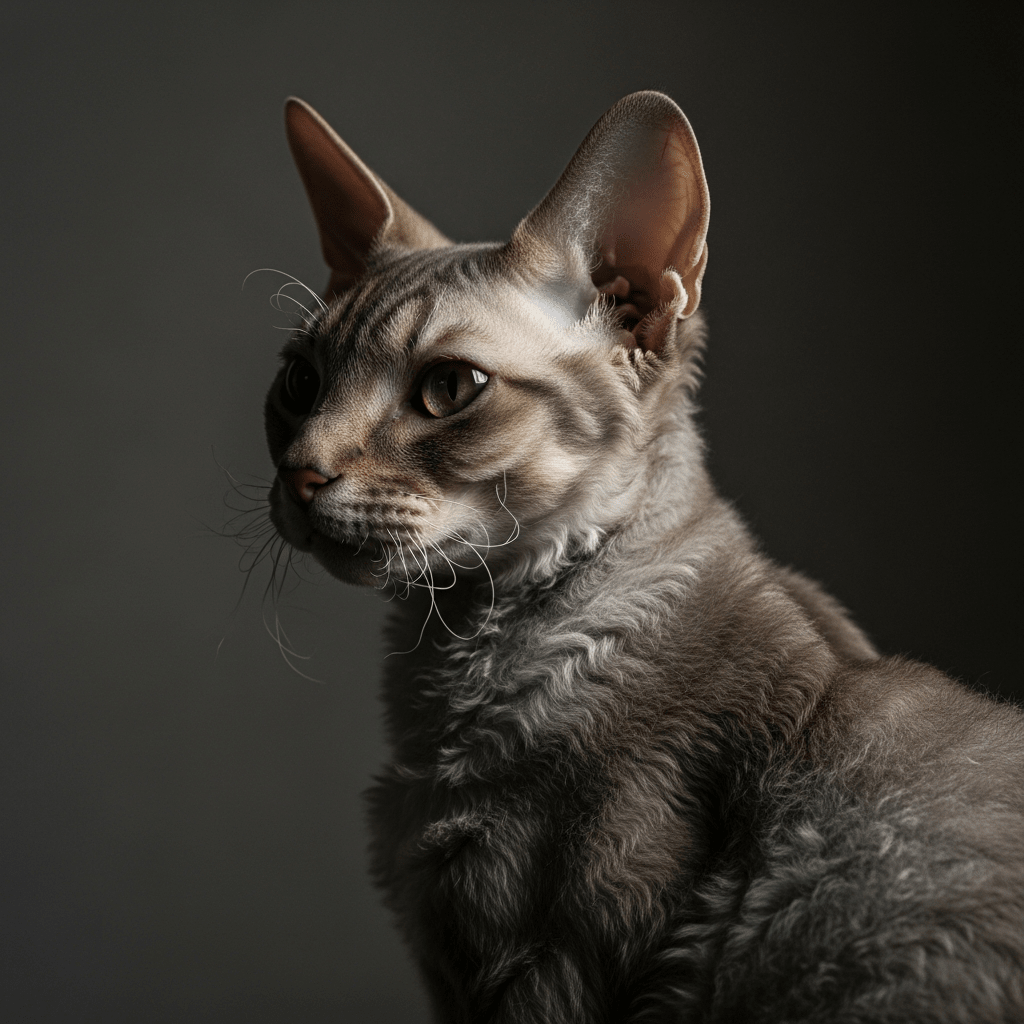
Cornish Rex
The Cornish Rex is a distinctive domestic cat breed celebrated for its unique curly coat, slender physique, and playful, affectionate temperament.
The Cornish Rex is a distinctive domestic cat breed celebrated for its unique curly coat, slender physique, and playful, affectionate temperament.
Originating in Cornwall, England, in 1950, the Cornish Rex began with a spontaneous genetic mutation in a kitten named Kallibunker. Breeder Nina Ennismore recognized the potential of this curly-coated feline and, through selective breeding with domestic cats, established the breed’s signature look and lively personality. Unlike hybrid breeds, the Cornish Rex’s lineage is purely domestic, with its defining trait stemming from a mutation affecting hair structure.
The Cornish Rex belongs to the species Felis catus, the domestic cat, and is classified as a distinct breed recognized by major cat registries worldwide. It is part of the broader group of Rex breeds, which are characterized by their curly coats. The breed is not a hybrid and fits squarely within the domestic cat taxonomy.
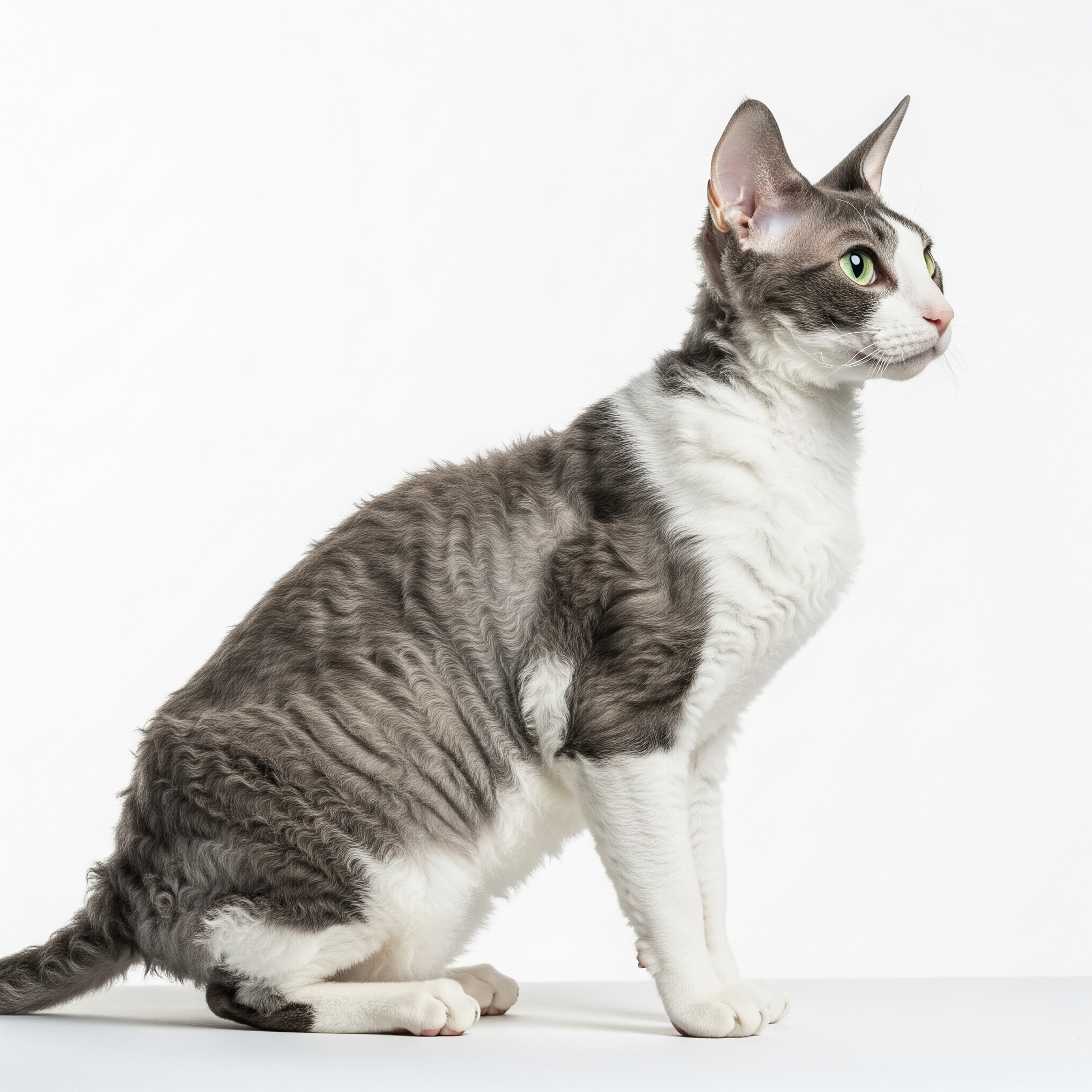
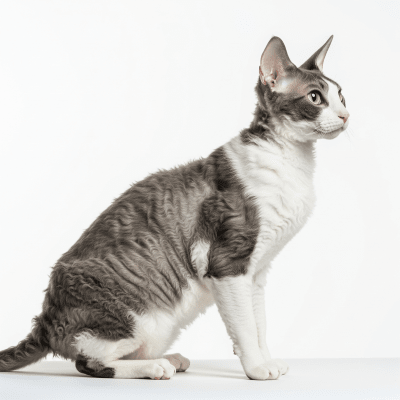
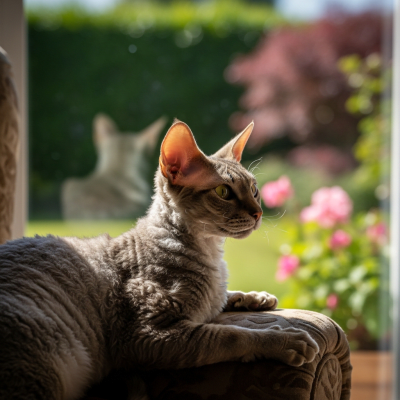
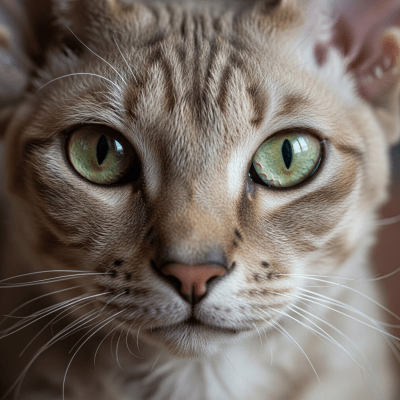
Cornish Rex cats are medium-sized with a fine-boned, slender frame, long legs, and a whippy tail. Their most striking feature is the soft, wavy, curly coat, which lacks guard hairs and consists only of down and awn hairs, resulting in a silky texture that feels unlike any other cat. The breed’s elegant, athletic build and expressive features further enhance its distinctive look.
Renowned for their high energy and agility, Cornish Rex cats are exceptionally playful and sociable, often retaining a "kittenish" demeanor well into adulthood. Their intelligence and affectionate nature make them ideal companions, thriving in interactive households. The breed is popular in cat shows and valued as a pet for its lively personality and unique appearance.
Bring this kind into your world illustrated posters, mugs, and shirts.
Archival print, museum-grade paper
Buy Poster
Stoneware mug, dishwasher safe
Buy Mug
Soft cotton tee, unisex sizes
Buy ShirtThe Cornish Rex has captured the imagination of cat enthusiasts and breeders, becoming a symbol of feline elegance and genetic curiosity. Its unusual coat and spirited personality have made it a favorite in cat shows and among those seeking a distinctive companion. The breed’s origin story and striking appearance are often featured in breed literature and feline exhibitions, highlighting its place in modern cat culture.
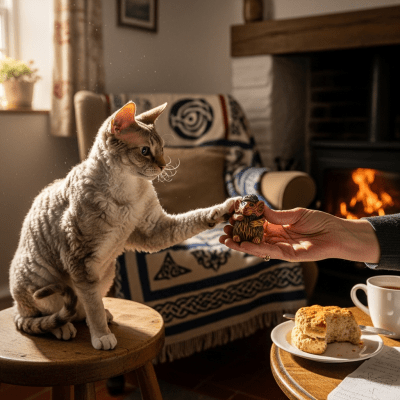
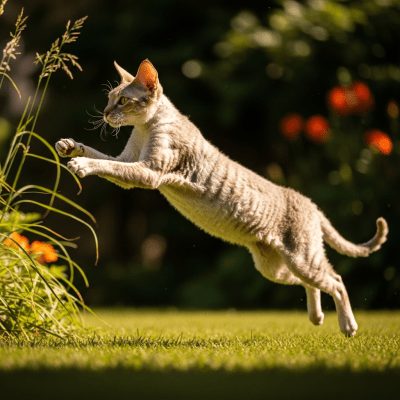
Cornish Rex cats are celebrated for their affectionate, intelligent, and highly energetic personalities. They thrive on interaction, often engaging in playful antics and forming strong bonds with their humans. Their sociability and curiosity make them well-suited to active households, and their "kittenish" behavior persists throughout their lives.
The Cornish Rex is generally a healthy breed, though its thin coat can make it sensitive to cold temperatures. Some lines may be predisposed to patellar luxation or hypotrichosis, but major genetic disorders are rare. With proper care, Cornish Rex cats typically enjoy a long, active life.
Grooming needs for the Cornish Rex are minimal due to its short, curly coat, which sheds little and rarely mats. Regular gentle brushing can help maintain the coat’s texture. Owners should ensure their cats are kept warm, especially in cooler climates, and provide routine veterinary care for optimal health.
The Cornish Rex breed is accepted in a wide range of coat colors and patterns, including solid, tabby, bicolor, and more. Registry standards vary, but the breed’s signature curly coat is a universal trait regardless of color or pattern.
While individual Cornish Rex cats may not be widely known in mainstream media, the original kitten "Kallibunker" is celebrated as the foundation of the breed. The Cornish Rex regularly features in cat shows and breed exhibitions, where its unique appearance garners attention and accolades.
The name "Cornish Rex" is standard worldwide, though some registries group it with other Rex breeds such as the Devon Rex. Regional standards may differ slightly, but the defining curly coat remains consistent across all variants.