Chartreux
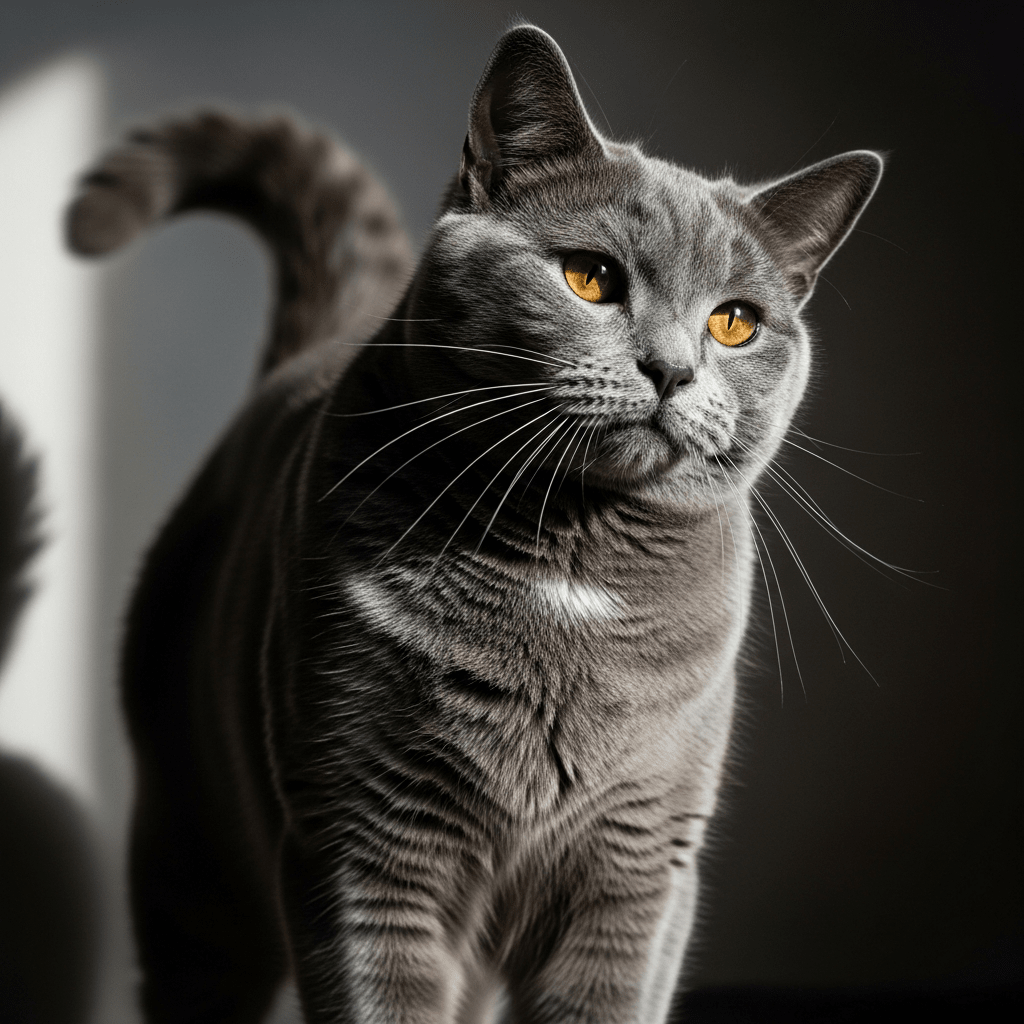
The Chartreux is a historic French breed of domestic cat, celebrated for its muscular build, copper to gold eyes, and distinctive blue-grey woolly coat.
The Chartreux is a historic French breed of domestic cat, celebrated for its muscular build, copper to gold eyes, and distinctive blue-grey woolly coat.
Originating in France, the Chartreux’s documented history stretches back to the 16th century. Though its precise beginnings remain partly speculative, legend links the breed to Carthusian monks, but this connection is unconfirmed. The modern Chartreux was standardized in the 1920s and 1930s by French breeders, most notably the Leger sisters, who developed the breed from feral blue cats found on Belle-Île-sur-Mer. Official recognition came from Fédération Internationale Féline (FIFe) in 1970 and the Cat Fanciers’ Association (CFA) in 1987.
The Chartreux belongs to the species Felis catus, within the family Felidae and genus Felis. As a recognized breed, it is catalogued by major registries including FIFe, CFA, and TICA. Its classification is based on distinct physical and behavioral traits, setting it apart from other domestic cats.
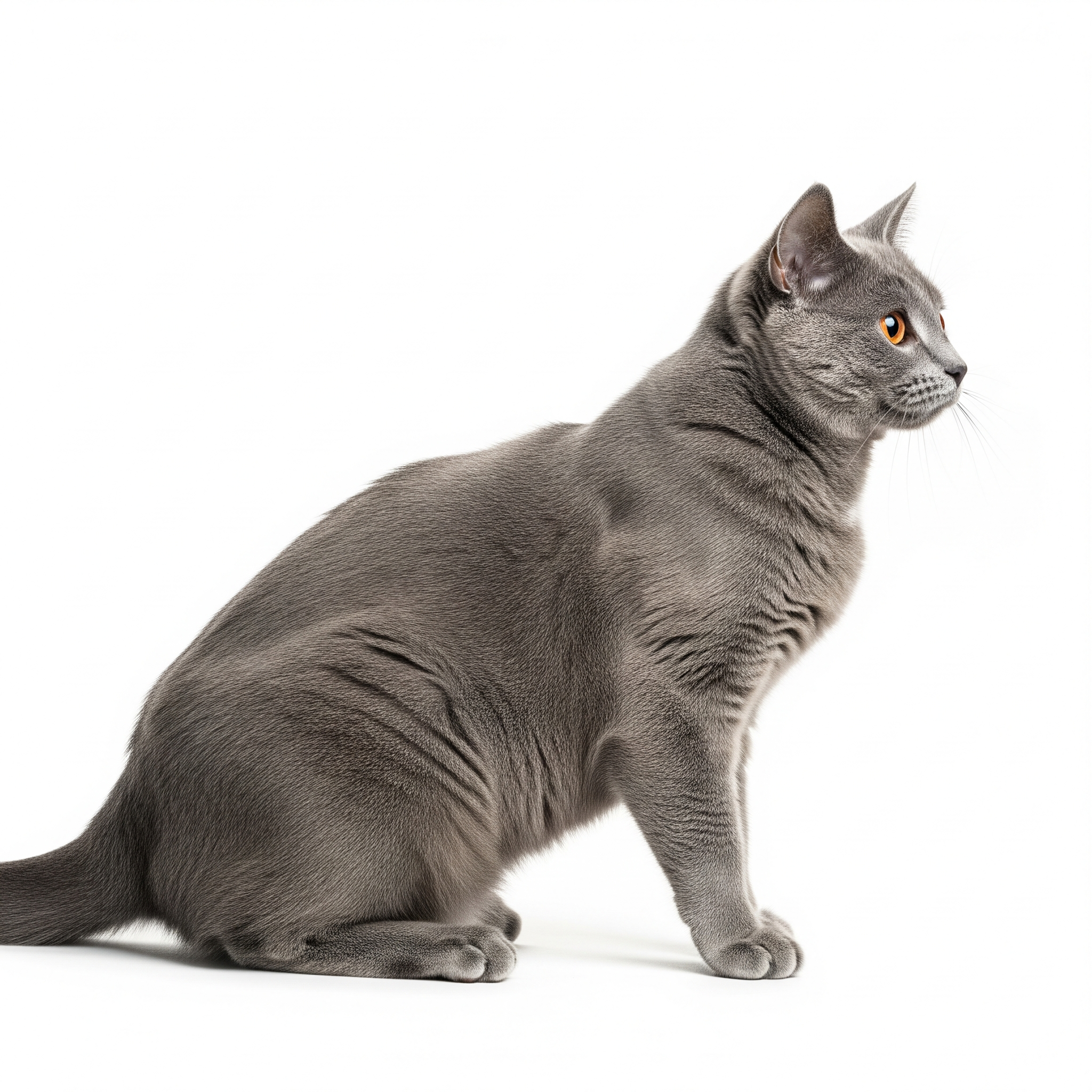
Chartreux cats are medium to large, with a robust, cobby body, broad shoulders, and deep chest. Their rounded head features full cheeks, a straight nose, and a sweet, smiling expression. The breed’s hallmark is its dense, double-layered blue-grey coat, which is woolly, plush, and water-resistant. Eyes are strikingly copper to gold, with vivid orange most prized. The overall impression is one of gentle strength and plush elegance.
Known for their gentle and affectionate nature, Chartreux cats are prized as companion animals and family pets. They are intelligent, agile, and possess strong hunting instincts, yet are notably quiet, often communicating with soft voices. Their adaptability and calm demeanor make them well-suited to a variety of households, and they are popular in cat shows for their distinctive appearance and sweet temperament.
Bring this kind into your world illustrated posters, mugs, and shirts.
Archival print, museum-grade paper
Buy Poster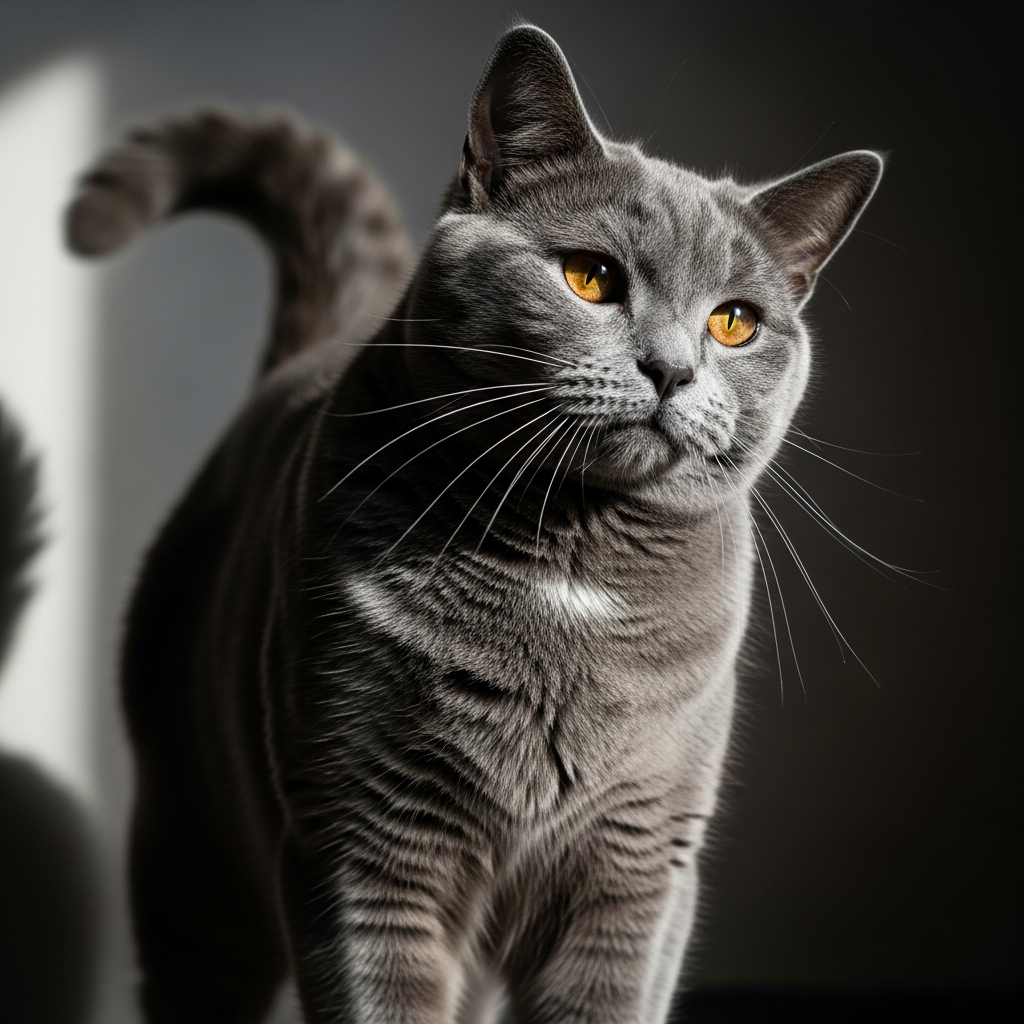
Stoneware mug, dishwasher safe
Buy Mug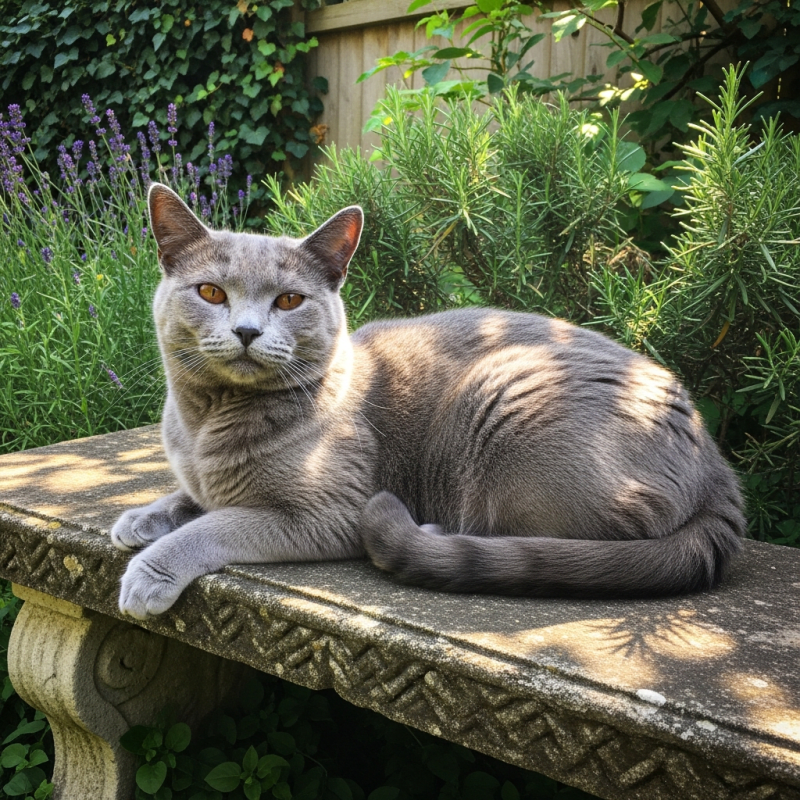
Soft cotton tee, unisex sizes
Buy ShirtOften regarded as a national treasure of France, the Chartreux has appeared in French literature, art, and folklore. Its legendary association with Carthusian monks adds a romantic mystique, and its presence in cat shows and as a beloved family pet has cemented its status as an enduring symbol of French feline heritage.
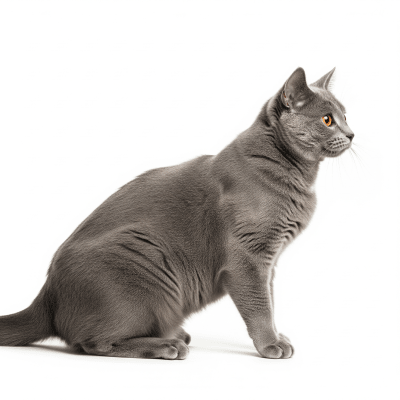


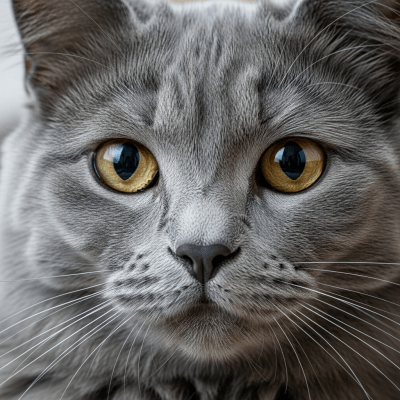

Chartreux cats are affectionate, gentle, and highly intelligent. They are known for their quiet voices, strong hunting instincts, and playful agility. Their calm and adaptable personality makes them ideal for families, singles, and seniors alike. Chartreux are loyal but not overly demanding, often forming strong bonds with their humans while remaining independent and serene.
Generally robust and healthy, the Chartreux has an average lifespan of 12 to 15 years. Some lines may be predisposed to patellar luxation and polycystic kidney disease, but these issues are relatively uncommon. Regular veterinary care and a balanced diet help ensure a long, healthy life.
The Chartreux’s dense, woolly coat requires minimal grooming—occasional brushing is sufficient to remove loose hair and maintain its plush texture. Routine care should include regular dental checks, nail trimming, and annual veterinary visits. Their easygoing nature makes them low-maintenance companions.
The Chartreux is exclusively solid blue-grey in color, with no patterns. The coat may vary slightly in shade and texture, but breed standards favor a uniform, plush blue appearance. Eye color ranges from copper to gold, with vivid orange especially prized.
While individual Chartreux cats have appeared in French literature and art, the breed itself is often celebrated as a symbol of French feline heritage. Notable Chartreux cats have won prestigious awards at international cat shows, further elevating the breed’s reputation.
There are no formally recognized regional variants of the Chartreux. All major registries uphold a consistent breed standard, though minor differences in coat texture and eye color preferences may exist among organizations.