Origin Story

Originating in the United Kingdom, the European Burmese was developed from cats imported from Burma (now Myanmar) in the early 20th century. Its foundation stock included the legendary Wong Mau and crosses with Siamese and other domestic cats. Selective breeding programs, notably initiated by Dr. Joseph Thompson and expanded by UK breeders, led to formal recognition by the GCCF in the 1950s. Divergence from the American Burmese arose due to differing breeding standards and selection criteria, resulting in a breed with unique characteristics.

Classification

The European Burmese belongs to the species Felis catus and is classified as a distinct breed within the domestic cat taxonomy. It is recognized by major European registries such as the GCCF and FIFe, and is grouped separately from the American Burmese due to notable differences in breed standards, morphology, and temperament.

Appearance or Form

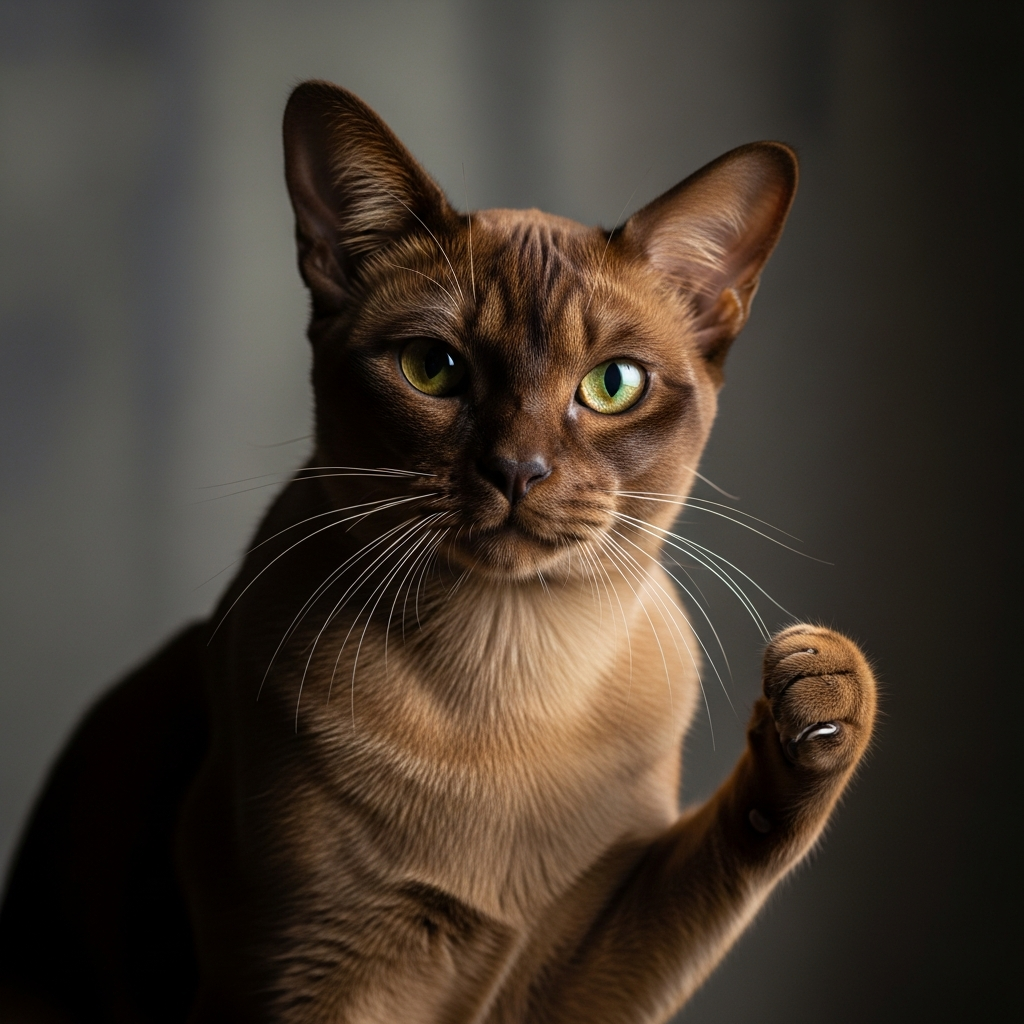
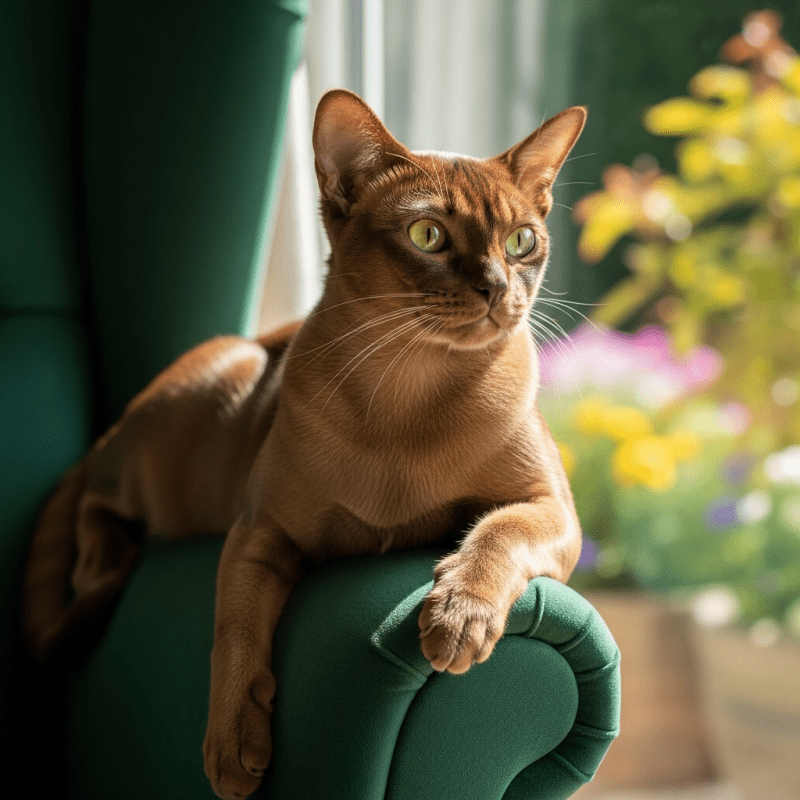
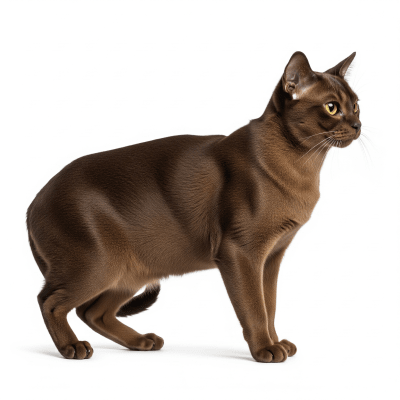
This breed is medium-sized and muscular, with an elegant, balanced frame. Its short, fine, and glossy coat lies close to the body, accentuating the cat’s graceful silhouette. The head is wedge-shaped with a gently rounded top, complemented by large, expressive gold or yellow eyes and medium-sized ears set well apart. The European Burmese’s moderate head shape and broader color palette distinguish it from the American variant.

Behavior or Usage

European Burmese cats are cherished as companion animals, known for their affectionate and social demeanor. They thrive in family environments, eagerly seeking interaction and play. Their adaptability makes them popular household pets and show cats across Europe, with their temperament often described as people-oriented and playful.

Merchandise & Prints

Bring this kind into your world � illustrated posters, mugs, and shirts.

European Burmese European Burmese Poster

European Burmese Poster

Archival print, museum-grade paper

European Burmese European Burmese Mug

European Burmese Mug

Stoneware mug, dishwasher safe

European Burmese European Burmese Shirt

European Burmese Shirt

Soft cotton tee, unisex sizes

Attributes & Insights

Taxon-Specific Insights

🌍Cultural Significance

The European Burmese holds a special place in European cat fancy, regularly featured in cat shows and admired for its beauty and temperament. Its development and recognition reflect the evolution of cat breeding standards in Europe, and the breed’s expressive eyes and elegant form have made it a favorite subject in feline photography and literature.

📌Notable Facts

  • The European Burmese allows a wider range of coat colors than the American Burmese, including red, cream, and tortoiseshell.
  • Its foundation stock includes Wong Mau, a legendary cat also central to the development of the American Burmese.
  • The breed is robust and generally healthy, with fewer genetic issues than its American counterpart.
  • European Burmese are recognized for their strong attachment to people and adaptability to various living situations.

📜Breed Recognition

  • GCCF (Governing Council of the Cat Fancy)
  • FIFe (Fédération Internationale Féline)

Visual Variations

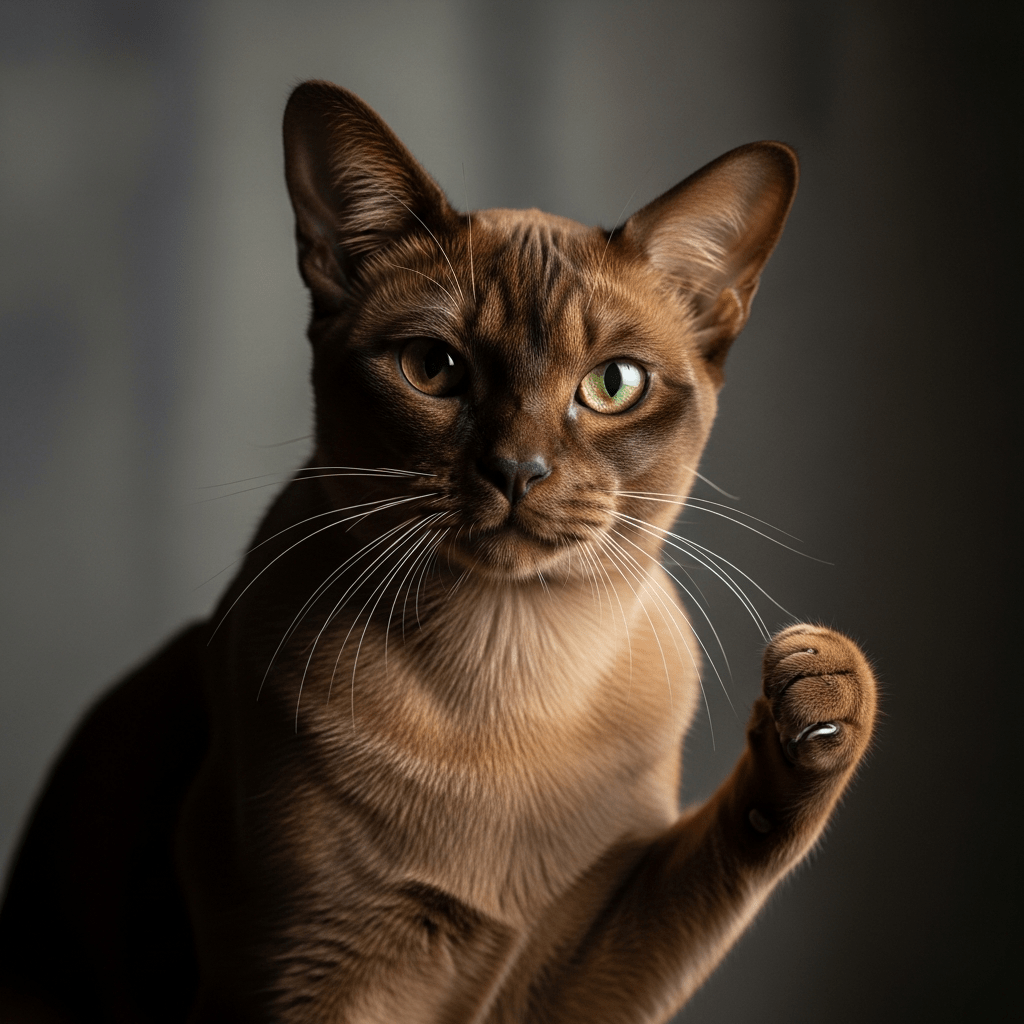
High resolution studio photograph of a Burmese (European)
Naturalistic image of a Burmese (European)
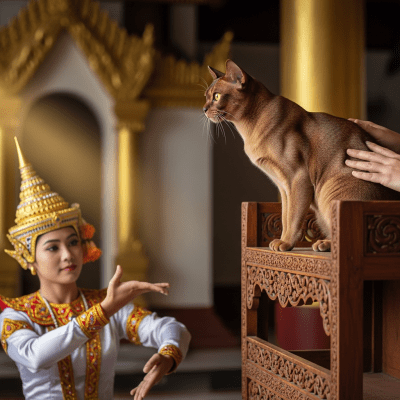
Image of a Burmese (European) interacting with humans or participating in cultural activities
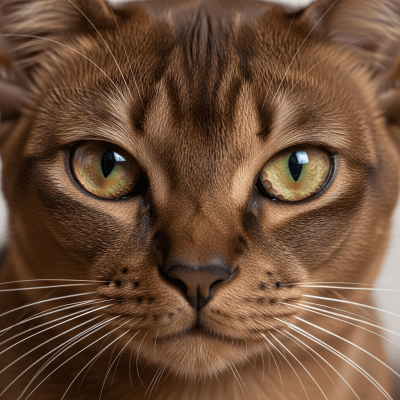
Close-up macro photograph of the face of a Burmese (European)
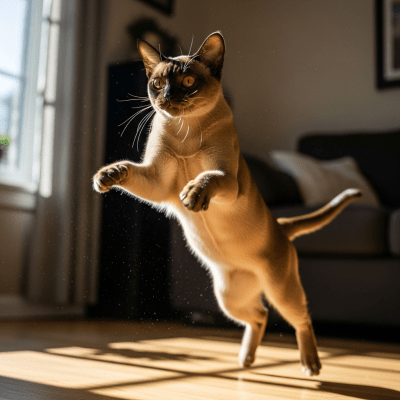
Action shot of a Burmese (European)

Composition & Context

Taxon-Specific Insights

😺Temperament And Personality

European Burmese cats are affectionate, social, and playful. They are highly people-oriented, enjoying close interaction with their families and adapting well to new environments. Their lively, inquisitive nature makes them engaging companions, and they are known for forming strong bonds with their owners.

❤️Health And Lifespan

Generally robust, European Burmese cats may be predisposed to certain genetic conditions such as hypokalemia and craniofacial defects, though these issues are less common than in the American line. With proper care, they typically enjoy a healthy and active life, though specific lifespan data is not widely documented.

🧼Grooming And Care

The breed’s short, fine coat requires minimal grooming—regular brushing is sufficient to maintain its glossy appearance. European Burmese benefit from routine veterinary care, a balanced diet, and regular play to support their social and physical well-being.

🎨Common Colors And Patterns

European Burmese cats are found in a diverse range of colors, including brown (sable), blue, chocolate, lilac, red, cream, and various tortoiseshell patterns. Their coat is always short, fine, and glossy, with gold or yellow eyes adding to their striking appearance.

🌟Famous Examples

While individual European Burmese cats may not be widely known in popular media, the breed itself is celebrated in European cat shows and by enthusiasts for its elegance and charm. Foundation cats such as Wong Mau are legendary within breed history.

🌍Regional Variants

The European Burmese is grouped under this name by both FIFe and GCCF, despite minor regional distinctions in Australia and continental Europe. It is always distinguished from the American Burmese by appearance and registry standards, with all regional variants unified under the European Burmese classification in major European registries.

🔖Synonyms And Nicknames

  • Burmese (UK type)
  • European Burmese
  • Burmese (FIFe/GCCF type)

Faq

  • How is the European Burmese different from the American Burmese?
    The European Burmese has a more moderate head shape and a broader range of coat colors, with differences in temperament and breed standards.
  • Are European Burmese good with children and other pets?
    Yes, they are known for their affectionate, social nature and typically get along well with children and other animals.
  • Do European Burmese require a lot of grooming?
    No, their short, close-lying coat requires minimal grooming.