Burmese
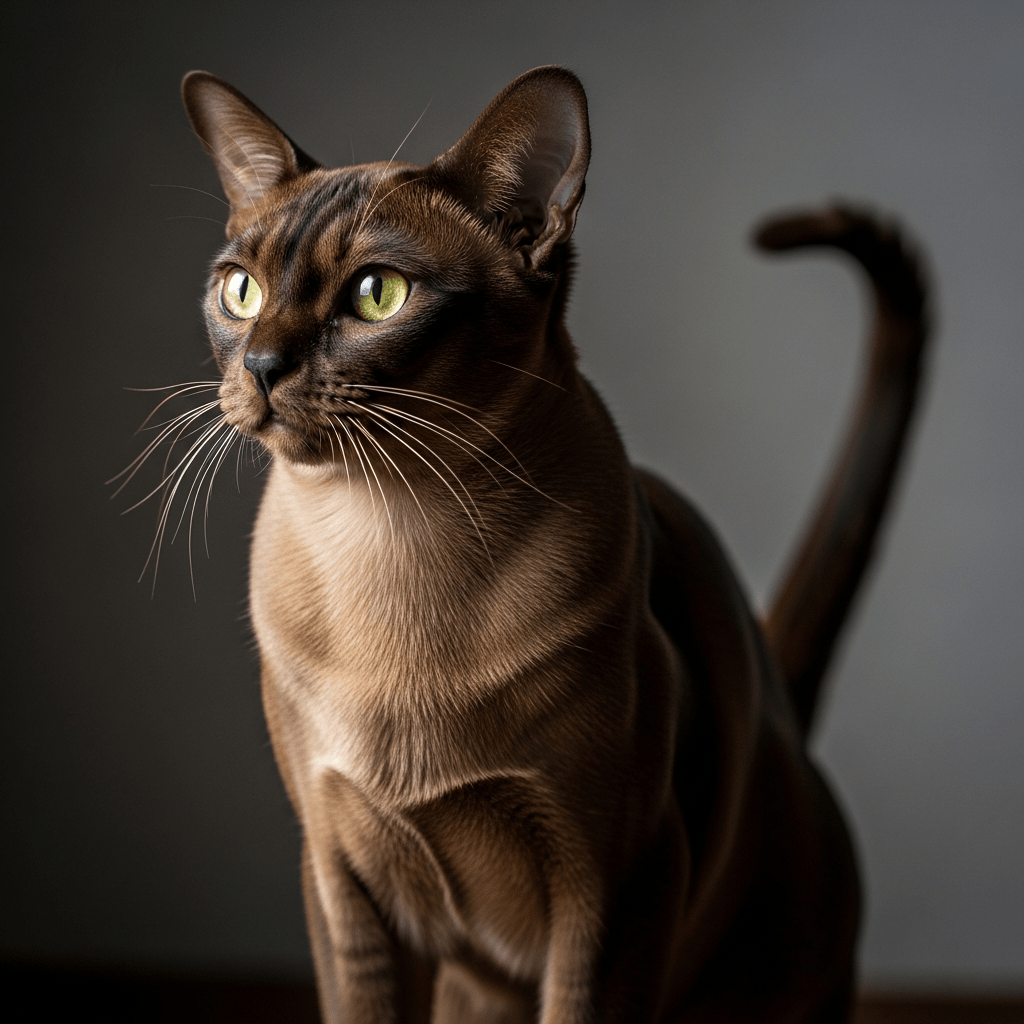
The Burmese is a compact, muscular breed of domestic cat celebrated for its glossy, short coat, expressive golden eyes, and affectionate, people-oriented nature.
The Burmese is a compact, muscular breed of domestic cat celebrated for its glossy, short coat, expressive golden eyes, and affectionate, people-oriented nature.
The Burmese breed traces its roots to the United States in the 1930s, when a single cat named Wong Mau was brought from Burma (now Myanmar) to San Francisco by Dr. Joseph Thompson. Through selective breeding with Siamese cats, Wong Mau’s descendants established the foundation of the Burmese breed. The Cat Fanciers’ Association (CFA) officially recognized the Burmese in 1936, and the breed’s popularity soon spread worldwide. The modern Burmese is thus a blend of Southeast Asian ancestry and American selective breeding, resulting in a distinct and beloved companion.
The Burmese belongs to the species Felis catus, the domestic cat. It is classified as a recognized breed within all major cat registries, including the CFA, TICA, FIFe, GCCF, ACFA, and WCF. The breed sits within the broader group of shorthair domestic cats and is further divided into American and European Burmese, each with subtle differences in appearance and breed standard.
Burmese cats are medium-sized and notably compact, with a muscular, substantial build that feels heavier than it appears. Their most distinctive features include a rounded head, short muzzle, and large, expressive eyes in shades of gold or yellow. The coat is short, fine, and exceptionally glossy, lying close to the body with a satin-like sheen. Breed standards emphasize overall roundness and a robust physique, giving the Burmese a soft yet powerful presence.
Burmese cats are renowned for their affectionate, playful, and highly social demeanor. They thrive on human companionship, often forming strong bonds with their families and following them from room to room. Their "dog-like" attachment and interactive nature make them excellent companions for both individuals and families. Burmese cats are primarily kept as indoor pets and show cats, valued for their adaptability, intelligence, and engaging personalities.
Bring this kind into your world illustrated posters, mugs, and shirts.
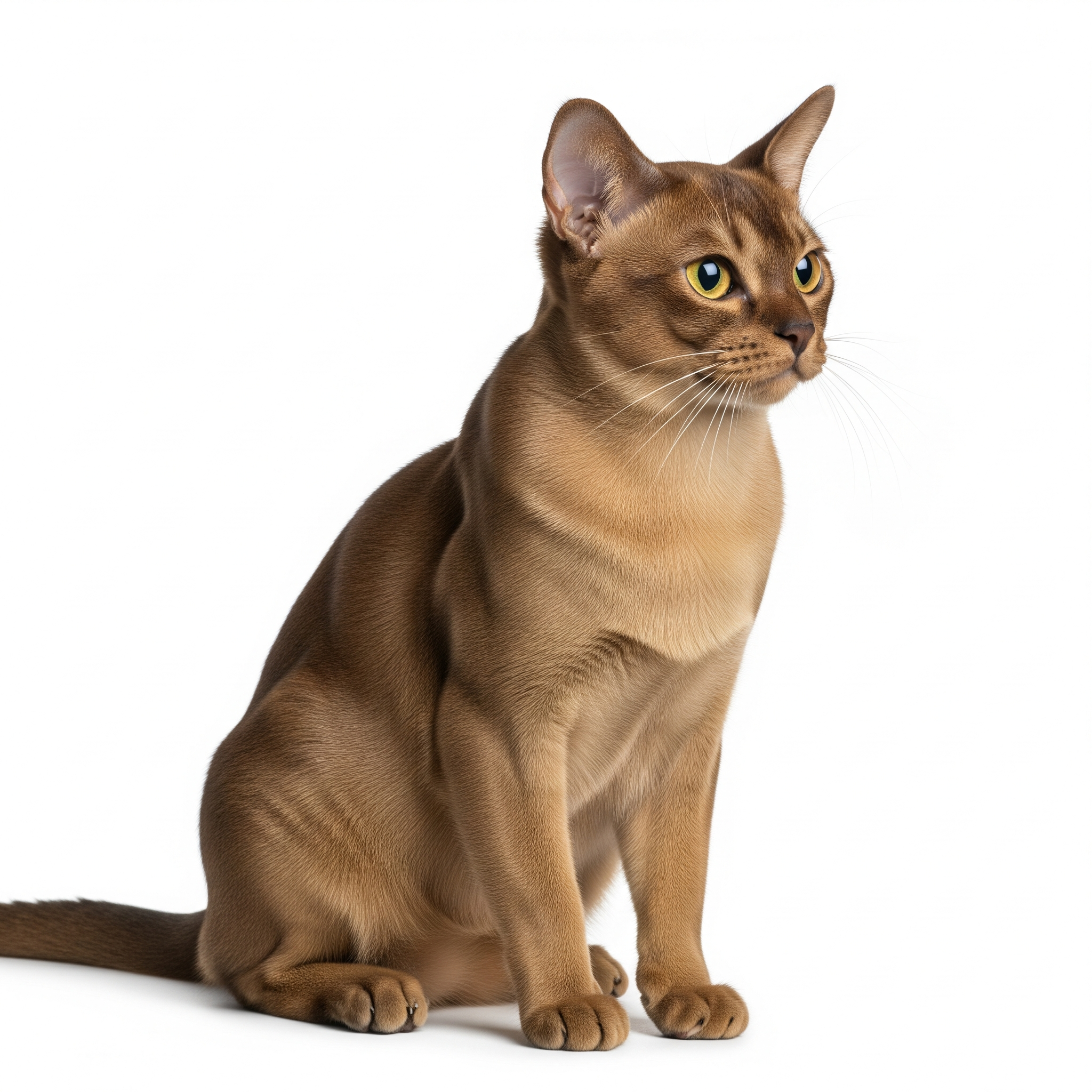
Archival print, museum-grade paper
Buy Poster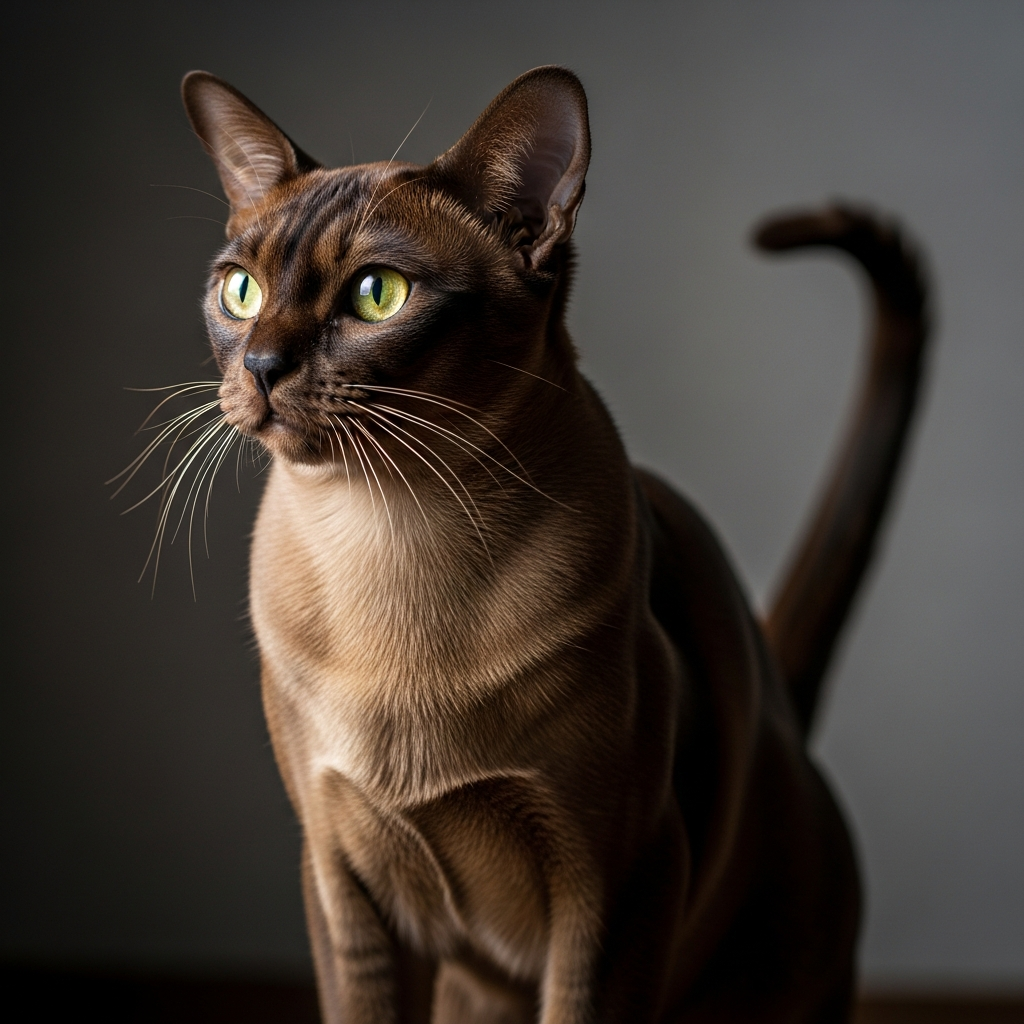
Stoneware mug, dishwasher safe
Buy Mug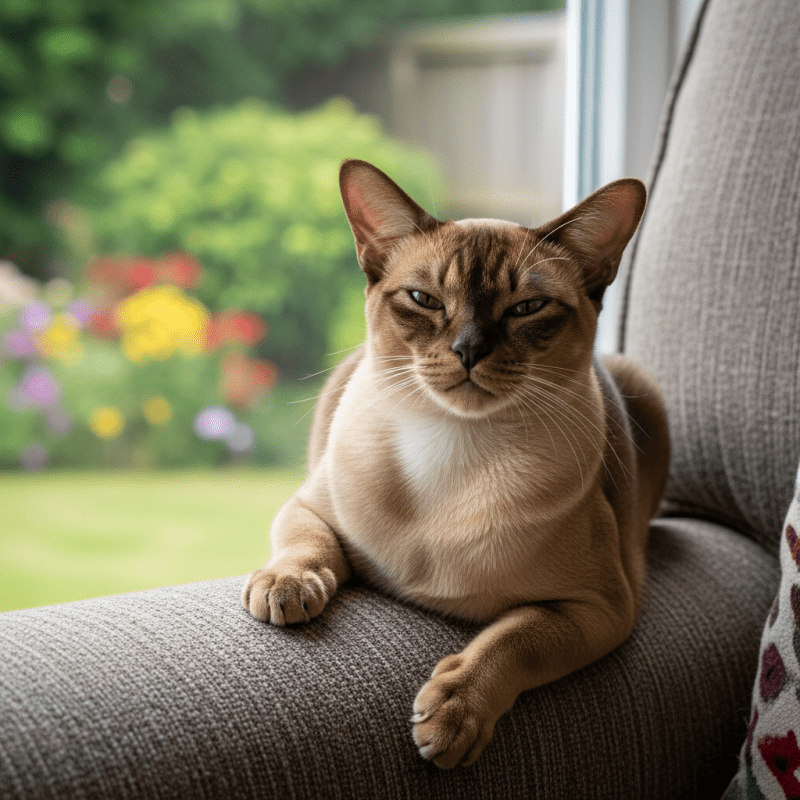
Soft cotton tee, unisex sizes
Buy ShirtThe Burmese has become a symbol of affectionate companionship in modern cat culture, frequently featured in cat shows and admired for its unique blend of Eastern origin and Western development. Its story—rooted in a single cat from Burma and shaped by American breeders—reflects the global exchange of feline genetics and aesthetics. The breed’s distinct look and temperament have made it a favorite subject in breed literature and a cherished pet in households around the world.
The Burmese is recognized by all major cat registries, including the Cat Fanciers’ Association (CFA), The International Cat Association (TICA), Fédération Internationale Féline (FIFe), Governing Council of the Cat Fancy (GCCF), American Cat Fanciers Association (ACFA), and World Cat Federation (WCF).
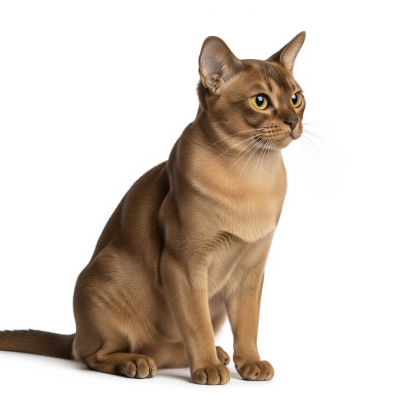
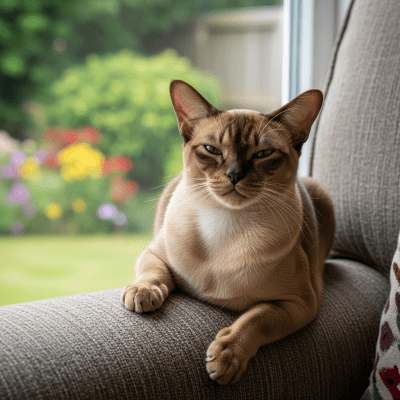

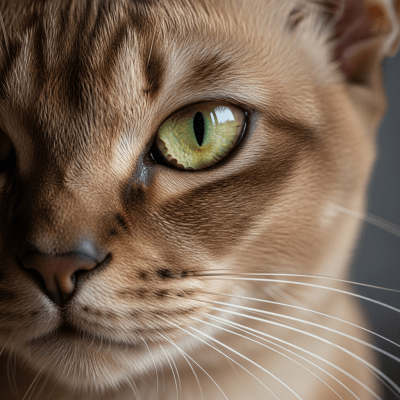

Burmese cats are affectionate, playful, and exceptionally people-oriented. They are often described as "dog-like" for their tendency to follow their owners and seek constant interaction. Burmese thrive on companionship, enjoy play, and are known for their gentle, curious, and confident nature. Their sociable disposition makes them excellent pets for families, singles, and multi-pet households alike.
Burmese cats are generally healthy and robust, with an average lifespan of 12–16 years. However, some lines may be predisposed to genetic conditions such as hypokalemia (a muscle weakness disorder) and craniofacial defects. Regular veterinary checkups and responsible breeding practices help ensure a long, healthy life for this breed.
Grooming a Burmese is refreshingly simple. Their short, fine, and glossy coat requires only occasional brushing to remove loose hair and maintain its satin sheen. Routine care—such as regular nail trimming, dental hygiene, and annual veterinary visits—will help keep a Burmese healthy and happy. Their social nature means they thrive on daily interaction and mental stimulation.
The classic Burmese color is sable, a rich, dark brown. In the United States and UK (CFA, GCCF), accepted colors also include champagne, blue, and platinum. European and international registries (TICA, FIFe, WCF) recognize a broader palette, including red, cream, and tortoiseshell variations. All Burmese have a solid, even coat color with minimal shading and striking gold or yellow eyes.
While individual Burmese cats may not be household names, the breed’s founding cat, Wong Mau, holds a special place in feline history as the ancestor of all modern Burmese. The breed’s prominence in cat shows worldwide and its frequent appearance in breed literature have made the Burmese a familiar favorite among cat enthusiasts and judges alike.
The two primary variants are the American Burmese and the European Burmese. American Burmese (recognized by CFA, TICA, ACFA) typically have a more compact body and a rounded head, with a limited color range. European Burmese (recognized by FIFe, GCCF, WCF) are slightly more slender, with a wedge-shaped head and a wider array of accepted colors. These differences reflect regional preferences and breed standards but share the affectionate temperament and glossy coat that define the Burmese.