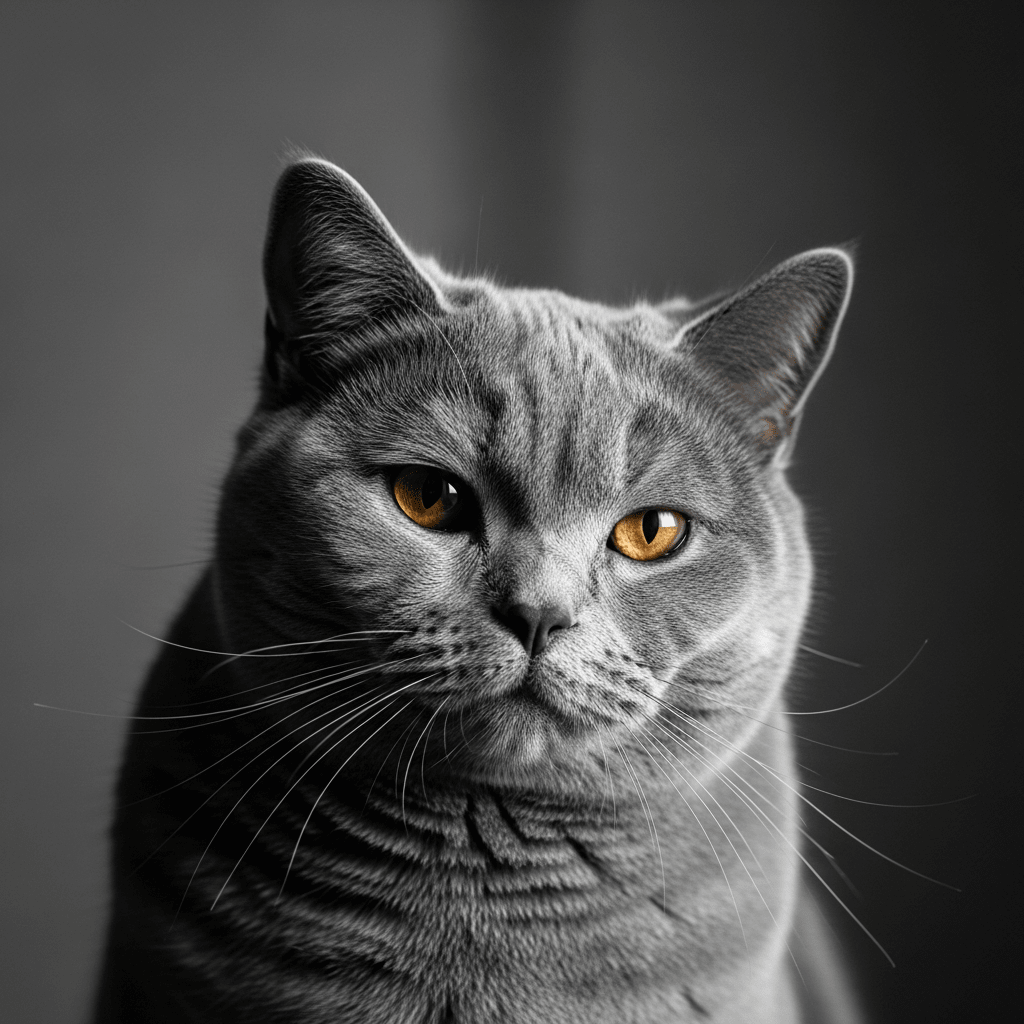
British Shorthair
The British Shorthair is a pedigreed cat breed celebrated for its plush, dense coat, rounded features, and calm, easygoing temperament.
The British Shorthair is a pedigreed cat breed celebrated for its plush, dense coat, rounded features, and calm, easygoing temperament.
Originating in the United Kingdom, the British Shorthair’s lineage stretches back to Roman times, when cats were brought to Britain to control vermin. The breed was formally developed in the late 19th century, with Harrison Weir playing a pivotal role in its standardization. First exhibited at the Crystal Palace Cat Show in 1871, the breed’s population and features were refined after World Wars through crossbreeding with Persians and other cats, resulting in the plush coat and iconic rounded look seen today.
The British Shorthair belongs to the species Felis catus, within the family Felidae. It is classified as a distinct breed recognized by major cat registries worldwide, and is grouped among shorthair domestic cats. Its breed standards are maintained by organizations such as CFA, TICA, FIFe, GCCF, and WCF.
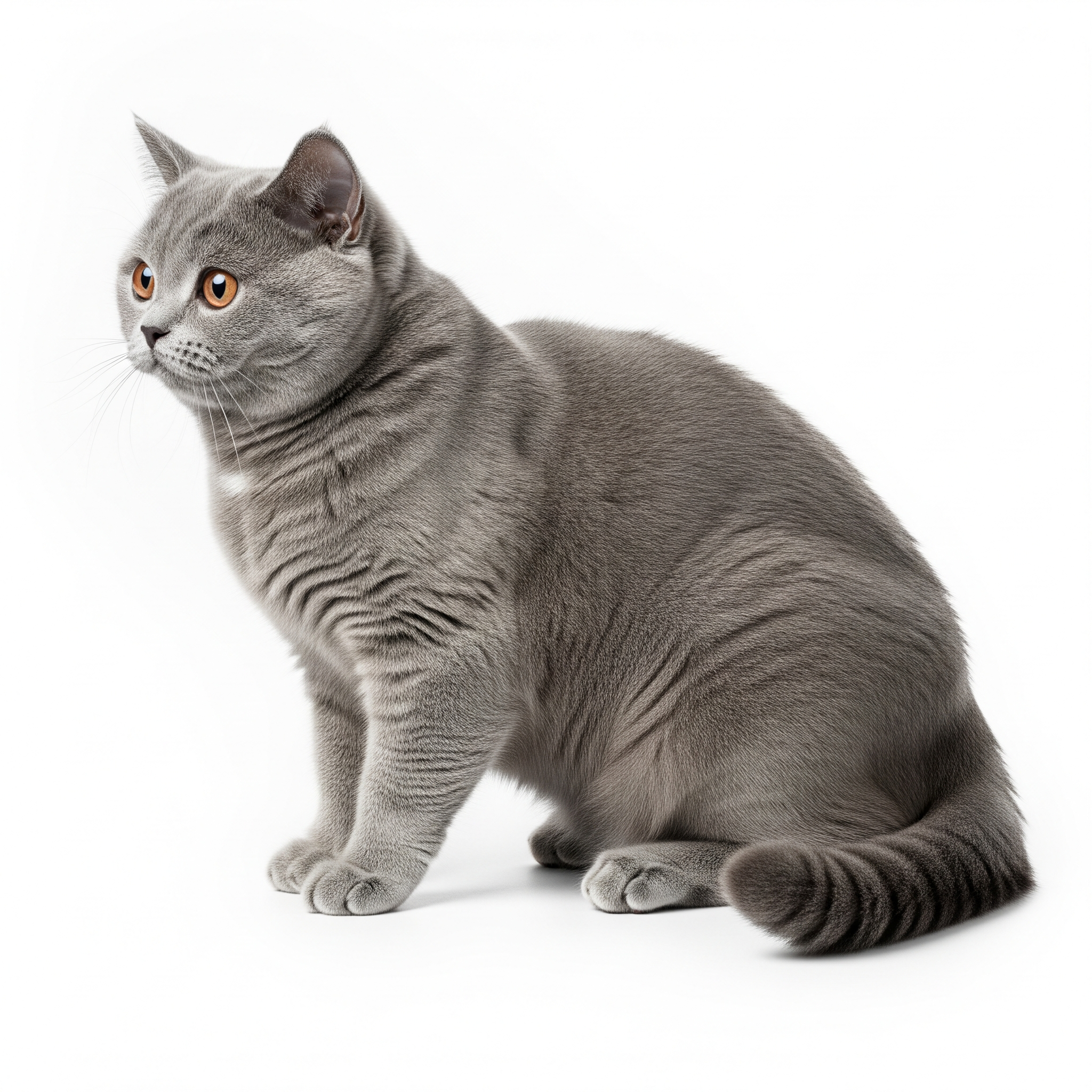
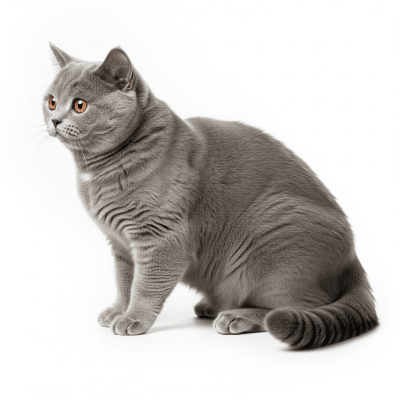
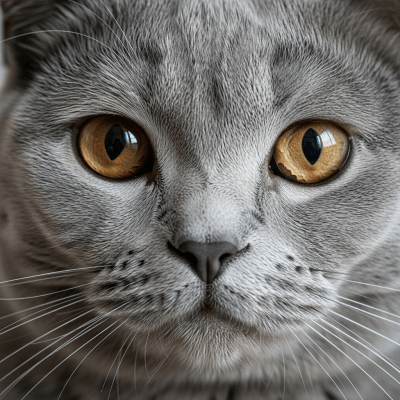
Robust and cobby in build, the British Shorthair features a broad chest, short strong legs, and a round head with full cheeks. Its most striking trait is the short, dense, and plush coat, which stands away from the body due to a thick undercoat. Large, round eyes—often copper or gold—pair with small, rounded ears and a gentle, smiling expression reminiscent of the Cheshire Cat. The breed matures slowly, reaching its full physical development at around 3–5 years.
Renowned for its placid and easygoing nature, the British Shorthair is an ideal companion for families and indoor environments. Its adaptability and gentle demeanor make it well-suited for homes with children or other pets. The breed is highly valued as a companion animal and is a frequent choice for advertising and media due to its distinctive appearance.
Bring this kind into your world illustrated posters, mugs, and shirts.
Archival print, museum-grade paper
Buy Poster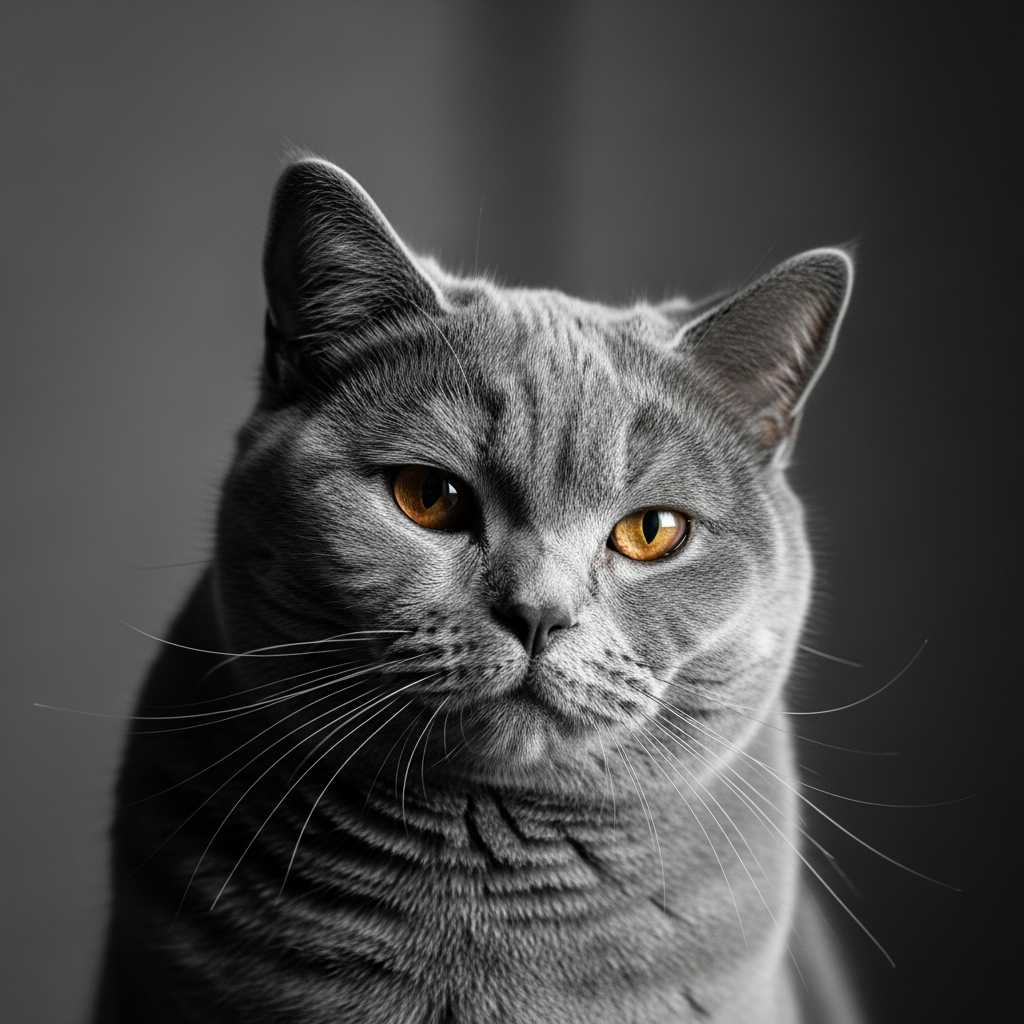
Stoneware mug, dishwasher safe
Buy Mug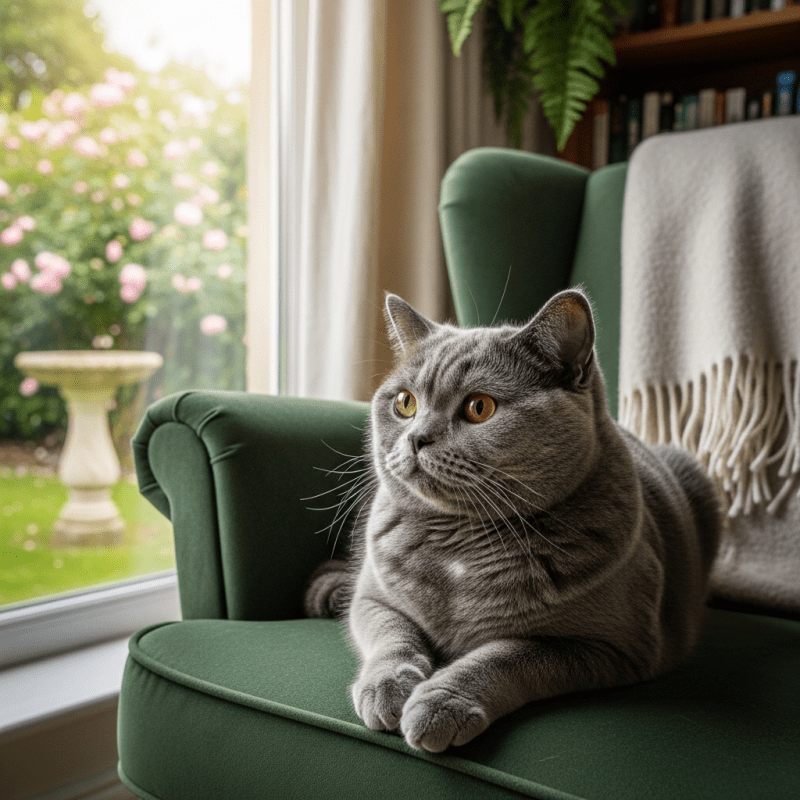
Soft cotton tee, unisex sizes
Buy ShirtThe British Shorthair holds a special place in British culture and beyond, famously serving as the model for the Cheshire Cat in Lewis Carroll’s Alice in Wonderland. Its iconic look and calm disposition have made it a popular subject in advertising, literature, and art, symbolizing both comfort and classic feline charm.
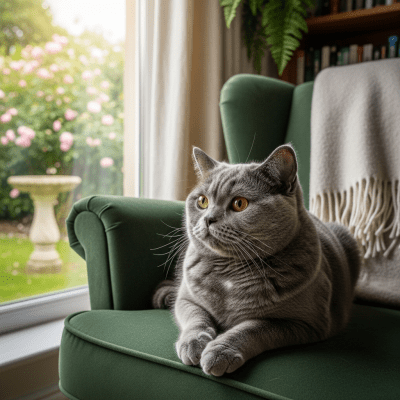
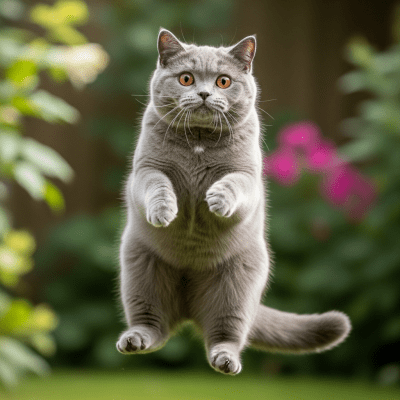
The British Shorthair is celebrated for its calm, placid, and easygoing temperament. These cats are affectionate but not overly demanding, preferring to be near their humans without being clingy. They are patient, gentle, and adaptable, making them well-suited for indoor living and harmonious family environments.
Generally robust and healthy, British Shorthairs have a lifespan of 12–20 years. Owners should be aware of a predisposition to hypertrophic cardiomyopathy (HCM) and obesity, especially if the cat is overfed or under-exercised. Regular veterinary checkups and a balanced diet help maintain their long-term health.
British Shorthairs require low to moderate grooming. Their short, dense coat benefits from weekly brushing to remove loose hairs and maintain its plush texture. Routine care should also include regular nail trimming, dental hygiene, and monitoring weight to prevent obesity.
The breed is recognized in a wide array of colors and patterns. The "British Blue"—a solid blue-gray—is the most iconic, but British Shorthairs also appear in solid, tabby, bicolor, colorpoint, and other patterns. Eye color varies, with copper and gold being most common, though it can depend on the coat color.
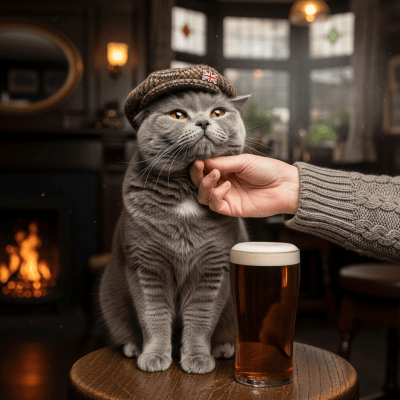
The British Shorthair’s likeness was immortalized as the Cheshire Cat in Alice in Wonderland. The breed’s distinctive look has also made it a favorite in advertising campaigns and media, often chosen to represent classic British charm and feline elegance.
In some regions, the breed is referred to by its color variant, such as "British Blue" in the UK. The British Shorthair is distinct from the British Longhair, which is recognized as a separate breed in certain registries. Naming conventions and standards may vary slightly depending on the registry and country.