Bombay
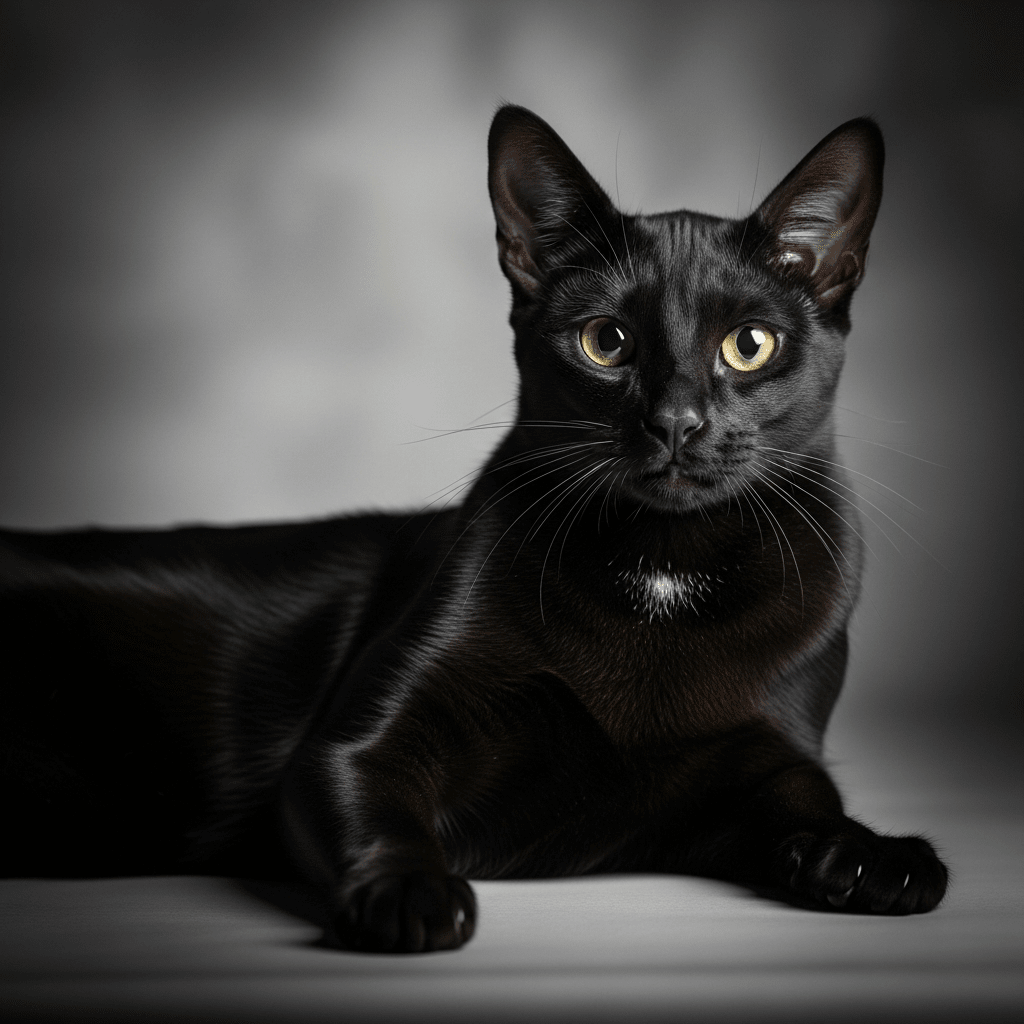
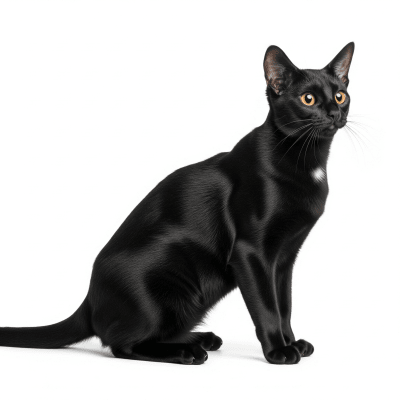
The Bombay is a domestic cat breed celebrated for its sleek, jet-black coat and vivid copper or gold eyes, often described as a miniature panther in both appearance and presence.
The Bombay is a domestic cat breed celebrated for its sleek, jet-black coat and vivid copper or gold eyes, often described as a miniature panther in both appearance and presence.
Originating in Louisville, Kentucky, the Bombay was developed in 1958 by breeder Nikki Horner. Her vision was to create a cat with the allure of a black panther, achieved by crossing sable Burmese cats with black American Shorthairs. This intentional hybridization led to the breed’s official recognition by the Cat Fanciers’ Association in 1976, and later by The International Cat Association. The Bombay’s lineage is a testament to purposeful breeding rather than natural evolution.
The Bombay belongs to the species Felis catus, within the domestic cats taxonomy. It is classified as a distinct breed, recognized by major registries such as CFA and TICA, and is a result of hybridizing Burmese and American Shorthair lines. Its place in the feline family is defined by its unique appearance and temperament, setting it apart from both its parent breeds and other domestic cats.
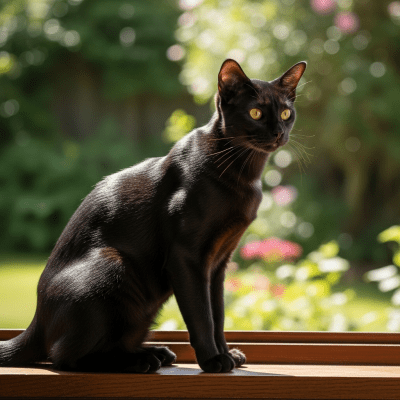
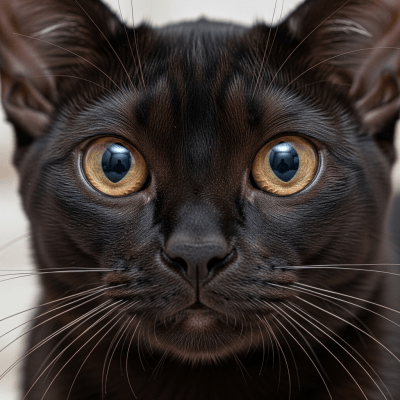
Bombays are medium-sized cats with a muscular, compact build and a rounded head. Their short, glossy coat is jet-black, with color extending uniformly to the roots, giving a satin-like sheen. Large, wide-set eyes in shades of copper to gold provide a striking contrast to the dark fur. The overall impression is one of elegance and power, reminiscent of a miniature panther.
Known for their affectionate and playful nature, Bombays thrive as companion animals. They are highly social, enjoying interaction with humans and adapting well to indoor environments. Their gentle disposition makes them ideal family pets, and their striking looks have made them popular in cat shows. Bombays are not used for any working or utilitarian roles—companionship and showmanship are their primary functions.
Bring this kind into your world illustrated posters, mugs, and shirts.
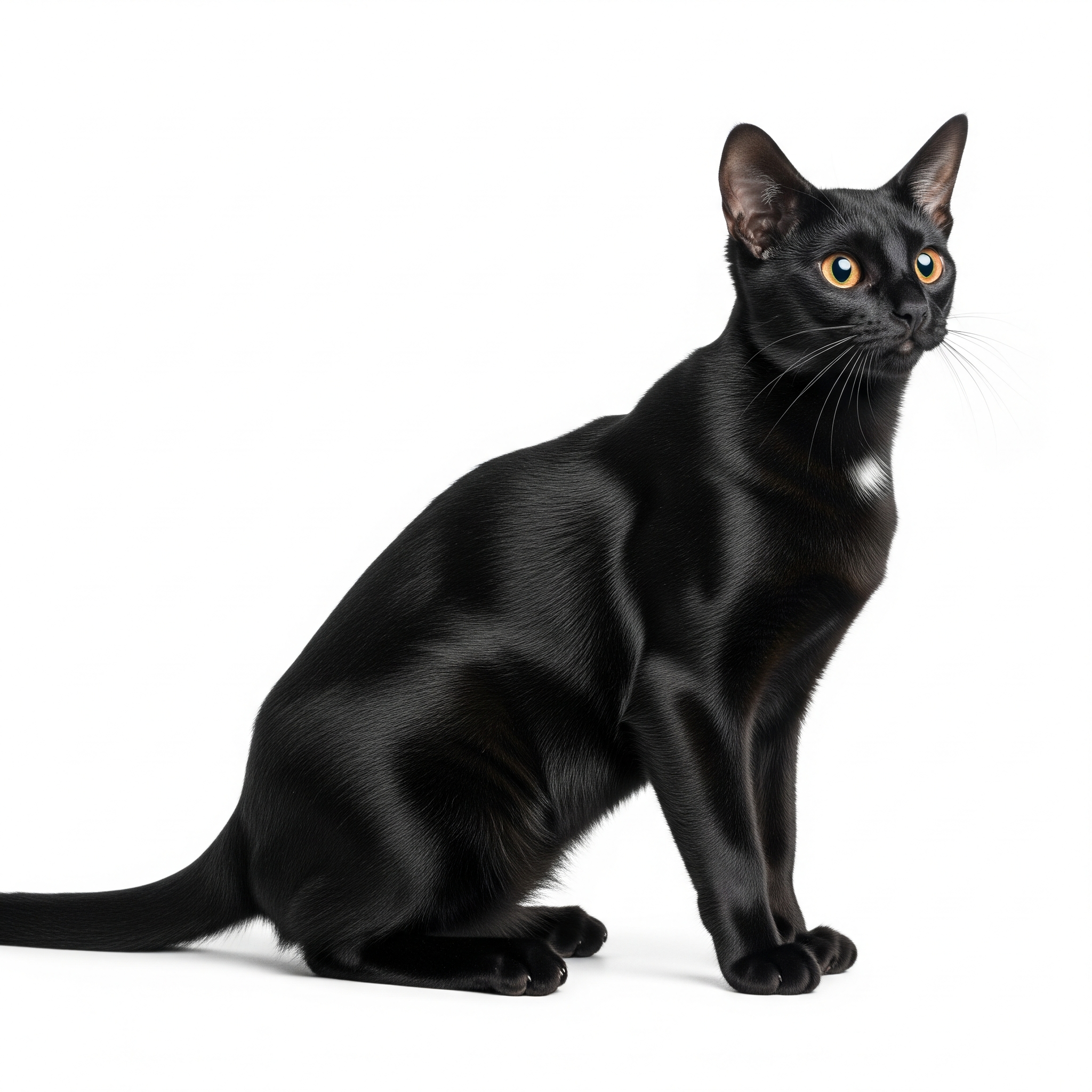
Archival print, museum-grade paper
Buy Poster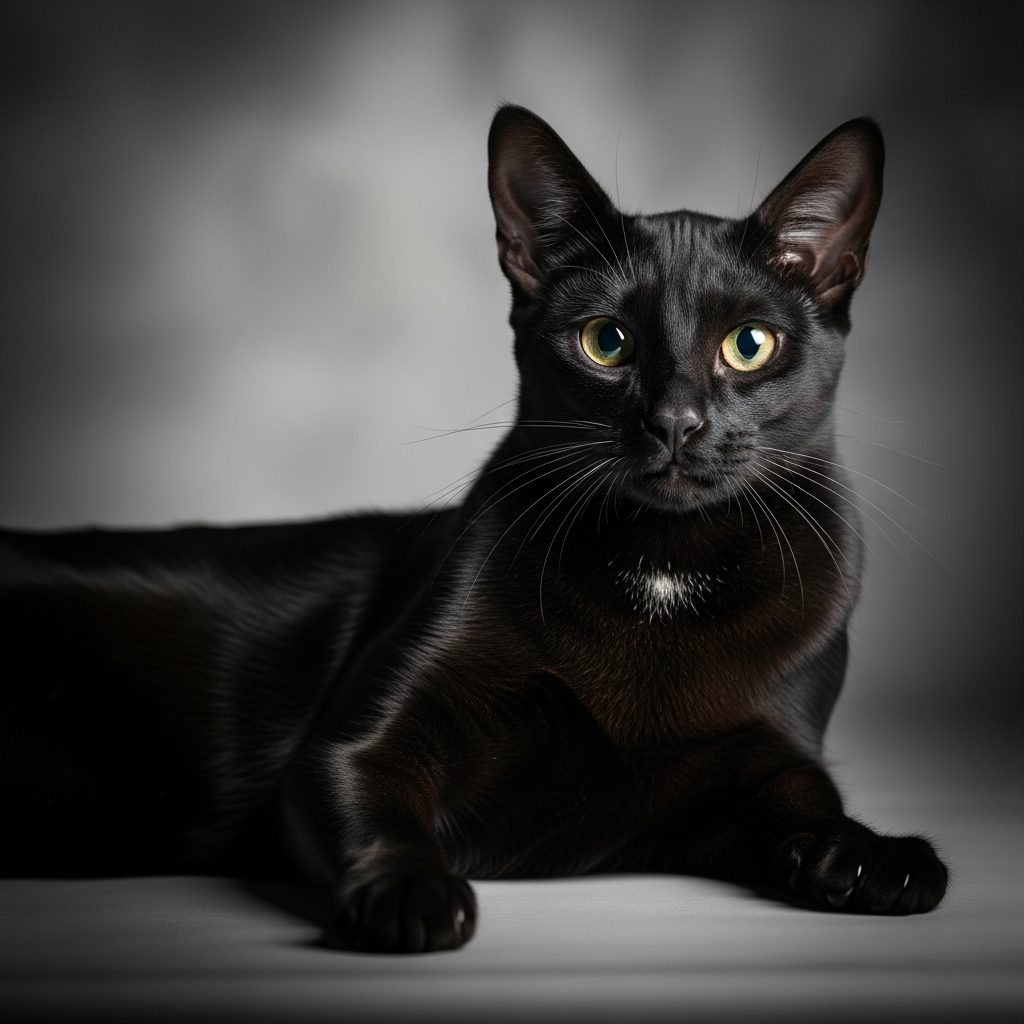
Stoneware mug, dishwasher safe
Buy Mug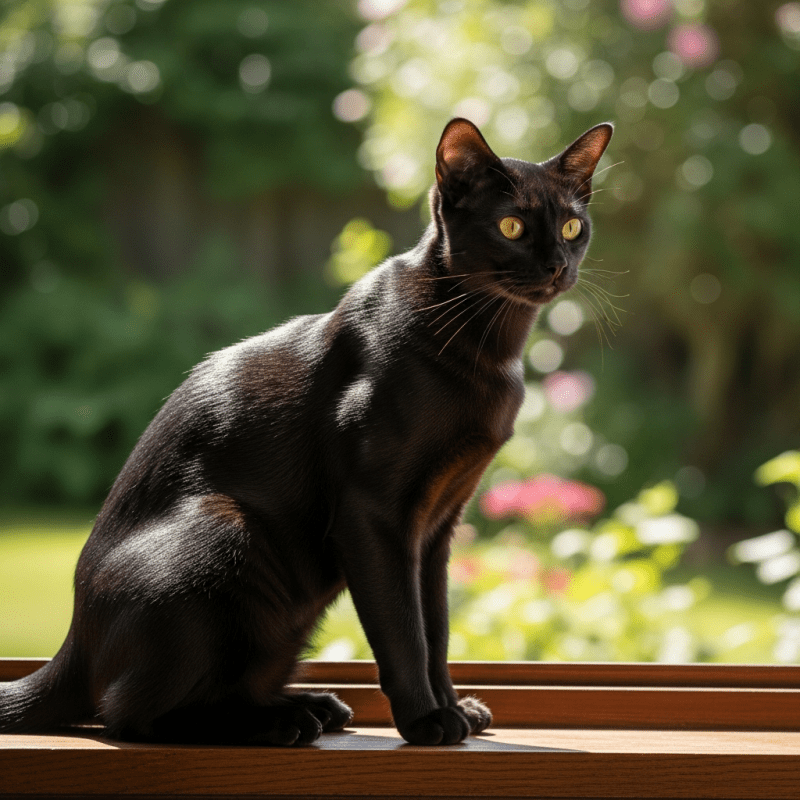
Soft cotton tee, unisex sizes
Buy ShirtThe Bombay’s panther-like appearance has captured the imagination of cat enthusiasts and is often referenced in popular culture as the quintessential “miniature panther.” While not tied to ancient myth or folklore, the breed’s dramatic look and affectionate personality have made it a favorite in cat shows and among pet owners seeking a cat with both beauty and charm.

Bombays are celebrated for their gentle, affectionate temperament. They are playful, intelligent, and thrive on interaction with humans, often seeking attention and companionship. Adaptable to indoor living, Bombays are social and tend to get along well with children and other pets, making them ideal family cats.
Bombays are generally robust and healthy, though they may inherit craniofacial defects from their Burmese ancestry. Regular veterinary care is recommended to monitor for breed-specific issues. Lifespan is typical for domestic cats, with Bombays often living well into their teens with proper care.
Grooming needs for Bombays are minimal due to their short, sleek coat. Weekly brushing helps maintain their glossy appearance and reduces shedding. Routine care, including dental hygiene, nail trimming, and regular health checkups, ensures their well-being. Bombays thrive in safe, indoor environments where their social nature can be nurtured.
The Bombay breed is defined by its jet-black coat, which is uniformly colored to the roots. No other colors or patterns are accepted in breed standards. The coat’s satin-like texture and deep black hue are signature traits, complemented by copper or gold eyes.
While individual Bombays may have won cat show titles and charmed their owners, there are no widely documented celebrity Bombays in popular media or history. The breed itself is often referenced as the “miniature panther” in cat literature and show circles.
No significant regional variants of the Bombay are documented. The breed standard remains consistent across recognized registries, and alternate naming conventions are rare.