Bambino
The Bambino is an experimental domestic cat breed distinguished by its short legs and hairless body, resulting from a cross between the Sphynx and Munchkin breeds.
The Bambino is an experimental domestic cat breed distinguished by its short legs and hairless body, resulting from a cross between the Sphynx and Munchkin breeds.
Originating in the United States in the early 2000s, the Bambino was developed by breeders Stephanie and Pat Osborne. Their goal was to combine the hairless trait of the Sphynx with the short-legged characteristic of the Munchkin. The breed’s name, “Bambino,” means “baby” in Italian, chosen to reflect its perpetually kitten-like appearance. The Bambino’s lineage is a direct cross between registered Sphynx and Munchkin cats.
The Bambino belongs to the domestic cat species Felis catus and is classified as an experimental breed within the recognized breed taxonomy. It is officially recognized only by The International Cat Association (TICA) and is not widely accepted by other major registries, reflecting its status as a novel and specialized hybrid.
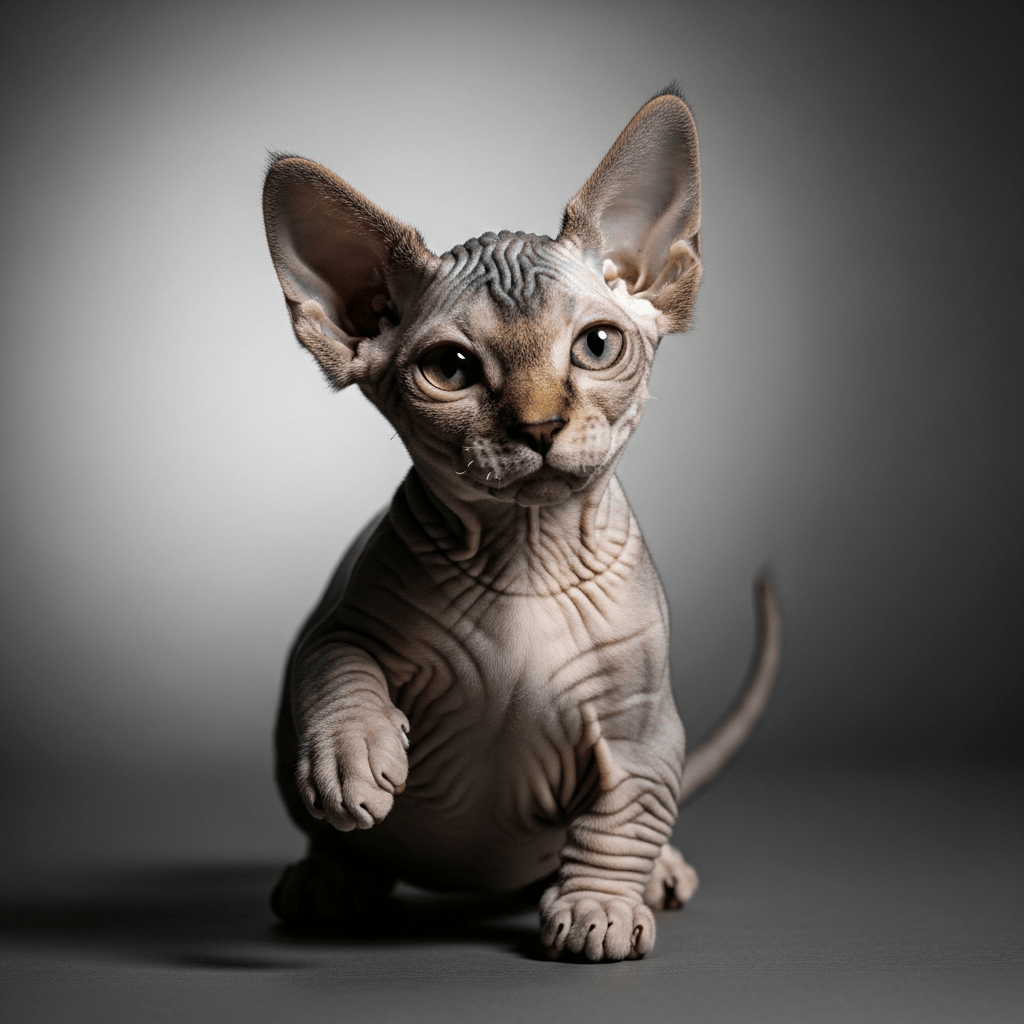
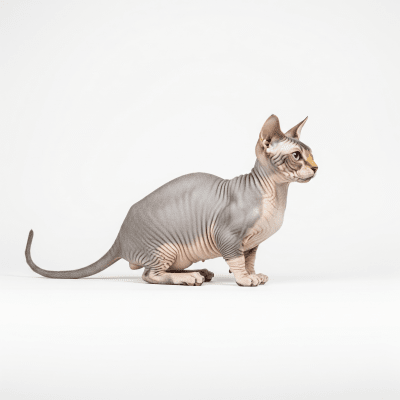
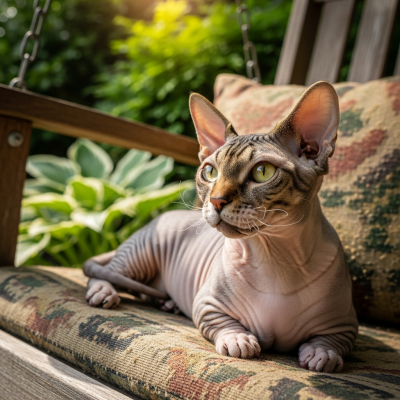
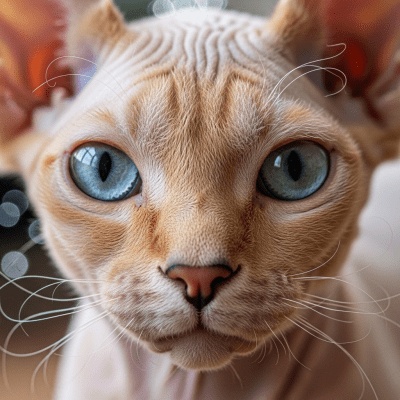
Bambinos are small to medium-sized cats with a muscular build and a strikingly unique silhouette. Their most defining features are their short legs, inherited from the Munchkin, and their hairless or nearly hairless skin, a trait of the Sphynx. The skin is soft, wrinkled, and may display a fine down or sparse hair. Large, open ears and a kitten-like face accentuate their youthful look. Skin pigmentation and markings can vary, and eye color is not restricted to any particular shade.
Primarily cherished as companion animals, Bambinos are known for their playful, affectionate, and high-energy personalities. Their interactive nature makes them engaging pets for those seeking lively and loving feline companionship. The breed’s distinctive appearance attracts enthusiasts of rare and unusual cats, although it remains a specialty breed not widely available or accepted in mainstream cat fancy circles.
Bring this kind into your world illustrated posters, mugs, and shirts.
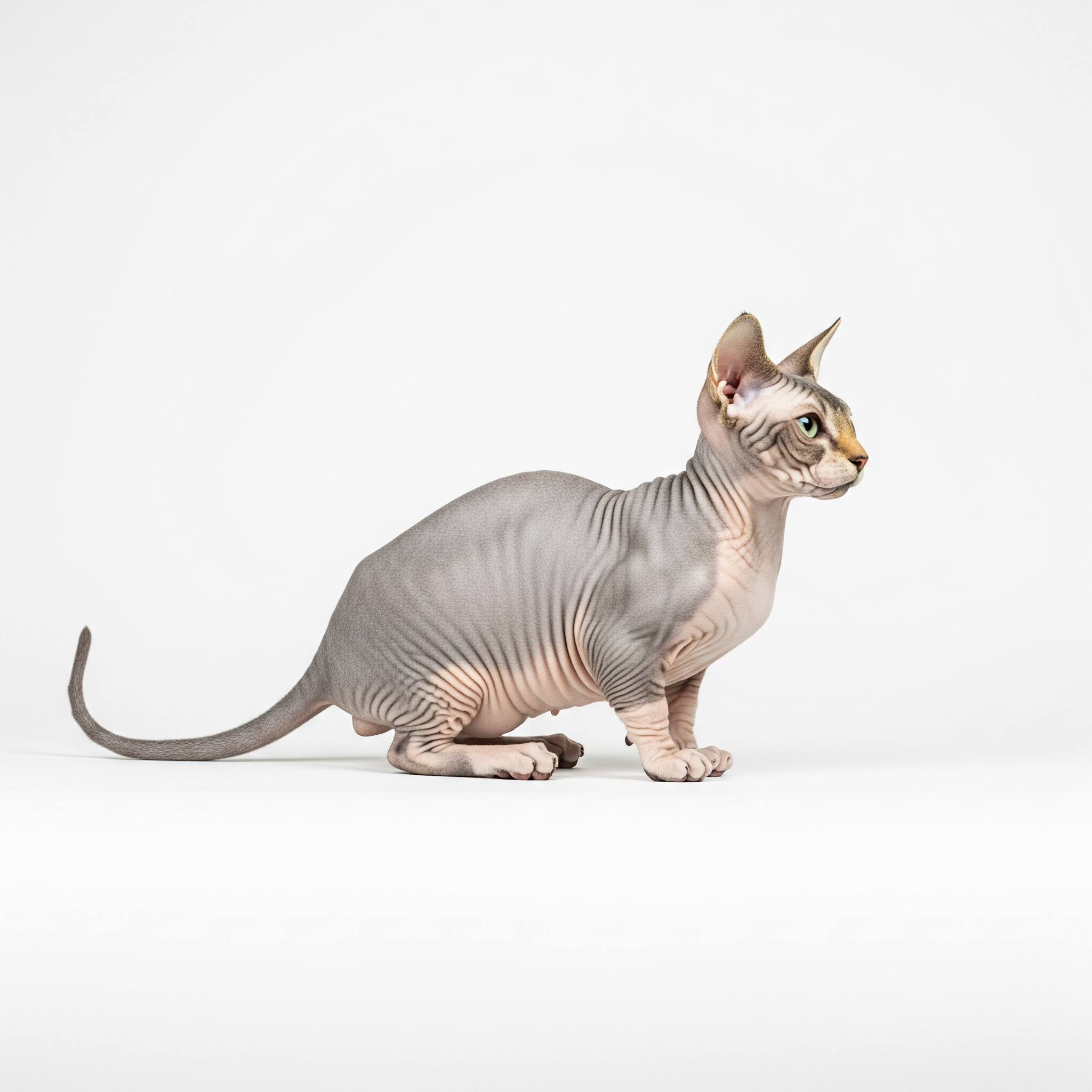
Archival print, museum-grade paper
Buy Poster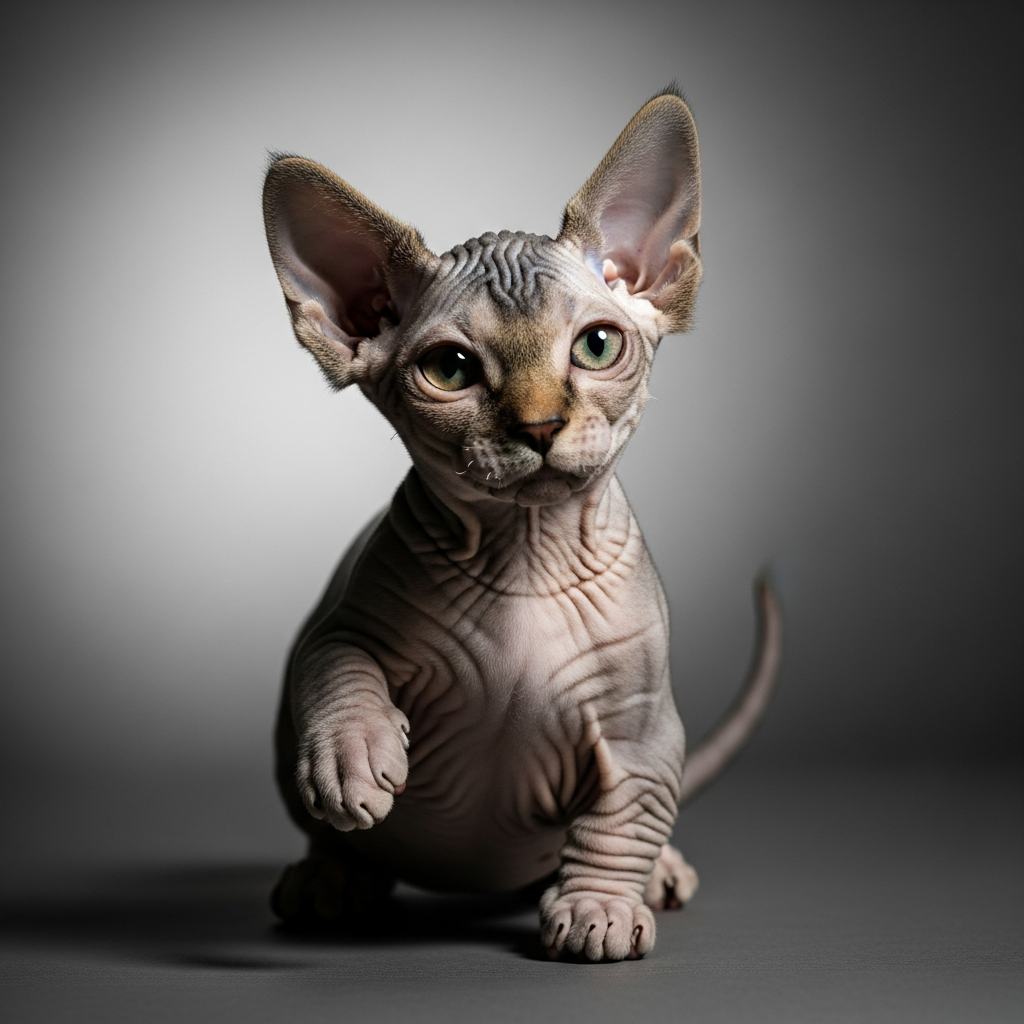
Stoneware mug, dishwasher safe
Buy Mug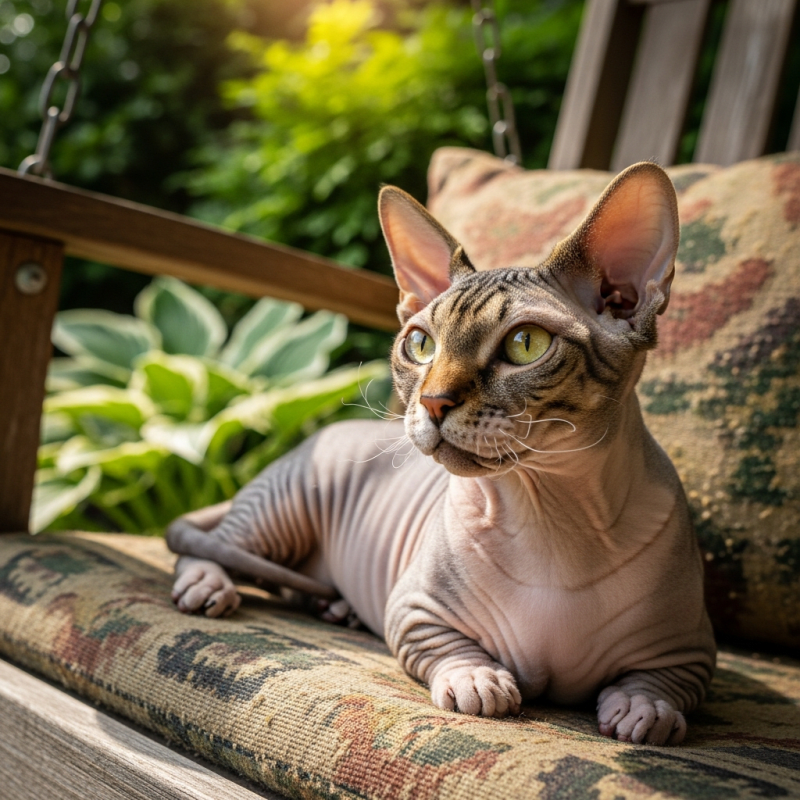
Soft cotton tee, unisex sizes
Buy ShirtWhile the Bambino is not widely represented in art or folklore due to its recent development, its unique combination of traits has sparked interest and debate within the cat breeding community. The breed’s controversial status—stemming from ethical discussions about intentional breeding for physical mutations—has made it a focal point in conversations about responsible breeding and animal welfare.
The Bambino is recognized as an experimental breed by The International Cat Association (TICA). It is not accepted by other major registries such as CFA, FIFe, GCCF, ACFA, or WCF.


Bambinos are celebrated for their playful, affectionate, and lively temperament. They enjoy interactive play and form strong bonds with their owners, often seeking attention and companionship. Their high energy levels and curiosity make them entertaining pets, while their gentle disposition ensures they are well-suited to family life.
Bambinos may inherit genetic health issues from both parent breeds, including lordosis and pectus excavatum (from the Munchkin) and skin conditions (from the Sphynx). Due to their hairlessness, they require regular skin care and are sensitive to temperature extremes. Lifespan data is limited because the breed is still experimental and relatively new.
Grooming a Bambino centers on skin care rather than fur maintenance. Owners should regularly clean the cat’s skin to prevent oil buildup and monitor for irritation. Bambinos are sensitive to both heat and cold, so maintaining a comfortable indoor environment is essential. Bathing may be needed more frequently than with coated breeds, and sun protection should be considered for outdoor exposure.
Bambino cats display a wide range of skin pigmentation and markings, as their hairless bodies may reveal spots, patches, or solid colors. There are no strict restrictions on color or pattern, and eye color is variable, adding to the breed’s diversity in appearance.
As an experimental and rare breed, the Bambino does not yet have widely recognized individuals in history or popular media. Its notability stems primarily from its unique appearance and the breeders who developed it.
There are no documented regional variants of the Bambino. The term “Bambino” is preferred in registry and breeder circles, and alternate names such as “Sphynx-Munchkin cross” may be used informally but do not denote regional distinctions.