Arabian Mau
The Arabian Mau is a naturally occurring domestic cat breed from the Arabian Peninsula, renowned for its desert adaptability, robust health, and lively temperament.
The Arabian Mau is a naturally occurring domestic cat breed from the Arabian Peninsula, renowned for its desert adaptability, robust health, and lively temperament.
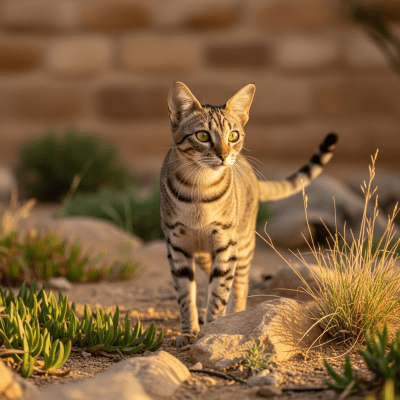
Originating from the street and feral cats of the Arabian Peninsula—particularly in the United Arab Emirates, Saudi Arabia, and Qatar—the Arabian Mau developed over centuries as a landrace breed, shaped by the harsh desert climate. Rather than being the result of deliberate breeding programs, the Arabian Mau was formally recognized in 2008 by the World Cat Federation (WCF) after efforts to standardize the breed from indigenous populations. Its ancestry is rooted in the natural selection of local cats, making it one of the few breeds to emerge directly from regional feline populations without hybridization.
The Arabian Mau belongs to the species Felis catus, within the broader family Felidae. It is classified as a domestic cat breed, specifically as a naturally occurring landrace rather than a product of crossbreeding or hybridization. Recognized primarily by the World Cat Federation (WCF), the Arabian Mau stands apart from engineered breeds, representing the indigenous feline populations of the Arabian Peninsula.
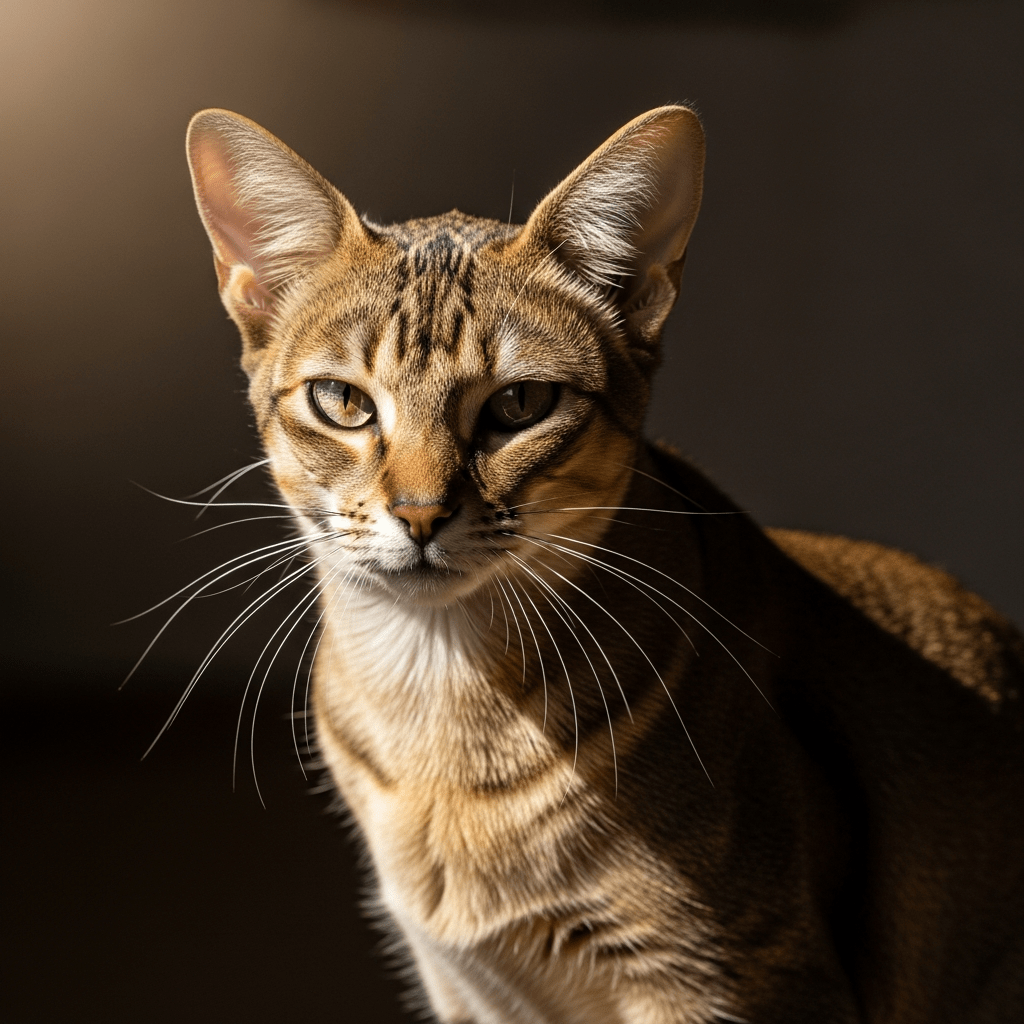
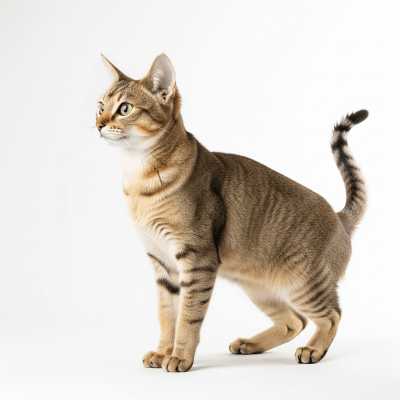
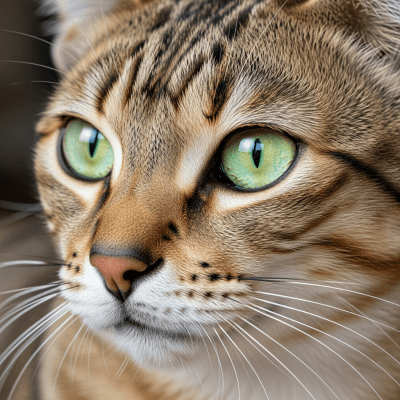
Arabian Maus are medium to large cats with a muscular, athletic build and a slightly elongated body. Their wedge-shaped heads feature prominent whisker pads, large oval eyes—usually green or yellow—and wide-set, oversized ears that help dissipate heat. The short, dense coat lies close to the body, perfectly suited for hot, arid climates. Accepted colors include white, black, brown tabby, and various combinations, with spotted and tabby patterns being especially common.
Known for their high energy and intelligence, Arabian Maus are lively, sociable, and affectionate companions. They are independent yet adaptable, making them well-suited for family environments and households seeking an active, interactive pet. Their natural resilience and minimal grooming needs also make them a popular choice for those desiring a hardy, low-maintenance cat. The breed is primarily valued as a companion animal and is increasingly sought after by cat enthusiasts in the Middle East and Europe.
Bring this kind into your world illustrated posters, mugs, and shirts.
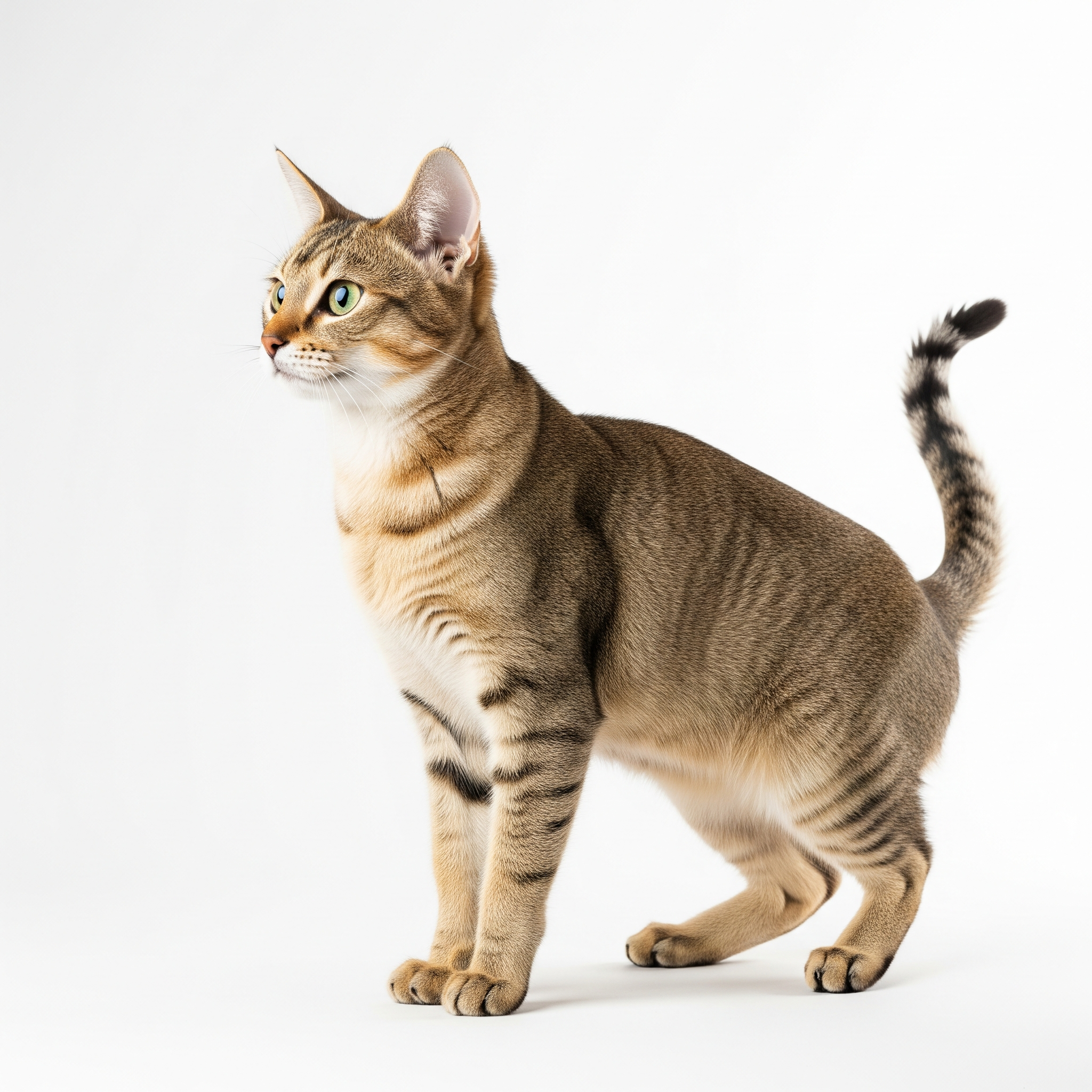
Archival print, museum-grade paper
Buy Poster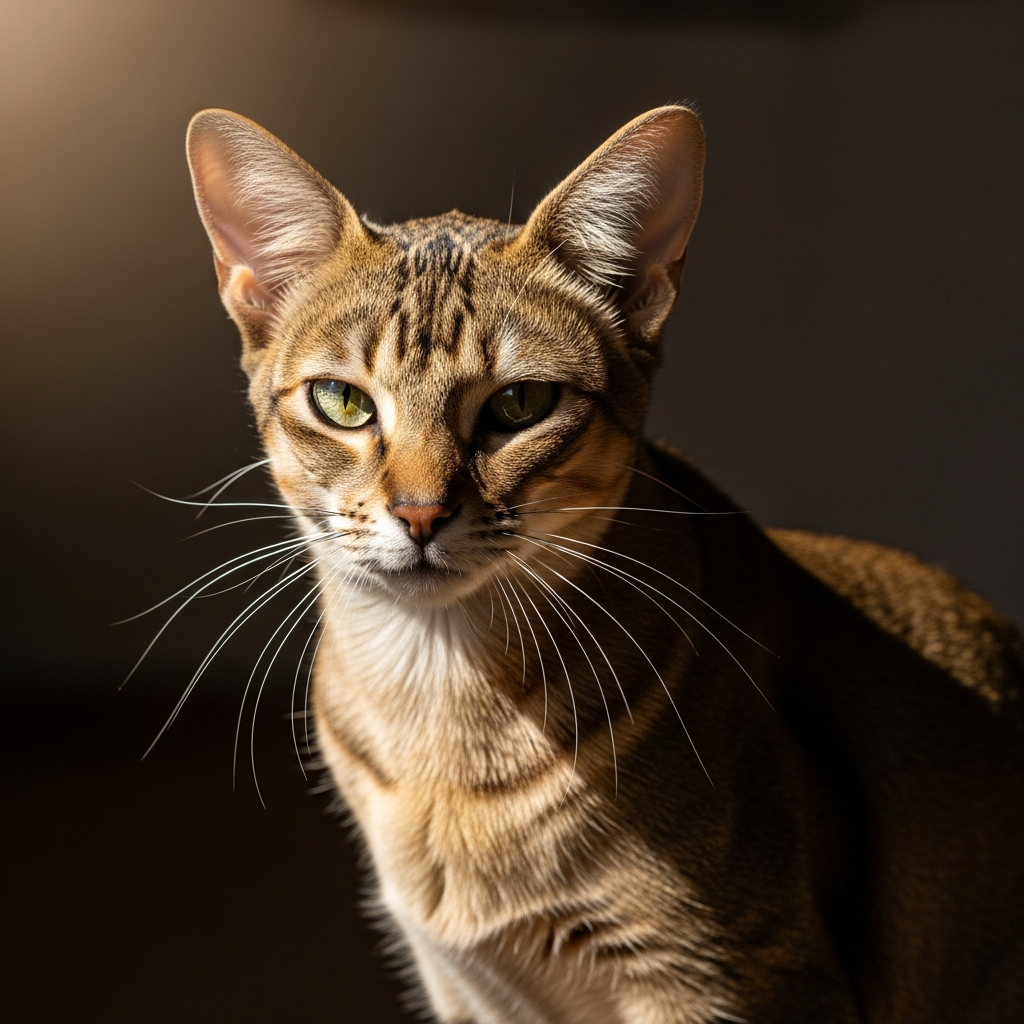
Stoneware mug, dishwasher safe
Buy Mug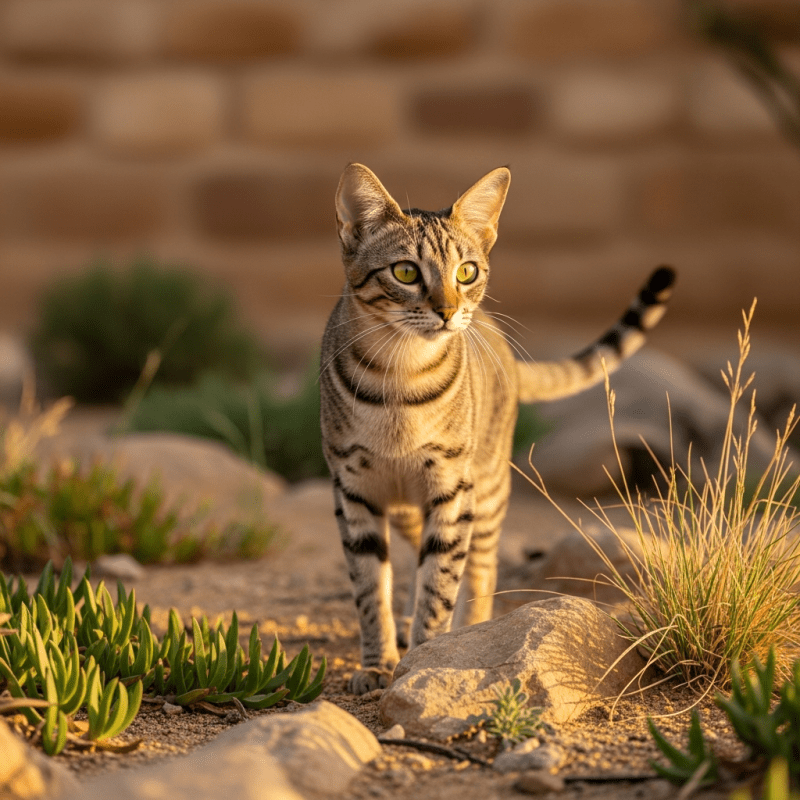
Soft cotton tee, unisex sizes
Buy ShirtThe Arabian Mau holds a special place in the culture of the Arabian Peninsula, where street and feral cats have long been part of daily life. As a breed, it symbolizes the adaptation and survival of indigenous animals in harsh environments. In modern times, the Arabian Mau has become a point of regional pride, representing the unique feline heritage of the Middle East in international cat shows and among pet owners. Its recognition by the WCF has elevated its status, fostering greater appreciation for native breeds.
The Arabian Mau is officially recognized by the World Cat Federation (WCF). Other major registries have not yet included the breed in their standards.
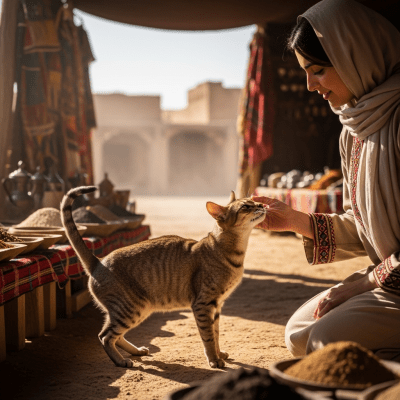
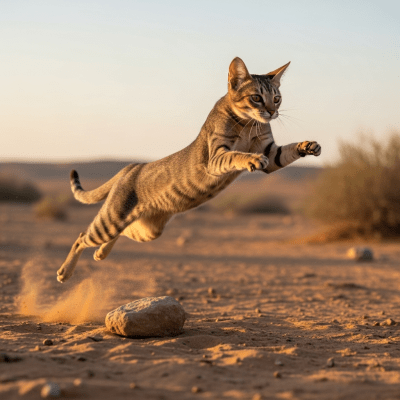
Arabian Maus are energetic, intelligent, and sociable. They display a blend of independence and affection, often forming strong bonds with their owners while retaining a playful, curious nature. Adaptable to various environments, they thrive in active households and enjoy interactive play. Their temperament makes them both engaging companions and resilient pets.
This breed is renowned for its robust health, with no breed-specific genetic disorders documented. Arabian Maus typically live between 12 and 15 years, benefiting from their hardy, naturally selected ancestry. Routine veterinary care and a balanced diet support their longevity.
Arabian Maus require minimal grooming due to their short, dense coat. Occasional brushing helps remove loose hair and maintain coat health. Regular veterinary checkups, a nutritious diet, and opportunities for exercise are key to their well-being. Their adaptability and low-maintenance nature make them easy to care for.
Accepted coat colors for the Arabian Mau include white, black, brown tabby, and various combinations. Spotted and tabby patterns are especially common, reflecting the breed's street ancestry. Eye colors are typically green or yellow.
While the Arabian Mau does not have widely publicized individual representatives in media or history, its growing presence in Middle Eastern cat shows and among regional pet owners has brought attention to the breed. Its recognition by the World Cat Federation has helped spotlight the Arabian Mau as a symbol of indigenous feline heritage.
In Arabic-speaking regions, the Arabian Mau is sometimes called "Mau Al-Arabi." Informal terms such as "Arabian street cat" and "Arabian feral" are used locally but are not recognized by official registries. There are no formally recognized subtypes or varieties within the breed; all Arabian Maus share the same standard.