American Bobtail
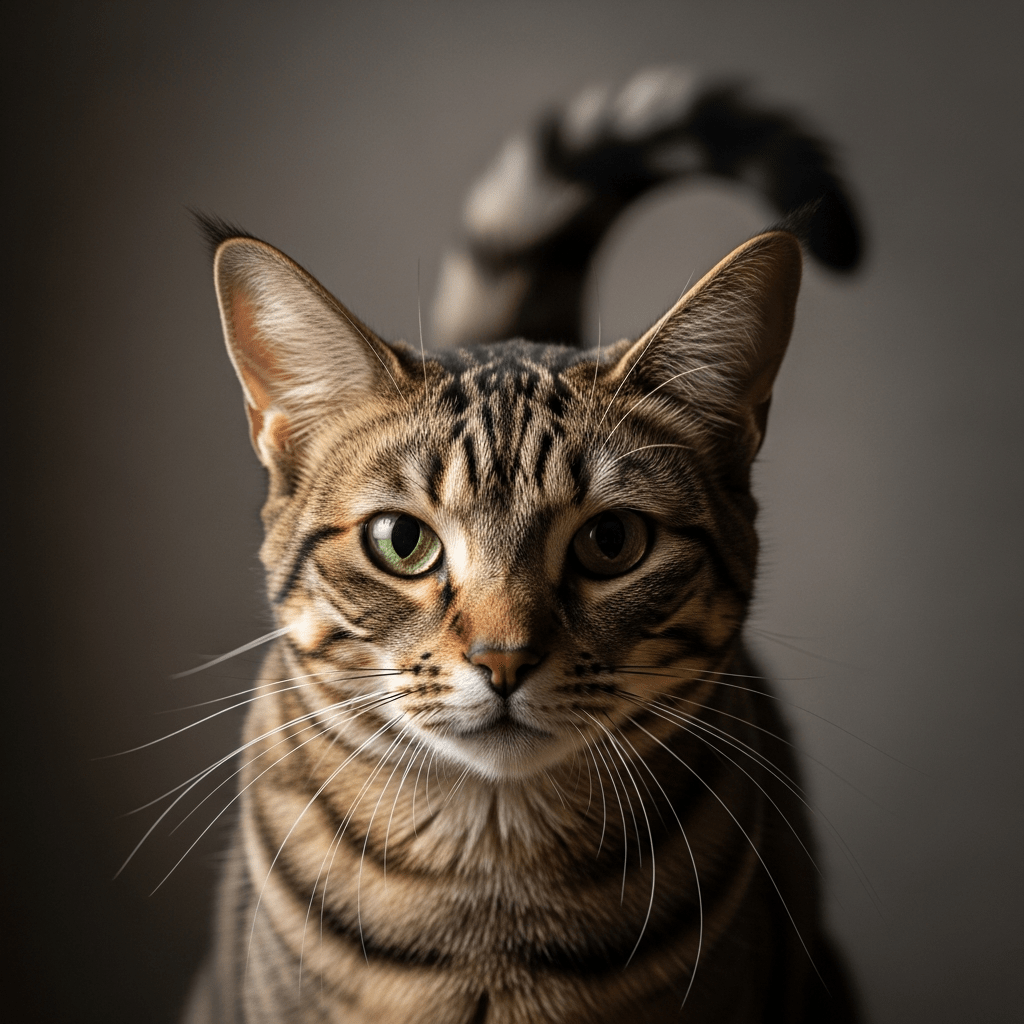
The American Bobtail is a distinctive domestic cat breed celebrated for its naturally short, expressive tail and wild, bobcat-like appearance.
The American Bobtail is a distinctive domestic cat breed celebrated for its naturally short, expressive tail and wild, bobcat-like appearance.
Originating in the United States in the late 1960s, the American Bobtail’s story began when John and Brenda Sanders discovered a short-tailed brown tabby named Yodie in Arizona. Yodie was bred with a domestic female, and through natural mutations and selective breeding—without any wild bobcat ancestry—the breed was established. Its development included outcrosses with various domestic cats to enhance genetic diversity and temperament. The breed gained formal recognition from The International Cat Association (TICA) in 1989 and the Cat Fanciers’ Association (CFA) in 2000.
The American Bobtail belongs to the species Felis catus, the domestic cat. It is classified as a distinct breed within the cats taxonomy, recognized for its unique tail mutation and robust build. While sharing ancestry with other domestic cats, its breed status is defined by registry standards and physical traits, not by hybridization with wild felines.
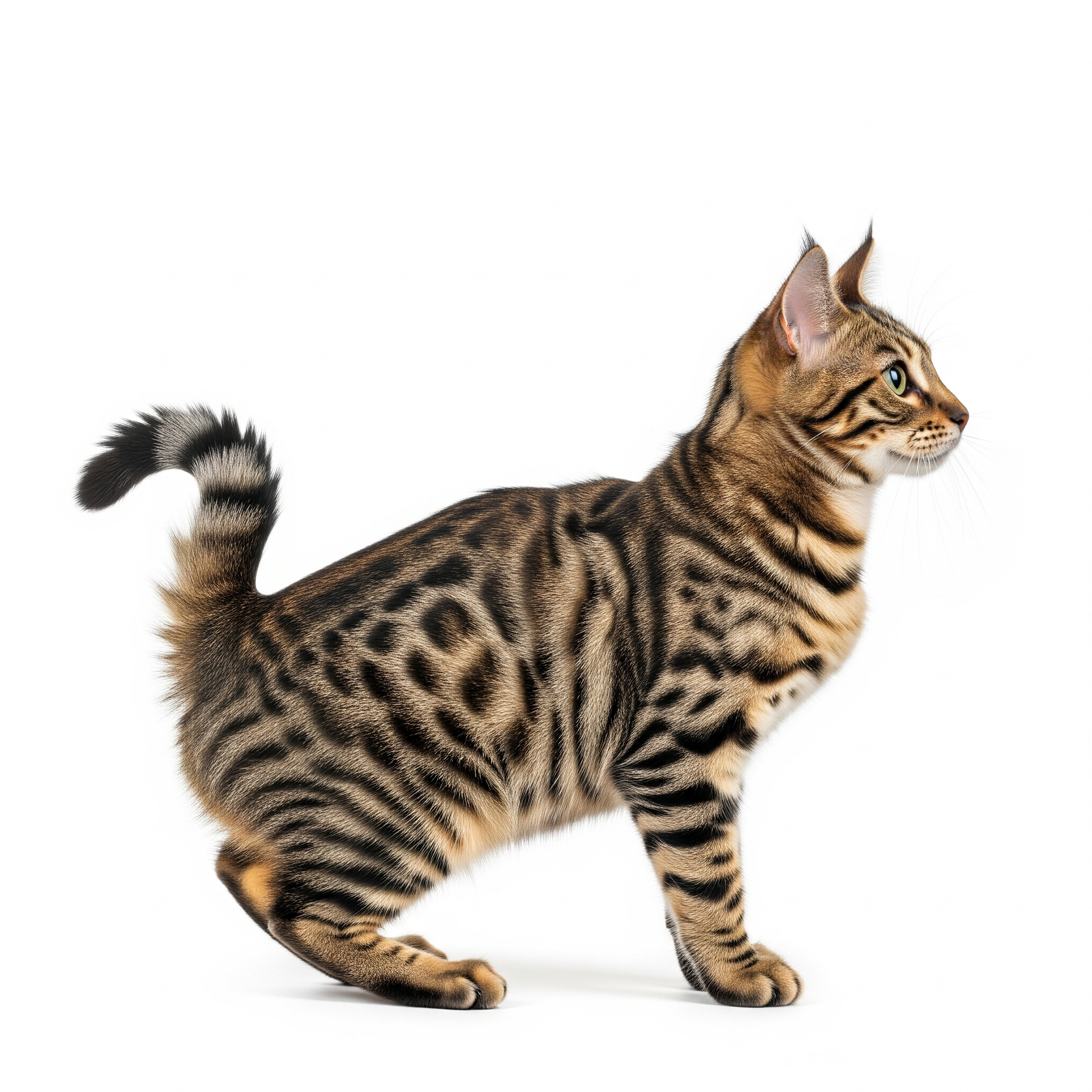
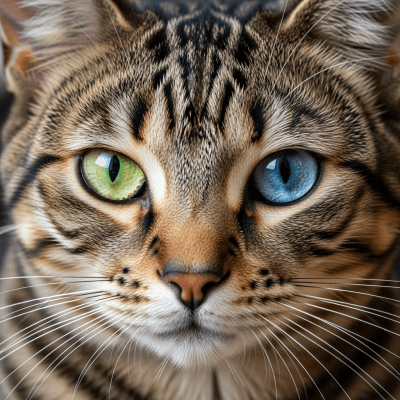
American Bobtails are medium to large cats with a muscular, athletic physique and a broad, wedge-shaped head. Their hallmark is a naturally short, bobbed tail—typically one-third to one-half the length of a typical cat’s tail—often with kinks or curves. The breed comes in both shorthair and longhair varieties, featuring a double coat that can be plush or shaggy. Their eyes are large, almond-shaped, and striking in any color, contributing to their wild, alert expression.
Renowned for their playful, intelligent, and affectionate nature, American Bobtails are highly interactive companions. Their dog-like personality makes them adaptable to travel, therapy work, and family life. They thrive on human interaction, enjoy games, and are known for their ability to bond deeply with their owners. The breed is valued as both a show cat and a therapy animal, thanks to its gentle disposition and adaptability.
Bring this kind into your world illustrated posters, mugs, and shirts.
Archival print, museum-grade paper
Buy Poster
Stoneware mug, dishwasher safe
Buy Mug
Soft cotton tee, unisex sizes
Buy ShirtThe American Bobtail’s wild appearance and friendly temperament have made it a favorite in cat shows and therapy programs. Its resemblance to the North American bobcat adds a touch of wilderness to its image, often inspiring admiration among cat enthusiasts. While not deeply rooted in folklore, the breed’s unique look and engaging personality have earned it a place in modern pet culture and media as a symbol of both beauty and companionship.
Note: Not currently recognized by FIFe or GCCF.
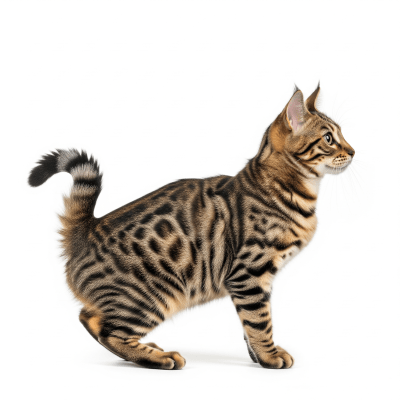
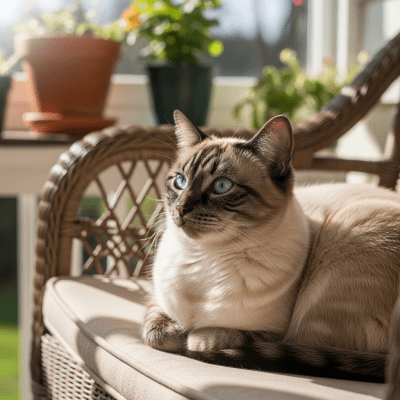
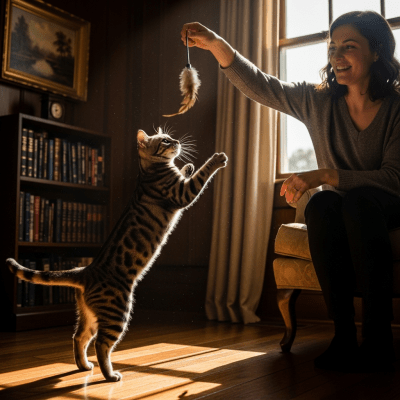
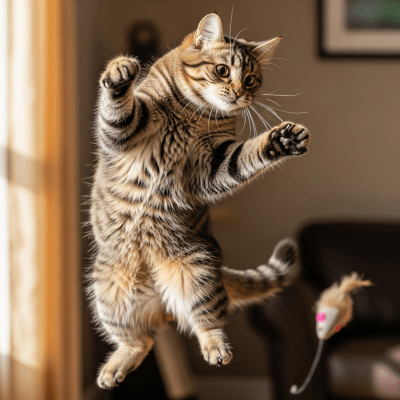
American Bobtails are celebrated for their playful, intelligent, and affectionate temperament. They display a dog-like personality, often greeting owners at the door and engaging in games. Their adaptability makes them excellent travel companions and therapy cats. They are gentle with children, sociable with other pets, and thrive in interactive environments.
Generally robust and healthy, American Bobtails have a typical lifespan of 13–15 years. Some lines may carry a risk of spinal issues related to tail mutations, but overall, the breed is considered hardy. Routine veterinary care and attention to general feline health are recommended.
Regular grooming is advised, especially for the longhair variety, to maintain coat health and prevent matting. Shorthair Bobtails benefit from weekly brushing. Routine care includes nail trimming, dental hygiene, and annual veterinary checkups. Their adaptable nature makes them easy to care for in most home environments.
The American Bobtail is accepted in an extensive range of colors and patterns, including tabby, solid, and pointed. Both shorthair and longhair varieties may display any eye color, further enhancing their expressive look.
While the American Bobtail is often featured in cat shows and therapy programs, there are no widely recognized individual cats of this breed in popular culture or history. The breed’s unique appearance, however, has made it a favorite among cat enthusiasts and a frequent subject in pet media.
The American Bobtail is consistently referred to by the same name in major registries and regions. Minimal regional naming variants exist, and the breed is recognized in both shorthair and longhair subtypes.