Tibetan Sand Fox
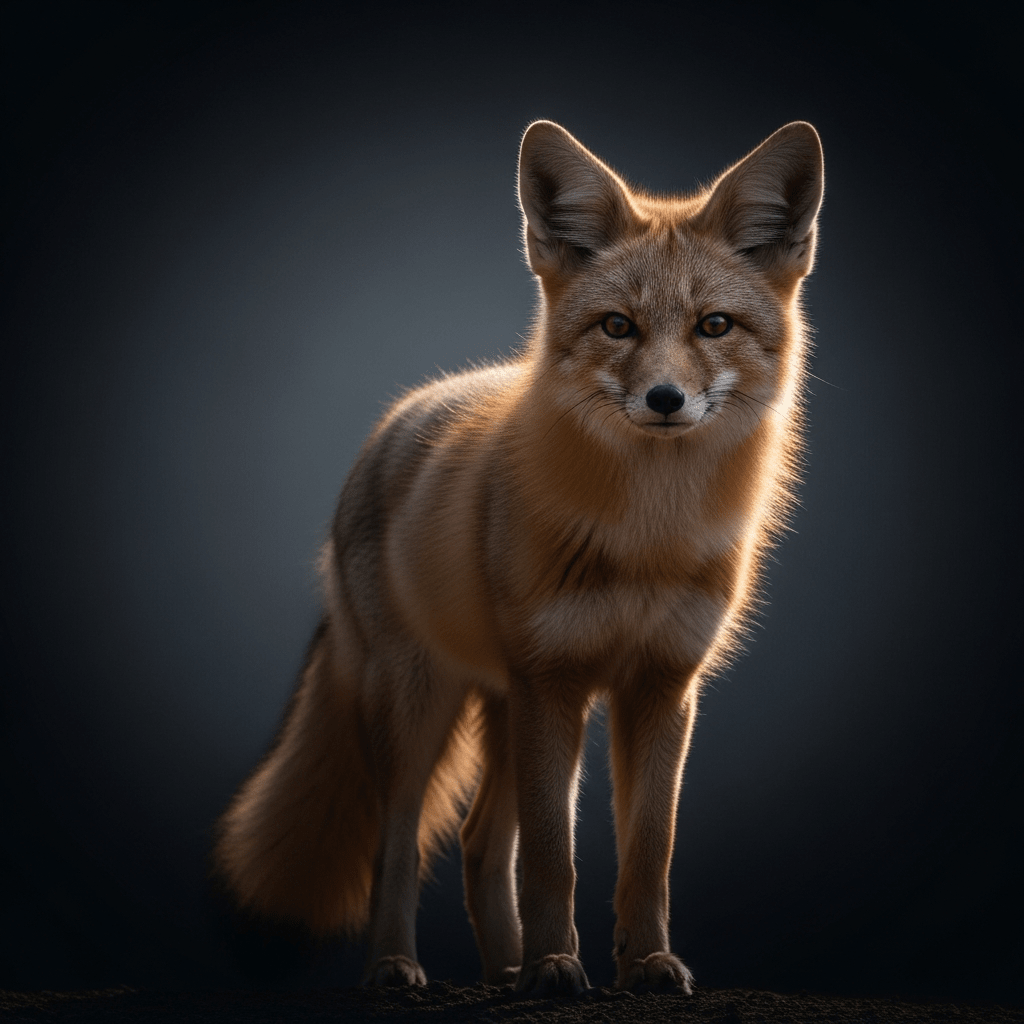
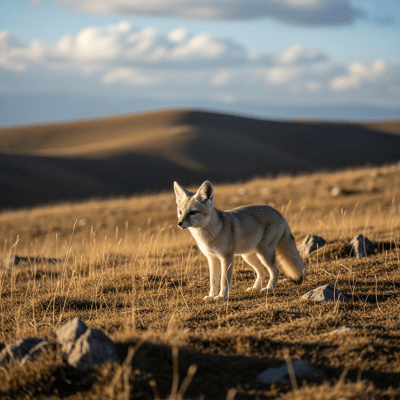
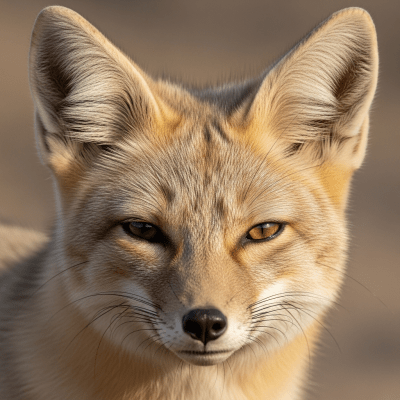
The Tibetan Sand Fox (Vulpes ferrilata) is a medium-sized wild canid uniquely adapted to the cold, open landscapes of the Tibetan Plateau, instantly recognizable by its square-shaped muzzle and dense, pale fur.
The Tibetan Sand Fox (Vulpes ferrilata) is a medium-sized wild canid uniquely adapted to the cold, open landscapes of the Tibetan Plateau, instantly recognizable by its square-shaped muzzle and dense, pale fur.
First described by Hodgson in 1842, the Tibetan Sand Fox was identified from specimens collected in Tibet and neighboring regions. With no known domesticated breeds or subspecies, its lineage remains firmly rooted in the wild canid populations of Central Asia. The species' discovery and scientific naming reflect the early zoological exploration of the high-altitude steppes, where it has thrived in isolation for centuries.
The Tibetan Sand Fox belongs to the family Canidae, within the genus Vulpes and species Vulpes ferrilata. As a true fox, it shares its genus with other Old World foxes but stands apart due to its distinctive morphology and ecological niche. There are no recognized subspecies or breeds, and its taxonomic status is well established among zoological authorities.
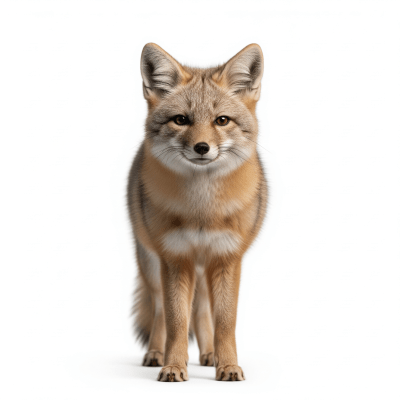
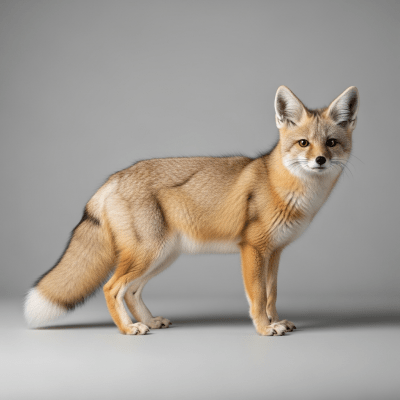
The Tibetan Sand Fox presents a compact, sturdy body with short legs and a bushy tail. Its fur is dense and pale, ranging from tan to greyish on the back, with striking rufous sides and a white underbelly. Most notably, its muzzle is square-shaped—a rare trait among canids—giving it a boxy, almost comical facial appearance. Adults typically measure 60–70 cm in length and weigh between 4 and 6 kg, perfectly suited for the harsh, high-altitude climate.
This fox is solitary and diurnal, spending its days hunting across the Tibetan Plateau. Its primary prey is the plateau pika, though it also consumes rodents and birds. The Tibetan Sand Fox is not domesticated and has no agricultural or commercial use; its role is strictly ecological, acting as a specialized predator that helps regulate small mammal populations in its environment.
Bring this kind into your world illustrated posters, mugs, and shirts.
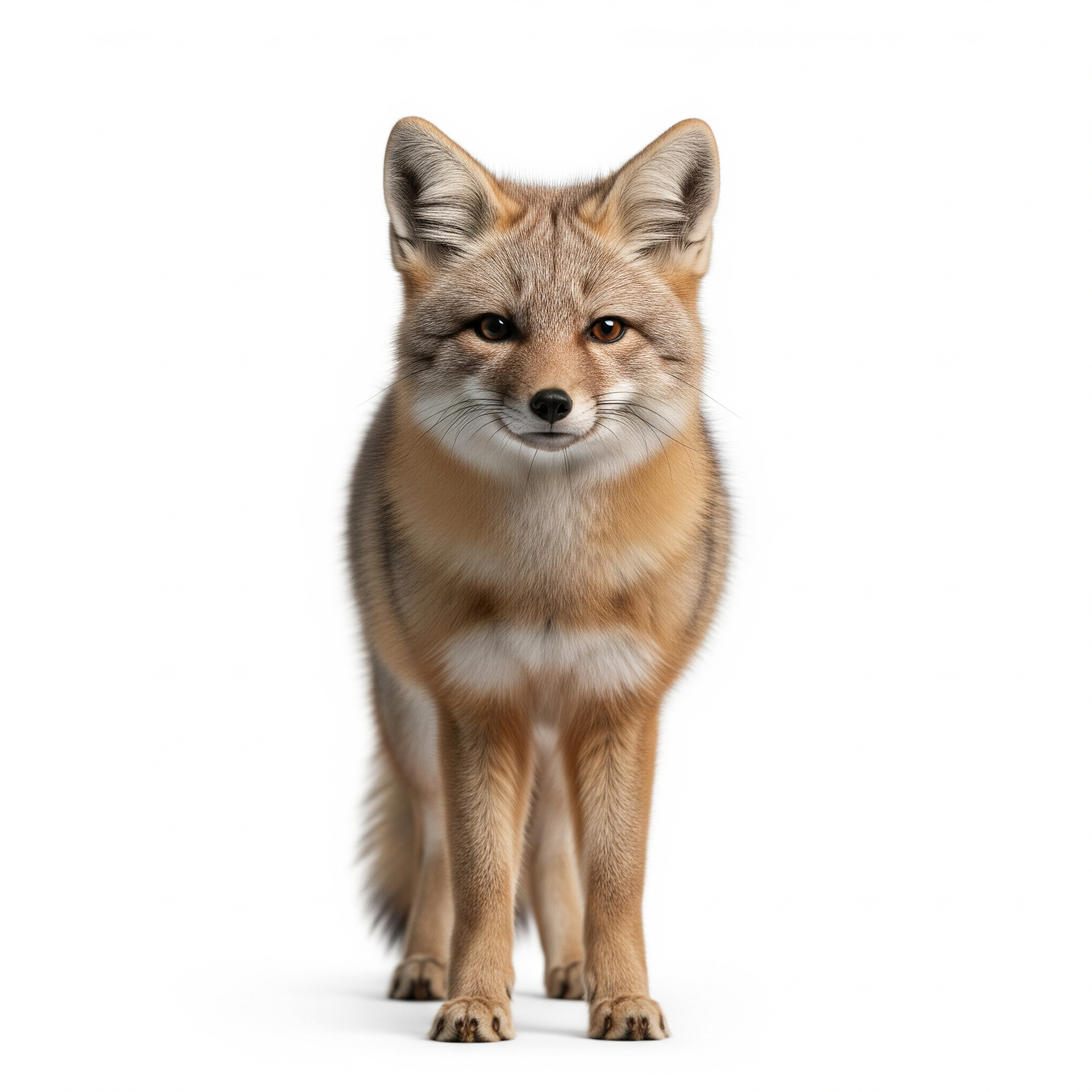
Archival print, museum-grade paper
Buy Poster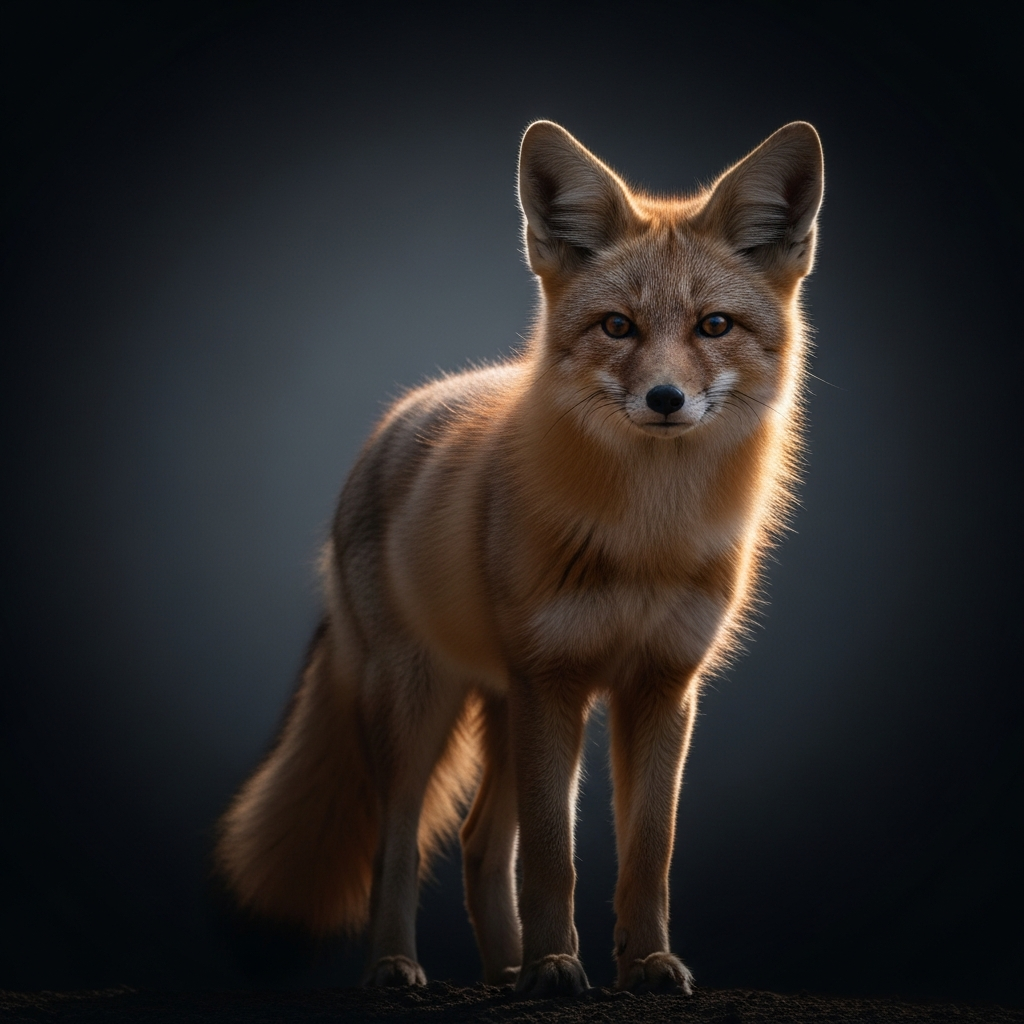
Stoneware mug, dishwasher safe
Buy Mug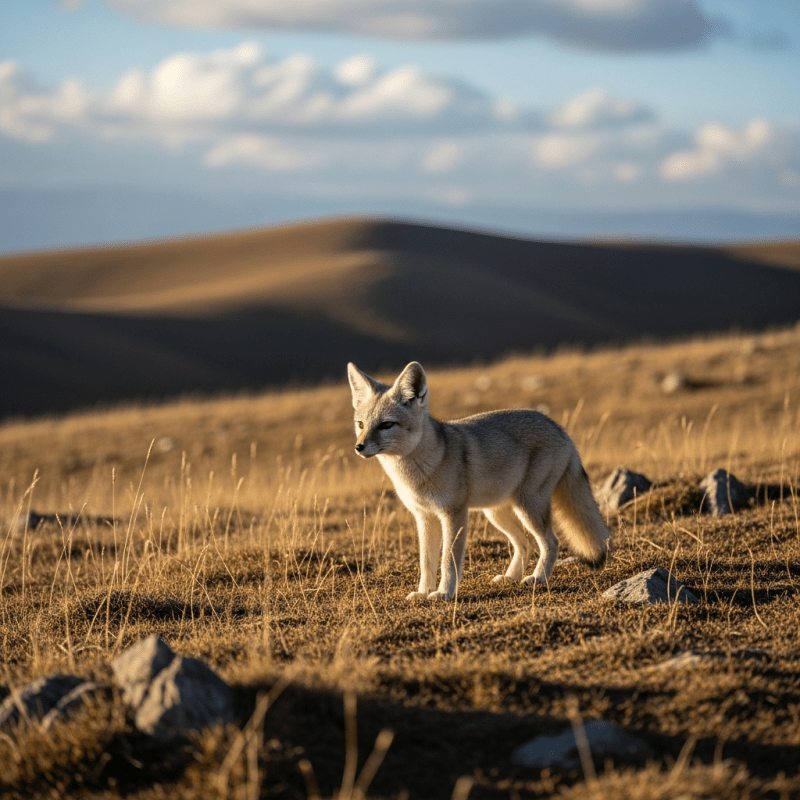
Soft cotton tee, unisex sizes
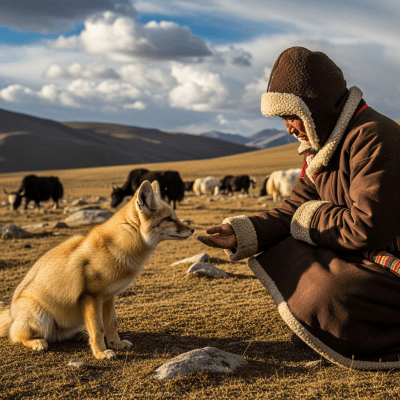
Buy ShirtWhile the Tibetan Sand Fox does not feature prominently in global folklore or art, its unusual appearance has made it a subject of fascination in wildlife photography and natural history media. Locally, it may be referenced in Tibetan and Chinese names, but detailed cultural stories or symbolic roles are not widely documented in English-language sources.
Canine domestication is a process that began thousands of years ago, primarily with wolves evolving into domestic dogs. The Tibetan Sand Fox, however, has remained entirely wild, with no evidence of domestication or breed development. Its evolutionary path reflects adaptation to the harsh, high-altitude environment, diverging from other foxes through unique physical and behavioral traits suited to its ecological niche.
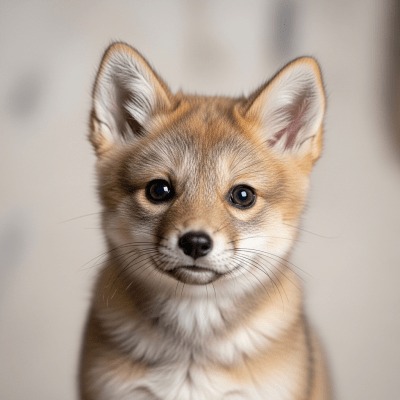
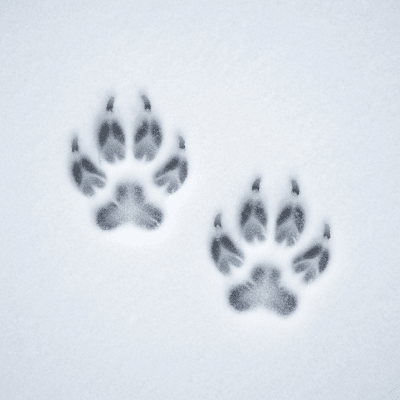
Wild canines like the Tibetan Sand Fox differ from domesticated dogs in several key ways: they retain solitary, self-sufficient behaviors, specialized diets, and adaptations to challenging environments. Unlike domestic dogs, which have been bred for companionship and utility, the Tibetan Sand Fox is elusive, independent, and shaped entirely by natural selection within its remote habitat.
The Tibetan Sand Fox is a distinct species within the genus Vulpes, separate from other foxes such as the Red Fox (Vulpes vulpes) and Corsac Fox (Vulpes corsac). There are no recognized subspecies or breeds. Its unique square-shaped muzzle and high-altitude adaptations set it apart from its relatives, highlighting the diversity within the canid family.
As a specialized predator, the Tibetan Sand Fox plays a vital role in the Tibetan Plateau ecosystem by controlling populations of plateau pikas and other small mammals. This predation helps maintain ecological balance, influencing vegetation and the broader food web. Its presence is an indicator of healthy, functioning grassland habitats.
In the wild, the Tibetan Sand Fox faces typical health challenges of high-altitude predators, including exposure to extreme cold and limited food resources. There are no documented welfare concerns related to captivity or domestication, as the species is not kept by humans. Conservation of its habitat is essential for its continued well-being.
While no individual Tibetan Sand Fox has gained global fame, the species itself has become notable through wildlife documentaries and photography, often captivating audiences with its distinctive facial features and remote lifestyle. Its image is iconic among enthusiasts of high-altitude wildlife.
The Tibetan Sand Fox is currently listed as Least Concern by the IUCN Red List, reflecting stable populations across its range. However, ongoing habitat changes and pressures on prey species like the plateau pika could impact its future status. Conservation efforts focus on preserving the integrity of the Tibetan Plateau ecosystem.
Although regional names for the Tibetan Sand Fox exist in Tibetan and Chinese languages, there are no documented subspecies or significant morphological variations across its range. The term "sand fox" may sometimes be used locally, but this can cause confusion with other fox species. Its adaptations are consistent throughout the high-altitude regions it inhabits.