Tibetan Fox
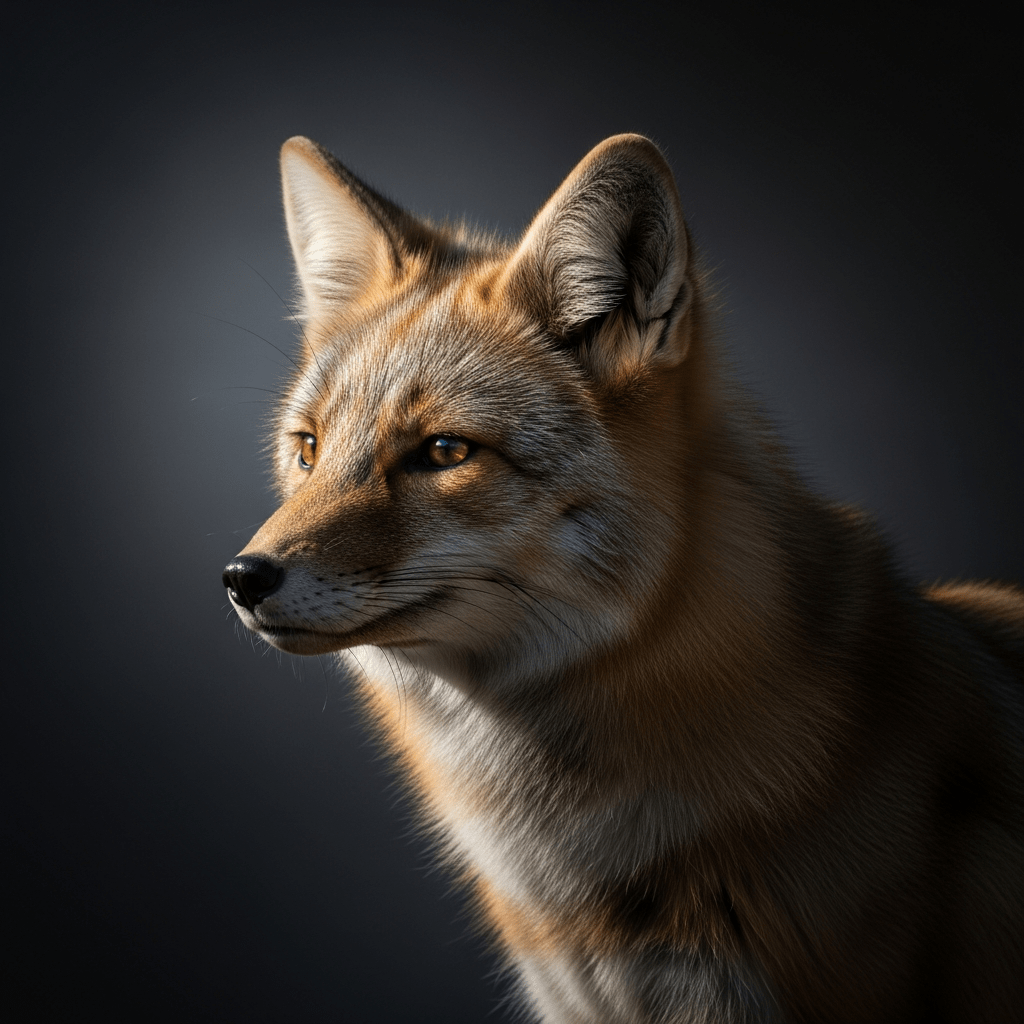
The Tibetan Fox (Vulpes ferrilata) is a uniquely adapted wild canid, instantly recognizable by its square-shaped face and thick, soft fur, thriving in the high-altitude grasslands of the Tibetan Plateau.
The Tibetan Fox (Vulpes ferrilata) is a uniquely adapted wild canid, instantly recognizable by its square-shaped face and thick, soft fur, thriving in the high-altitude grasslands of the Tibetan Plateau.
First described by Hodgson in 1842, the Tibetan Fox was identified from specimens collected in Tibet. Its lineage belongs to the genus Vulpes, closely related to other Old World foxes. The species has evolved to survive the harsh, cold, and arid conditions of the plateau, with no known domesticated breeds or subspecies. Its discovery and subsequent study have been documented in zoological records and field research across Central Asia.
The Tibetan Fox is classified within the family Canidae, genus Vulpes, and species Vulpes ferrilata. As a member of the "true foxes," it shares ancestry with other Eurasian foxes, but is set apart by its distinctive morphology and ecological niche. The broader Canidae family encompasses wolves, jackals, coyotes, and domestic dogs, but the Tibetan Fox is a specialized wild species adapted to its unique environment.
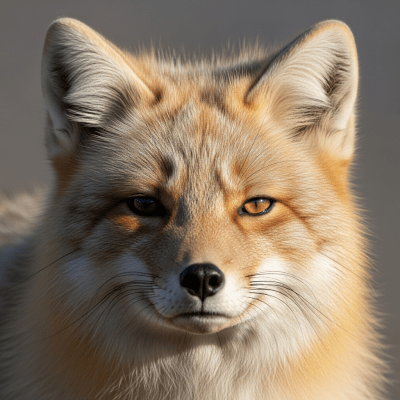
Medium-sized and compact, the Tibetan Fox typically weighs 4–5.5 kg and measures 60–70 cm in body length, with a bushy tail of 29–40 cm. Its dense, soft fur ranges from pale grey to rufous, offering insulation against the plateau's cold. The fox's face is strikingly square, framed by white cheeks and a short, blunt muzzle, giving it a somewhat comical and memorable expression. Its short limbs and sturdy build further aid survival in rugged terrain.
The Tibetan Fox is a solitary or paired hunter, active during daylight hours. Its primary prey are pikas and rodents, making it a crucial predator for controlling small mammal populations in its ecosystem. Unlike many other canids, it does not interact with humans for utility or companionship, remaining strictly wild. The species is not farmed, domesticated, or used for commercial purposes, and its ecological role is its defining function.
Bring this kind into your world illustrated posters, mugs, and shirts.

Archival print, museum-grade paper
Buy Poster
Stoneware mug, dishwasher safe
Buy Mug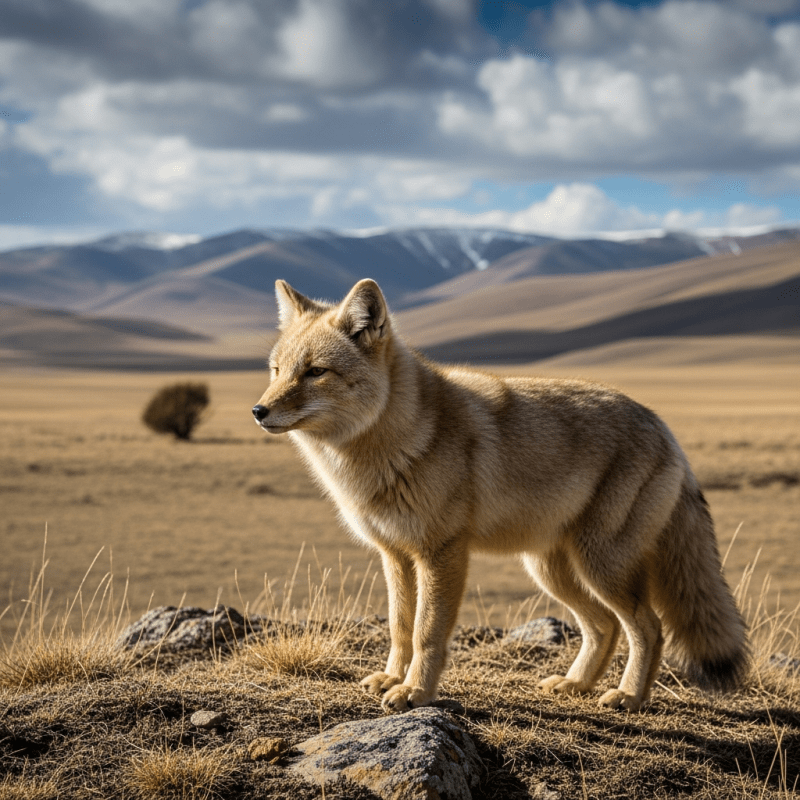
Soft cotton tee, unisex sizes
Buy ShirtWhile the Tibetan Fox does not hold a prominent place in global folklore or art, it is occasionally referenced in local Tibetan and Chinese stories, sometimes confused with other fox species. Its unusual facial features have made it a subject of fascination in wildlife photography and documentaries, often symbolizing the enigmatic and resilient spirit of the Tibetan Plateau.
Unlike the domestic dog, the Tibetan Fox has never undergone domestication. Its evolutionary history traces back within the genus Vulpes, diverging from other Old World foxes to specialize in the cold, arid environments of Central Asia. Canine domestication as a whole began thousands of years ago, but the Tibetan Fox remains strictly wild, with no evidence of breed development or human-mediated selection.
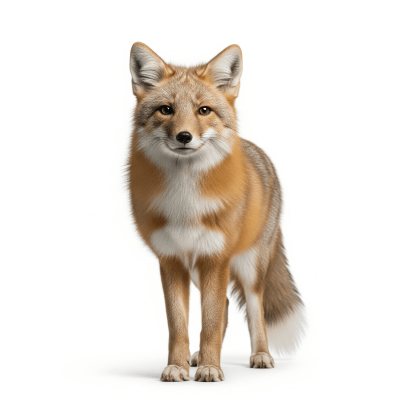
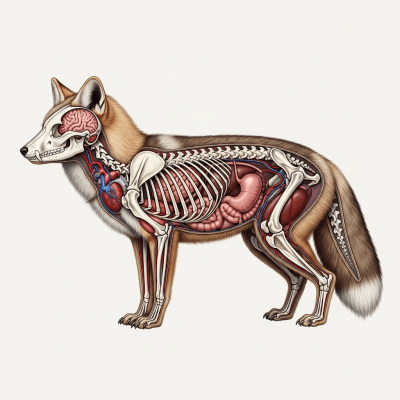

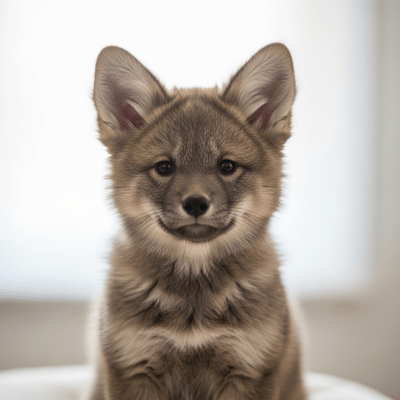
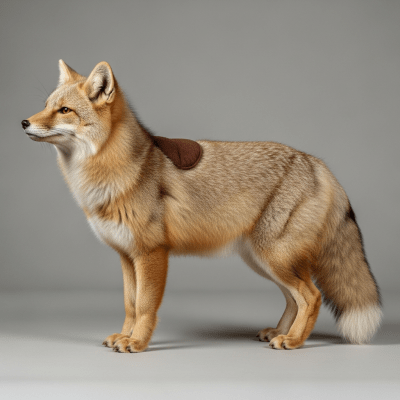

The Tibetan Fox exemplifies the traits of wild canines: solitary or paired living, diurnal hunting, and adaptation to a harsh environment. In contrast, domesticated dogs display a vast range of behaviors, appearances, and lifestyles shaped by close association with humans. While dogs have been bred for utility, companionship, and work, the Tibetan Fox remains independent, elusive, and unaffected by human intervention.
The Tibetan Fox (Vulpes ferrilata) is a distinct species within the genus Vulpes, with no recognized subspecies or breeds. The genus includes other notable foxes such as the Red Fox (Vulpes vulpes) and Arctic Fox (Vulpes lagopus), but the Tibetan Fox stands out for its unique facial structure and ecological specialization. Diversity within canines is vast, but this species is singular and not subdivided.
As a predator of pikas and rodents, the Tibetan Fox is essential for maintaining ecological balance on the Tibetan Plateau. By controlling populations of small mammals, it helps prevent overgrazing and supports the health of grassland ecosystems. Its presence also influences the food web, providing prey for larger carnivores and contributing to biodiversity.
The Tibetan Fox faces typical challenges of wild canids, including harsh climate, predation, and disease. There are no documented health issues specific to the species, nor welfare concerns related to captivity or exploitation, as it is not domesticated or farmed. Conservation of its habitat and prey base is vital for its continued welfare.
While the Tibetan Fox has not achieved fame as an individual, its striking appearance has made it a favorite subject in wildlife photography and nature documentaries. Images of its square face and intense gaze have circulated widely, capturing the imagination of viewers and raising awareness of the plateau’s unique fauna.
The Tibetan Fox is currently listed as a species of "Least Concern" by the IUCN Red List, reflecting stable populations across its range. There are no major threats identified, but habitat changes and reductions in prey populations could impact its future status. Ongoing monitoring and habitat protection are important for maintaining its ecological role.
No recognized subspecies or major regional variants of the Tibetan Fox exist. Locally, it may be known as the "Tibetan Sand Fox" or "Plateau Fox," and in Mandarin as 藏狐 (Zàng hǔ). Occasionally, it is confused with other fox species in regional folklore, but its physical traits and habitat remain consistent throughout its range.