Swift Fox
The swift fox (Vulpes velox) is a small, agile canid native to the North American prairies, renowned for its speed, adaptability, and vital role in grassland ecosystems.
The swift fox (Vulpes velox) is a small, agile canid native to the North American prairies, renowned for its speed, adaptability, and vital role in grassland ecosystems.
First described in 1823 by naturalist Thomas Say, the swift fox was identified from specimens collected in the central United States. Its lineage is strictly wild, with no recognized subspecies, though some debate persists regarding the kit fox (Vulpes macrotis) as a close relative or subspecies. Since the late 20th century, conservation and reintroduction efforts have been led by organizations such as Parks Canada and the U.S. Fish & Wildlife Service to restore populations across their historic range.
The swift fox belongs to the family Canidae, within the genus Vulpes and species Vulpes velox. As a member of the broader canid family, it shares ancestry with other foxes, wolves, and domestic dogs, yet stands apart as one of the smallest and most specialized North American foxes.
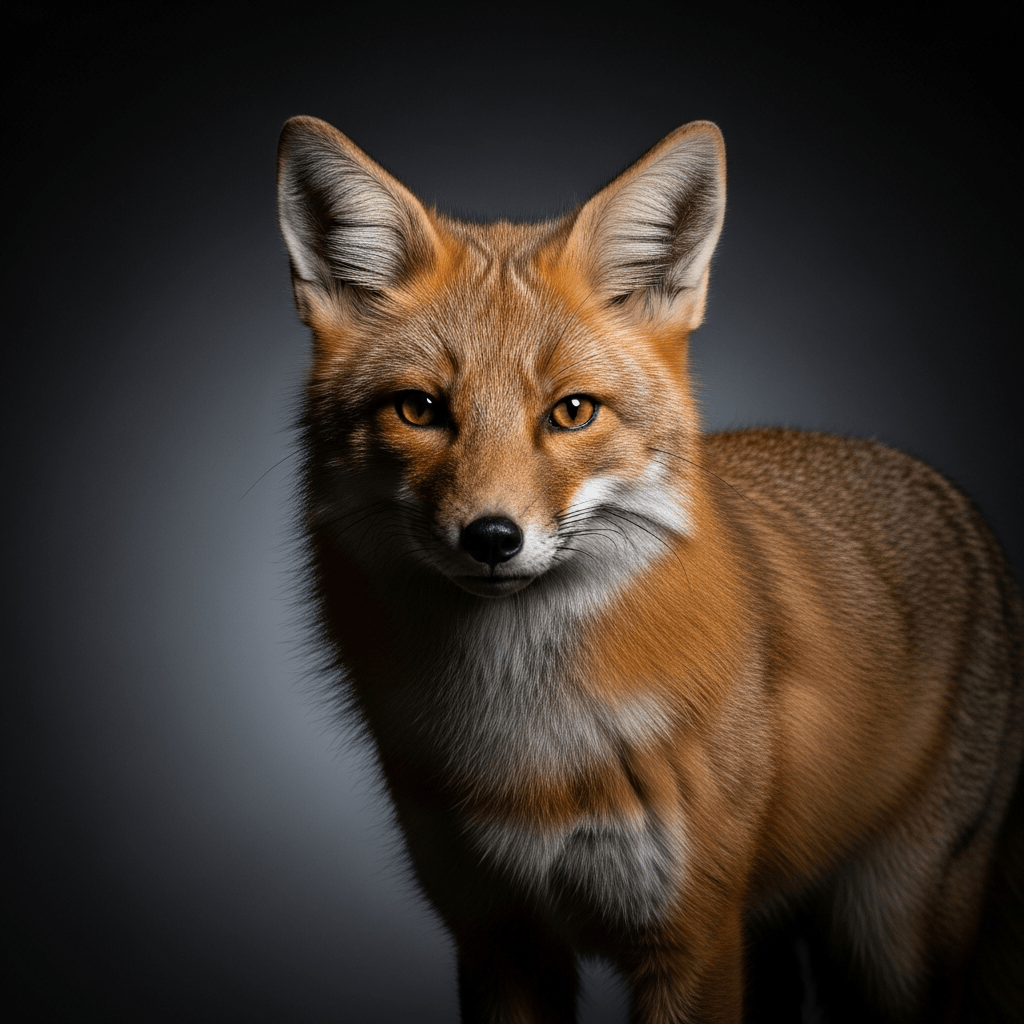
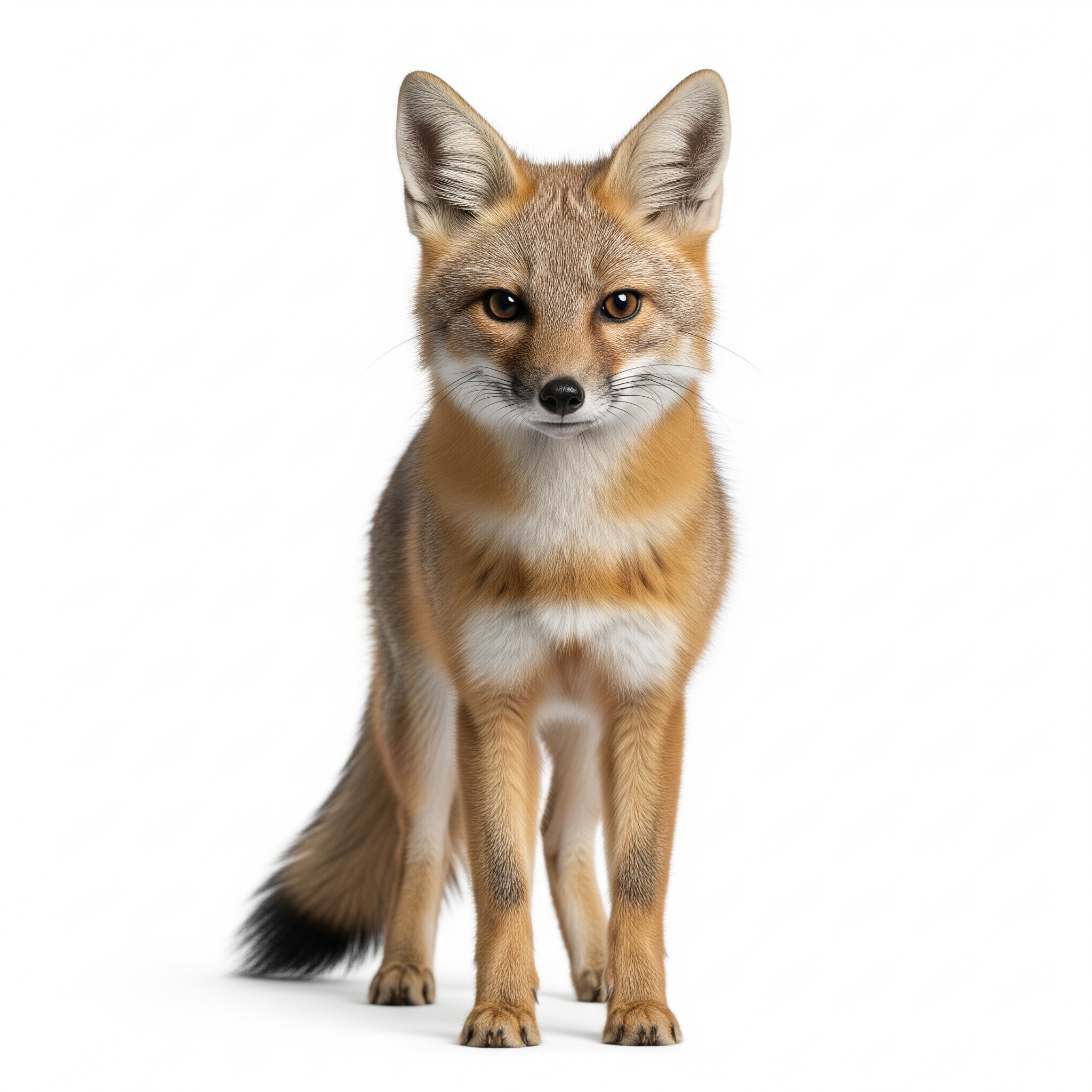
Swift foxes are diminutive, typically weighing just 2–3 kg and measuring 80–90 cm from nose to tail tip. Their fur is a pale yellowish-tan with lighter underparts, and they sport a bushy tail tipped with black. Their slender limbs and low body mass are perfectly suited for rapid movement across open grasslands, while their expressive eyes and pointed ears give them a distinctly alert and curious appearance.
Primarily nocturnal, swift foxes shelter in dens during the day and emerge at night to hunt small mammals, insects, and occasional plant matter. Their burrowing behavior helps them evade predators and extreme weather. With high reproductive rates—producing litters of 4–6 pups—they are resilient yet vulnerable to habitat loss and predation by larger canids, especially coyotes. While not domesticated or used commercially, they are important indicators of prairie ecosystem health.
Bring this kind into your world illustrated posters, mugs, and shirts.
Archival print, museum-grade paper
Buy Poster
Stoneware mug, dishwasher safe
Buy Mug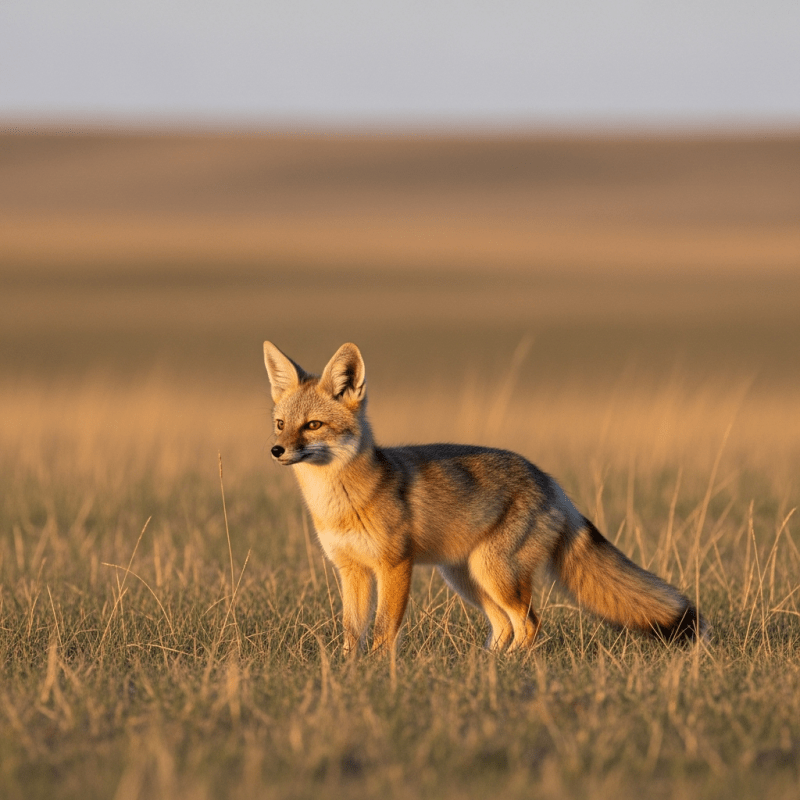
Soft cotton tee, unisex sizes
Buy ShirtThe swift fox features in Indigenous folklore across the Great Plains, often symbolizing agility, cleverness, and survival. Today, it is celebrated in educational programs and ecotourism initiatives that highlight prairie conservation, serving as a charismatic ambassador for the threatened grassland biome.
Canines have a rich evolutionary history, with domestication occurring primarily in the genus Canis (domestic dogs). Foxes, including the swift fox, remain strictly wild, shaped by natural selection for speed, agility, and survival in open habitats. While domestic dogs evolved alongside humans, the swift fox has retained its independence and wild behaviors, with no history of domestication.
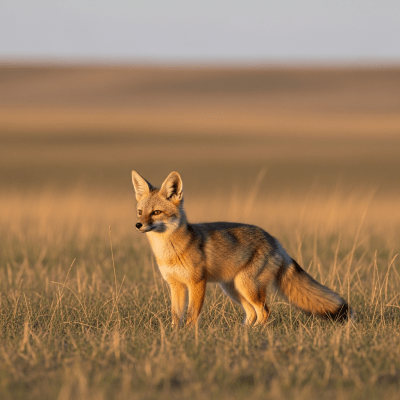
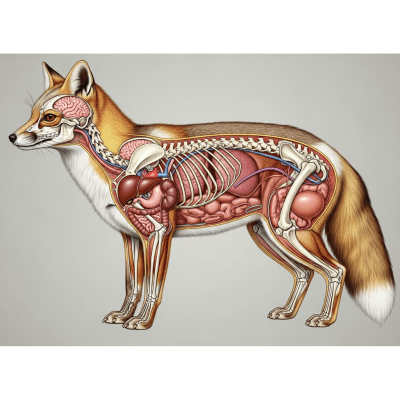


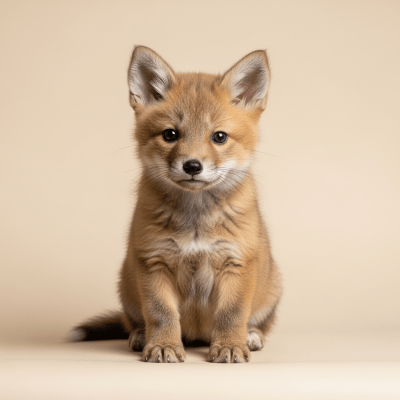
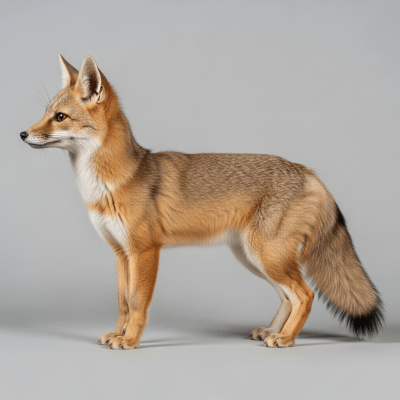

Wild canines like the swift fox are adapted to survive in natural environments, relying on keen senses, agility, and denning behaviors. In contrast, domesticated dogs exhibit a vast range of physical and behavioral traits shaped by human selection. Swift foxes are solitary or live in small family groups, while domestic dogs are socialized for companionship and utility. Wild canines face threats from habitat loss and predation, whereas domestic dogs depend on human care.
The family Canidae encompasses a remarkable diversity, from wolves and coyotes to numerous fox species. The swift fox (Vulpes velox) is distinct for its small size and prairie specialization. Other notable North American canids include the red fox (Vulpes vulpes), gray wolf (Canis lupus), and coyote (Canis latrans). While domestic dogs represent hundreds of breeds, wild species like the swift fox showcase nature's adaptive ingenuity.
Swift foxes play a crucial role in prairie ecosystems as both predator and prey. By controlling populations of small mammals and insects, they help maintain ecological balance. Their burrowing activities aerate soil and provide habitats for other species. As prey for larger carnivores, they are integral to food webs, and their presence signals healthy grassland environments.
Swift foxes are generally robust, but face threats from habitat fragmentation, predation, and vehicle collisions. Conservation programs monitor their populations and promote habitat restoration. Unlike domestic dogs, swift foxes do not receive veterinary care; their welfare depends on the preservation of natural habitats and mitigation of human impacts.
While individual swift foxes are not widely known by name, their species has become emblematic of successful wildlife recovery in North America. Reintroduction efforts in Canada and the United States have transformed the swift fox into a symbol of hope for endangered prairie species, often featured in conservation campaigns and educational materials.
The swift fox was once extirpated from much of its northern range, but targeted conservation and reintroduction programs have restored populations in Canada and the U.S. It is currently listed as Least Concern by the IUCN, though local populations remain vulnerable to habitat loss and fragmentation. Ongoing efforts focus on habitat protection, monitoring, and public education to ensure the species' long-term survival.
Across its range, the swift fox is known by alternate names such as "prairie fox" and sometimes "kit fox," though the latter more commonly refers to Vulpes macrotis. Regional conservation programs have adapted strategies to local conditions, with Canadian populations benefiting from reintroduction and habitat management. Despite minor naming differences, Vulpes velox remains the accepted scientific name throughout North America.