South American Gray Fox
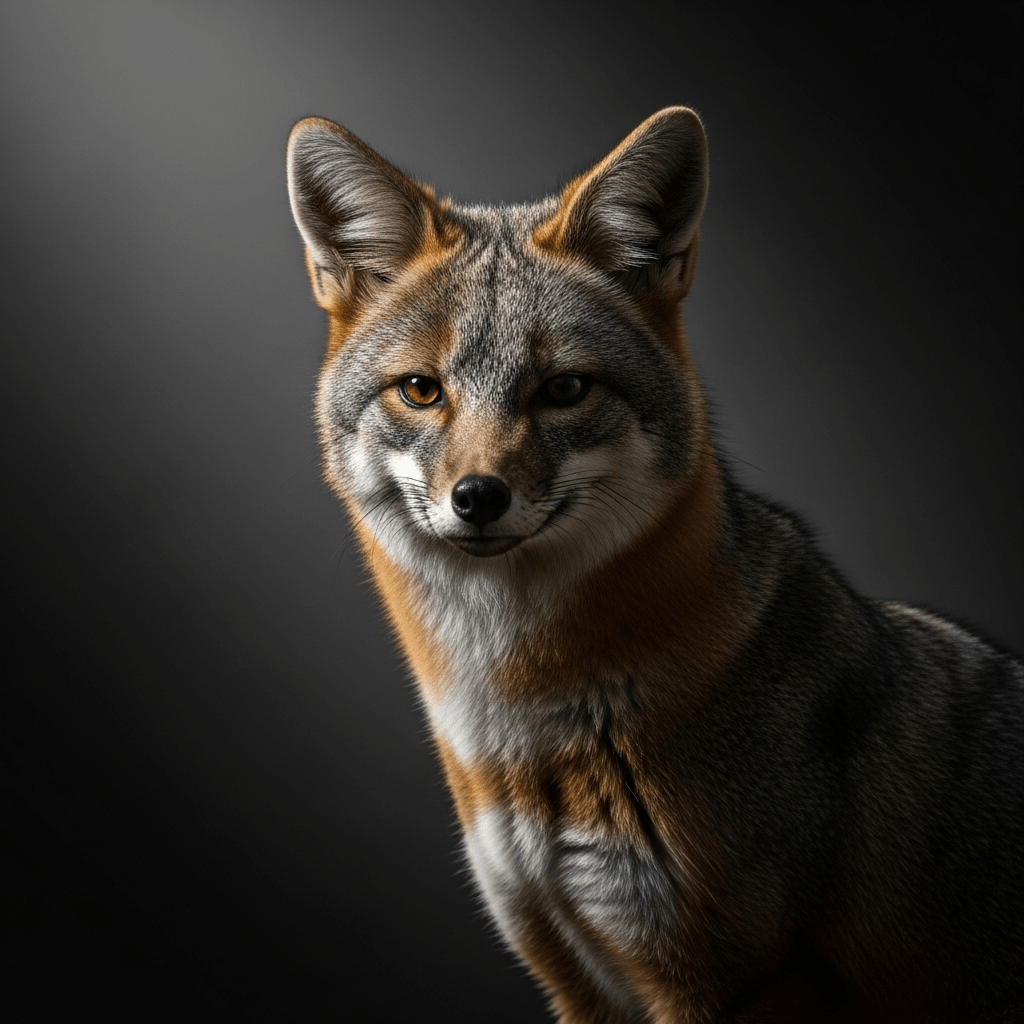
The South American gray fox (Lycalopex griseus) is a small, highly adaptable canid native to southern South America, recognized for its bushy tail, grizzled gray fur, and ecological versatility.
The South American gray fox (Lycalopex griseus) is a small, highly adaptable canid native to southern South America, recognized for its bushy tail, grizzled gray fur, and ecological versatility.
First described in 1837, the South American gray fox originates from the wild landscapes of Chile and Argentina. Its lineage belongs to the genus Lycalopex, a group of South American foxes distinct from their northern relatives. Documented through early zoological exploration, the species has thrived in diverse environments without domestication, reflecting centuries of adaptation to the continent’s arid plains, shrublands, and foothills.
This fox is classified within the family Canidae, under the genus Lycalopex and species Lycalopex griseus. Unlike true foxes of the genus Vulpes, the South American gray fox belongs to a lineage unique to South America, often referred to as 'South American foxes.' Its taxonomy highlights evolutionary divergence shaped by the continent’s distinct habitats and ecological pressures.
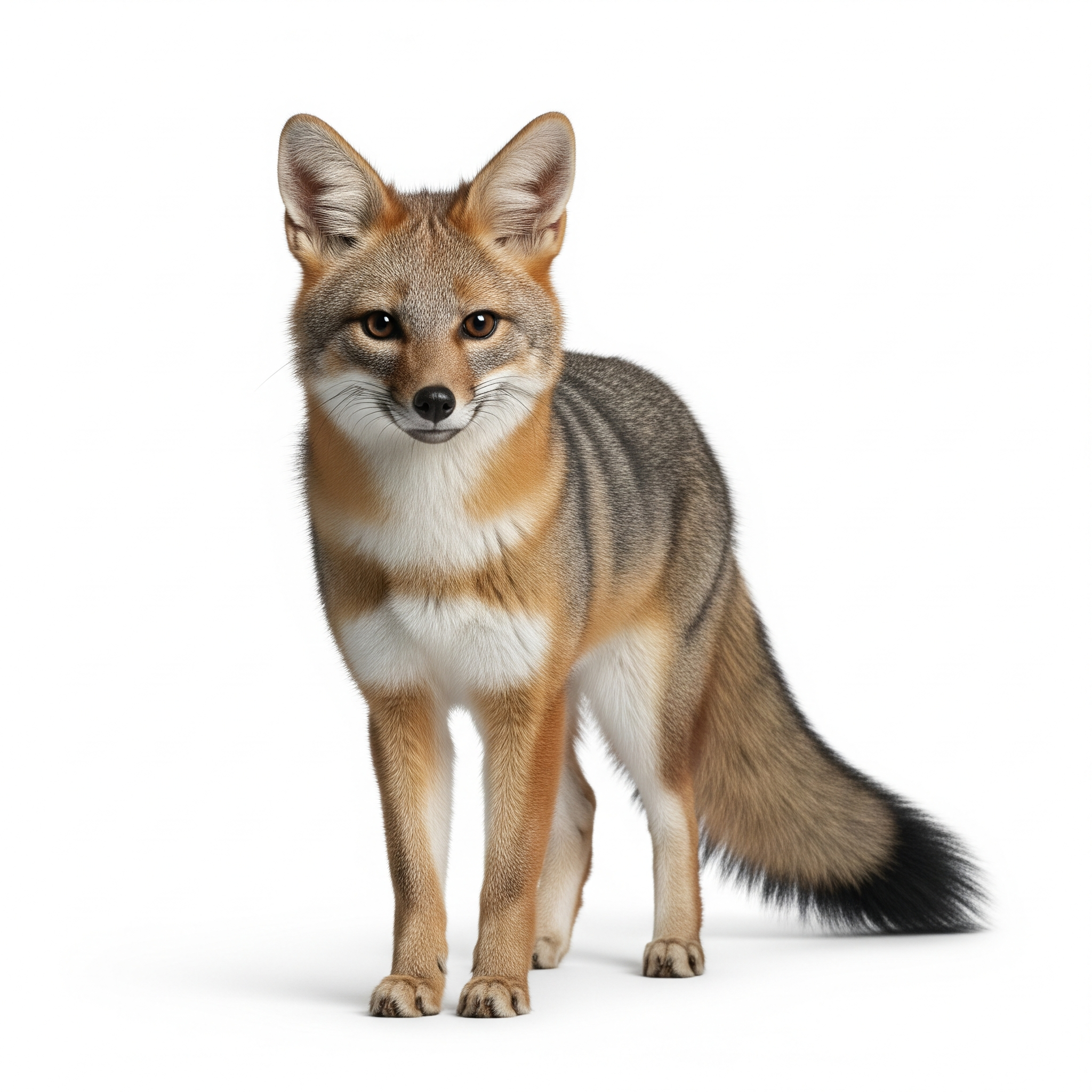
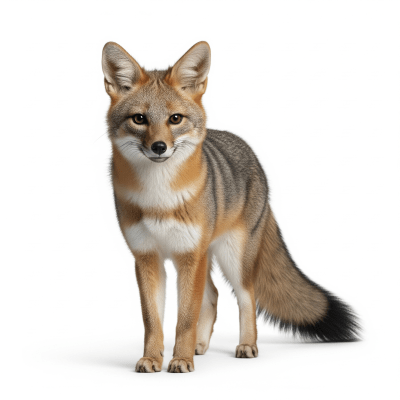
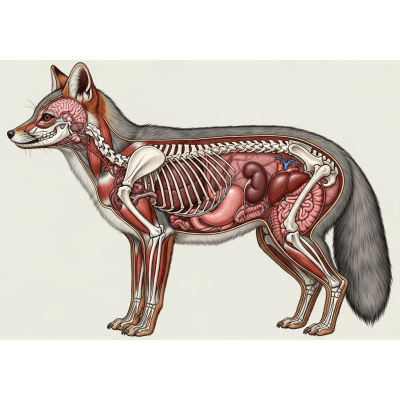
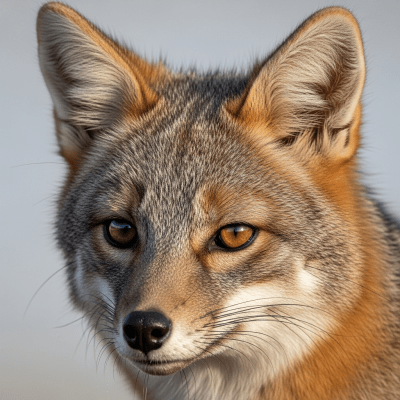
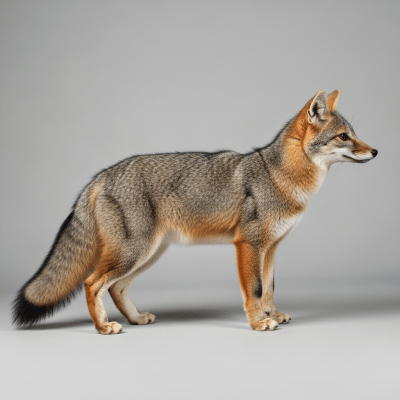
The South American gray fox is compact, measuring 65–70 cm in body length with a bushy tail of 30–35 cm tipped in black. Its fur is predominantly gray, accented by reddish flanks and limbs, a white underbelly, and sharply pointed ears. The overall impression is of a sleek, agile animal, blending well into grasslands and scrub with its muted, grizzled coat. Its lively eyes and expressive face evoke both curiosity and caution.
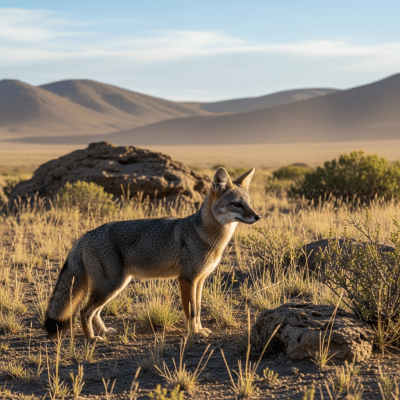
Primarily solitary or found in pairs, the South American gray fox is nocturnal and omnivorous, feeding opportunistically on small mammals, birds, insects, fruit, and carrion. It displays remarkable adaptability, thriving in arid, semi-arid, and temperate regions, including agricultural and peri-urban landscapes. While not domesticated, it plays a vital ecological role as a mesopredator and seed disperser, and is sometimes considered a pest due to predation on poultry.
Bring this kind into your world illustrated posters, mugs, and shirts.
Archival print, museum-grade paper
Buy Poster
Stoneware mug, dishwasher safe
Buy Mug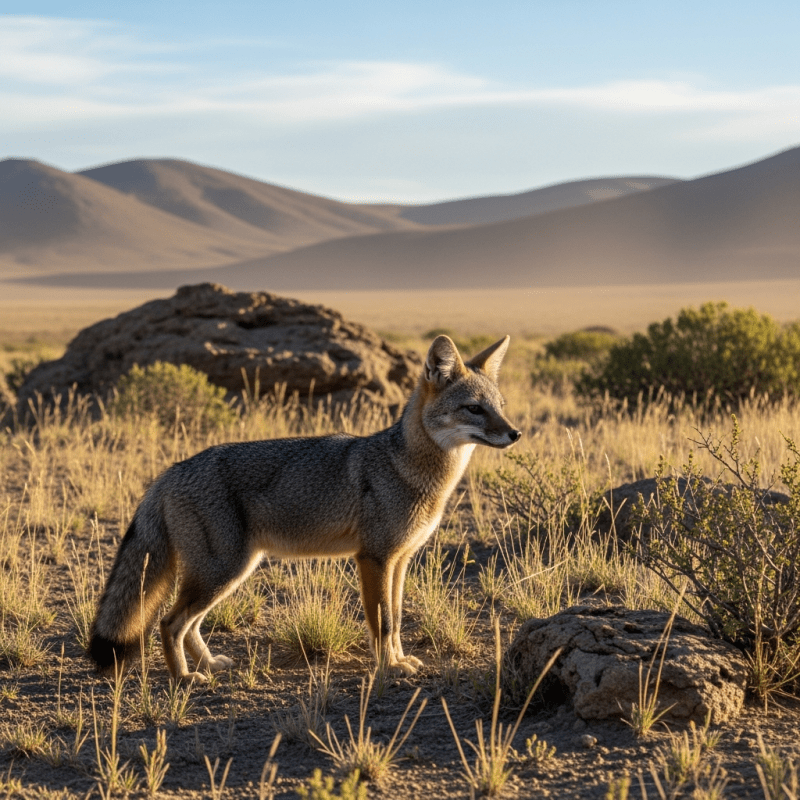
Soft cotton tee, unisex sizes
Buy ShirtThough not widely featured in global folklore, the South American gray fox holds local cultural significance in Chile and Argentina, where it is known as the 'chilla.' Its image appears in regional stories and is sometimes invoked in rural traditions as a symbol of cunning and adaptability. Historically, its fur was traded regionally, and today the fox is occasionally referenced in ecotourism and local conservation narratives.
Canine domestication traces back tens of thousands of years, with domestic dogs evolving from Eurasian wolves. The South American gray fox, however, remains undomesticated, representing a lineage that adapted independently to South American environments. Its evolutionary path diverged from Old World canids, resulting in unique traits suited to local climates and habitats.



Wild canines like the South American gray fox exhibit solitary, nocturnal behaviors, opportunistic diets, and physical adaptations for survival in diverse habitats. In contrast, domesticated dogs have been selectively bred for traits such as sociability, trainability, and a wide range of forms and functions. While domestic dogs rely on humans for care and companionship, wild canines remain self-sufficient and wary of human contact.
The South American gray fox is one of several species within the genus Lycalopex, which includes the culpeo, Darwin's fox, and others. These 'South American foxes' are distinct from true foxes (Vulpes) and display a range of sizes, colors, and ecological adaptations. The South American gray fox is notable for its small size, grayish coat, and adaptability, setting it apart within its genus.
As a mesopredator, the South American gray fox plays a crucial role in its ecosystem by controlling populations of rodents and insects, scavenging carrion, and dispersing seeds. Its presence helps maintain ecological balance in grasslands, shrublands, and agricultural areas, supporting biodiversity and ecosystem health.
Wild South American gray foxes face threats from hunting, habitat disturbance, and vehicle collisions. While generally resilient, they may be exposed to diseases common to canids. Conservation efforts focus on maintaining healthy populations and mitigating human-wildlife conflict, especially in agricultural regions where they are sometimes persecuted as pests.
Unlike domestic dogs or wolves, individual South American gray foxes are not widely recognized in popular culture or history. Their fame lies in their ecological importance and adaptability, rather than in notable individuals. Local stories may feature the 'chilla' as a clever or elusive figure in rural folklore.
The South American gray fox is currently listed as Least Concern by the IUCN, with stable populations across its range. While not threatened globally, regional pressures such as hunting and habitat encroachment exist. Conservation efforts emphasize monitoring populations and managing human-wildlife interactions to ensure long-term stability.
Across its range in Chile, Argentina, and neighboring regions, the South American gray fox is known by various names, including 'chilla' and 'zorro gris.' Populations may differ in size and coloration, reflecting local environmental conditions. Regional hunting practices and attitudes toward the species also vary, influencing its status and visibility in local culture.