Simien Jackal
The Simien Jackal, now more accurately known as the Ethiopian wolf (Canis simensis), is Africa’s rarest and most endangered canid, found only in the high-altitude grasslands of Ethiopia.
The Simien Jackal, now more accurately known as the Ethiopian wolf (Canis simensis), is Africa’s rarest and most endangered canid, found only in the high-altitude grasslands of Ethiopia.
First described by Eduard Rüppell in 1835, the Simien Jackal’s story begins in the rugged Simien Mountains of Ethiopia. Early explorers mistook it for a jackal, but modern genetic and morphological research has confirmed its distinct species status within the genus Canis. Its evolutionary lineage is unique among African canids, with no recognized subspecies or regional variants, making it a singular branch in the canid family tree.
Classified within the family Canidae, the Simien Jackal belongs to the genus Canis and is scientifically named Canis simensis. While its common name suggests a jackal, it is more closely related to wolves than to true jackals, representing a distinct evolutionary offshoot among African canids. All populations are considered one species, with minor local adaptations but no formal subspecies.
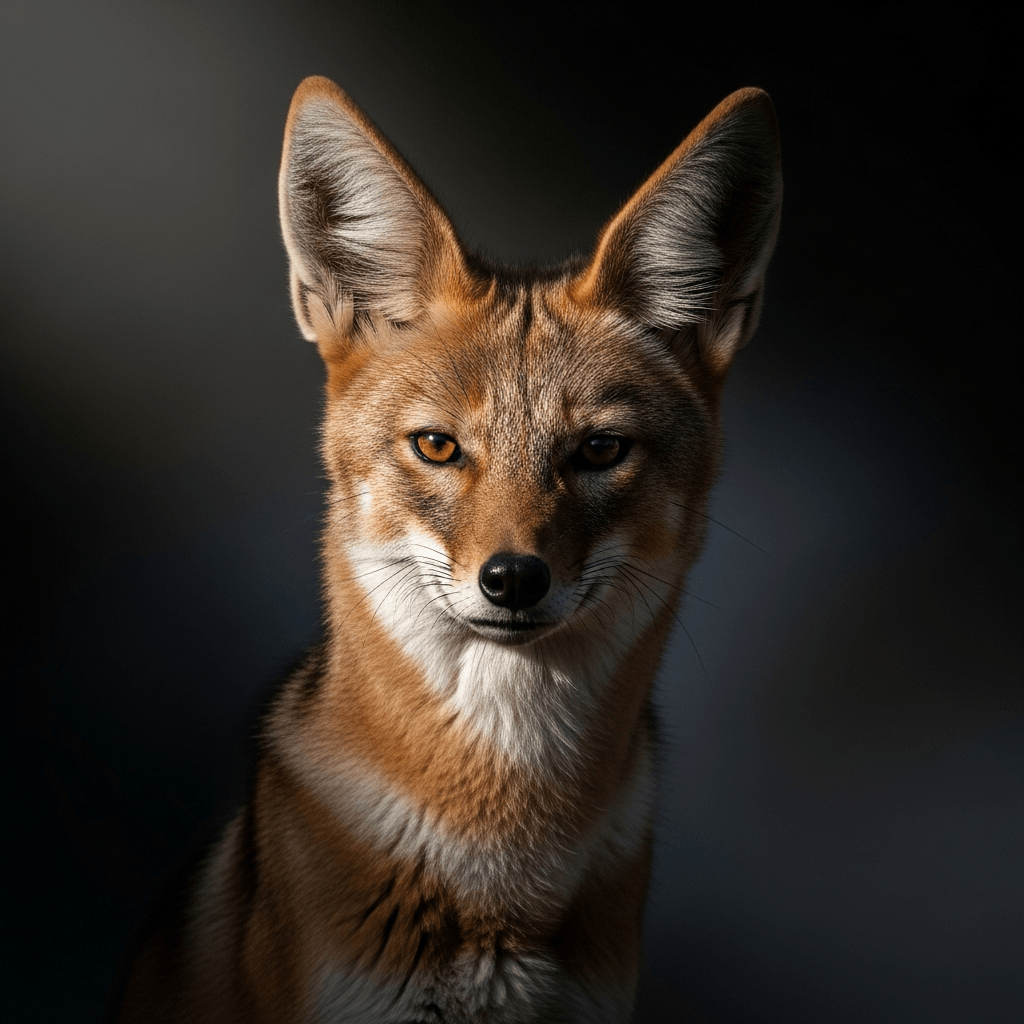
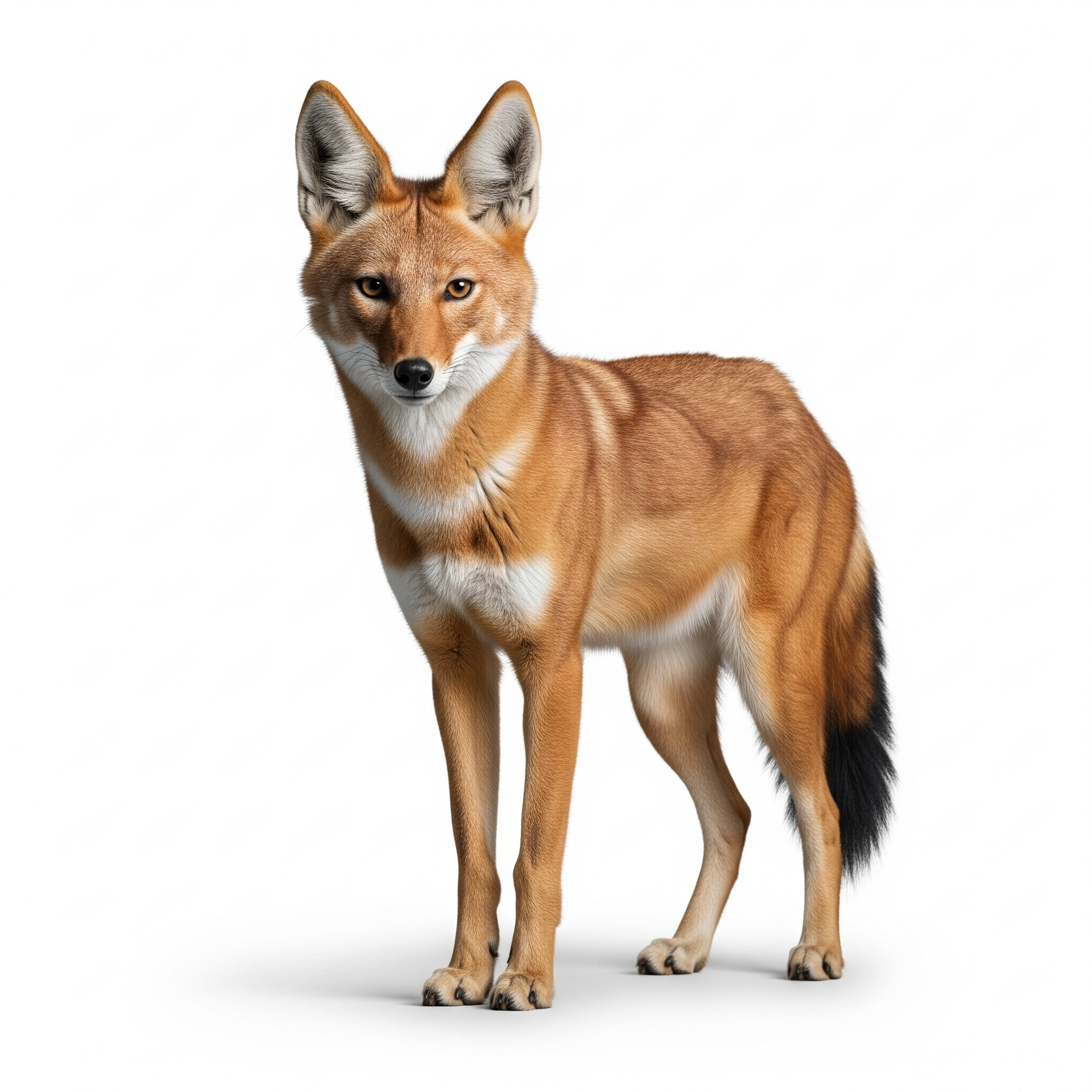
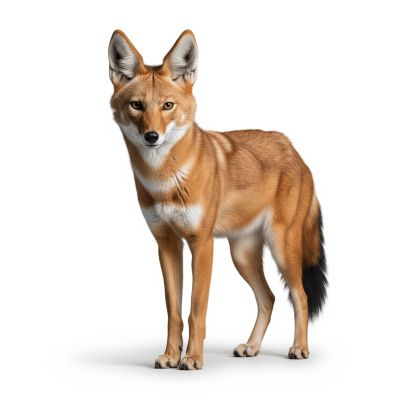
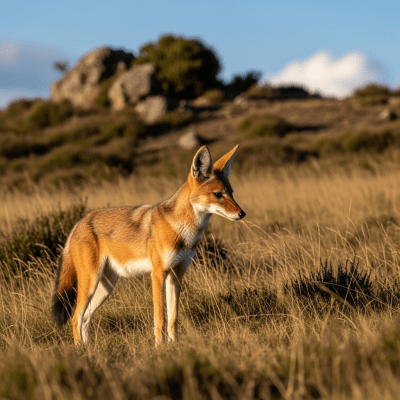
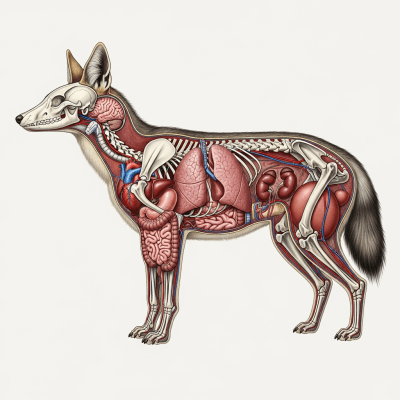
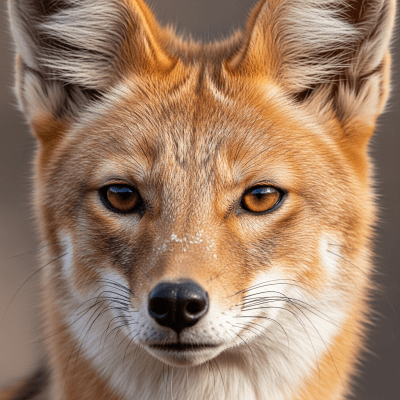
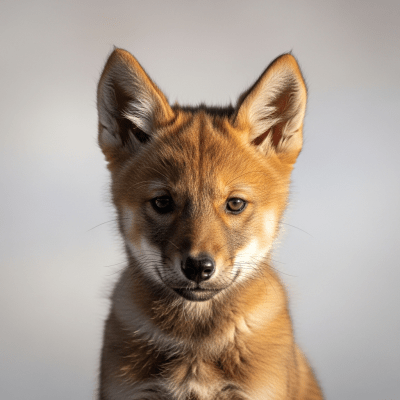
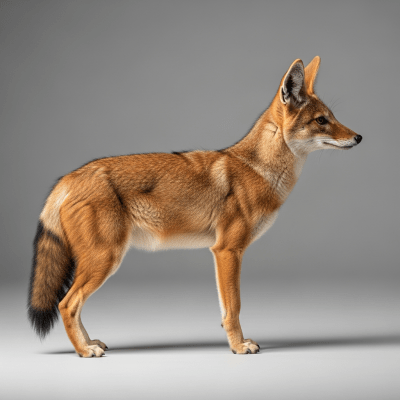
The Ethiopian wolf is a medium-sized canid, weighing between 14 and 20 kilograms. It is instantly recognizable by its slender build, long legs, and narrow muzzle. Its coat is a striking reddish hue, accented by white markings on the throat, chest, and underparts, and a bushy tail tipped in black. Adapted for life in high-altitude grasslands, its elegant form and agile movement are perfectly suited to its rodent-hunting lifestyle.
Simien Jackals live in social packs but display solitary hunting behavior, specializing in Afroalpine rodents. Packs cooperate in territory defense and breeding, yet each wolf hunts alone, using stealth and speed to catch prey. Their ecological role is vital: they help control rodent populations, maintaining the balance of Ethiopia’s highland ecosystems. Unlike domestic dogs, they have no utility for humans beyond their symbolic and ecological importance.
Bring this kind into your world illustrated posters, mugs, and shirts.
Archival print, museum-grade paper
Buy Poster
Stoneware mug, dishwasher safe
Buy Mug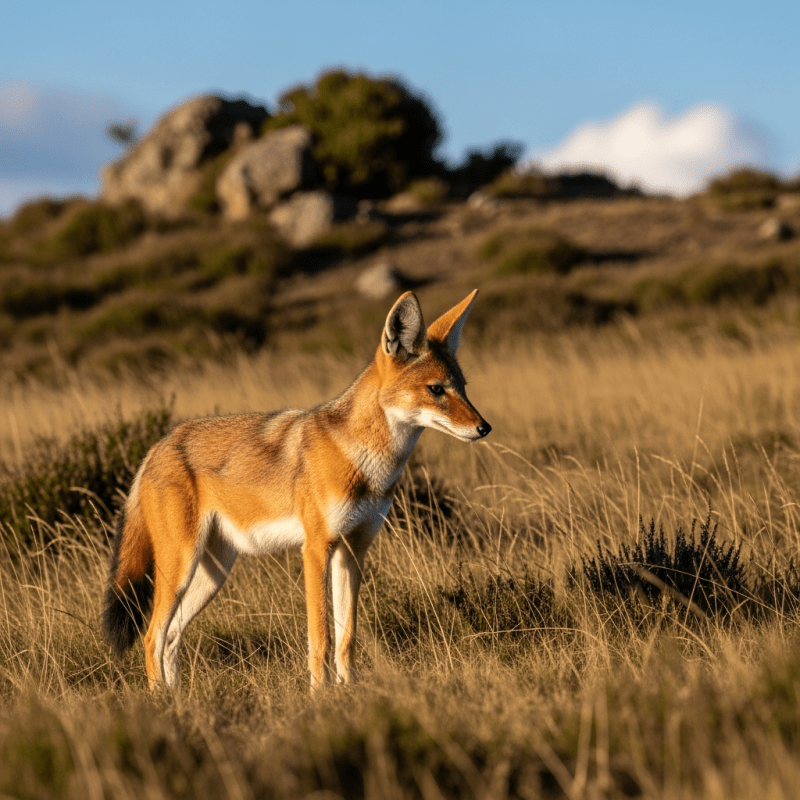
Soft cotton tee, unisex sizes
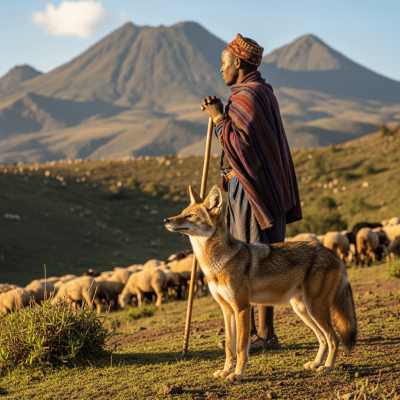
Buy ShirtThe Ethiopian wolf is a powerful symbol of Ethiopia’s natural heritage, featured in conservation campaigns and ecotourism initiatives. Its presence in the Afroalpine landscape has inspired local folklore and international attention, making it a flagship species for wildlife protection. Although not prominent in ancient myth, its modern cultural impact is profound, representing the urgent need to preserve Africa’s unique biodiversity.
Unlike domestic dogs, the Simien Jackal has never been domesticated. Its evolutionary path diverged from other Canis species, resulting in a unique adaptation to Ethiopia’s high-altitude grasslands. Canines as a whole have a rich history of domestication, with the domestic dog evolving from ancient wolf ancestors. The Ethiopian wolf stands apart as a wild species, shaped by natural selection rather than human intervention.
Wild canines like the Simien Jackal exhibit specialized adaptations for survival in harsh environments, such as solitary hunting and disease resistance challenges. In contrast, domestic dogs have been bred for companionship, utility, and diverse appearances. While domestic dogs thrive alongside humans, wild canines face threats from habitat encroachment and disease, highlighting the stark differences in lifestyle and vulnerability.
The Simien Jackal is one of many species within the family Canidae, which includes wolves, foxes, jackals, and domestic dogs. Unlike domestic dogs, which encompass hundreds of breeds, the Ethiopian wolf is a single species with minor local adaptations and no recognized subspecies. Its closest relatives are other members of the genus Canis, but it stands out as Africa’s only wolf species.
As a top predator in Ethiopia’s high-altitude grasslands, the Simien Jackal plays a crucial role in controlling rodent populations. Its specialized hunting helps maintain ecological balance, supporting the health of Afroalpine ecosystems. The species’ presence is a key indicator of ecosystem integrity and biodiversity, making its conservation vital for the region’s environmental stability.
The Ethiopian wolf faces significant health challenges, including vulnerability to canine diseases such as rabies and distemper, often transmitted by domestic dogs. Habitat fragmentation further threatens its welfare, isolating populations and reducing genetic diversity. Strict legal protections and targeted conservation efforts are essential to safeguard its future, with ongoing monitoring and vaccination programs playing a critical role.
While individual Simien Jackals are not widely known by name, the species itself is celebrated as a conservation icon. Its plight has inspired international campaigns and research initiatives, making it one of Africa’s most recognizable wild canines. The Ethiopian wolf’s story is a testament to the importance of protecting endangered species and their habitats.
The Simien Jackal is classified as Endangered on the IUCN Red List, with fewer than 500 individuals remaining in fragmented populations. Conservation efforts focus on habitat protection, disease management, and community engagement. Strict legal protections are in place, and international organizations collaborate with Ethiopian authorities to ensure the survival of this unique species.
All populations of the Simien Jackal are considered part of a single species, Canis simensis, with only minor local adaptations. There are no formally recognized regional variants or subspecies. The name "Simien Jackal" is a historical misnomer; today, "Ethiopian wolf" is the accepted name among authorities.