Side-Striped Jackal
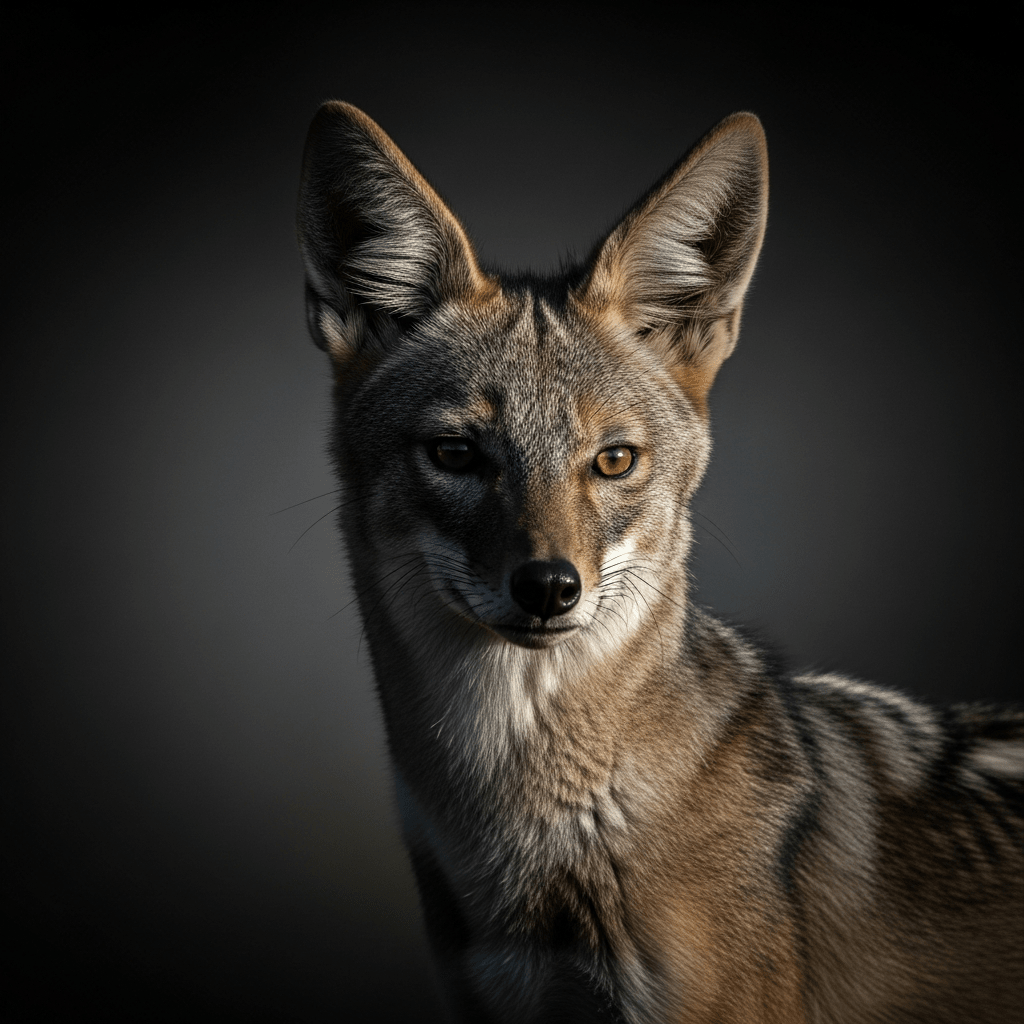
The Side-striped Jackal (Canis adustus) is a medium-sized wild canine native to sub-Saharan Africa, instantly recognized by its grizzled grey fur and distinctive pale stripes along its flanks.
The Side-striped Jackal (Canis adustus) is a medium-sized wild canine native to sub-Saharan Africa, instantly recognized by its grizzled grey fur and distinctive pale stripes along its flanks.
First described scientifically by Sundevall in 1847, the Side-striped Jackal’s origins trace to the moist woodlands and savannas of central and southern Africa. Its lineage sits firmly within the genus Canis, closely related to other African jackals but distinct in its habitat preferences and lack of recognized subspecies or domesticated breeds. Natural history collections document specimens from a wide range of regions, reflecting its broad but specific ecological niche.
The Side-striped Jackal belongs to the family Canidae, which encompasses all canines including wolves, foxes, and domestic dogs. Within this family, it is classified under the genus Canis, species adustus. Unlike some of its relatives, such as the Black-backed Jackal (Canis mesomelas), the Side-striped Jackal stands alone without formally recognized subspecies, highlighting its unique evolutionary path among African canids.
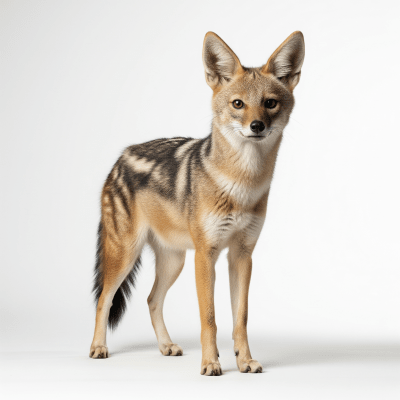
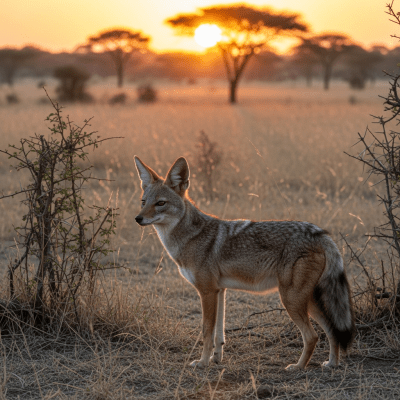
This jackal presents a striking appearance: a medium-sized body measuring 69–81 cm in length, a bushy tail tipped with white, and a coat colored from grey to buff. The most defining feature is a pale stripe running along each side, from elbow to hip, setting it apart from other jackals. Its fur is grizzled, and the animal moves with a lithe, agile gait, well-suited to navigating dense undergrowth and open savanna.
Primarily nocturnal and crepuscular, the Side-striped Jackal is an adaptable omnivore, feeding on small mammals, insects, fruits, and carrion. It is usually solitary or found in small family groups, displaying cautious but resourceful behavior. Its role as a scavenger and predator helps control rodent and insect populations, and its resilience allows it to thrive in both wild and human-altered environments, though it avoids arid zones.
Bring this kind into your world illustrated posters, mugs, and shirts.
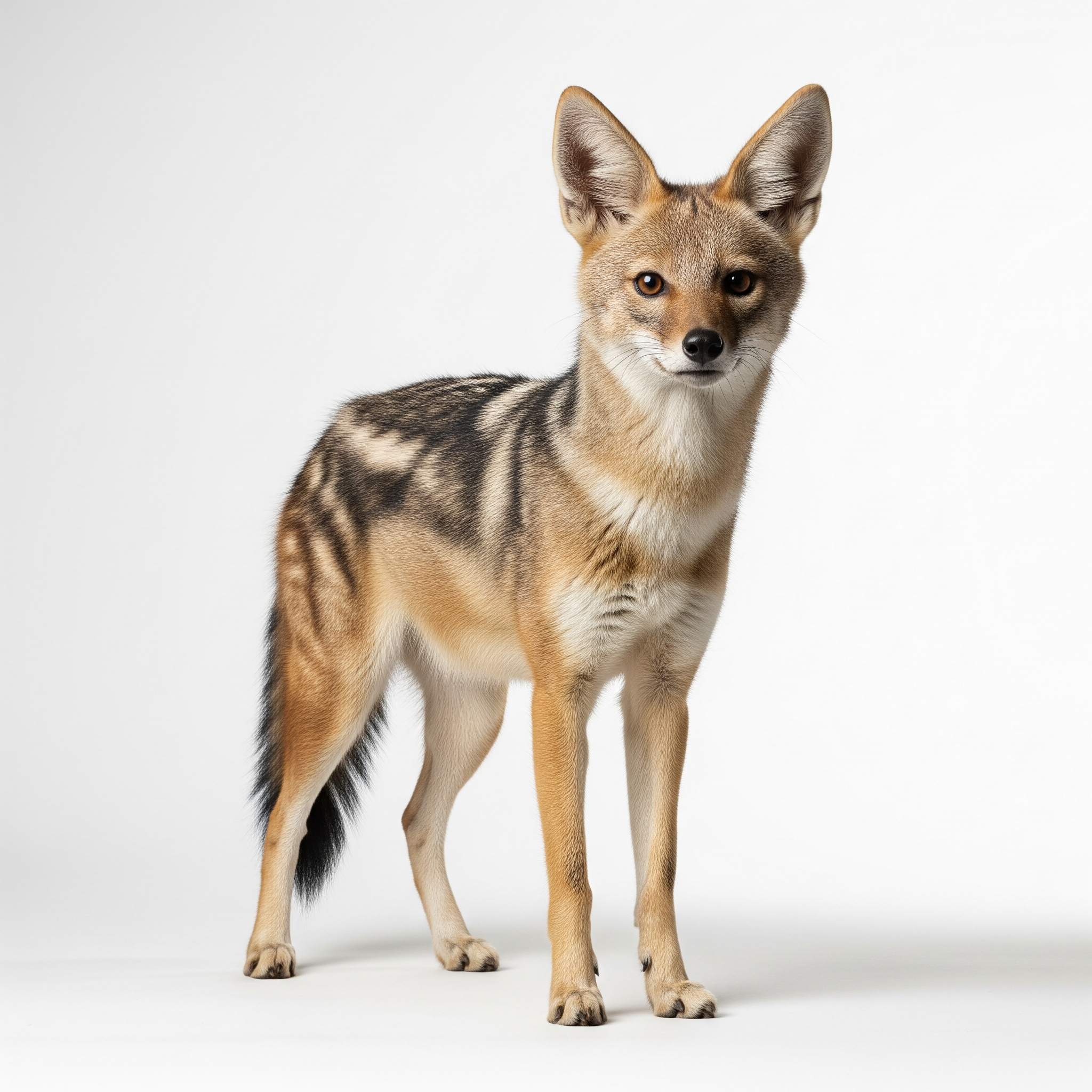
Archival print, museum-grade paper
Buy Poster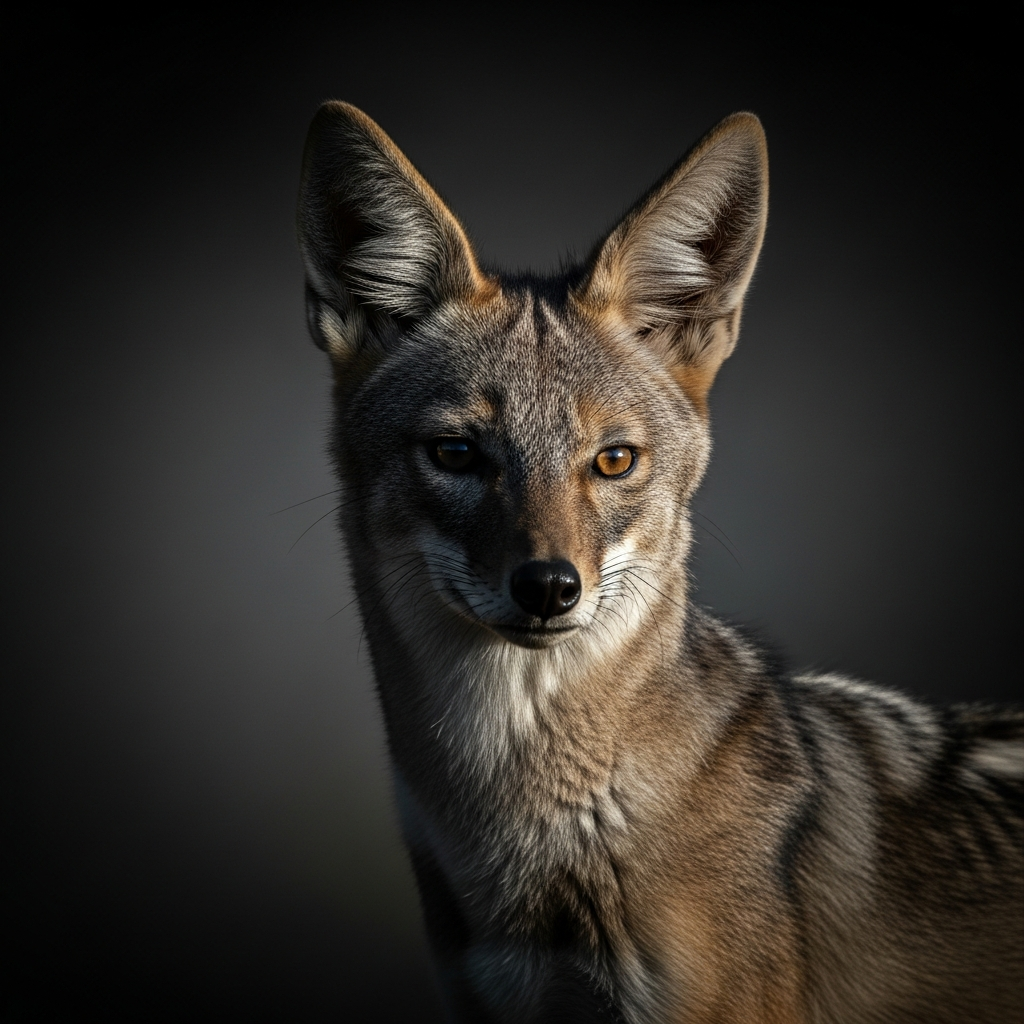
Stoneware mug, dishwasher safe
Buy Mug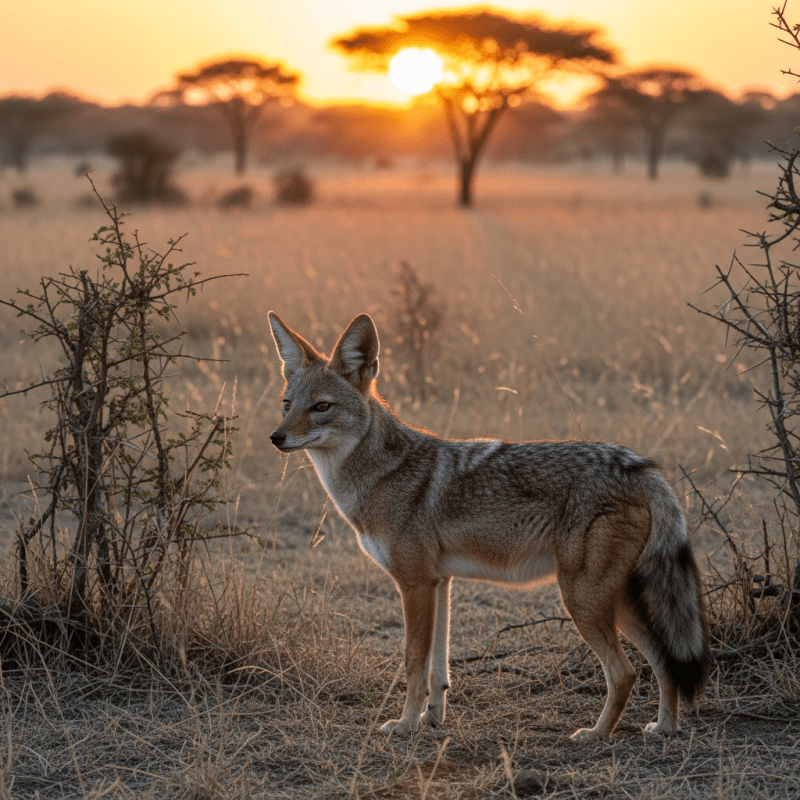
Soft cotton tee, unisex sizes
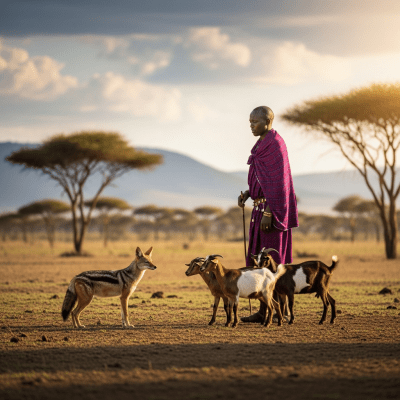
Buy ShirtWhile not a major figure in global folklore, the Side-striped Jackal features in regional African stories as a symbol of cunning and adaptability. Its presence in local tales often highlights its intelligence and ability to survive in changing landscapes. In some areas, it is regarded with ambivalence—valued for pest control but sometimes hunted as a nuisance or for its fur.
Unlike domestic dogs, the Side-striped Jackal has never been domesticated and remains a purely wild species. Canine domestication began thousands of years ago with the wolf, leading to the vast diversity of domestic dog breeds seen today. The Side-striped Jackal’s evolutionary history is shaped by adaptation to African woodlands and savannas, with no evidence of human-driven breeding or subspeciation.
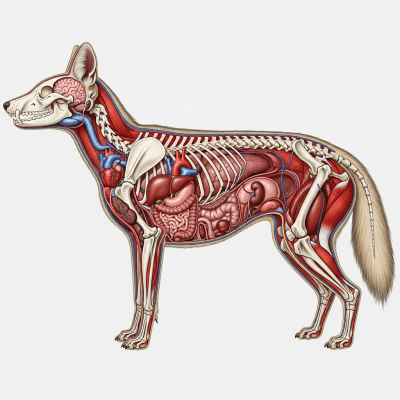
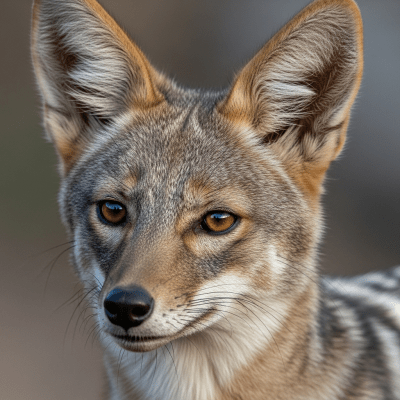

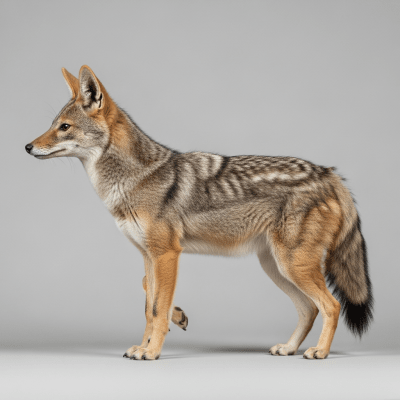

Wild canines like the Side-striped Jackal differ markedly from domesticated dogs in behavior, appearance, and lifestyle. The Side-striped Jackal is solitary or lives in small family units, relies on hunting and scavenging, and avoids close contact with humans. In contrast, domesticated dogs have been bred for companionship, work, and diverse traits, thriving in human households and communities.
The Side-striped Jackal is a distinct species within the genus Canis, separate from other African jackals such as the Black-backed Jackal and Golden Jackal. It has no recognized subspecies or breeds, maintaining a consistent form across its range. The broader canid family includes a wide array of species, from wolves and foxes to coyotes and domestic dogs, each with unique adaptations and ecological roles.
As both a scavenger and predator, the Side-striped Jackal plays a vital role in its ecosystem. It helps control populations of rodents and insects, cleans up carrion, and contributes to the balance of woodland and savanna habitats. Its adaptability allows it to persist in areas affected by human activity, making it an important species for maintaining ecological health in sub-Saharan Africa.
The Side-striped Jackal is generally resilient, but it faces health threats from diseases such as rabies and canine distemper, which can spread rapidly in wild populations. As a wild species, it does not require human care, but conservation efforts focus on monitoring disease outbreaks and habitat changes to ensure its continued welfare.
While the Side-striped Jackal itself is not widely known for individual fame, the canid family includes many notable figures such as the legendary wolf packs of Eurasia, famous domestic dogs, and iconic African jackals in folklore. The Side-striped Jackal’s reputation is built more on its ecological importance and adaptability than on celebrated individuals.
The Side-striped Jackal is currently listed as Least Concern by the IUCN, reflecting its broad distribution and adaptability. However, local populations may be affected by disease, habitat alteration, and hunting. Conservation efforts focus on disease monitoring and habitat protection to maintain stable populations.
Across its range, the Side-striped Jackal is known by several names, including "Grey-backed Jackal" and "Chacal à flancs rayés" in French-speaking regions. While there are regional differences in common names and folklore, no formal subspecies are recognized, and its physical and behavioral traits remain consistent throughout central and southern Africa.