Origin Story

First described in 1900 from specimens collected in the Sechura Desert of Peru, the Sechuran fox traces its lineage to the South American genus Lycalopex, which diverged from other canids following the Great American Biotic Interchange. This evolutionary journey equipped the species with unique adaptations for surviving in harsh, arid environments, and no domesticated breeds or recognized subspecies have emerged to date.

Classification

Taxonomically, the Sechuran fox belongs to the family Canidae, within the genus Lycalopex. Although commonly called a "fox," it is genetically distinct from true foxes (Vulpes). The species is formally classified as Lycalopex sechurae, one of several South American foxes adapted to unique ecological niches.

Appearance or Form

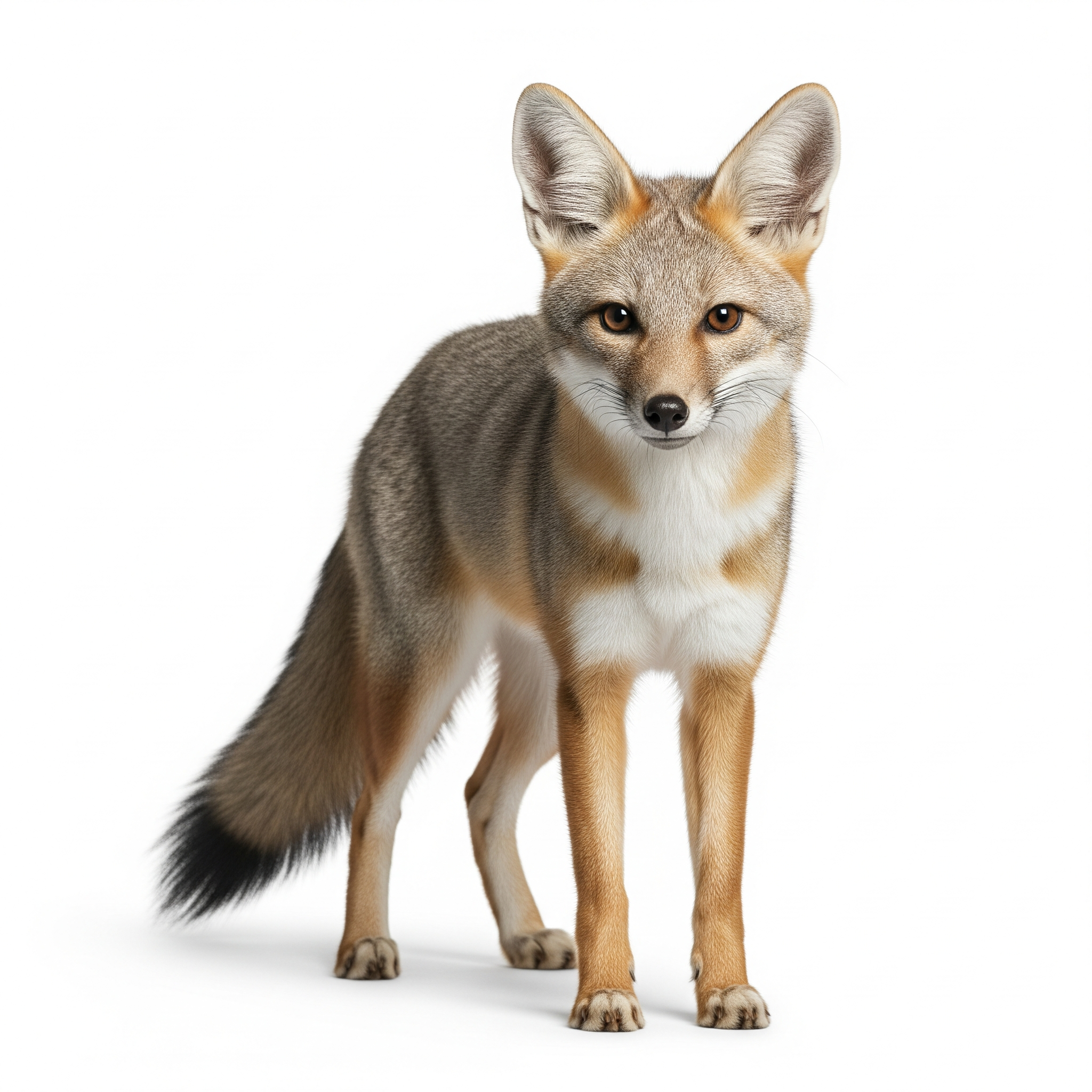
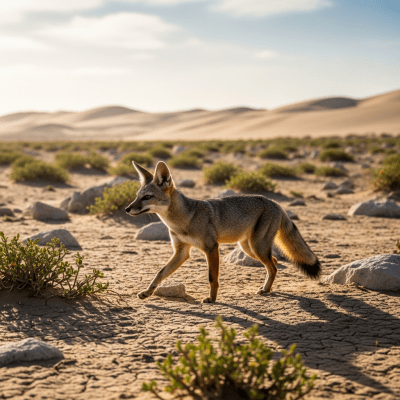
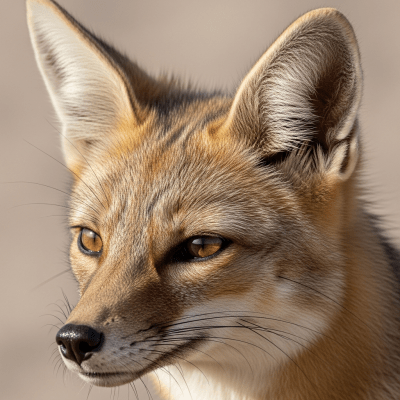
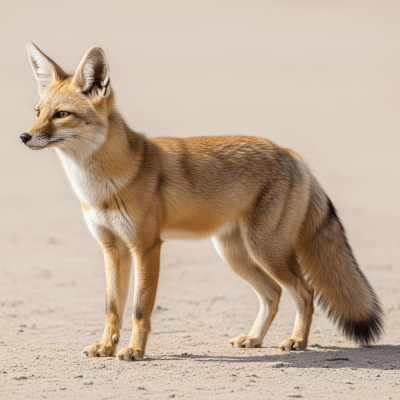
The Sechuran fox is diminutive, weighing between 2.5–4 kg and measuring 50–60 cm in body length, with a bushy tail of about 25–30 cm. Its fur is pale gray to yellowish, blending seamlessly into sandy landscapes. Large ears aid in heat dissipation, and its slender build and agile movements are well suited to nocturnal life in desert terrain.

Behavior or Usage

Primarily nocturnal and solitary, the Sechuran fox is an opportunistic omnivore, feeding on fruits, insects, small vertebrates, and carrion. Its survival strategy centers on maximizing moisture intake from food, allowing it to endure extended periods without direct water sources. As a mesopredator and seed disperser, it plays a vital ecological role in maintaining desert ecosystem balance.

Merchandise & Prints

Bring this kind into your world � illustrated posters, mugs, and shirts.

Sechuran fox Sechuran fox Poster

Sechuran fox Poster

Archival print, museum-grade paper

Sechuran fox Sechuran fox Mug

Sechuran fox Mug

Stoneware mug, dishwasher safe

Sechuran fox Sechuran fox Shirt

Sechuran fox Shirt

Soft cotton tee, unisex sizes

Attributes & Insights

Taxon-Specific Insights

🌍Cultural Significance

Locally known as "zorro de Sechura," the Sechuran fox holds a modest place in regional folklore and ecological awareness. While not prominent in global myth or art, its presence is valued by communities for its role in seed dispersal and as a symbol of resilience in harsh environments. Its rarity and adaptation to the desert have made it an emblem of the Sechura region's unique biodiversity.

📌Notable Facts

  • The Sechuran fox can survive with minimal water, obtaining most of its moisture from food.
  • It is one of the smallest South American canids, with a notably pale, sandy coat for camouflage.
  • No recognized subspecies or domesticated forms exist for this species.
  • Its large ears are an adaptation for heat regulation in extreme environments.
  • Despite its name, it is not closely related to true foxes (Vulpes).

Domestication And Evolution

Unlike domestic dogs, the Sechuran fox has never been domesticated. Its evolutionary path reflects adaptation to South America's arid landscapes, diverging from other canids after the Great American Biotic Interchange. The genus Lycalopex showcases how canines have evolved specialized traits to thrive in diverse environments, from deserts to forests, without human intervention shaping their lineage.

Visual Variations

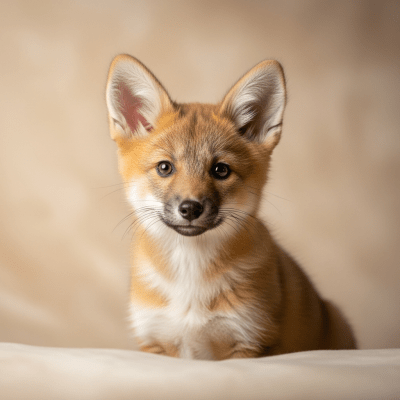
High quality, studio-style photograph of a Sechuran Fox
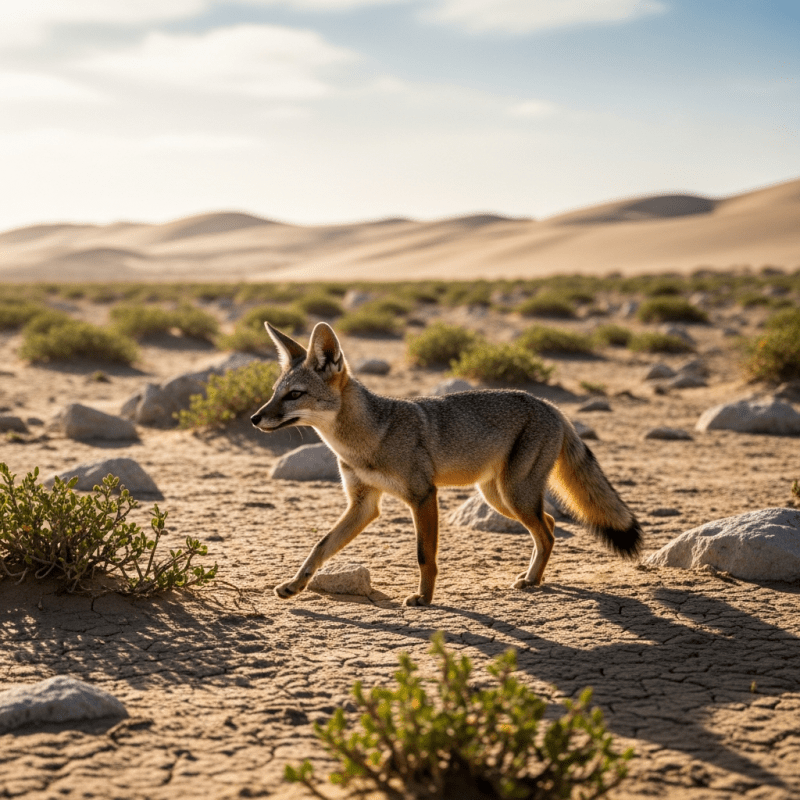
Photograph of a Sechuran Fox, part of the taxonomy canines, in its typical natural environment
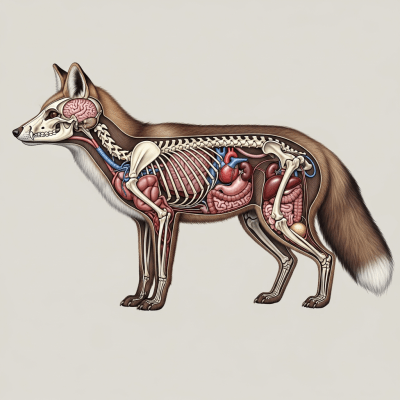
Detailed anatomical illustration of a Sechuran Fox
Image of a Sechuran Fox interacting with humans in a cultural or practical context
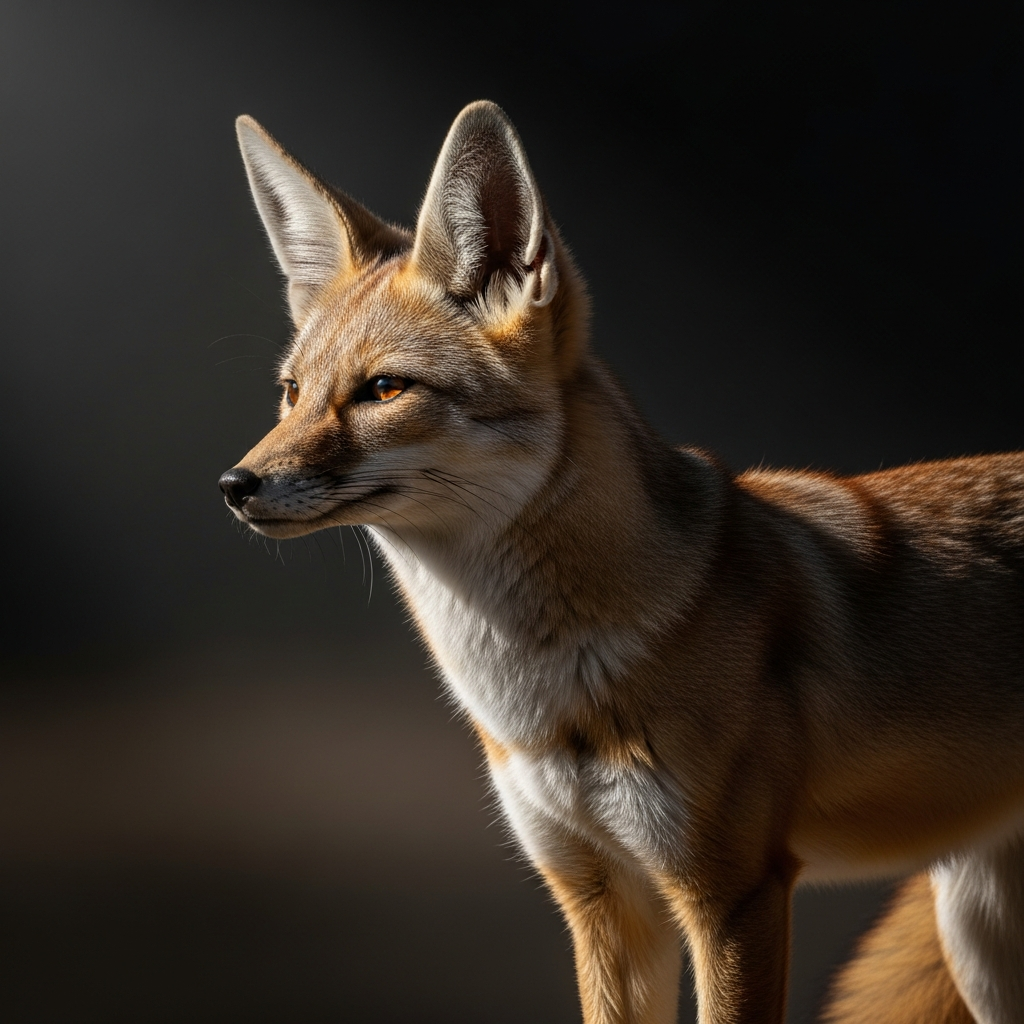
Close-up photograph of the face of a Sechuran Fox
Photograph showing a juvenile (puppy) version of the Sechuran Fox
Side profile photograph of a standing Sechuran Fox, part of the taxonomy canines
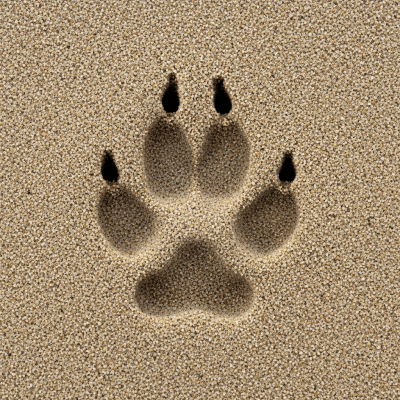
Image depicting tracks or footprints left by a Sechuran Fox, belonging to the taxonomy canines

Composition & Context

Taxon-Specific Insights

Wild Vs Domestic

The Sechuran fox exemplifies wild canines: solitary, nocturnal, and highly adapted to its environment. In contrast to domesticated dogs, which display social behaviors and a wide range of physical forms shaped by human selection, wild canines like the Sechuran fox rely on instinct, camouflage, and opportunistic feeding to survive. Its life is shaped by natural pressures rather than human companionship or utility.

Breeds And Species

Within the genus Lycalopex, the Sechuran fox stands out for its desert specialization. Other South American "foxes" include the Pampas fox and the Darwin's fox, each adapted to different habitats. Unlike domestic dogs, which encompass hundreds of breeds, the Sechuran fox exists as a single species without recognized subspecies or breed diversity, highlighting the distinct evolutionary paths within the canine family.

Ecological Role

As a mesopredator, the Sechuran fox contributes to ecosystem health by controlling populations of insects and small vertebrates, scavenging carrion, and dispersing seeds. Its ability to thrive in arid regions supports biodiversity in environments where few mammals can persist, making it a keystone species for desert ecosystem stability.

Health And Welfare

The Sechuran fox is generally robust in its native habitat, with notable resistance to heat and dehydration. However, it is vulnerable to habitat loss, human encroachment, and potential conflicts with poultry farmers. Conservation efforts focus on habitat protection and mitigating human-wildlife conflict to ensure the species' welfare and long-term survival.

Famous Canines

While the Sechuran fox itself has not achieved individual fame, its adaptation to the Sechura Desert has made it a subject of scientific interest and a symbol of South American desert wildlife. Its unique traits and ecological role have earned it recognition among conservationists and naturalists studying the region's biodiversity.

🦊Conservation Status

The Sechuran fox is not currently considered endangered, but its populations are threatened by habitat loss and human expansion. Conservation measures emphasize habitat preservation and research into population trends to prevent future decline. Its protected status in parts of its range helps safeguard its continued presence in South America's arid landscapes.

Regional Variations

Primarily found in the Sechura Desert and adjacent dry forests of northwestern Peru and southwestern Ecuador, the Sechuran fox is locally known as "zorro de Sechura." While no formal subspecies are recognized, slight morphological differences may exist among local populations, reflecting subtle adaptations to microhabitats within its limited range.

Faq

  • Where does the Sechuran fox live?
    It inhabits the arid coastal deserts and dry forests of northwestern Peru and southwestern Ecuador.
  • Is the Sechuran fox endangered?
    While not currently classified as endangered, it faces threats from habitat loss and human encroachment.
  • Can the Sechuran fox be domesticated?
    No domesticated breeds exist, and it is not kept as a pet or working animal.