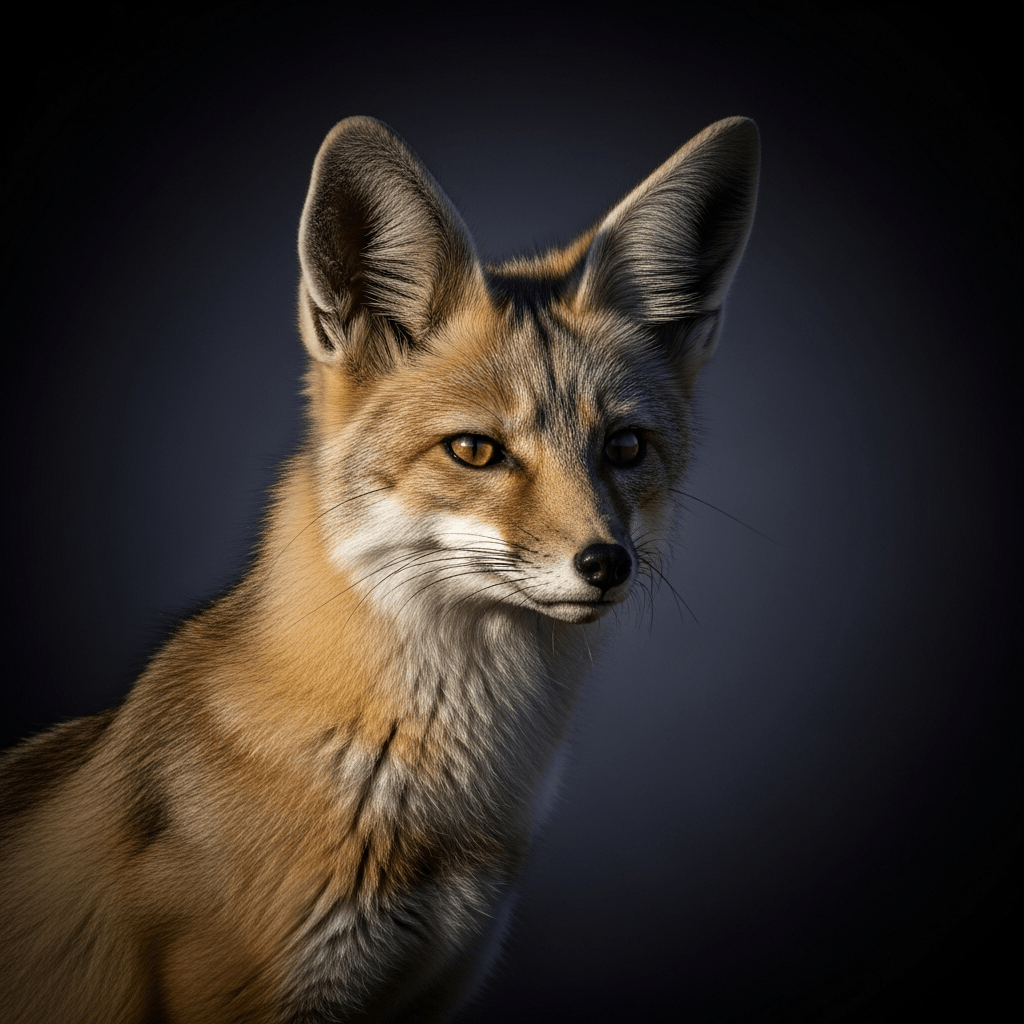
Rüppell's Fox
Rüppell's Fox (Vulpes rueppellii) is a small, desert-adapted canid native to North Africa and the Middle East, renowned for its large ears, pale sandy coat, and remarkable ability to thrive in arid environments.
Rüppell's Fox (Vulpes rueppellii) is a small, desert-adapted canid native to North Africa and the Middle East, renowned for its large ears, pale sandy coat, and remarkable ability to thrive in arid environments.
First described by German naturalist Eduard Rüppell in 1835, Rüppell's Fox was originally identified from specimens collected in Egypt. Since then, its range has been documented across the Saharan and Arabian deserts, where it has evolved as a wild species with no history of domestication or recognized breed development. The fox’s lineage remains entirely wild, with no known subspecies or domesticated variants.
Rüppell's Fox belongs to the family Canidae, which encompasses all canines including dogs, wolves, and other foxes. Within this family, it is classified under the genus Vulpes and species Vulpes rueppellii. This places it among the true foxes, a group characterized by their adaptability and diverse ecological niches, especially in arid and semi-arid regions.
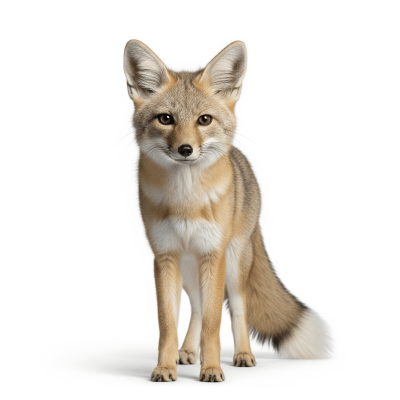
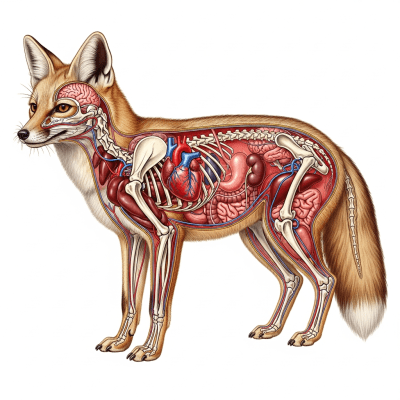
With a slender build and head-body length of 40–52 cm, Rüppell's Fox is easily recognized by its long bushy tail tipped with white and notably large ears that help dissipate heat. Its fur varies from pale sandy to gray, providing effective camouflage against desert landscapes. The fox’s delicate features and agile form are perfectly suited for nocturnal life in harsh, open terrain.
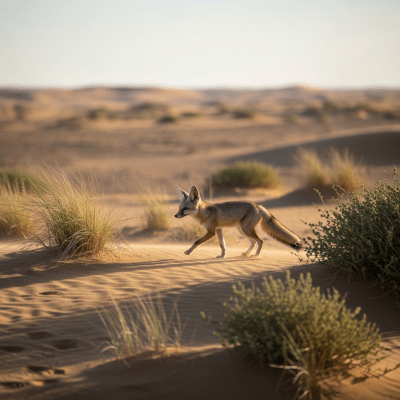
Rüppell's Fox is primarily nocturnal and highly elusive, spending daylight hours in burrows or sheltered spots to avoid the desert heat. Its diet is opportunistic, including insects, small vertebrates, fruits, and roots. The species requires minimal water and is adept at surviving extreme drought and heat, making it a model of desert adaptation. Interaction with humans is limited, and it is not domesticated or used commercially.
Bring this kind into your world illustrated posters, mugs, and shirts.
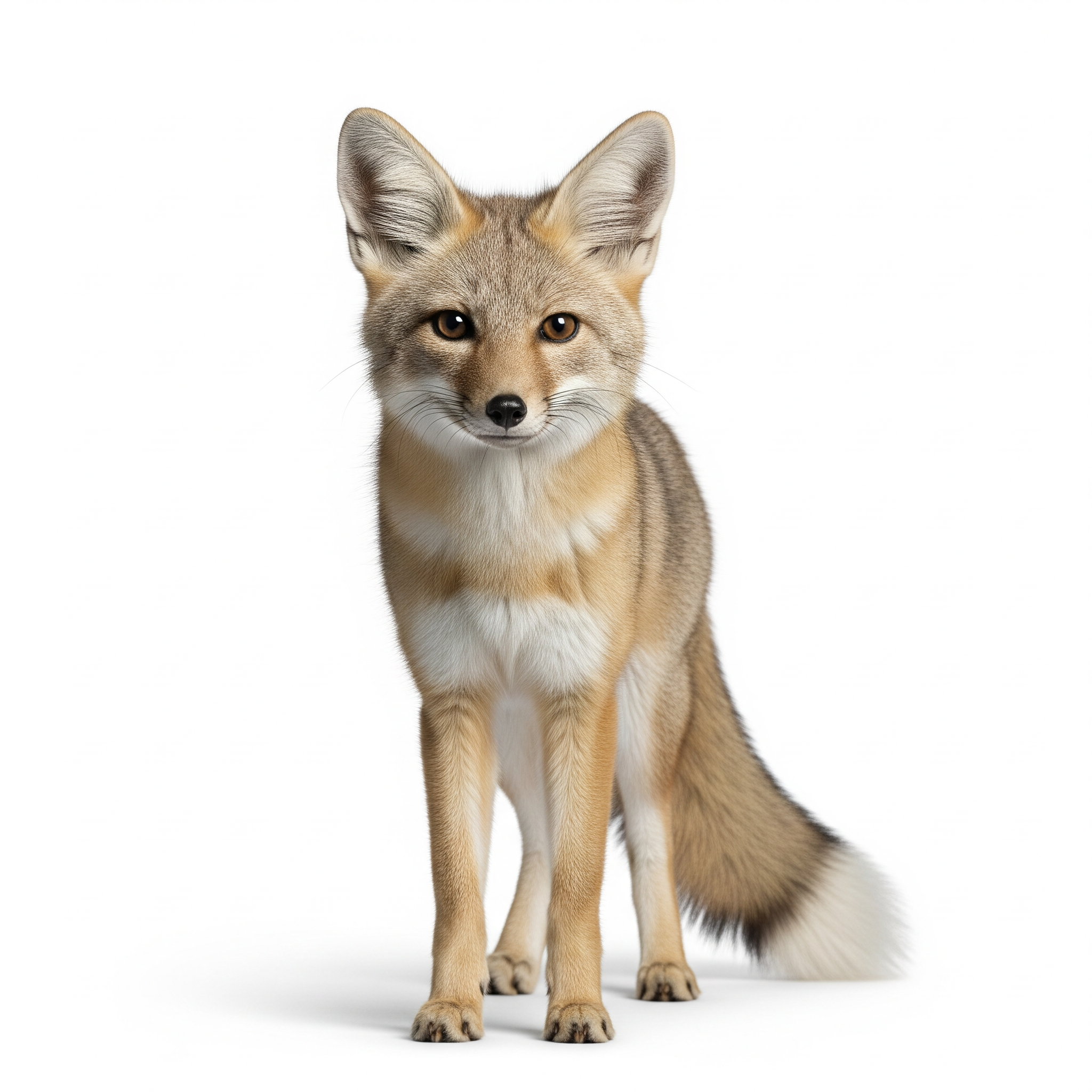
Archival print, museum-grade paper
Buy Poster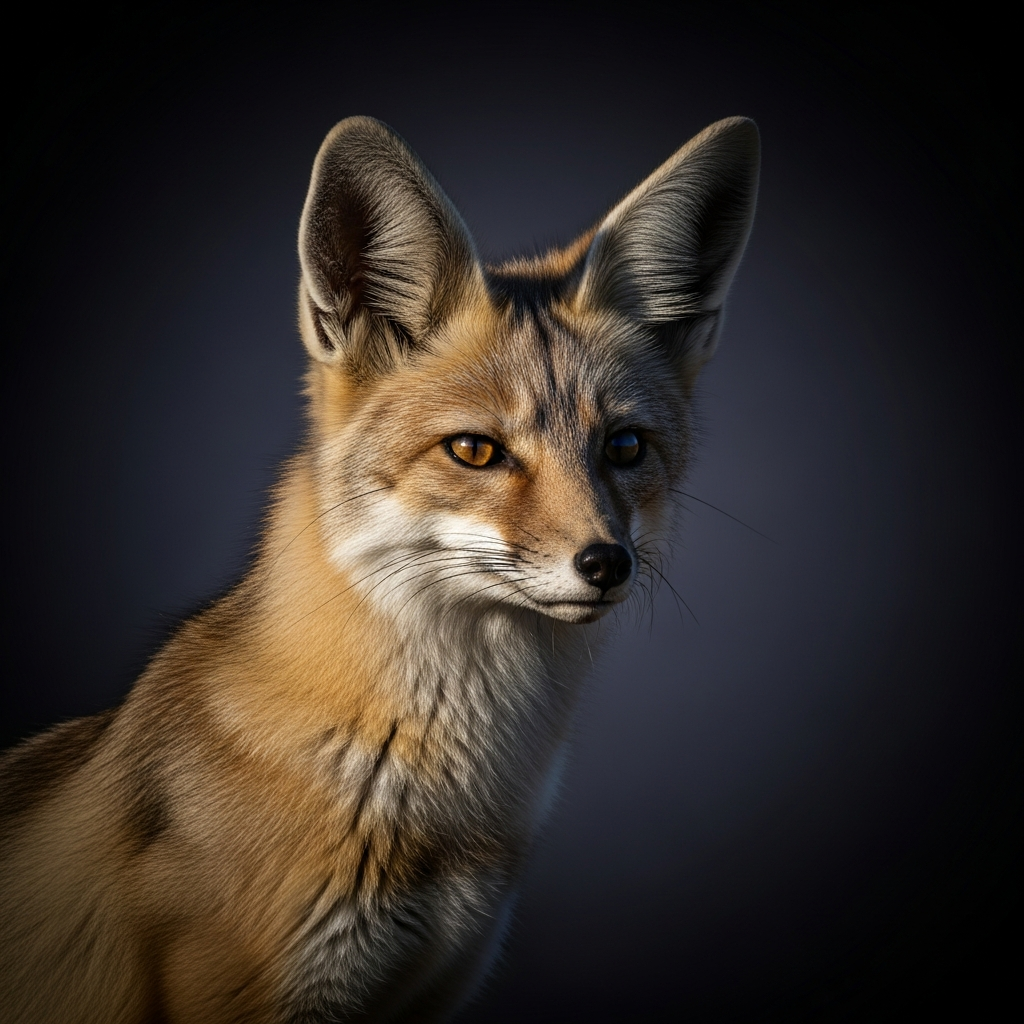
Stoneware mug, dishwasher safe
Buy Mug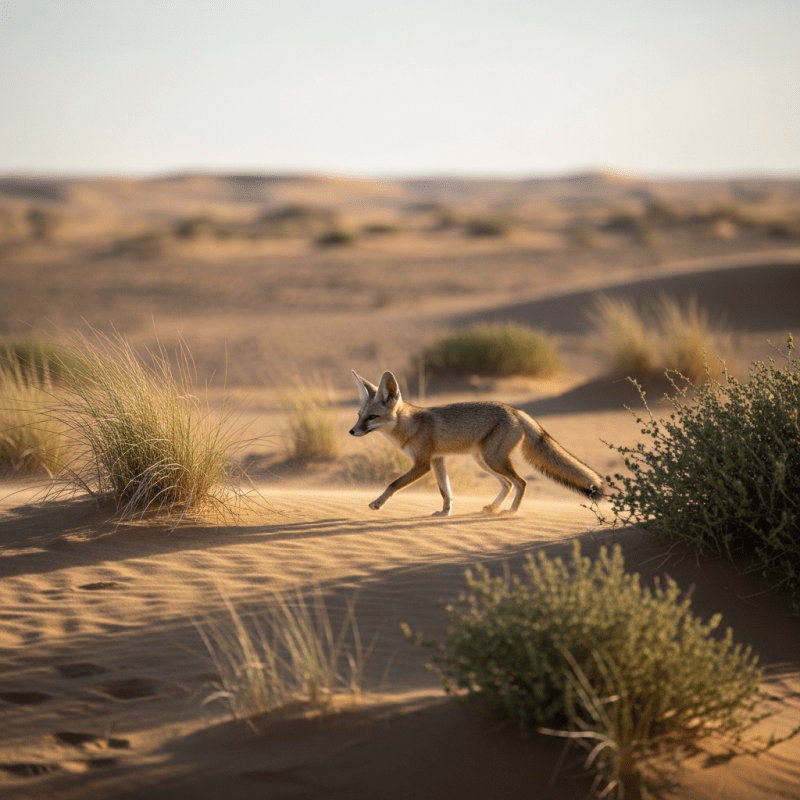
Soft cotton tee, unisex sizes
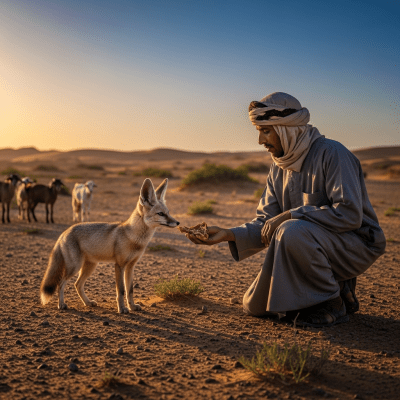
Buy ShirtWhile Rüppell's Fox does not play a major role in global folklore or art, it is sometimes referenced in regional stories and wildlife symbolism, especially in Arabic-speaking cultures where it may be called "Al-Thalab Al-Sahrawi." Its presence in desert ecosystems has inspired occasional ecotourism interest and local admiration for its survival skills, though it remains less prominent than other canids in cultural narratives.
Unlike domestic dogs, Rüppell's Fox has no history of domestication or breed development. The broader canine family has undergone significant evolutionary changes, with some species adapting to human environments and others, like Rüppell's Fox, remaining specialized for wild habitats. Its evolutionary lineage reflects adaptation to desert life, with traits for heat tolerance and water conservation.
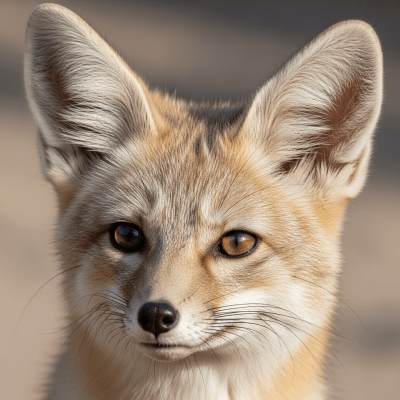
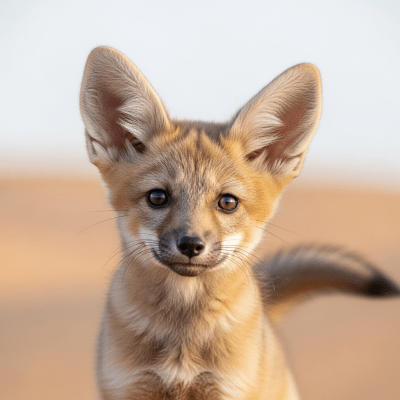
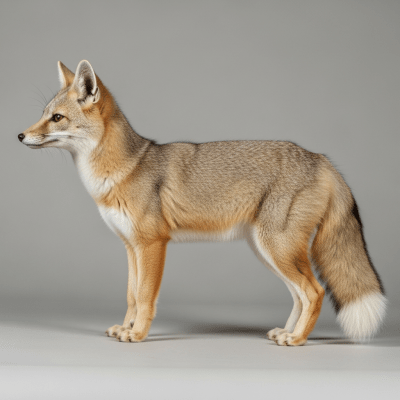
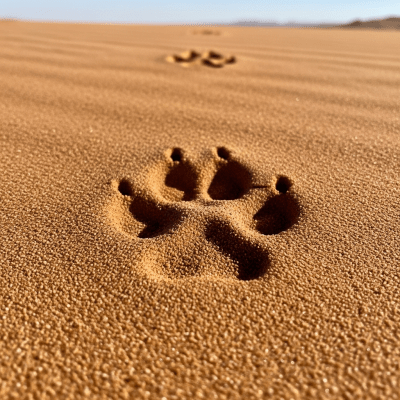
Rüppell's Fox exemplifies the wild canid: solitary, elusive, and finely tuned to its harsh environment. In contrast to domesticated dogs, which rely on humans for food and shelter, wild canines like Rüppell's Fox must hunt, forage, and avoid predators independently. Its nocturnal habits and specialized adaptations set it apart from domestic breeds, which are bred for companionship or utility.
Within the genus Vulpes, Rüppell's Fox is distinguished by its desert adaptations and pale coloration. There are no recognized subspecies or domesticated breeds. The family Canidae is diverse, including domestic dogs, wolves, jackals, and other foxes, each with unique ecological roles and physical traits. Rüppell's Fox stands out for its ability to survive in arid regions where few other canids thrive.
As a small predator and scavenger, Rüppell's Fox helps control populations of insects and small vertebrates in desert ecosystems. Its foraging also aids in seed dispersal, contributing to plant diversity. By occupying a niche with minimal competition, it plays a subtle but important role in maintaining ecological balance in arid landscapes.
Rüppell's Fox is generally resilient to disease and environmental stress, but faces threats from habitat disturbance and human persecution. Conservation of its habitat is essential for welfare, as fragmentation and hunting can impact local populations. Unlike domestic canines, it does not require human-provided care, but benefits from protected areas and reduced conflict with livestock interests.
While Rüppell's Fox itself is not associated with famous individuals, its namesake, Eduard Rüppell, is notable for his contributions to zoology and natural history. The species occasionally features in wildlife documentaries and desert conservation campaigns, highlighting its unique adaptations and elusive nature.
According to the IUCN Red List, Rüppell's Fox is currently not considered threatened, but its populations can be locally affected by habitat loss and persecution. Conservation efforts focus on habitat protection and reducing conflict with livestock owners. Monitoring and research continue to ensure its long-term survival in changing desert environments.
Rüppell's Fox is known by several names across its range, including "Sand Fox" and "Al-Thalab Al-Sahrawi" in Arabic-speaking regions. While its appearance and behavior are consistent throughout its range, local adaptations may exist in response to specific desert conditions. The term "Desert Fox" can refer to other species in some areas, so regional naming helps clarify its identity.