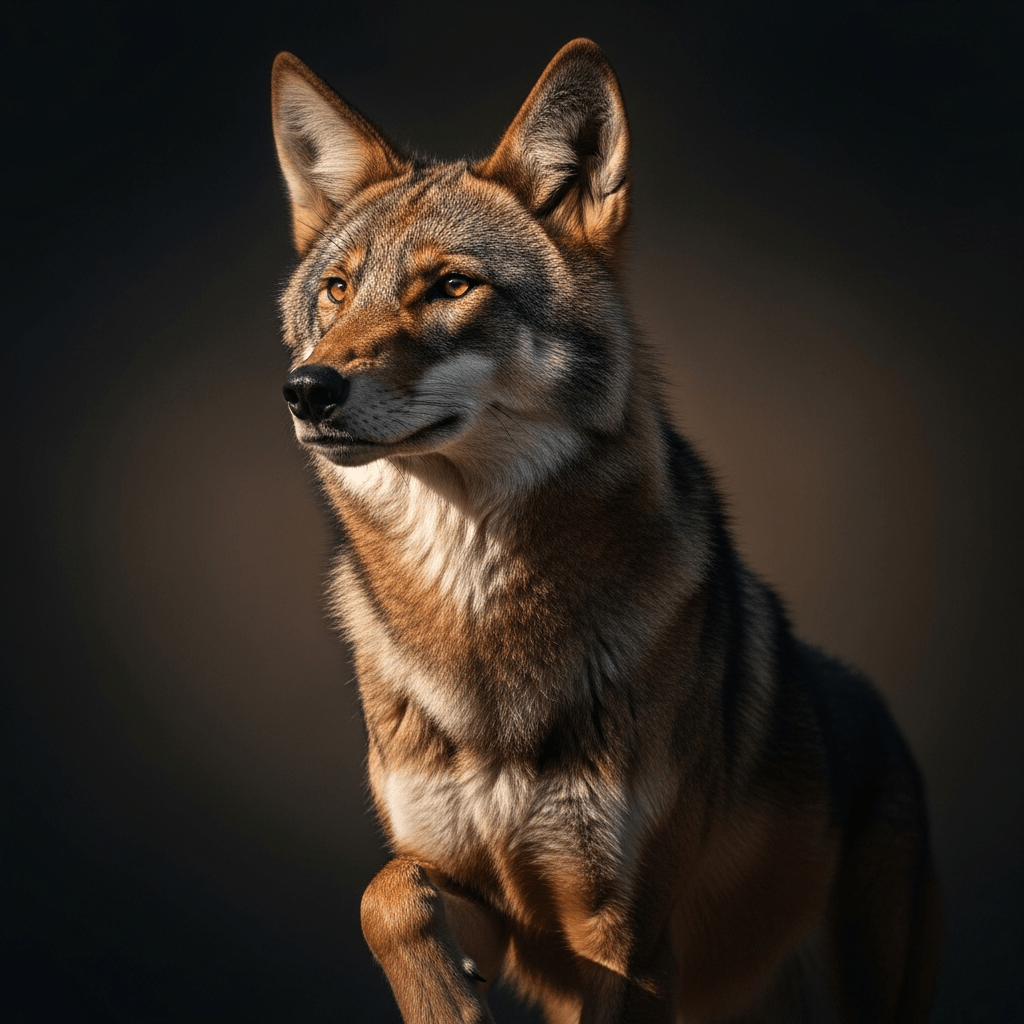
Red Wolf
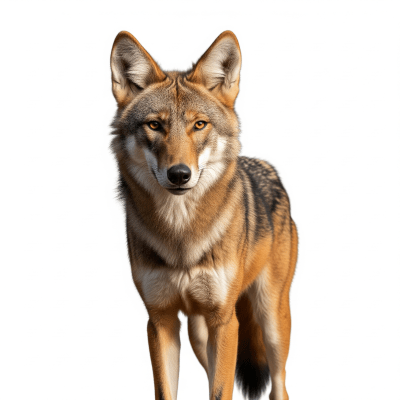
The Red Wolf (Canis rufus) is a critically endangered wild canine native to the southeastern United States, recognized for its distinctive reddish fur and intermediate size between coyotes and gray wolves.
The Red Wolf (Canis rufus) is a critically endangered wild canine native to the southeastern United States, recognized for its distinctive reddish fur and intermediate size between coyotes and gray wolves.
First described in 1851 by naturalists John James Audubon and John Bachman, the Red Wolf's origin is steeped in scientific debate. Some authorities regard it as a unique species, while others see it as a hybrid of Gray Wolves and Coyotes. By the late 1970s, the species teetered on the brink of extinction, prompting the U.S. Fish and Wildlife Service to launch a captive breeding program using 14 wild-caught founders from the last remaining populations in Texas and Louisiana. Today’s Red Wolves are descendants of this effort, with the only wild population persisting in eastern North Carolina.
The Red Wolf belongs to the family Canidae, genus Canis, and is scientifically named Canis rufus. Its taxonomic status is contentious, with some authorities classifying it as a distinct species and others as a subspecies or hybrid. This ongoing debate reflects broader complexities within canid taxonomy, where genetic and morphological evidence often challenge traditional classifications.
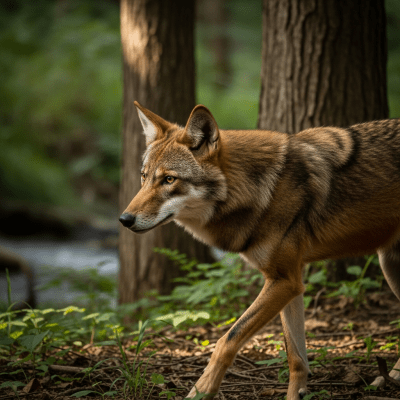
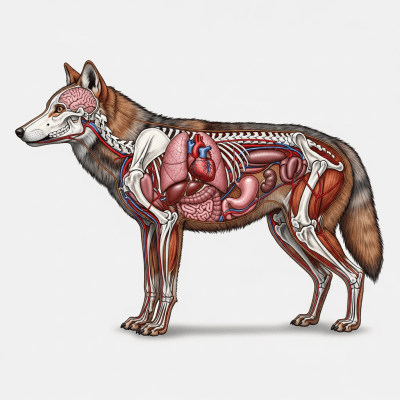
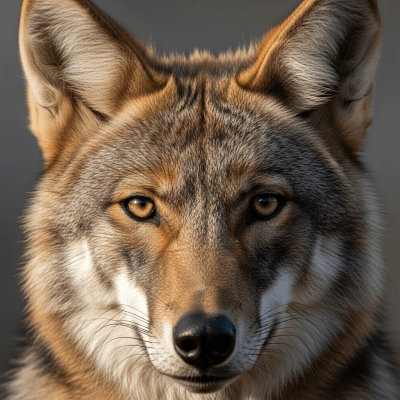
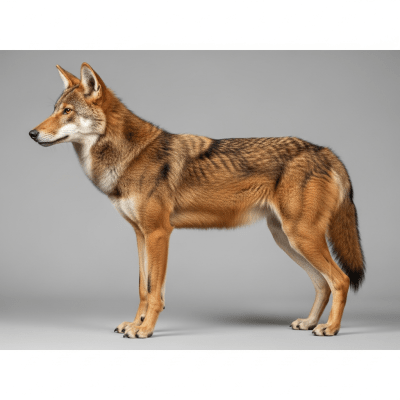
Red Wolves are medium-sized canids, weighing between 20–36 kg and measuring up to 145 cm in length including the tail. Their coat features a striking blend of cinnamon, tawny, and gray tones, with pronounced reddish highlights on the ears, head, and legs. Long-legged and slender, they are built for speed and agility, their alert posture and keen eyes hinting at a life spent hunting and patrolling vast territories.
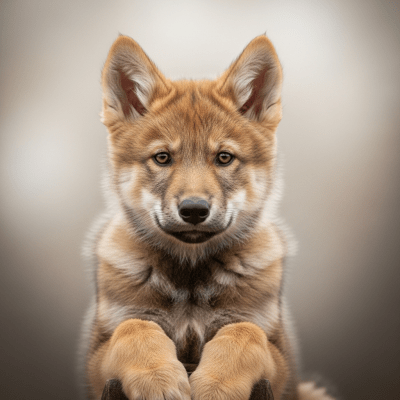
Red Wolves are highly social, living in tightly knit family groups and exhibiting strong territorial instincts. They breed once a year, typically producing litters of four to eight pups. As apex predators, they play a vital role in regulating prey populations and maintaining ecological balance. Though they have no direct utility to humans, their presence is crucial for healthy ecosystems and they are a focal point for conservation and education efforts.
Bring this kind into your world illustrated posters, mugs, and shirts.
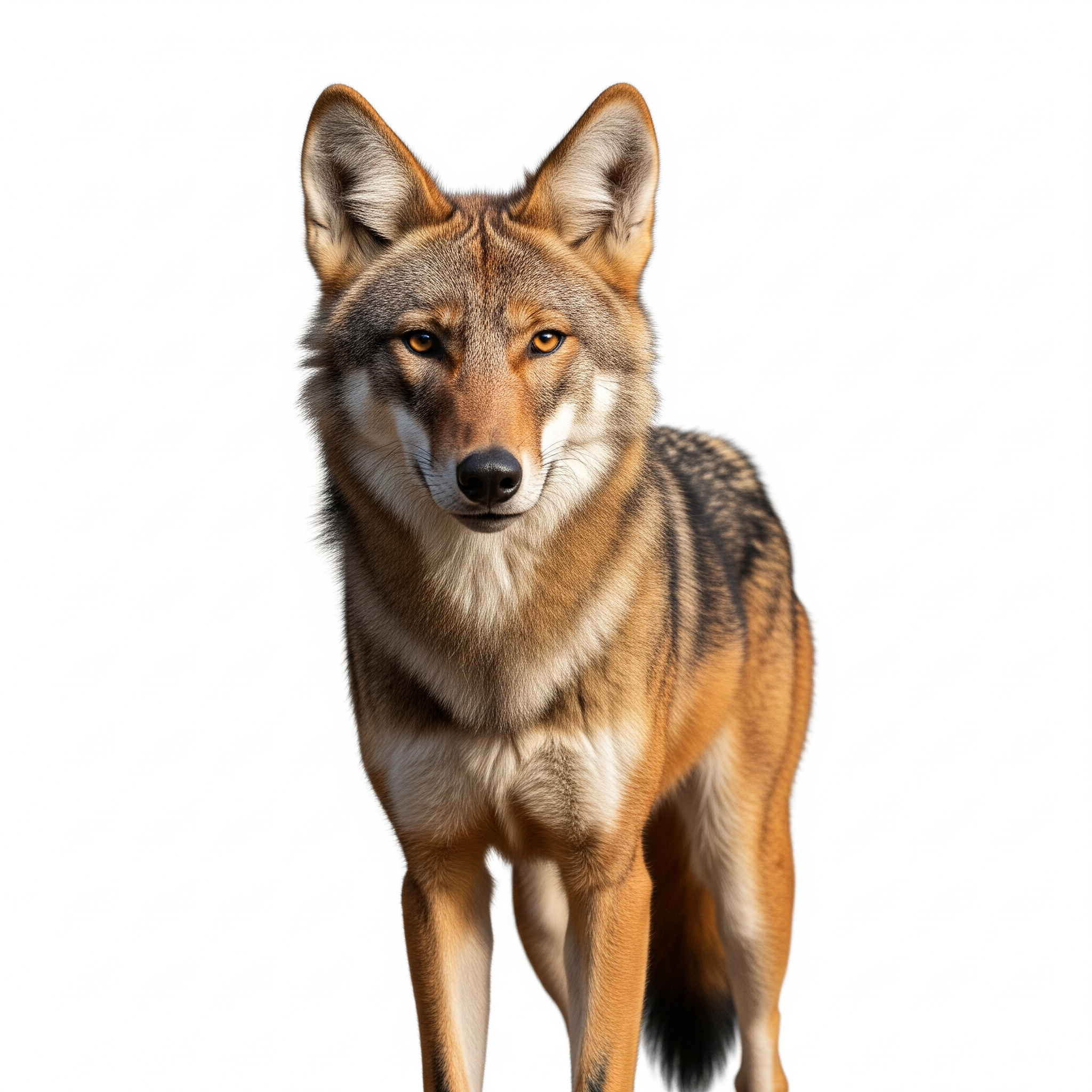
Archival print, museum-grade paper
Buy Poster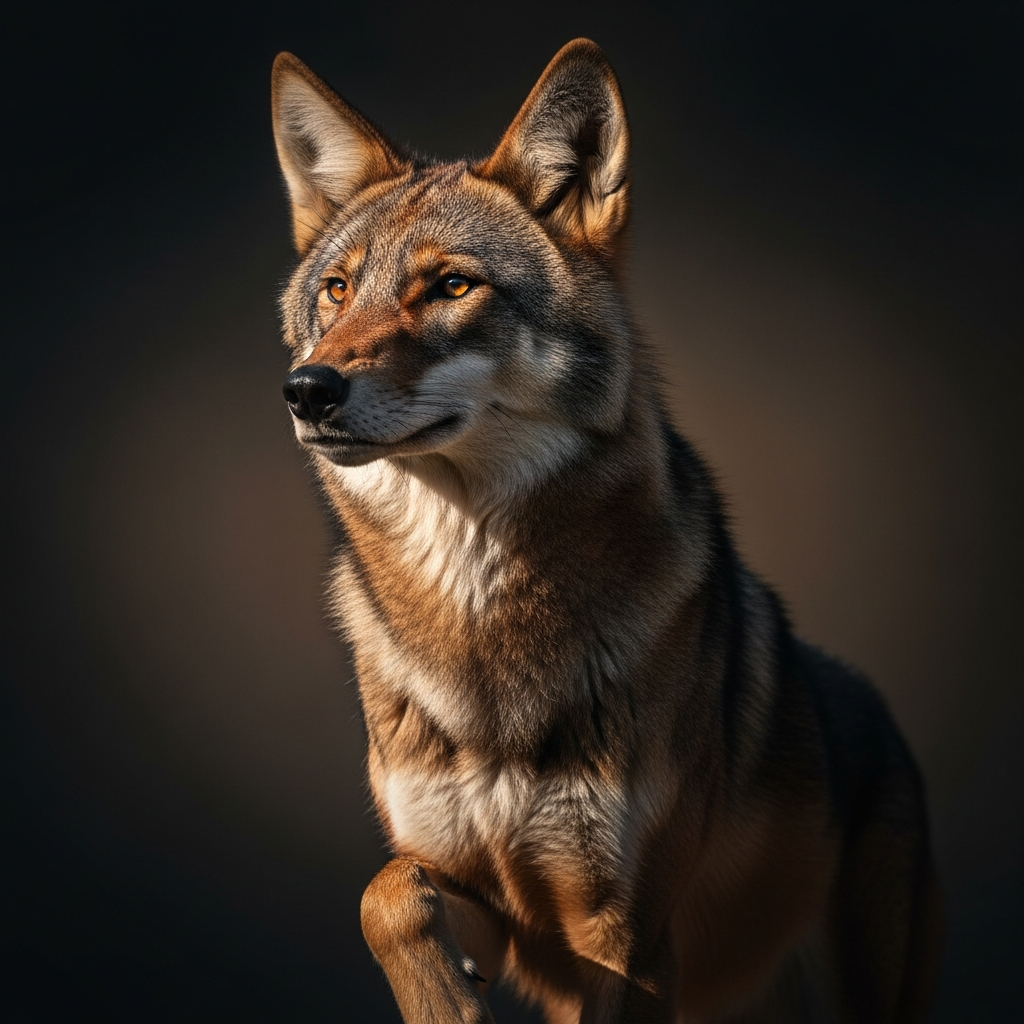
Stoneware mug, dishwasher safe
Buy Mug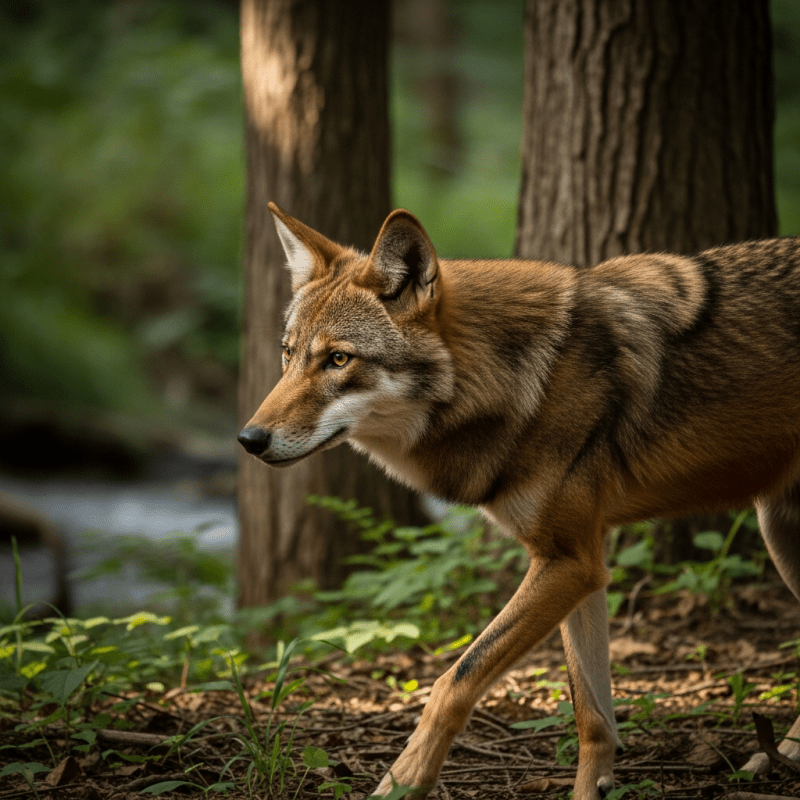
Soft cotton tee, unisex sizes
Buy ShirtThe Red Wolf is a powerful symbol of American wildlife conservation, representing both the fragility and resilience of native species. Its story is woven into regional folklore and environmental activism, particularly in the southeastern United States. Conservation programs and educational initiatives have elevated its status, making the Red Wolf an emblem of hope for endangered species recovery.
Unlike domestic dogs, Red Wolves have never been domesticated. Their evolutionary history is marked by adaptation to the forests and wetlands of the southeastern United States. The broader canine family has undergone significant changes through domestication, but the Red Wolf remains a wild species, shaped by natural selection and, more recently, by conservation interventions to preserve its lineage.
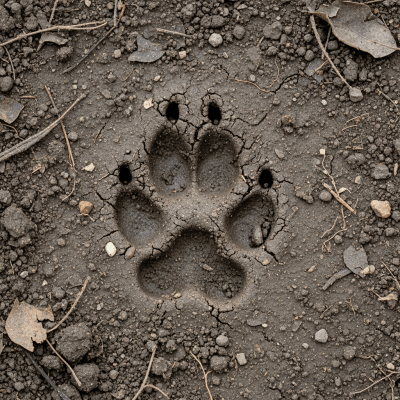
Wild canines like the Red Wolf differ sharply from domesticated dogs in behavior, appearance, and lifestyle. Red Wolves are elusive, territorial, and live in family packs, relying on hunting and natural instincts for survival. In contrast, domestic dogs have been bred for companionship, work, and diverse physical traits, adapting to human environments and social structures. The Red Wolf’s vulnerability to habitat changes and hybridization highlights the challenges faced by wild canids in a human-dominated landscape.
The Red Wolf is one of several North American canid species, alongside the Gray Wolf, Coyote, and various foxes. It is distinguished by its intermediate size and reddish coat. While domestic dogs exhibit immense breed diversity, wild canids like the Red Wolf are defined by species-level differences and regional adaptations. Scientific synonyms for the Red Wolf include Canis lupus rufus and Canis lycaon rufus, reflecting ongoing debates about its classification.
As an apex predator, the Red Wolf plays a crucial role in maintaining ecosystem balance. By controlling populations of prey species such as rodents and small mammals, Red Wolves help regulate food webs and promote biodiversity. Their absence can lead to ecological imbalances, underscoring the importance of their conservation for healthy natural habitats.
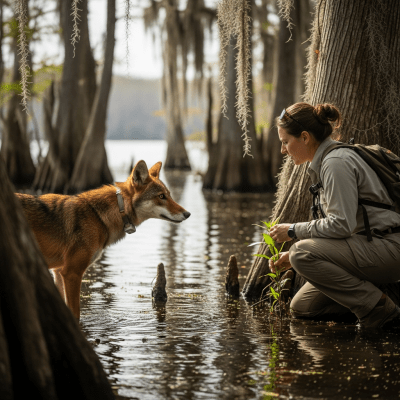
Red Wolves face significant health and welfare challenges, including genetic dilution from hybridization with coyotes and vulnerability to habitat fragmentation. Conservation programs monitor their health, manage breeding, and work to reduce threats from disease and human conflict. Welfare concerns focus on ensuring sufficient habitat, genetic diversity, and protection from persecution.
While individual Red Wolves may not be widely recognized by name, the species itself is celebrated in conservation circles. The original 14 founder animals of the captive breeding program are legendary within wildlife recovery history, representing a last hope for the species. Their descendants continue to inspire efforts to save the Red Wolf from extinction.
The Red Wolf is listed as Critically Endangered by the IUCN Red List. Its wild population is precariously small, surviving only in eastern North Carolina. Intensive recovery efforts, including captive breeding and habitat management, are ongoing, but hybridization with coyotes and habitat loss remain significant threats. The Red Wolf’s plight has made it a flagship species for American endangered wildlife conservation.
Historically, Red Wolves roamed across the southeastern United States, but today they are found only in eastern North Carolina. Alternate names such as the Florida Black Wolf reflect regional distinctions, though these are not universally accepted. Conservation strategies and genetic studies continue to explore regional adaptations and historical range, aiming to guide future recovery efforts.