Origin Story

First formally described by Carl Linnaeus in 1758, the Red Fox's lineage traces back to the genus Vulpes, with fossil evidence dating to the Middle Pleistocene. As a wild species with a broad natural range, it has no singular point of origin or domestication but has naturally expanded across vast territories over millennia.

Classification

The Red Fox belongs to the family Canidae, which encompasses all canines including dogs, wolves, and jackals. Within this family, it is classified under the genus Vulpes, distinguishing it as a true fox species known for its agility and adaptability.

Appearance or Form

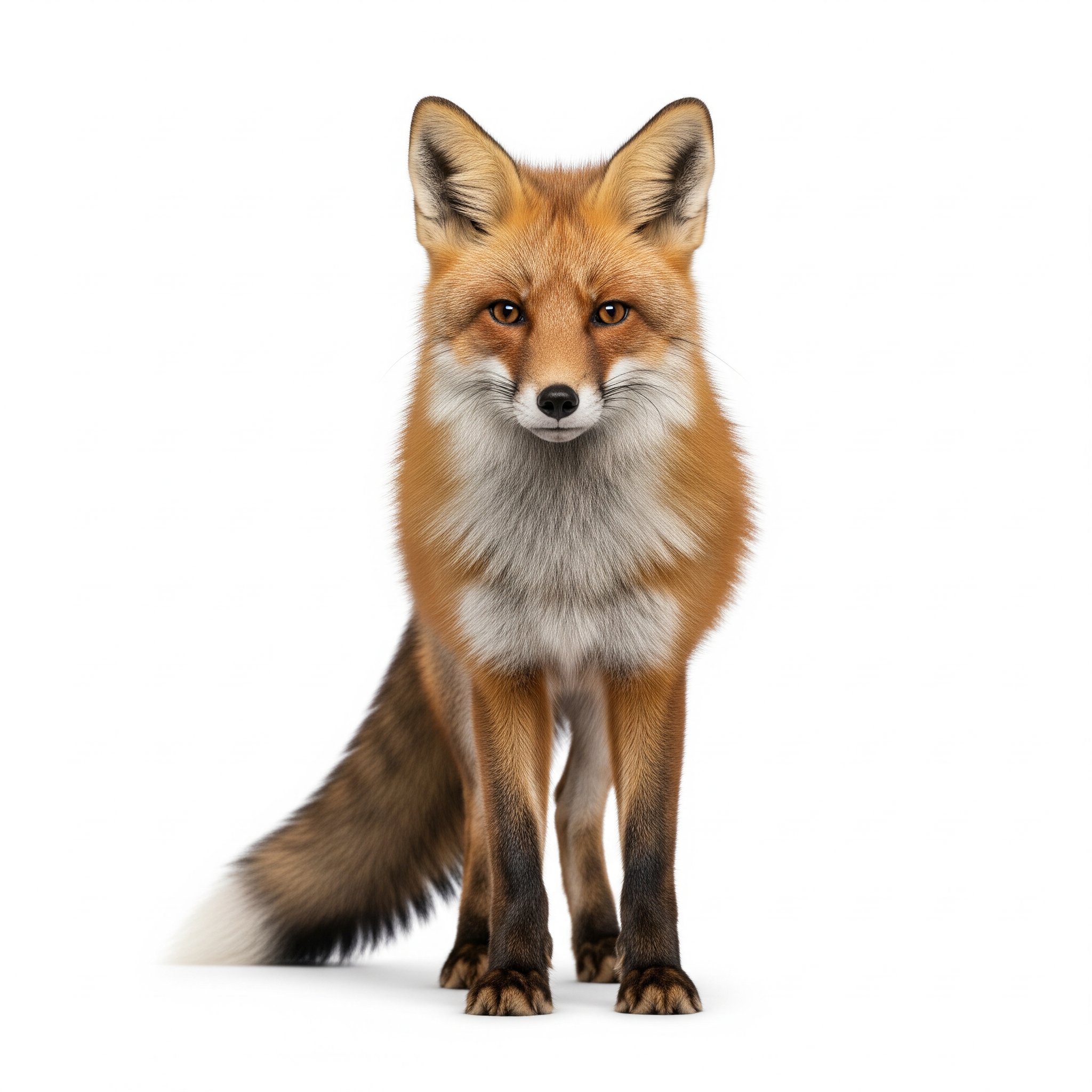
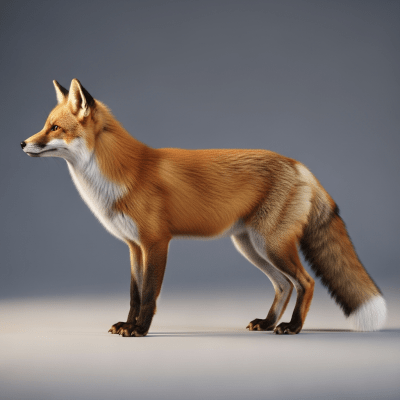
Typically measuring 45 to 90 centimeters in body length, with an additional 30 to 55 centimeters contributed by its bushy tail, the Red Fox weighs between 2.2 and 14 kilograms depending on region. Its fur is predominantly reddish-orange, complemented by white underparts and black legs, while the tail ends in a distinctive white tip. Adapted for keen hunting, it possesses acute hearing and a slender, agile build.

Behavior or Usage

The Red Fox is a solitary and opportunistic hunter, preying on small mammals, birds, and invertebrates. Its remarkable adaptability allows it to thrive in environments ranging from forests and grasslands to urban areas. While not domesticated, it plays an important ecological role by controlling rodent populations and is sometimes hunted for sport or fur.

Merchandise & Prints

Bring this kind into your world � illustrated posters, mugs, and shirts.

Red Fox Red Fox Poster

Red Fox Poster

Archival print, museum-grade paper

Red Fox Red Fox Mug

Red Fox Mug

Stoneware mug, dishwasher safe

Red Fox Red Fox Shirt

Red Fox Shirt

Soft cotton tee, unisex sizes

Attributes & Insights

Taxon-Specific Insights

🌍Cultural Significance

The Red Fox holds a prominent place in folklore and culture, often symbolizing cunning and cleverness. Its vivid appearance and elusive nature have inspired countless myths, stories, and artistic representations worldwide. In modern times, it also features in wildlife education and tourism, highlighting its ecological importance and adaptability.

📌Notable Facts

  • The Red Fox is the most widely distributed wild canid, found naturally across the entire Northern Hemisphere and introduced to Australia.
  • Its bushy tail, often called a brush, serves as a warm cover in cold weather and a signal flag during social interactions.
  • Despite its wild nature, it has adapted remarkably well to urban environments, sometimes living near human settlements.
  • Regional subspecies include the British Red Fox (Vulpes vulpes crucigera) and North American Red Fox (Vulpes vulpes fulva).
  • It is susceptible to diseases such as mange and rabies but shows resilience across varied climates and diets.

🐕Breeds And Varieties

The Red Fox includes several regional subspecies distinguished by size, coloration, and habitat preferences. Notable varieties include the British Red Fox (Vulpes vulpes crucigera), characterized by a robust build and dense fur, and the North American Red Fox (Vulpes vulpes fulva), often exhibiting brighter coloration. These subspecies reflect adaptations to local climates and ecosystems.

Visual Variations

High quality, studio-style photograph of a Red Fox
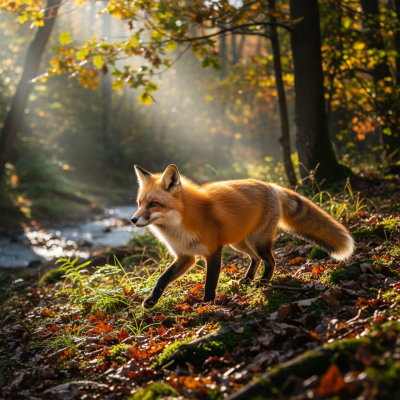
Photograph of a Red Fox, part of the taxonomy canines, in its typical natural environment
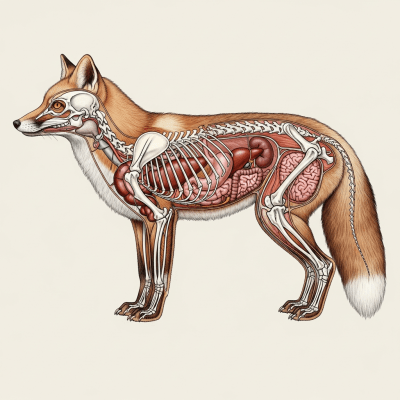
Detailed anatomical illustration of a Red Fox
Image of a Red Fox interacting with humans in a cultural or practical context
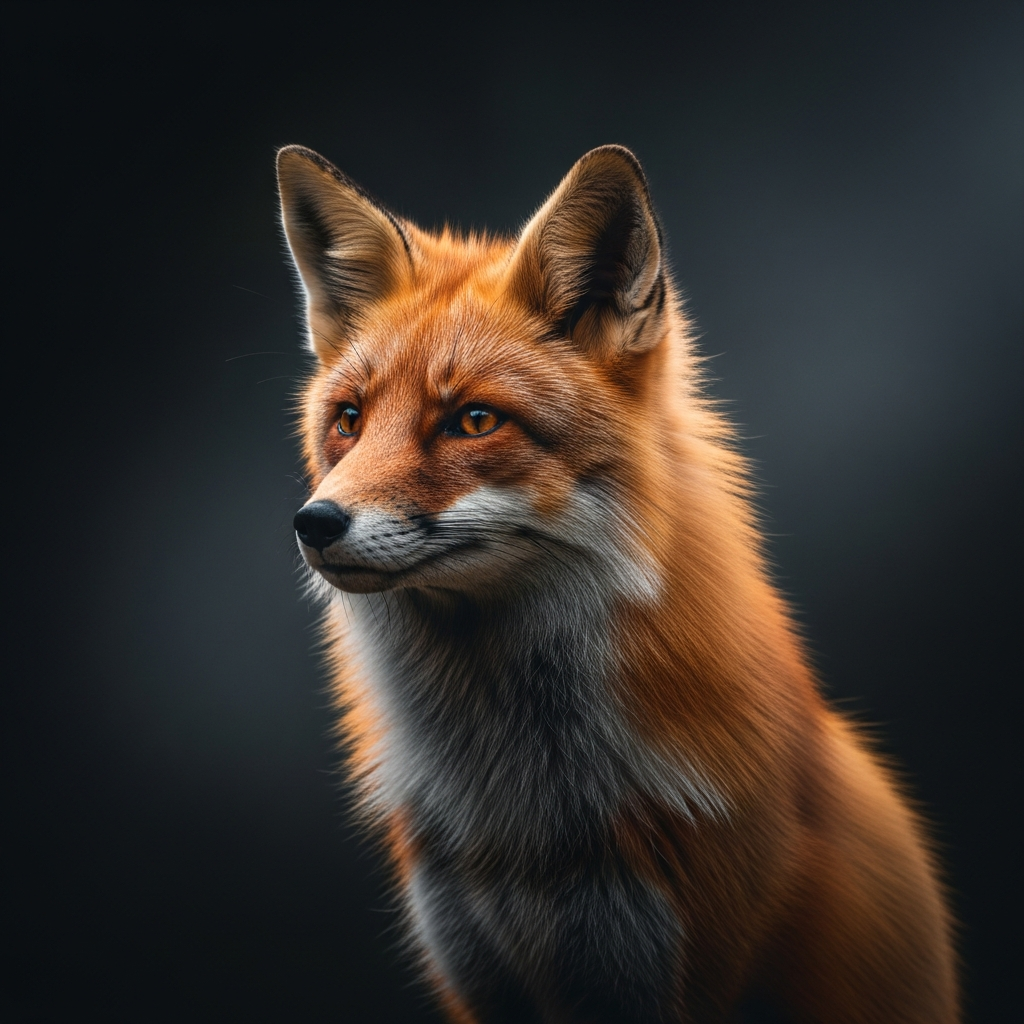
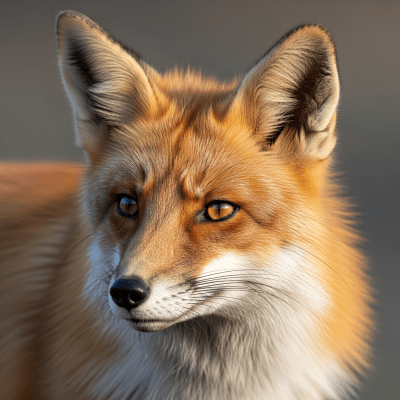
Close-up photograph of the face of a Red Fox
Photograph showing a juvenile (puppy) version of the Red Fox
Side profile photograph of a standing Red Fox, part of the taxonomy canines
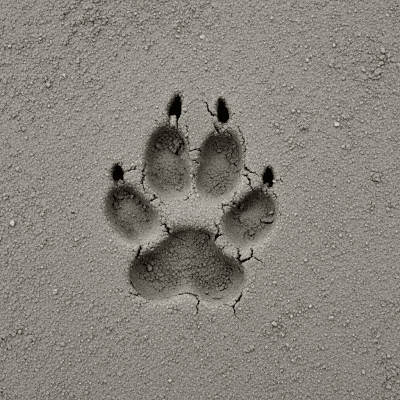
Image depicting tracks or footprints left by a Red Fox, belonging to the taxonomy canines

Composition & Context

Taxon-Specific Insights

🌍Habitat And Distribution

Native to the entire Northern Hemisphere, the Red Fox occupies a vast range including Europe, Asia, and North America. It thrives in diverse habitats such as forests, grasslands, mountains, deserts, and urban areas. Humans have introduced it to Australia, where it is considered an invasive pest impacting native wildlife.

🩺Health And Care

While wild Red Foxes do not receive direct care, they face health challenges including mange and rabies. Their resilience to varied climates and diets helps sustain populations, but disease outbreaks can impact local numbers. Conservation efforts focus on monitoring health and controlling disease spread, especially in urban and introduced populations.

🎓Training And Behavior

Red Foxes are wild animals and not typically trained like domestic dogs. They exhibit solitary, territorial behavior and are highly opportunistic feeders. Their intelligence and adaptability allow them to learn and exploit new environments, but they remain naturally wary of humans and avoid close contact.

🦊Conservation Status

The Red Fox is classified as Least Concern due to its wide distribution and stable population. Its adaptability to diverse habitats, including human-altered landscapes, contributes to its resilience. Conservation efforts primarily address invasive populations, such as those in Australia, where control measures aim to protect native species.

Faq

Q: Where do Red Foxes live?
The Red Fox naturally inhabits forests, grasslands, mountains, and urban areas across the Northern Hemisphere and has been introduced to Australia.

Q: What do Red Foxes eat?
They are opportunistic feeders, hunting small mammals, birds, insects, and sometimes consuming fruits and human refuse.

Q: Are Red Foxes dangerous to humans?
Generally, Red Foxes avoid humans and pose little threat, though they can carry diseases like rabies in rare cases.