Pampas Fox
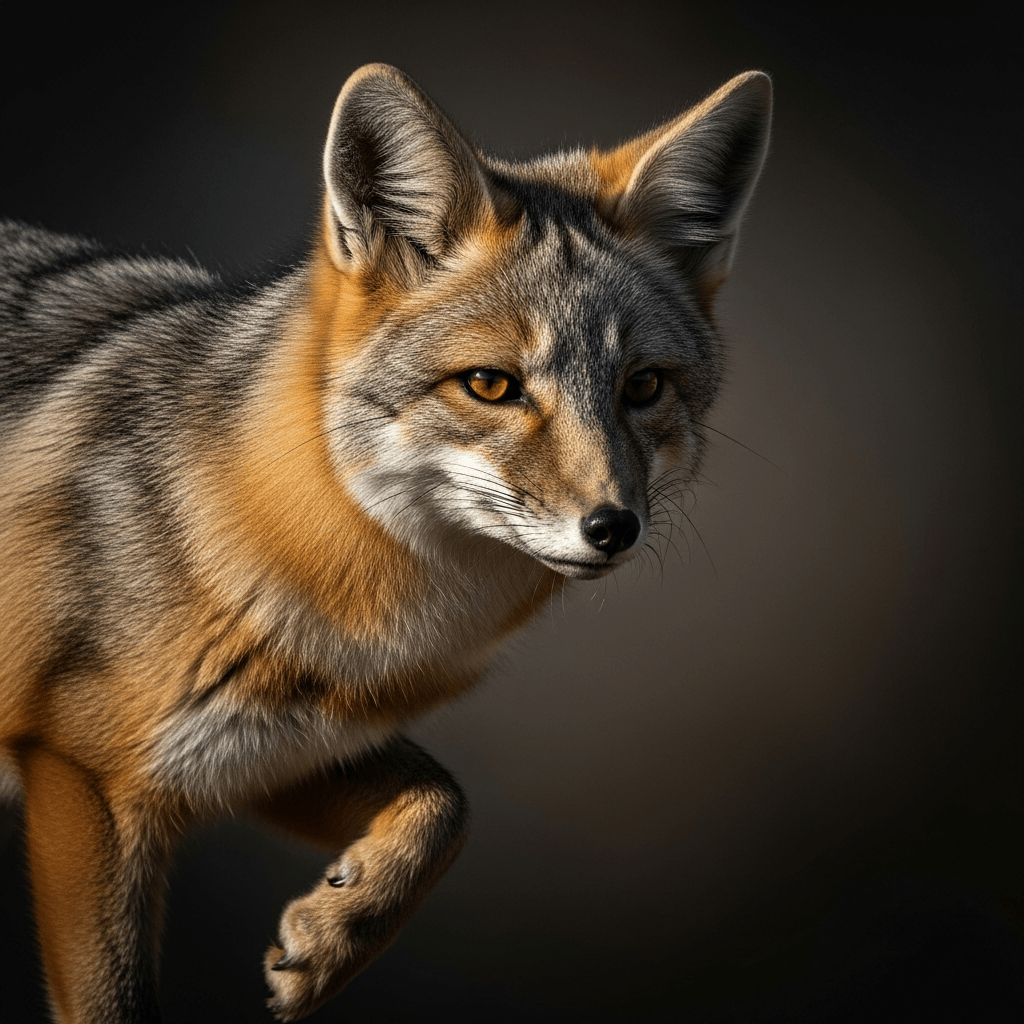
The Pampas Fox (Lycalopex gymnocercus) is a medium-sized South American canid, renowned for its adaptability to grasslands and agricultural landscapes, and recognized by its grizzled gray fur and bushy, black-tipped tail.
The Pampas Fox (Lycalopex gymnocercus) is a medium-sized South American canid, renowned for its adaptability to grasslands and agricultural landscapes, and recognized by its grizzled gray fur and bushy, black-tipped tail.
First described by Fischer in 1814, the Pampas Fox traces its lineage to the genus Lycalopex, a group of South American "false foxes." Unlike domesticated canines, the Pampas Fox has always existed as a wild species, with populations spread across Argentina, Uruguay, Paraguay, Bolivia, and southern Brazil. Museum records and field observations document its presence since the 19th century, highlighting its enduring role in the region’s natural history.
The Pampas Fox belongs to the family Canidae, which encompasses all dog-like mammals. Within this family, it is classified under the genus Lycalopex, distinct from true foxes (Vulpes) and wolves (Canis). Its scientific name is Lycalopex gymnocercus, and it is one of several South American canids known as "false foxes" due to their convergent evolution with true foxes.
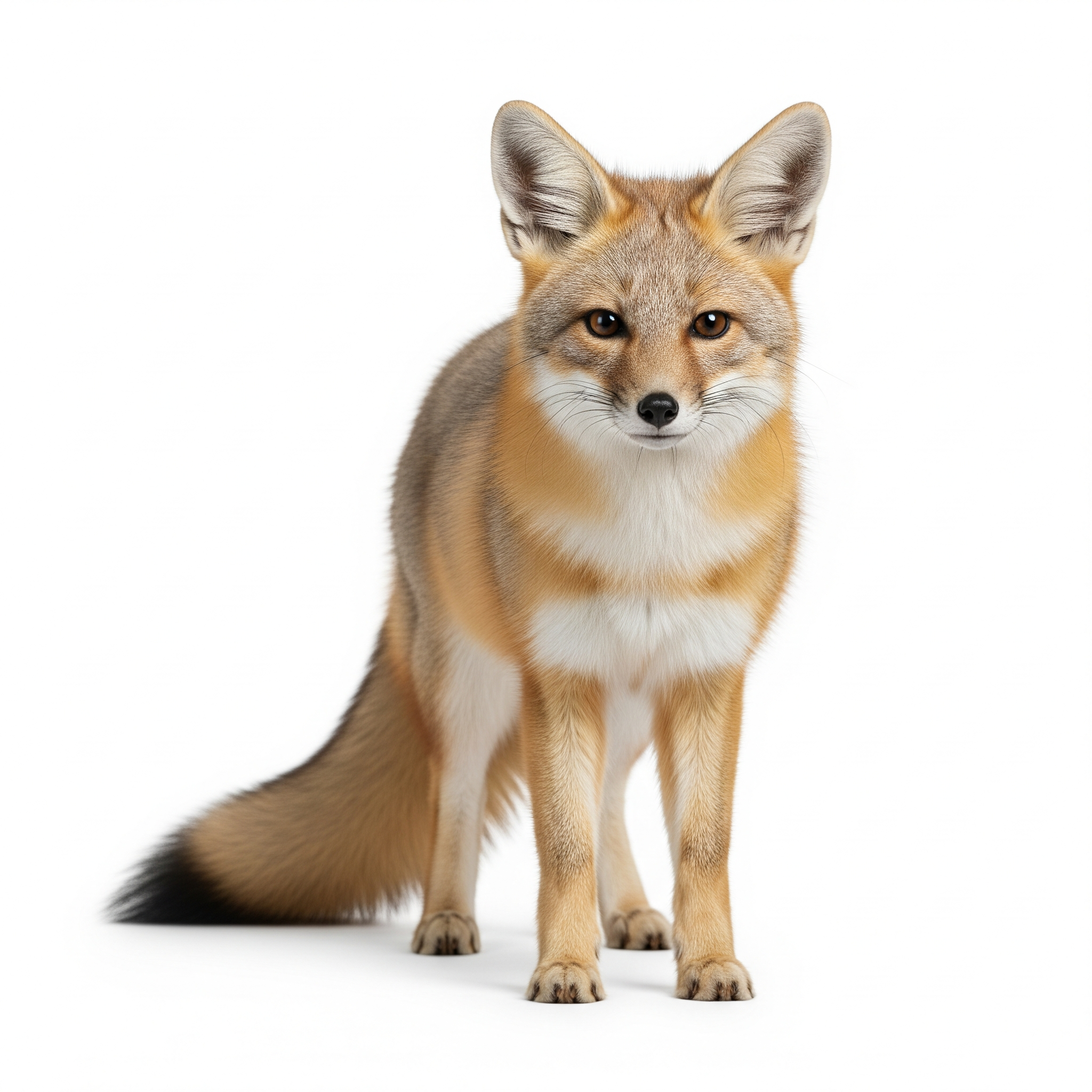
The Pampas Fox is characterized by a medium build, measuring 60–70 cm in body length with a 30–40 cm bushy tail tipped in black. Its fur is predominantly gray, accented by reddish flanks and legs, a white throat, and pointed ears. The overall impression is of a sleek, agile animal well-camouflaged against the open grasslands and scrub of its habitat.
This species is primarily solitary or found in pairs, displaying nocturnal and crepuscular habits. The Pampas Fox is an omnivore, feeding on small mammals, birds, insects, fruits, and carrion, which enables it to thrive in both natural and human-altered environments. Its adaptability allows it to inhabit croplands and pastures, sometimes bringing it into conflict with farmers over poultry predation.
Bring this kind into your world illustrated posters, mugs, and shirts.
Archival print, museum-grade paper
Buy Poster
Stoneware mug, dishwasher safe
Buy Mug
Soft cotton tee, unisex sizes
Buy ShirtWhile not a major figure in global folklore, the Pampas Fox holds local significance across its range. Known by names such as "Zorro de las Pampas" and "Raposa-do-campo," it appears in regional stories and is sometimes regarded as a cunning trickster or symbol of adaptability. Its fur has been used locally, but it has not achieved the cultural prominence of other canids like wolves or domestic dogs.
Unlike domestic dogs, the Pampas Fox has never been bred or tamed by humans. Its evolutionary history is rooted in the wild canids of South America, diverging from other members of the Canidae family as part of the genus Lycalopex. The broader canine family showcases a spectrum from fully wild species, like the Pampas Fox, to highly domesticated breeds, illustrating the diverse evolutionary paths within Canidae.





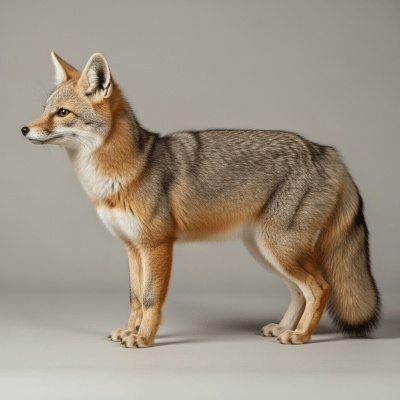

Wild canines such as the Pampas Fox differ markedly from domesticated dogs in behavior, ecology, and interaction with humans. While domestic dogs rely on people for food and shelter, wild canids are self-sufficient, solitary or living in loose pairs, and maintain natural hunting and scavenging behaviors. The Pampas Fox, for example, adapts to changing environments but remains untamed and independent, in contrast to the social, trainable nature of domestic breeds.
The Pampas Fox is one of several species within the genus Lycalopex, collectively known as South American "false foxes." Unlike domestic dogs, which have hundreds of recognized breeds, the Pampas Fox exists solely as a wild species, with no subspecies or domesticated varieties. Its close relatives include the Crab-eating Fox and the Culpeo, each adapted to specific habitats across South America.
As a mesopredator, the Pampas Fox plays a vital role in controlling populations of small mammals, birds, and insects. Its omnivorous diet also helps it act as a scavenger, contributing to nutrient cycling in grassland and agricultural ecosystems. By adapting to human-altered landscapes, it helps maintain ecological balance even in areas impacted by farming and development.
Wild Pampas Foxes face threats from habitat loss, road accidents, and conflict with humans over livestock predation. While generally healthy in the wild, they are susceptible to diseases that affect canids, such as rabies and canine distemper. Conservation of their habitats and reduction of human-wildlife conflict are key to their welfare.
Unlike domestic dogs or wolves, individual Pampas Foxes have not achieved widespread fame. However, the species is well-represented in natural history museums and local folklore, serving as an emblematic wild canid of the South American grasslands.
The Pampas Fox is currently classified as Least Concern by the IUCN Red List, reflecting its wide distribution and adaptability. While not globally threatened, local populations may face pressures from habitat fragmentation, hunting, and conflict with farmers. Ongoing monitoring and habitat protection are important for maintaining stable populations.
Across its range, the Pampas Fox is known by various names—such as "Azara’s Fox," "Gray Zorro," and "Zorro Pampeano"—reflecting linguistic and cultural diversity. Its adaptability allows it to inhabit a variety of environments, from open grasslands to croplands, and local populations may exhibit minor differences in size, coloration, and behavior based on regional conditions.