Pale Fox
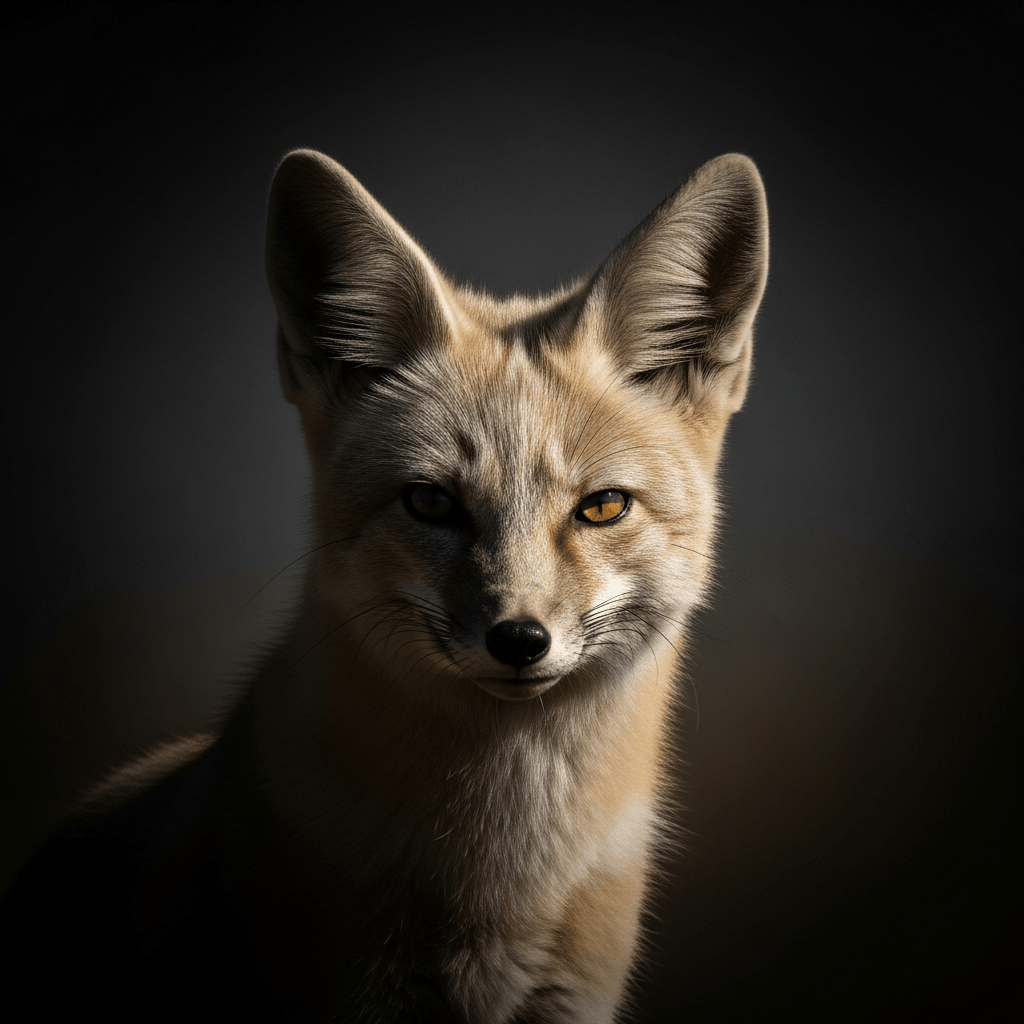
The Pale Fox (Vulpes pallida) is a slender, desert-adapted canid native to the Sahel region of Africa, renowned for its pale sandy coat and elusive nocturnal lifestyle.
The Pale Fox (Vulpes pallida) is a slender, desert-adapted canid native to the Sahel region of Africa, renowned for its pale sandy coat and elusive nocturnal lifestyle.
First formally described in 1826 by Cretzschmar, the Pale Fox traces its lineage within the genus Vulpes, sharing ancestry with other African foxes such as Rüppell's fox. Its natural range spans the arid Sahel belt, with documented specimens from Mali, Niger, Chad, and Sudan. Unlike many other canids, the Pale Fox has never been domesticated, and no recognized subspecies or breeds exist. Its evolutionary story is shaped by adaptation to harsh desert climates, making it one of the most specialized foxes in Africa.
Belonging to the family Canidae, the Pale Fox is classified under the genus Vulpes and species Vulpes pallida. Within the broader canid family, it is grouped among the 'true foxes,' distinguished by their small size, pointed snouts, and bushy tails. While its scientific synonym Canis pallidus appears in historical literature, Vulpes pallida is the accepted name among modern authorities such as the IUCN and ITIS.
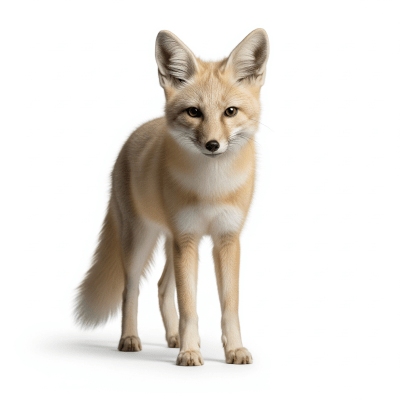
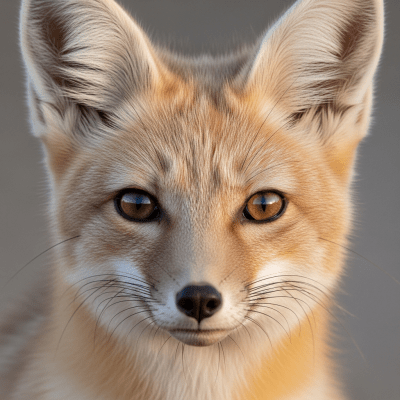
The Pale Fox is small and slender, measuring 38–55 cm in body length with a bushy tail of 23–29 cm, and weighing between 2–3.6 kg. Its fur is a soft, pale sandy or greyish hue, blending seamlessly with the desert landscape, and its underside is white. Notably, it sports large ears—an adaptation for dissipating heat—and a tail tipped with white. The overall impression is one of subtle elegance, perfectly suited to the arid environments it inhabits.
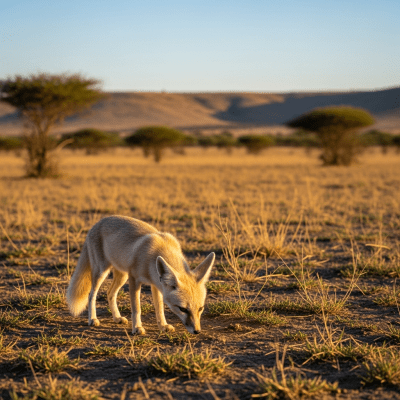
Highly elusive and primarily nocturnal, the Pale Fox spends daylight hours hidden in extensive burrow systems, emerging at night to forage. Its diet is varied, consisting of insects, small vertebrates, fruits, and roots. These foxes are rarely seen by humans and have minimal direct interaction with people, though they may occasionally prey on poultry. Their burrowing behavior not only provides shelter but also aids in thermoregulation, a crucial adaptation for survival in the Sahel’s extreme temperatures.
Bring this kind into your world illustrated posters, mugs, and shirts.
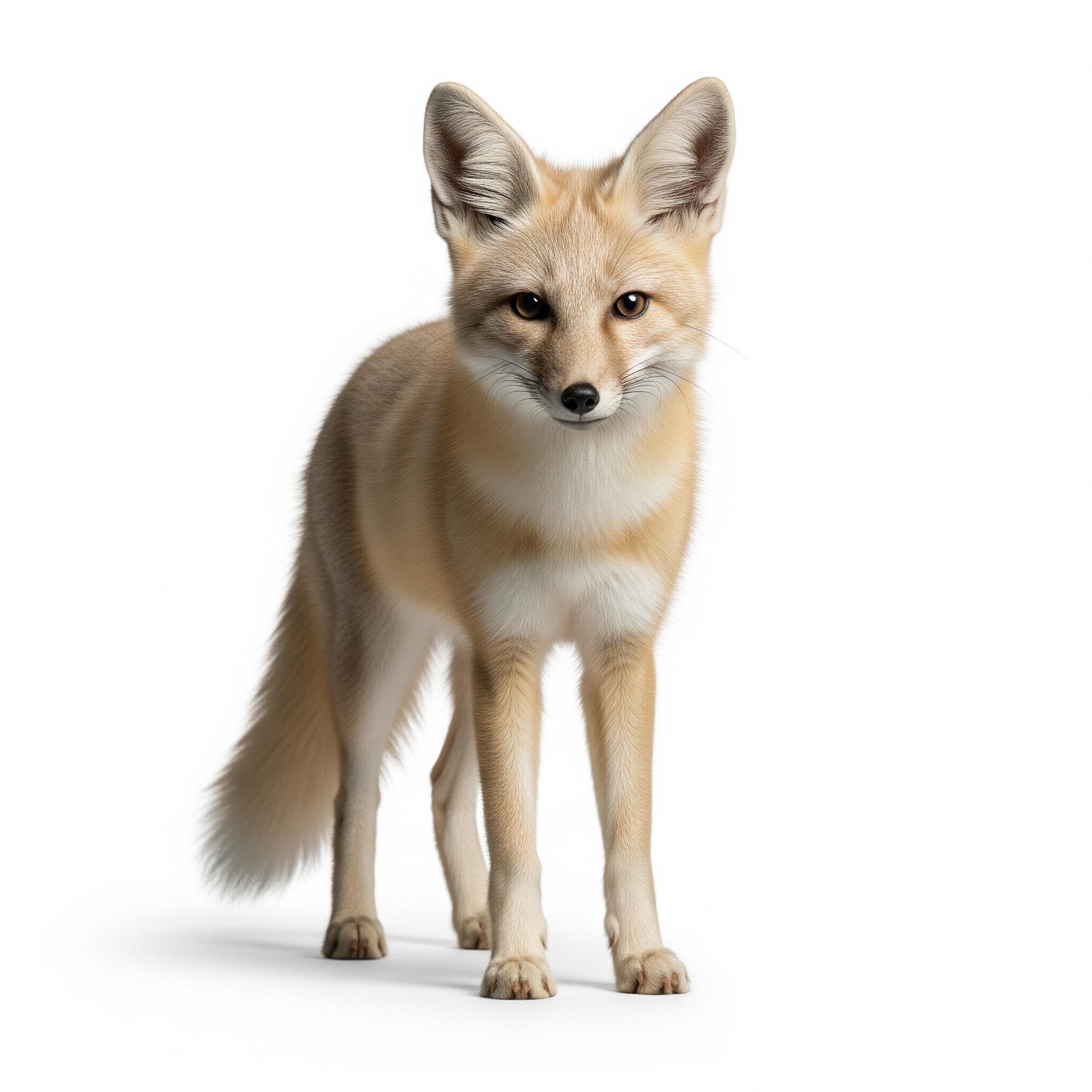
Archival print, museum-grade paper
Buy Poster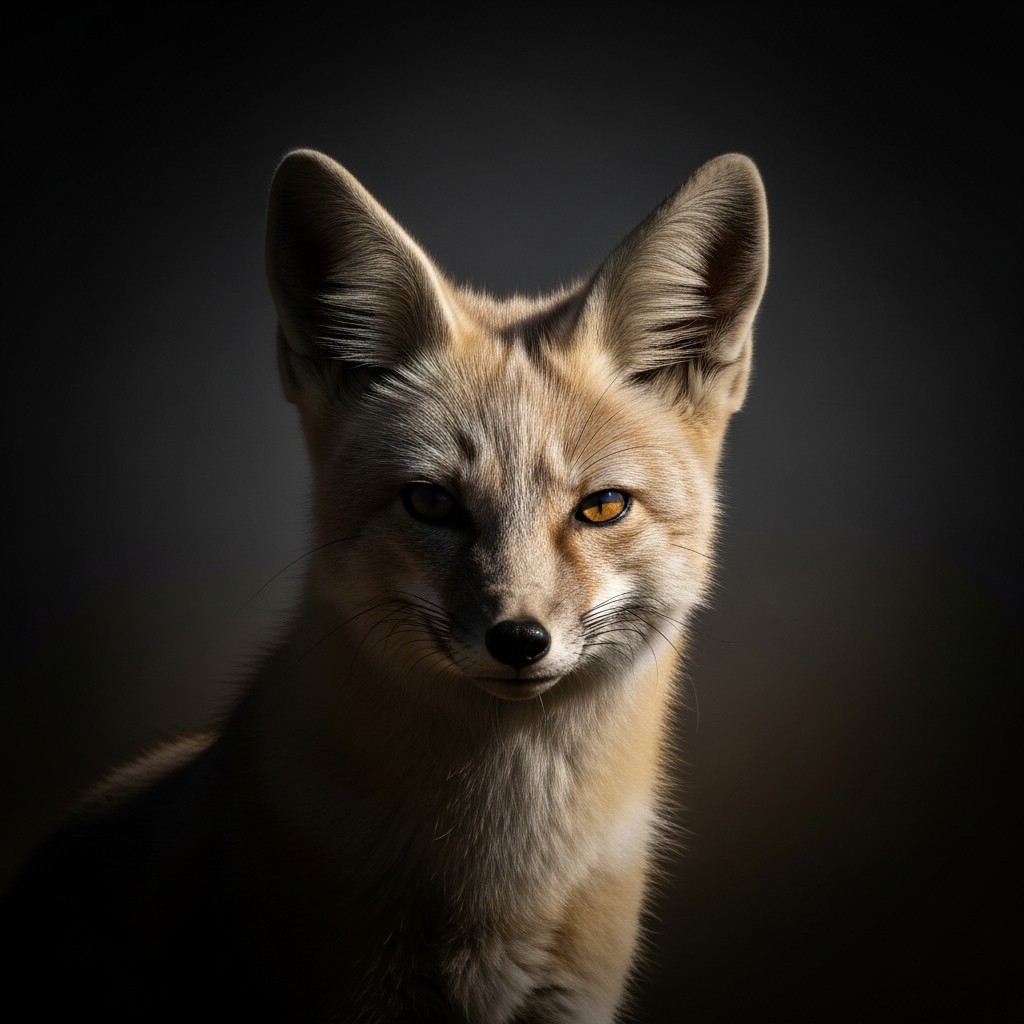
Stoneware mug, dishwasher safe
Buy Mug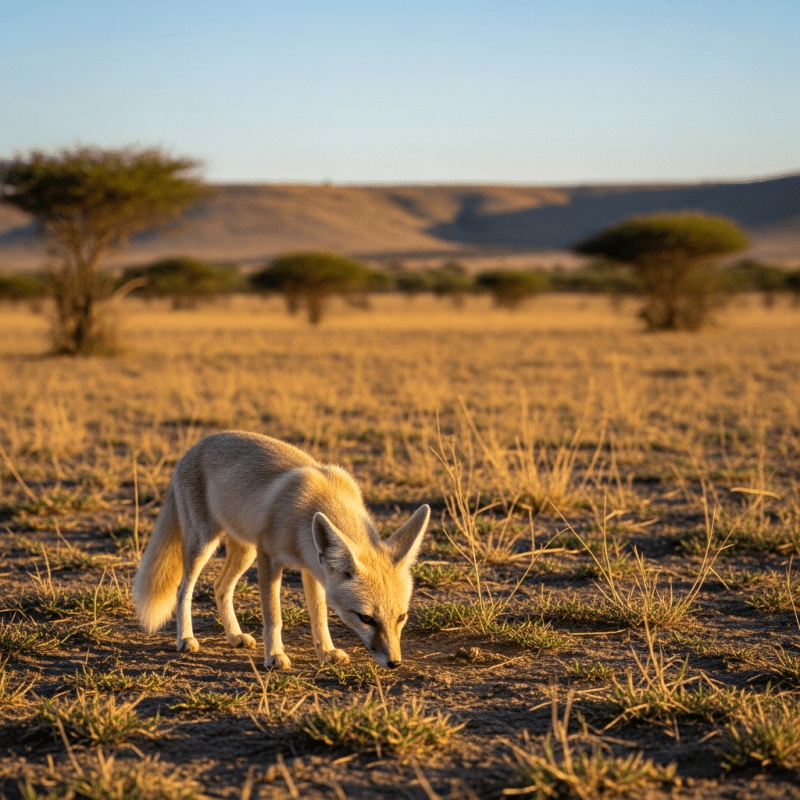
Soft cotton tee, unisex sizes
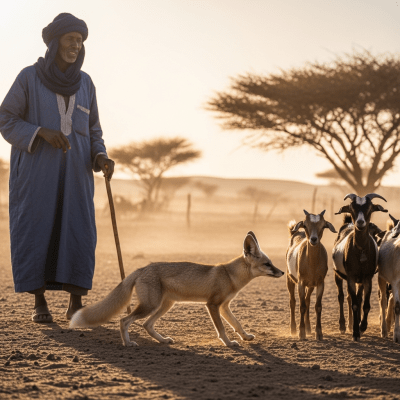
Buy ShirtWhile the Pale Fox is not a major figure in global folklore or art, it holds subtle significance in local Sahelian cultures. Sometimes referenced in regional stories or considered a minor pest, its presence is more often felt in the background of rural life than celebrated. Its elusive nature and nocturnal habits have contributed to a mystique, making it a symbol of the hidden and the adaptive in desert environments.
Canines as a family have a rich history of domestication, most famously in the form of the domestic dog. The Pale Fox, however, remains entirely wild, with no known attempts at domestication. Its evolutionary path is marked by adaptation to arid environments, diverging from other Vulpes species to specialize in desert survival. Unlike its domestic relatives, the Pale Fox’s traits—such as nocturnality and burrowing—are shaped by natural selection rather than human intervention.

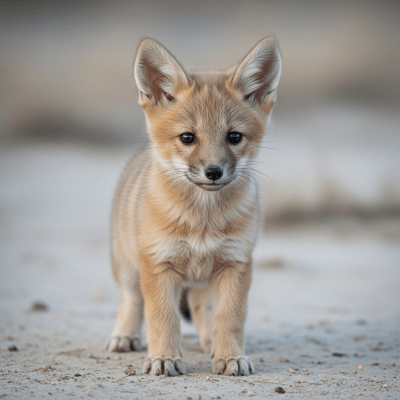
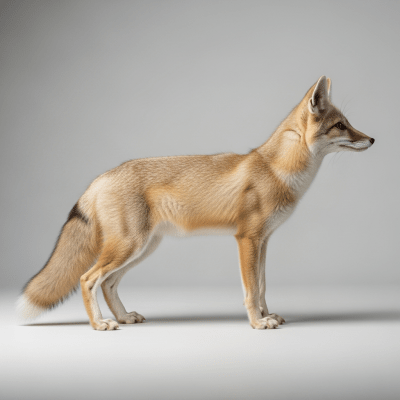
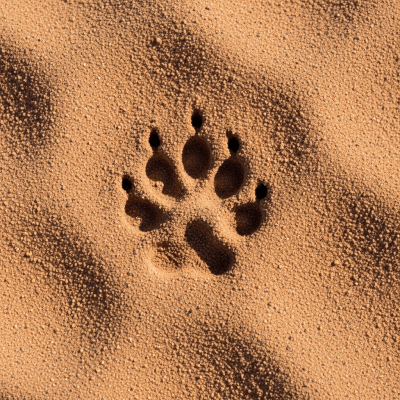
Wild canines like the Pale Fox differ markedly from their domesticated counterparts. While domestic dogs have been bred for companionship and utility, wild foxes retain instincts for survival, secrecy, and self-sufficiency. The Pale Fox exemplifies this with its nocturnal habits, solitary lifestyle, and specialized adaptations for desert living. In contrast, domestic dogs rely on humans for food, shelter, and social interaction, and have a vast diversity of breeds shaped by selective breeding.
Within the genus Vulpes, the Pale Fox stands out for its desert adaptations. Unlike domestic dogs, which boast hundreds of breeds, the Pale Fox has no recognized subspecies or breeds. Its closest relatives include other African foxes such as Rüppell's fox (Vulpes rueppelli). Across the canid family, diversity ranges from the robust wolf to the diminutive fennec fox, each species occupying a unique ecological niche.
The Pale Fox plays a subtle but important role in Sahelian ecosystems. As an omnivorous forager, it helps control insect and small vertebrate populations, disperses seeds through fruit consumption, and aerates soil with its burrowing. Its nocturnal activity reduces competition with diurnal predators, and its presence contributes to the balance of desert food webs.
Little is known about specific health issues affecting the Pale Fox, largely due to its elusive nature and lack of domestication. In the wild, its welfare is shaped by environmental pressures such as drought, habitat loss, and limited food resources. Unlike domestic canines, it is not subject to veterinary care or managed breeding, making disease and injury significant risks. Conservation of its habitat is crucial for the species' continued welfare.
While the Pale Fox itself has not achieved individual fame, the canid family boasts many notable members, from legendary wolves in folklore to celebrated domestic dogs in history. The Pale Fox’s quiet existence highlights the diversity within canines, reminding us that not all species are well-known or widely recognized, yet each plays a role in the broader narrative of the family.
The Pale Fox is currently not considered threatened, with a stable population across its Sahelian range according to the IUCN Red List. However, its secretive nature means that data is limited, and habitat degradation or climate change could pose future risks. Conservation efforts focus on habitat preservation and monitoring, ensuring that this elusive species remains a part of Africa’s desert ecosystems.
Known locally as the "African Sand Fox" or "Saharan Fox," the Pale Fox is recognized by different names across the Sahel, with regional identifiers in Hausa, Tuareg, and other languages. While there are no formally recognized subspecies, local populations may exhibit subtle adaptations to their specific environments, reflecting the species’ flexibility and resilience in diverse desert landscapes.