
Mountain Fox
The Mountain Fox (Vulpes montana) is a small, elusive canid uniquely adapted to the cold, high-altitude regions of the Himalayas, recognized for its thick fur and ecological importance.
The Mountain Fox (Vulpes montana) is a small, elusive canid uniquely adapted to the cold, high-altitude regions of the Himalayas, recognized for its thick fur and ecological importance.
First described by Blyth in 1847, the Mountain Fox traces its lineage to the genus Vulpes, sharing ancestry with other Asian foxes. Its origin is rooted in the wild populations of the Himalayas and neighboring mountain ranges, where it has evolved to thrive in harsh alpine environments. Unlike domesticated canines, the Mountain Fox has no history of formal breeding or institutional release, remaining a true product of its rugged, natural habitat.
Belonging to the family Canidae, the Mountain Fox is classified under the genus Vulpes and species Vulpes montana. It is part of the broader canid group, which encompasses foxes, wolves, jackals, and domestic dogs. Within its genus, it is closely related to other Asian foxes, yet distinguished by its adaptation to mountainous terrain and cold climates.
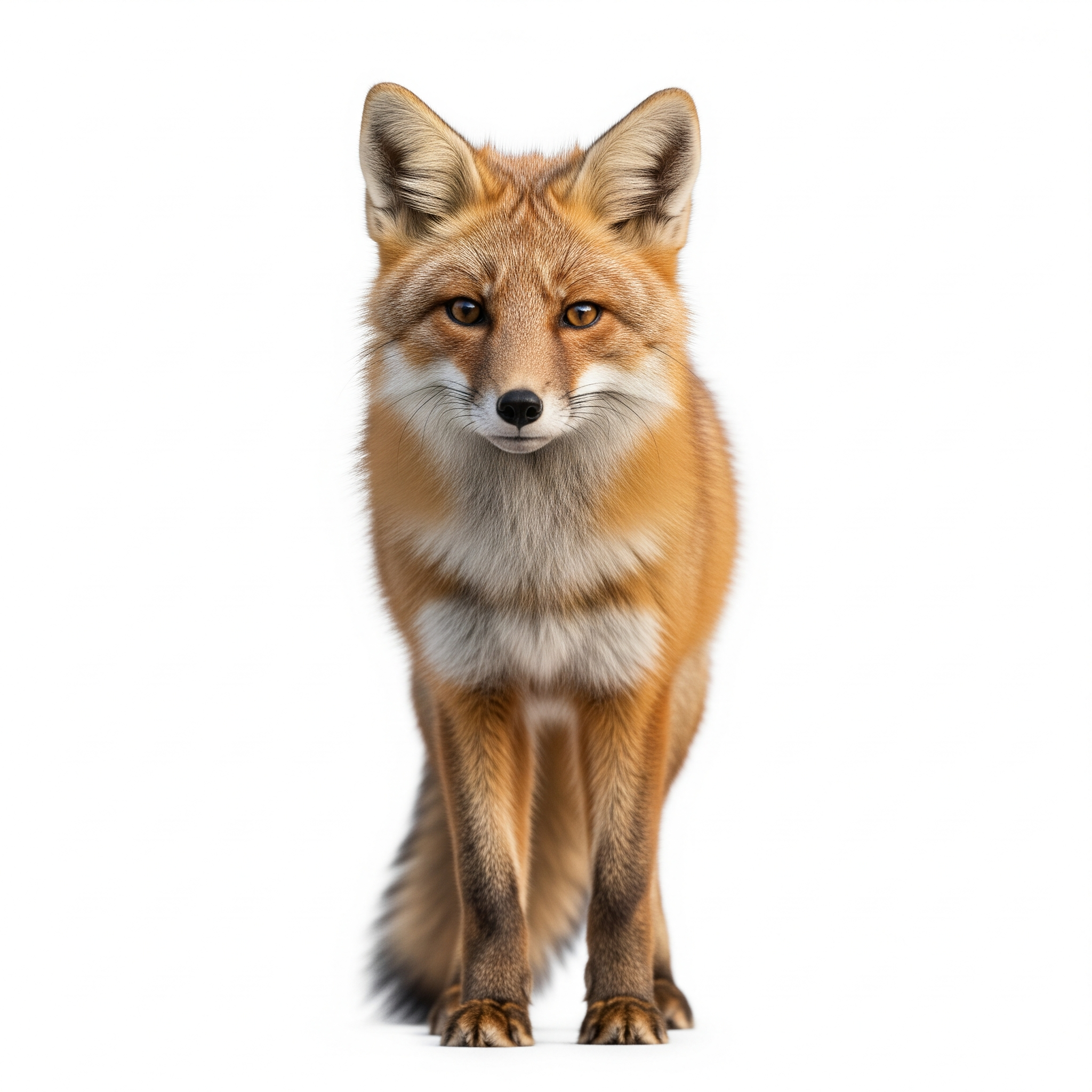
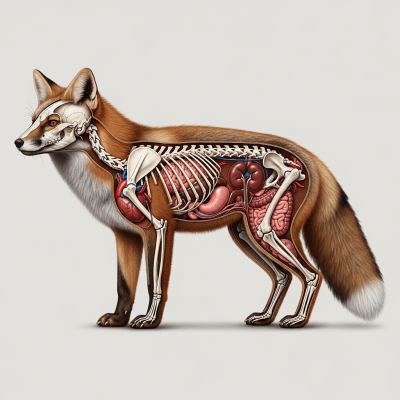
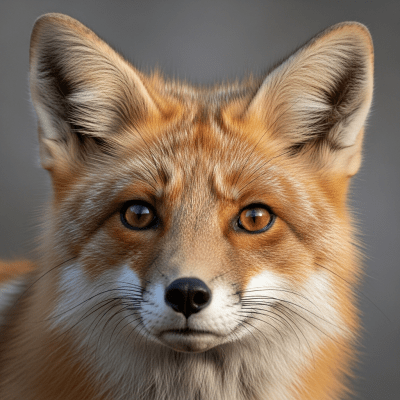
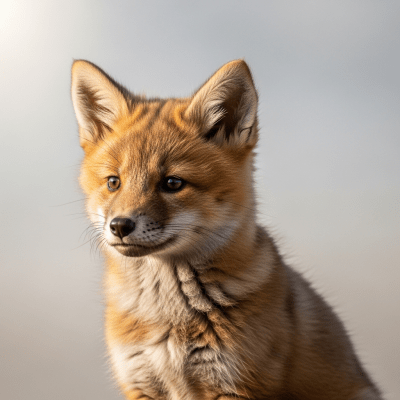
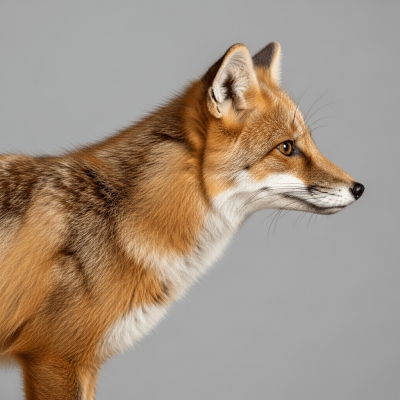
The Mountain Fox presents a compact, agile body covered in dense, pale gray to reddish fur, providing vital insulation against frigid Himalayan temperatures. Its bushy tail, measuring 30–40 cm, adds balance and warmth, while adults typically measure 45–60 cm in length and weigh 2–4 kg. The fox's keen senses and nimble form allow it to navigate rocky, alpine landscapes with ease, blending seamlessly into its environment.
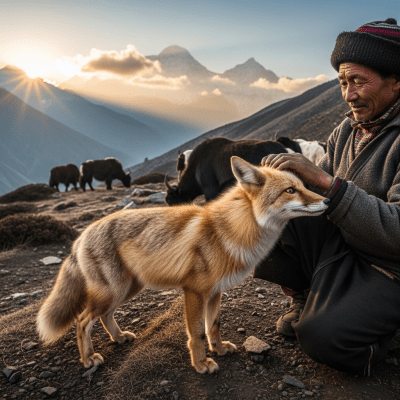
Primarily solitary or found in small family groups, the Mountain Fox exhibits elusive behavior, often avoiding human contact. Its diet consists of small mammals, birds, and insects, marking it as an agile predator within its ecosystem. The species plays a crucial ecological role as both a hunter and an indicator of environmental health in Himalayan regions, though it is not utilized for commercial or culinary purposes.
Bring this kind into your world illustrated posters, mugs, and shirts.
Archival print, museum-grade paper
Buy Poster
Stoneware mug, dishwasher safe
Buy Mug
Soft cotton tee, unisex sizes
Buy ShirtWhile the Mountain Fox is not widely featured in global art or mythology, it occasionally appears in local Himalayan folklore, typically symbolizing cunning and adaptability. Its presence in stories reflects the animal's elusive nature and its role as a subtle but respected figure in regional culture.
The Mountain Fox remains a wild species, with no record of domestication or captive breeding. Its evolutionary journey is shaped by adaptation to cold, mountainous environments, diverging from other Vulpes species through traits that favor survival in alpine terrain. Unlike domestic dogs, which have undergone extensive selective breeding, the Mountain Fox's lineage reflects natural selection and ecological pressures unique to the Himalayas.

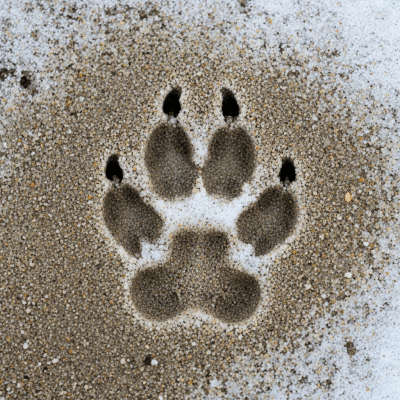
Unlike domesticated dogs, which have been bred for companionship and utility, the Mountain Fox exemplifies the traits of wild canines: solitary habits, self-sufficiency, and specialized adaptations for survival in harsh environments. Its lifestyle is shaped by the need to hunt and avoid predators, with no reliance on humans for food or shelter. In contrast, domestic canines display social behaviors and physical traits molded by human intervention.
The Mountain Fox (Vulpes montana) is one of several fox species in Asia, distinct from the Tibetan Fox (Vulpes ferrilata) and the widespread Red Fox (Vulpes vulpes). Within the family Canidae, diversity spans wolves, jackals, coyotes, and numerous foxes, each adapted to unique habitats and ecological niches. The Mountain Fox stands out for its high-altitude specialization and subtle regional identifiers.
As a mid-sized predator, the Mountain Fox helps regulate populations of small mammals, birds, and insects in its alpine ecosystem. Its presence indicates environmental health, and its predatory activities contribute to the balance of Himalayan food webs. The species also serves as a sentinel for ecological change, with its population trends offering insights into habitat stability and biodiversity.
Little is known about specific health issues affecting the Mountain Fox, as it is not domesticated or studied in captivity. Its welfare is closely tied to the preservation of its natural habitat, with threats including climate change and habitat encroachment. Conservation efforts focus on maintaining healthy wild populations and monitoring environmental pressures rather than direct veterinary care.
While the Mountain Fox itself is not associated with famous individual stories, its elusive nature and adaptation to the Himalayan wilderness have made it a symbol of resilience among local communities. In regional folklore, foxes are often depicted as clever and resourceful, though specific tales about the Mountain Fox remain rare.
The conservation status of the Mountain Fox is still under assessment, with ongoing research needed to determine population trends and threats. As a species confined to remote, high-altitude habitats, it faces risks from habitat loss and climate change. Conservation organizations emphasize the importance of habitat preservation and ecological monitoring to safeguard this unique canid.
Regional identifiers for the Mountain Fox vary, with names such as Himalayan Fox and Blyth’s Fox used in India and Nepal. Taxonomic confusion sometimes arises with other high-altitude foxes, particularly the Tibetan Fox. These distinctions reflect subtle differences in appearance and local adaptation, underscoring the diversity within Asian fox populations.