Maned Wolf
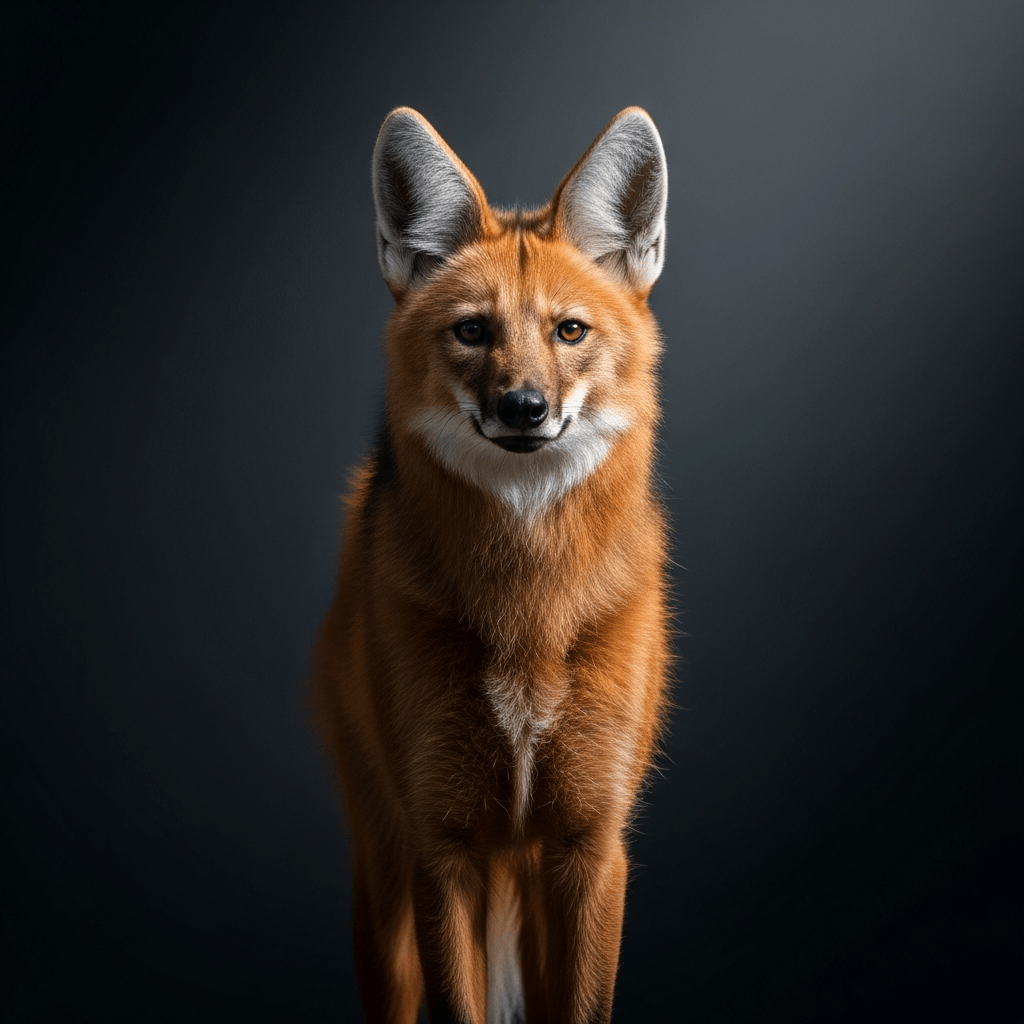
The Maned Wolf (Chrysocyon brachyurus) is the largest canid native to South America, known for its striking long legs, reddish coat, and distinctive black mane, occupying open and semi-open habitats such as grasslands and scrub forests.
The Maned Wolf (Chrysocyon brachyurus) is the largest canid native to South America, known for its striking long legs, reddish coat, and distinctive black mane, occupying open and semi-open habitats such as grasslands and scrub forests.
First scientifically described by Johann Karl Wilhelm Illiger in 1815, the Maned Wolf's lineage is unique within the canine family. It stands alone as the only living species in the genus Chrysocyon, with fossil evidence tracing its presence in South America back to the Pleistocene epoch.
The Maned Wolf belongs to the family Canidae and is the sole extant member of the genus Chrysocyon. Unlike true wolves or foxes, it occupies a distinct evolutionary branch within canines, with no close living relatives or recognized subspecies.
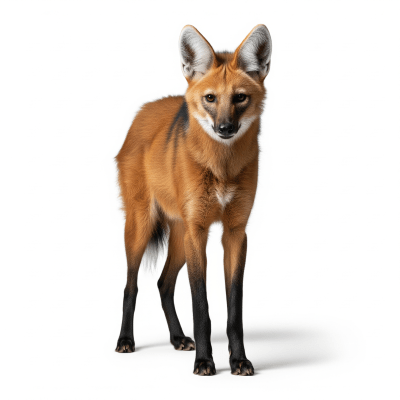
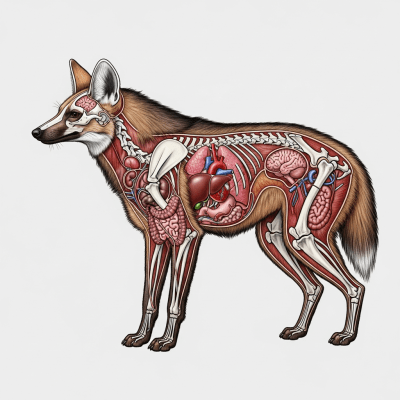
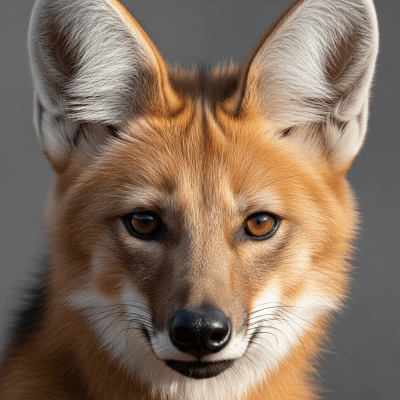
Standing about 90 cm at the shoulder and weighing between 20 to 34 kg, the Maned Wolf is notable for its exceptionally long, slender legs adapted to see above tall grasses. Its reddish-orange fur contrasts with black markings on its legs and a prominent black mane along the neck. It has a fox-like face, large ears, and distinctive white markings on the throat and tail tip.
The Maned Wolf is a solitary and crepuscular animal, active mainly during dawn and dusk. It marks its territory with a strong-smelling urine. Its omnivorous diet includes fruits—especially the lobeira or 'wolf apple'—as well as small mammals, birds, and insects. It plays a vital ecological role in seed dispersal and maintaining the balance of its grassland habitat.
Bring this kind into your world illustrated posters, mugs, and shirts.
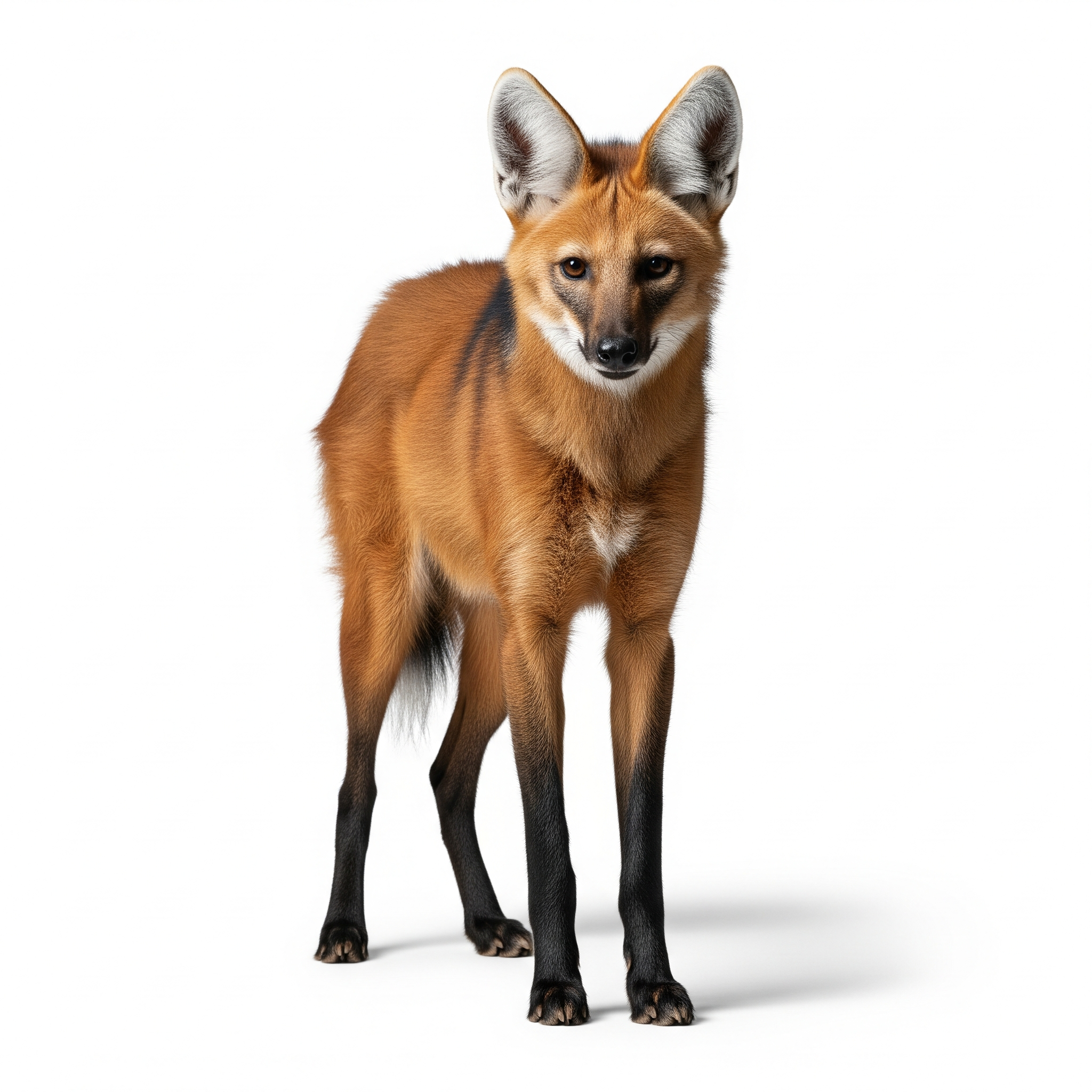
Archival print, museum-grade paper
Buy Poster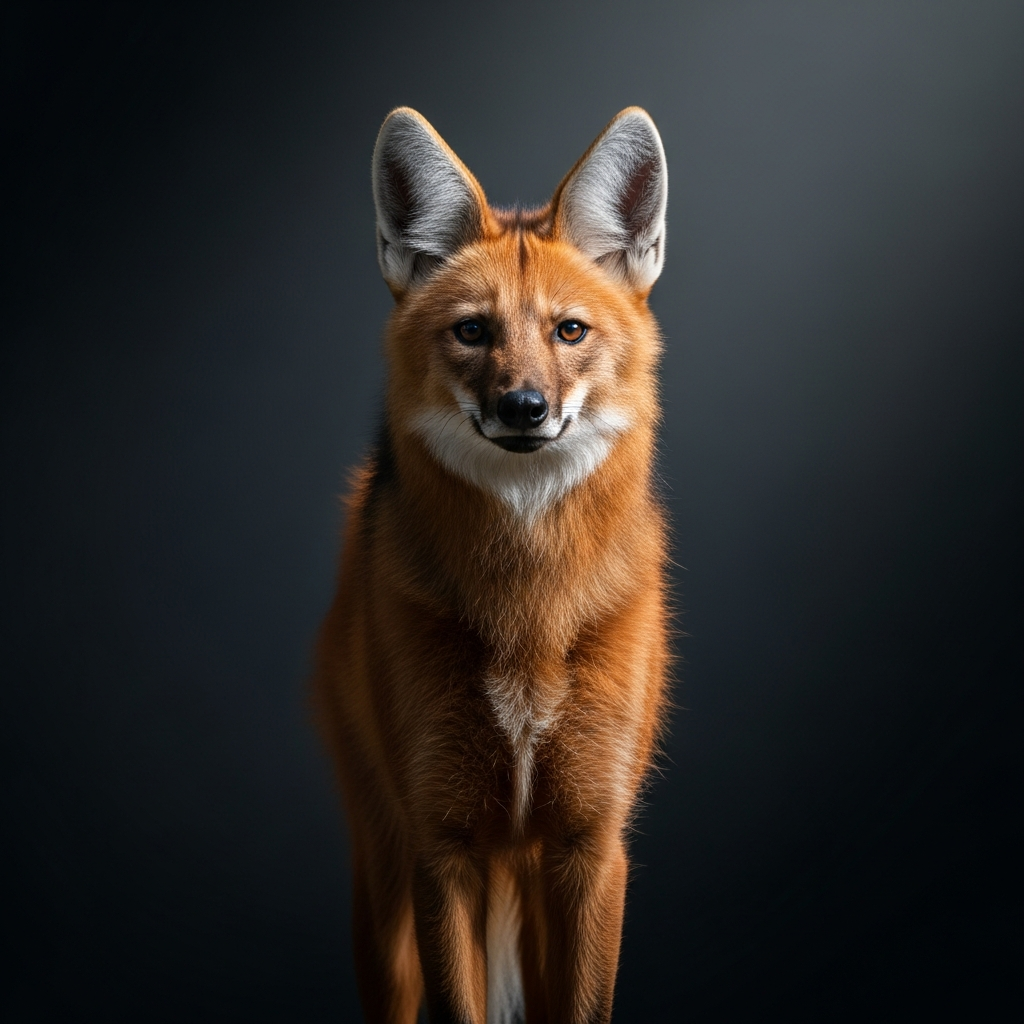
Stoneware mug, dishwasher safe
Buy Mug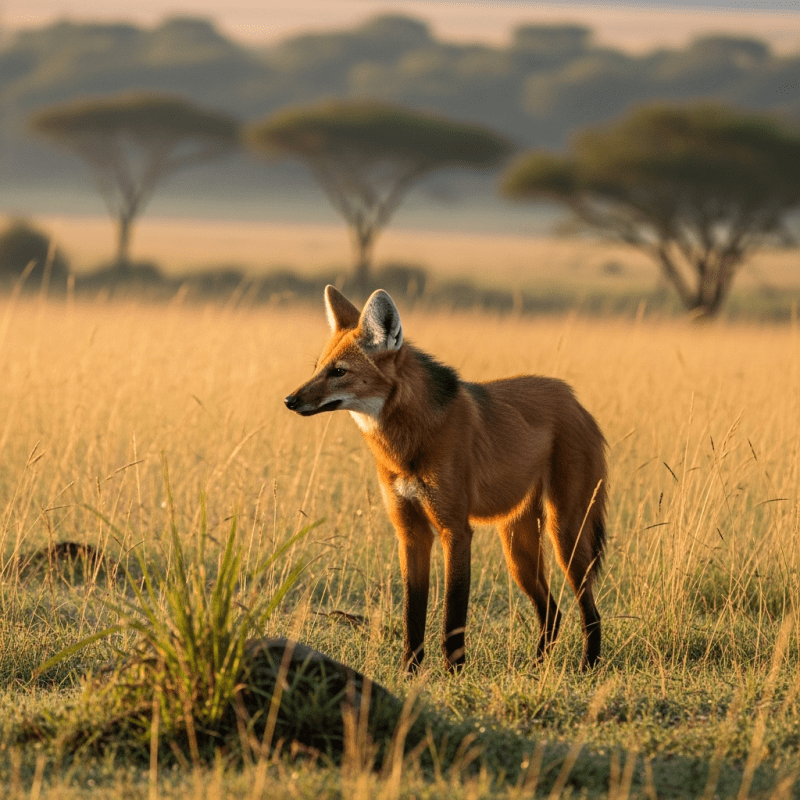
Soft cotton tee, unisex sizes
Buy ShirtWhile the Maned Wolf has no direct commercial or culinary use, it holds a place in local folklore across its range. Some cultures attribute medicinal or magical properties to its body parts, though such practices are rare and discouraged by conservation efforts. Its unique appearance has earned it nicknames like the "fox on stilts," highlighting its cultural recognition.
The Maned Wolf has no recognized breeds or subspecies. Its unique evolutionary status as the sole species in the genus Chrysocyon means it exists without distinct varieties or domestic breeds.
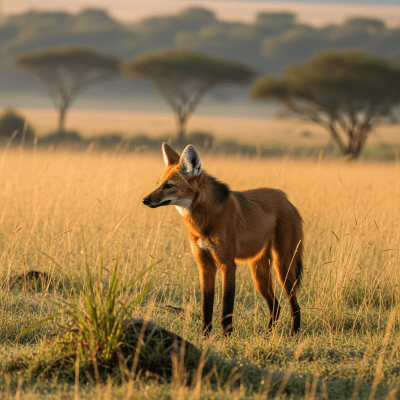



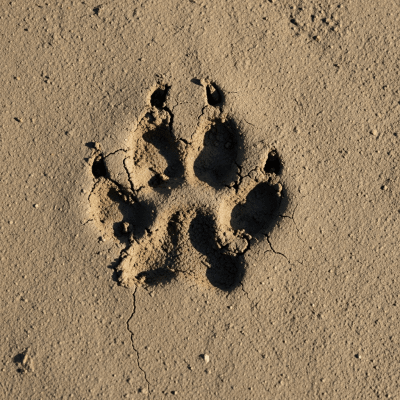
Native to central South America, the Maned Wolf inhabits open and semi-open environments such as grasslands, savannas, and scrub forests. Its range includes parts of Brazil, Paraguay, Argentina, Bolivia, and Peru. It has not been introduced outside its natural range and is adapted to these specific ecosystems.
In the wild, the Maned Wolf faces threats from habitat loss and fragmentation but has no widely documented species-specific health issues. In captivity, care focuses on providing a diet that reflects its omnivorous nature and maintaining environments that allow for natural behaviors. Conservation programs emphasize minimizing human impact and disease transmission.
The Maned Wolf is naturally solitary and shy, making training uncommon and challenging. It is crepuscular, with behaviors centered on territorial marking and foraging. In captivity, enrichment focuses on stimulating natural hunting and foraging instincts rather than formal training.
The Maned Wolf is currently considered a species of conservation concern due to habitat loss and fragmentation across its range. It is legally protected in many countries, with ongoing efforts to preserve its natural habitats and reduce human-wildlife conflict. Conservation initiatives also focus on research, habitat restoration, and public education to ensure its survival.