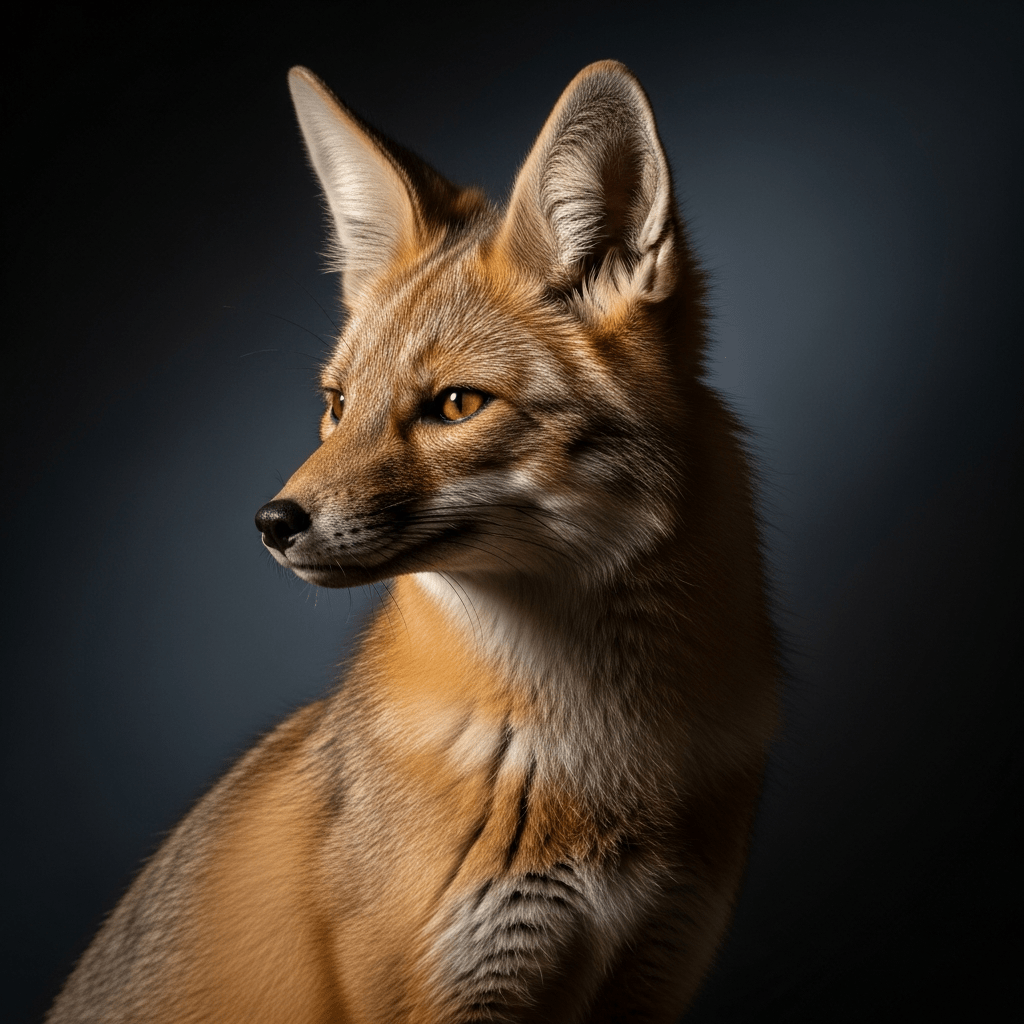
Kit Fox
The Kit Fox (Vulpes macrotis) is a small, desert-adapted member of the dog family, renowned for its oversized ears and nocturnal lifestyle in the arid landscapes of southwestern North America.
The Kit Fox (Vulpes macrotis) is a small, desert-adapted member of the dog family, renowned for its oversized ears and nocturnal lifestyle in the arid landscapes of southwestern North America.
First described in 1851 by naturalists John James Audubon and John Bachman, the Kit Fox traces its lineage to the genus Vulpes, sharing ancestry with other North American foxes such as the Swift Fox. Evolving in the harsh deserts and semi-arid regions, Kit Foxes have remained wild, with no recognized domesticated breeds or intentional crosses. Their origin story is one of adaptation: shaped by the challenges of heat, drought, and sparse cover, these foxes have become emblematic of survival in North America's southwestern deserts.
The Kit Fox belongs to the family Canidae, which encompasses all canines including wolves, jackals, and domestic dogs. Its scientific classification is Family: Canidae; Genus: Vulpes; Species: Vulpes macrotis. As a 'true fox,' it is part of a lineage distinct from other canids, and is closely related to the Swift Fox (Vulpes velox). Taxonomic debates have occasionally split Kit Fox populations into subspecies, but genetic studies suggest limited differentiation.
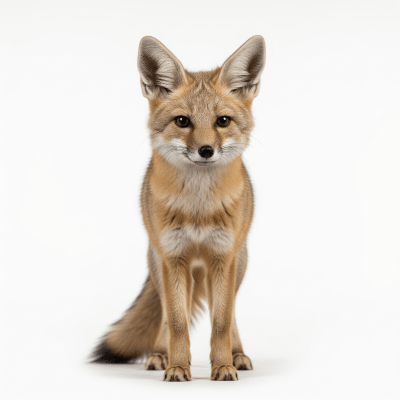
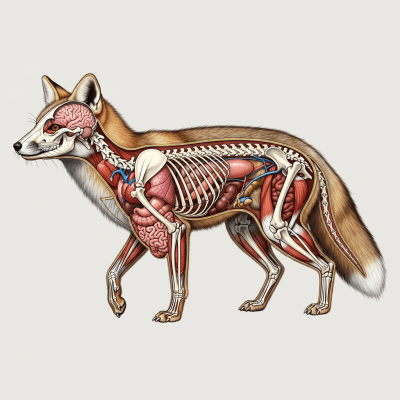
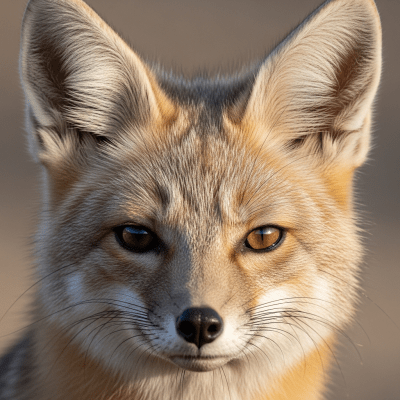
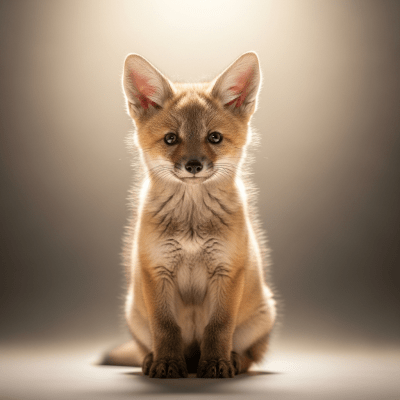
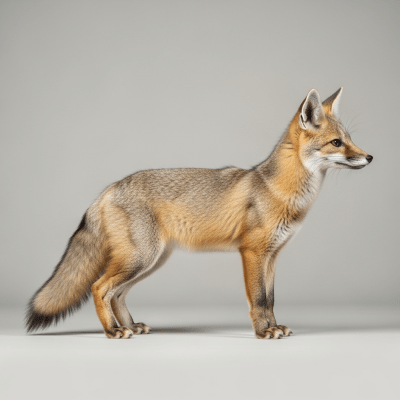
Kit Foxes are among the smallest North American canids, with adults weighing between 1.6 and 2.7 kilograms and measuring 38–50 centimeters in body length. Their fur is pale gray to buff, with lighter underparts and a signature black-tipped bushy tail. Most striking are their large, pointed ears, which not only give them a distinctive look but also help dissipate heat and enhance their acute sense of hearing. Their slender bodies and delicate features are perfectly suited for navigating open, sandy terrain and escaping predators.
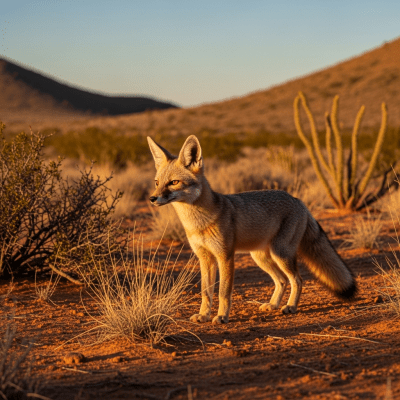
Primarily nocturnal, Kit Foxes spend daylight hours sheltered in dens to avoid desert heat. They are opportunistic feeders, hunting small mammals such as rodents and rabbits, as well as insects and occasional fruits. Socially, Kit Foxes are solitary or live in small family groups, often reusing and expanding their dens over generations. Their ecological function is vital: they help control rodent populations and serve as indicators of ecosystem health. Human interaction is minimal, with Kit Foxes observed mainly for wildlife tourism and ecological research.
Bring this kind into your world illustrated posters, mugs, and shirts.
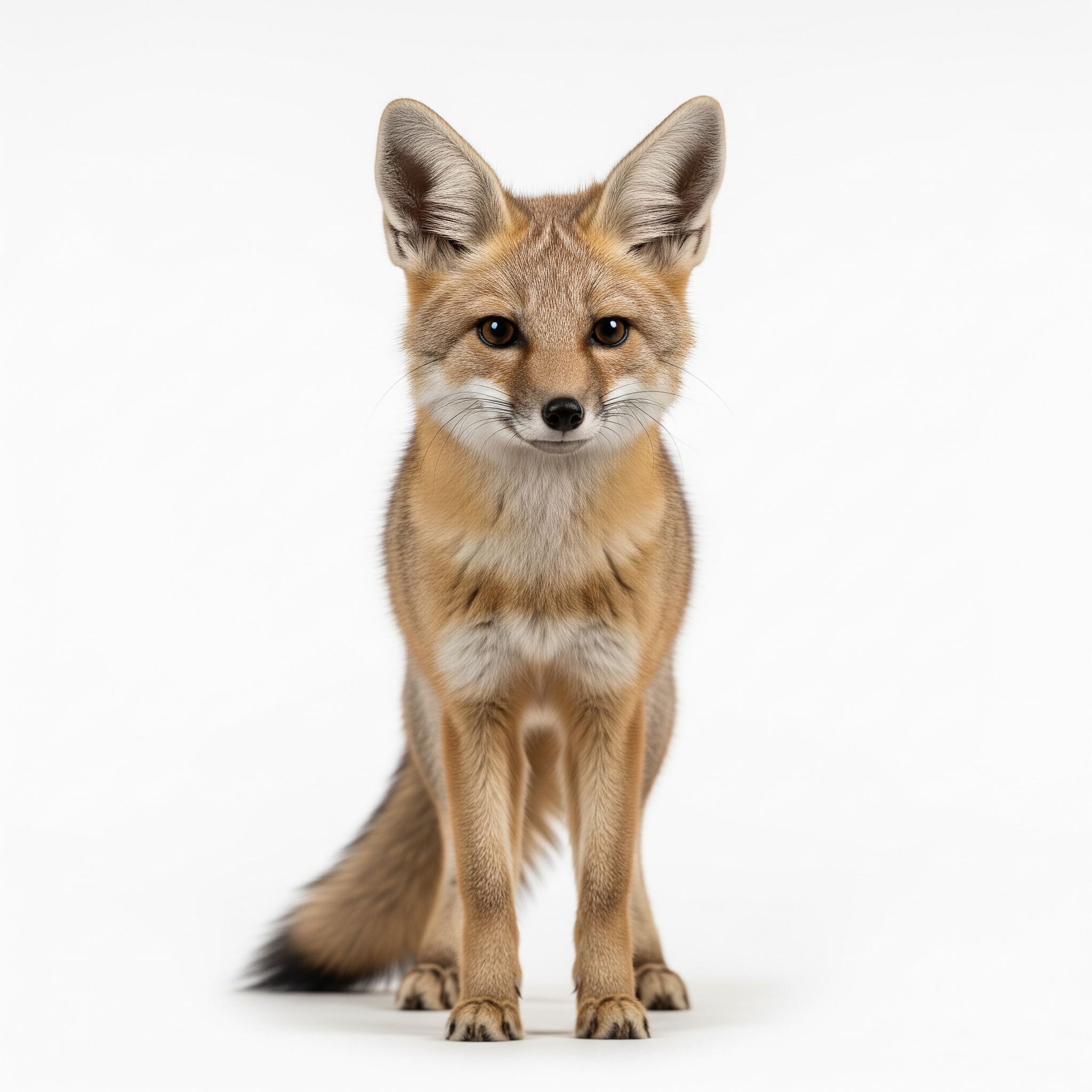
Archival print, museum-grade paper
Buy Poster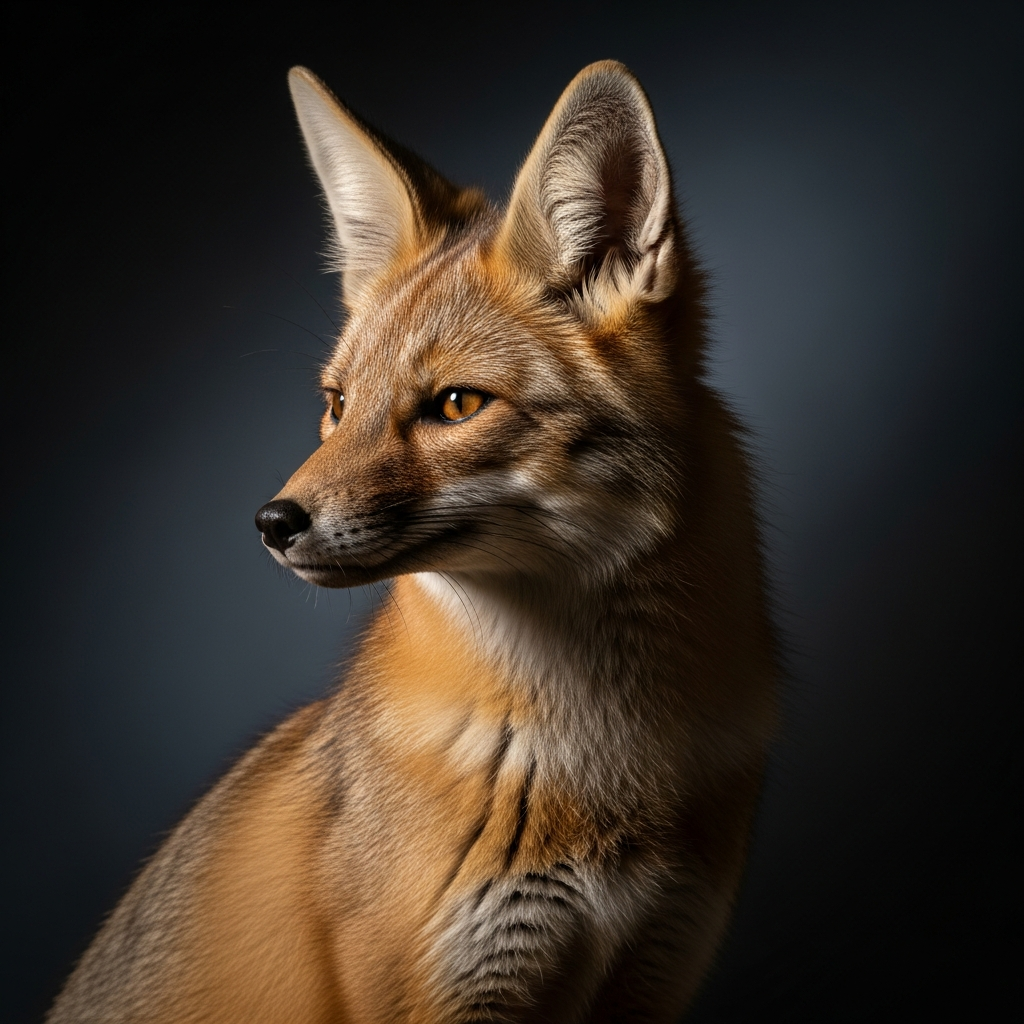
Stoneware mug, dishwasher safe
Buy Mug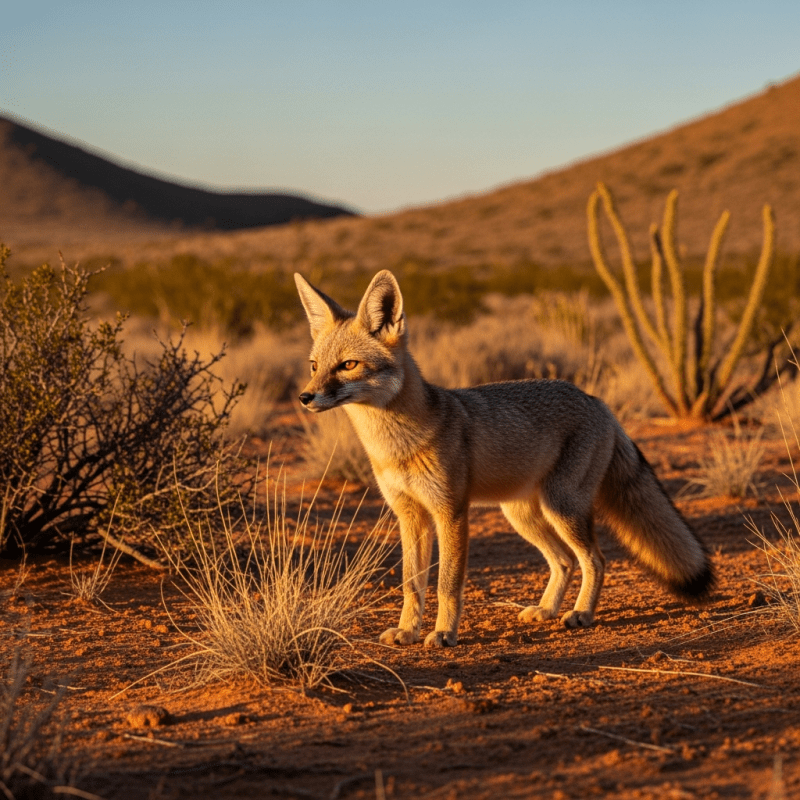
Soft cotton tee, unisex sizes
Buy ShirtWhile not as prominent in folklore as wolves or domestic dogs, the Kit Fox holds symbolic value as a creature of resilience and adaptation in desert cultures. Its elusive nature and distinctive appearance have inspired local stories and conservation efforts, particularly in regions where its presence signals the health of fragile desert ecosystems. Occasionally, the Kit Fox features in wildlife art and educational programs, highlighting the importance of biodiversity in arid lands.
Unlike domestic dogs, Kit Foxes have never been domesticated. The broader Canidae family shows a spectrum from wild species like wolves and foxes to fully domesticated dogs. Evolutionarily, Kit Foxes diverged within the genus Vulpes, adapting to desert life with specialized traits such as nocturnality and efficient water use. Their evolutionary path reflects natural selection for survival in harsh, arid environments, with no significant human-driven changes.
Wild canines like the Kit Fox are adapted for survival in natural habitats, displaying solitary or small-group behaviors, opportunistic feeding, and specialized traits for their environment. In contrast, domesticated dogs have been selectively bred for companionship, utility, and diverse appearances, and often rely on humans for food and shelter. Kit Foxes remain elusive, independent, and integral to their ecosystems, while domestic dogs have evolved to thrive alongside humans.
Within the genus Vulpes, the Kit Fox (Vulpes macrotis) stands out for its desert adaptations. No recognized breeds or domestic varieties exist; all Kit Foxes are wild. Regional subspecies such as the San Joaquin Kit Fox have been proposed, but genetic studies suggest minimal differentiation. The Kit Fox is closely related to the Swift Fox (Vulpes velox), and the two can overlap in range and occasionally hybridize. The Canidae family overall includes a rich diversity of species, from wolves and coyotes to many types of foxes.
Kit Foxes play a crucial role as mesopredators in desert ecosystems. By preying on rodents, rabbits, and insects, they help regulate populations and maintain ecological balance. Their dens provide shelter for other species and contribute to soil aeration. As indicators of ecosystem health, Kit Foxes are sensitive to changes in habitat quality, making their presence a valuable sign for conservationists monitoring desert environments.
In the wild, Kit Foxes face threats from habitat loss, disease, and predation. Common health concerns include exposure to canine distemper and rabies, as well as parasites. Conservation efforts focus on protecting habitats and mitigating human impacts. Unlike domestic dogs, Kit Foxes are self-sufficient and do not require human care, but their welfare depends on the preservation of healthy, undisturbed desert ecosystems.
While Kit Foxes are not individually famous, the San Joaquin Kit Fox has gained recognition as a flagship species for conservation in California's Central Valley. Its plight has inspired research, habitat restoration, and public awareness campaigns. More broadly, Kit Foxes serve as ambassadors for desert wildlife, drawing attention to the unique challenges faced by arid-region canids.
The Kit Fox as a species is not currently endangered, but certain populations, such as the San Joaquin Kit Fox, are listed as threatened due to habitat fragmentation and urban development. Conservation efforts include habitat protection, research on population genetics, and measures to reduce road mortality and disease transmission. Monitoring Kit Fox populations helps guide broader desert conservation strategies.
Regional variation among Kit Foxes has led to the identification of subspecies, most notably the San Joaquin Kit Fox (Vulpes macrotis mutica) in California. However, recent genetic studies suggest limited differentiation across their range. In some areas, Kit Foxes overlap with Swift Foxes, leading to occasional hybridization. Local adaptations are primarily reflected in denning behavior and slight differences in size and coloration, shaped by the specific conditions of their desert habitats.