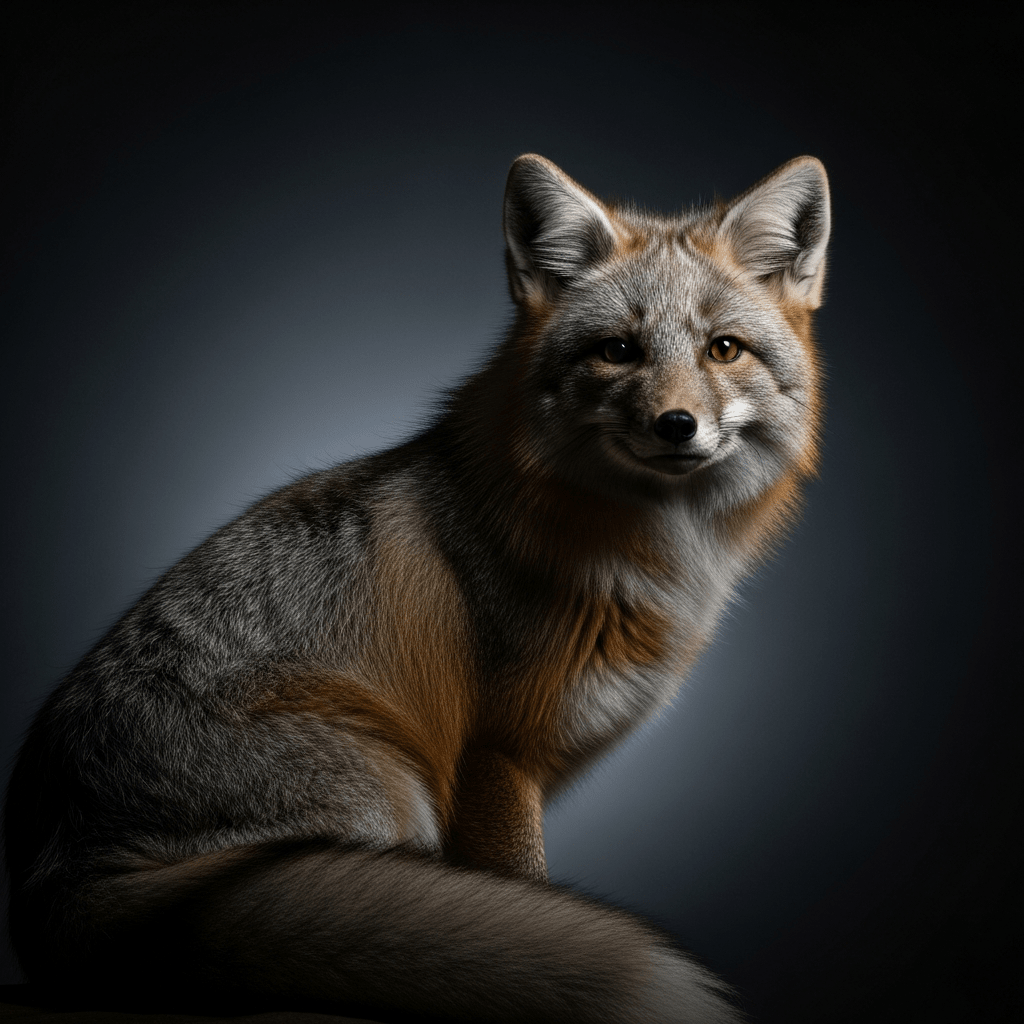
Hoary Fox
The Hoary Fox (Lycalopex vetulus) is a small, pale-coated canid native to central Brazil, renowned for its insect-based diet and unique adaptation to the open savanna ecosystem.
The Hoary Fox (Lycalopex vetulus) is a small, pale-coated canid native to central Brazil, renowned for its insect-based diet and unique adaptation to the open savanna ecosystem.
First described in 1823 by Martin Lichtenstein, the Hoary Fox is endemic to central Brazil, where it evolved in the expansive cerrado and savanna landscapes. Its lineage is rooted in the genus Lycalopex, a group of South American foxes. Genetic research confirms its evolutionary distinction from other foxes in its genus, with no recognized subspecies or breeds. Most scientific records originate from Brazilian museum collections and field observations, underscoring its regional specificity and limited global presence.
Belonging to the family Canidae, the Hoary Fox is classified under the genus Lycalopex and species Lycalopex vetulus. This places it among South American foxes, distinct from true foxes (Vulpes) and other canids such as wolves and jackals. Its taxonomic status is well-established, with historical synonyms including Dusicyon vetulus and Canis vetulus. The absence of subspecies highlights its evolutionary uniqueness within the canid family.
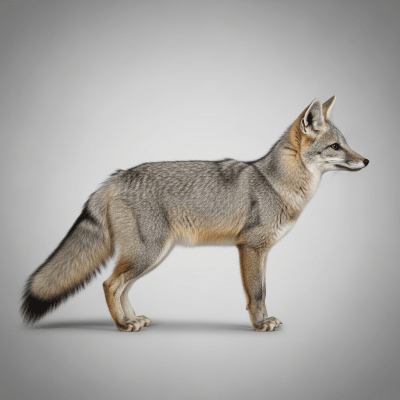
The Hoary Fox is notably small, weighing just 2–4 kg and measuring 60–70 cm in body length, complemented by a bushy tail of 25–30 cm. Its fur is a distinctive pale gray, almost hoary, with a whitish underside and striking reddish markings on the legs and ears. The overall impression is one of subtle elegance, blending seamlessly into the muted tones of the Brazilian savanna. Its compact form and coloration are key adaptations for nocturnal life and camouflage within open habitats.
Primarily nocturnal and solitary, the Hoary Fox is a master of quiet survival in the Brazilian cerrado. It feeds mostly on termites and other invertebrates, occasionally supplementing its diet with small vertebrates and fruit. Annual breeding results in litters of 2–4 pups. Unlike many canids, it has no documented interaction with humans through hunting, domestication, or trade, but plays a vital ecological role by controlling insect populations and serving as an indicator of ecosystem health.
Bring this kind into your world illustrated posters, mugs, and shirts.
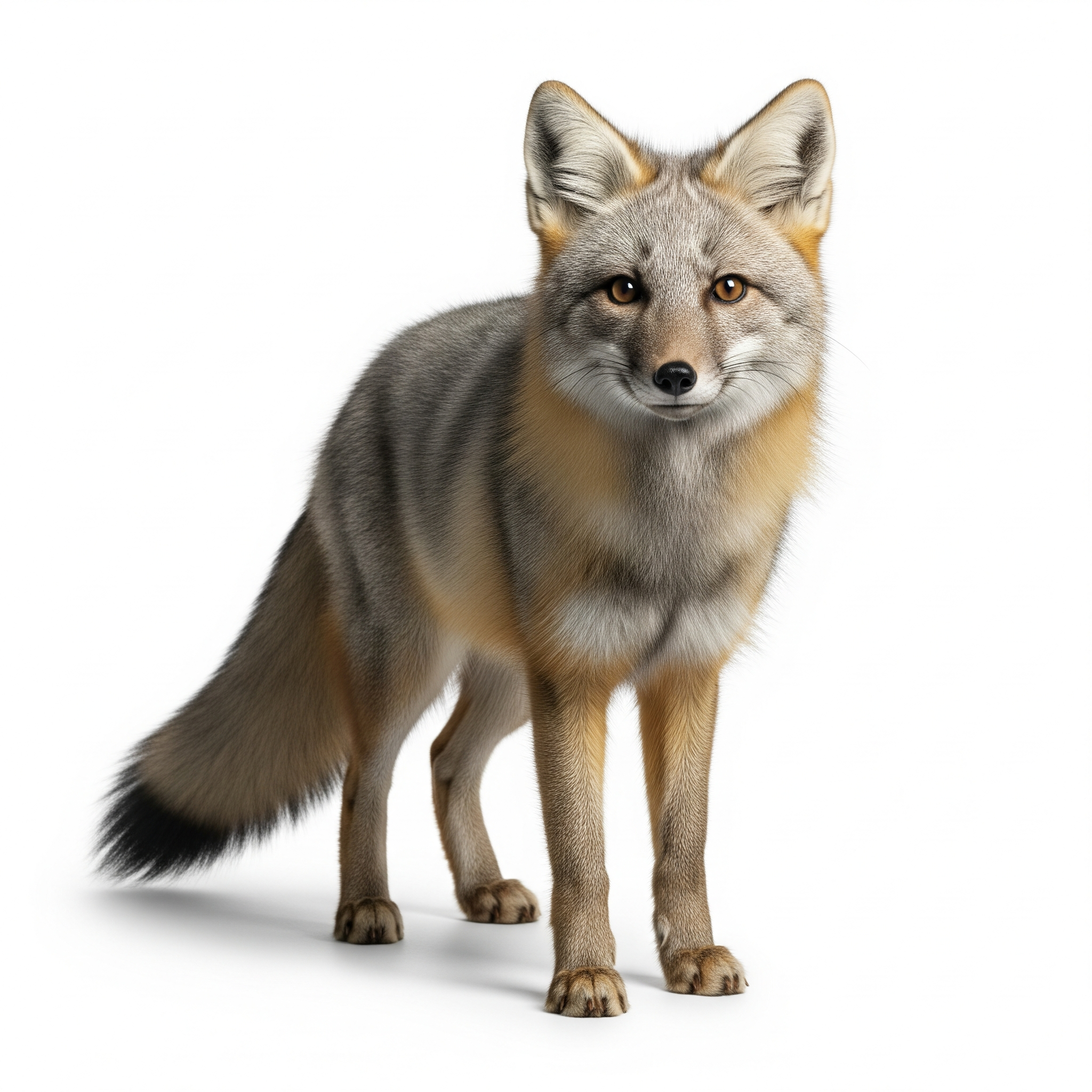
Archival print, museum-grade paper
Buy Poster
Stoneware mug, dishwasher safe
Buy Mug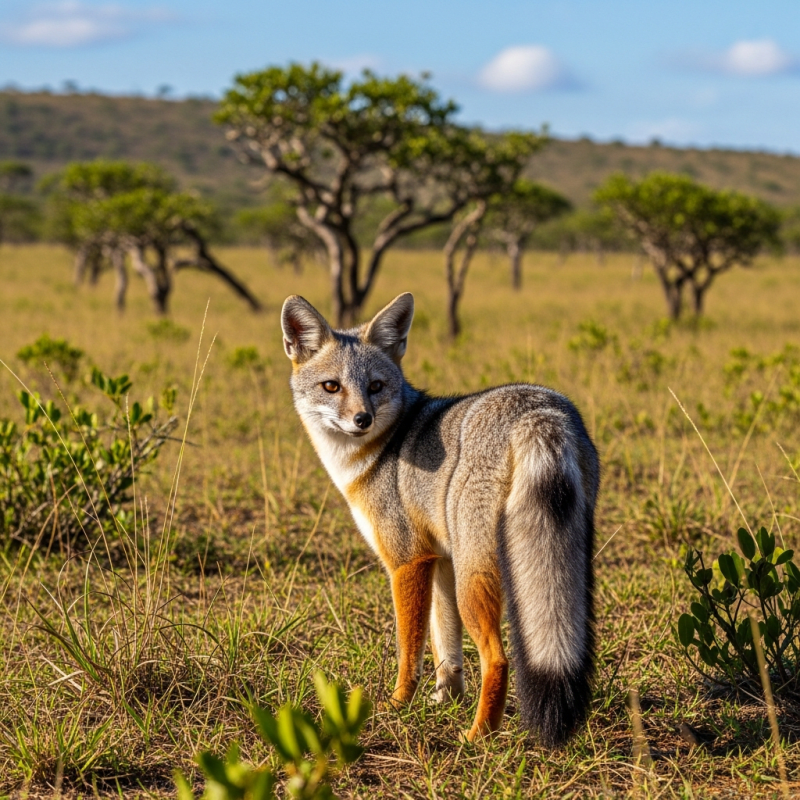
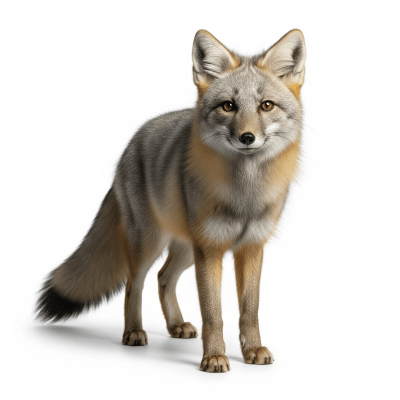
Soft cotton tee, unisex sizes
Buy ShirtWhile the Hoary Fox is not a prominent figure in global folklore or art, it does appear in local Brazilian stories and is sometimes referenced as "raposa-do-campo" or "raposa brasileira." Its understated presence in culture reflects its elusive nature and limited distribution. More broadly, its status as an indicator species for the cerrado highlights its symbolic importance in conservation and environmental awareness within its native region.
Unlike domestic dogs, the Hoary Fox has never been domesticated and remains a wild species. Canine domestication traces back thousands of years, primarily involving wolves and resulting in the vast diversity of dog breeds. The Hoary Fox’s evolutionary path diverged within the genus Lycalopex, leading to its specialized adaptations for insectivory and savanna life. Its genetic distinctiveness sets it apart from other South American foxes and highlights the varied evolutionary trajectories within the canid family.
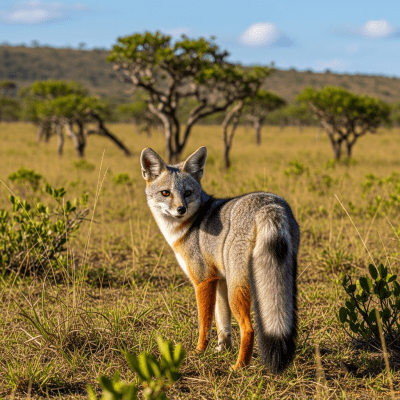
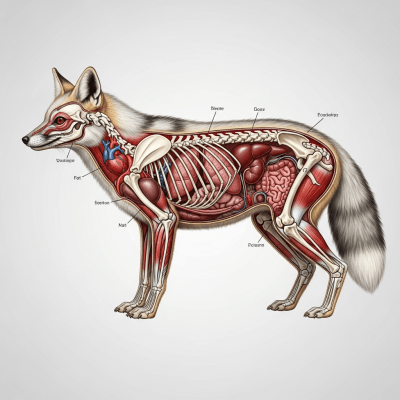
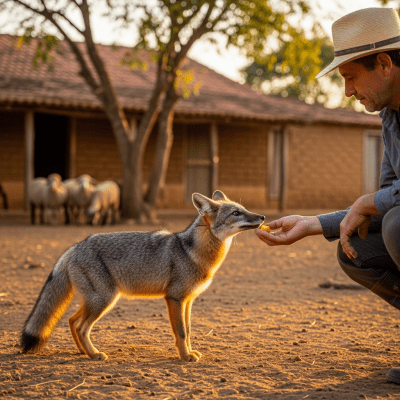
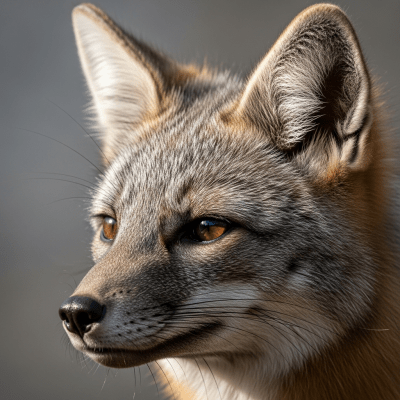

Wild canines like the Hoary Fox differ markedly from domesticated dogs in both lifestyle and traits. The Hoary Fox is solitary, nocturnal, and highly specialized for survival in open habitats, whereas domestic dogs have been bred for companionship, utility, and adaptability to human environments. Wild canids typically rely on natural food sources and self-sufficiency, while domestic breeds depend on human care and selective breeding. The Hoary Fox exemplifies the resilience and ecological specialization of wild canines.
The Hoary Fox is a distinct species within the genus Lycalopex, which includes several South American foxes such as the Pampas Fox and the Crab-eating Fox. Unlike domestic dogs, which encompass hundreds of breeds, the Hoary Fox has no recognized subspecies or breeds. Its uniqueness lies in its restricted range and specialized diet, setting it apart from other canids both regionally and globally.
As a specialized insectivore, the Hoary Fox plays a crucial role in controlling termite and invertebrate populations within the Brazilian cerrado. Its presence helps maintain ecological balance and serves as a bioindicator for the health of savanna ecosystems. By occupying a niche with minimal competition, the Hoary Fox contributes to biodiversity and the stability of its native habitat.
Little is known about specific health issues affecting the Hoary Fox, but habitat loss poses the greatest threat to its welfare. Conservation efforts focus on preserving the cerrado and mitigating human-induced changes. Unlike domestic canines, the Hoary Fox does not receive veterinary care or protection from disease, making its survival closely tied to the integrity of its environment.
While the Hoary Fox itself is not associated with famous individual animals, the broader canid family includes celebrated figures such as Laika, the first dog in space, and legendary wolves in folklore. The Hoary Fox’s understated existence highlights the diversity of canines, from globally renowned companions to elusive wild species.
The Hoary Fox is classified as Near Threatened by the IUCN due to ongoing habitat loss in central Brazil. Conservation measures emphasize habitat protection and ecological research, as its limited range and specialized diet make it vulnerable to environmental changes. Continued study and preservation of the cerrado are essential for safeguarding this unique species.
No regional variants of the Hoary Fox are recognized; it is endemic to central Brazil and found primarily in the states of Goiás, Minas Gerais, Mato Grosso, and São Paulo. Local names such as "raposa-do-campo" and "raposa brasileira" reflect its cultural ties to the region. Its adaptation to the cerrado distinguishes it from other South American foxes, but genetic and morphological uniformity prevails across its range.