Gray Wolf
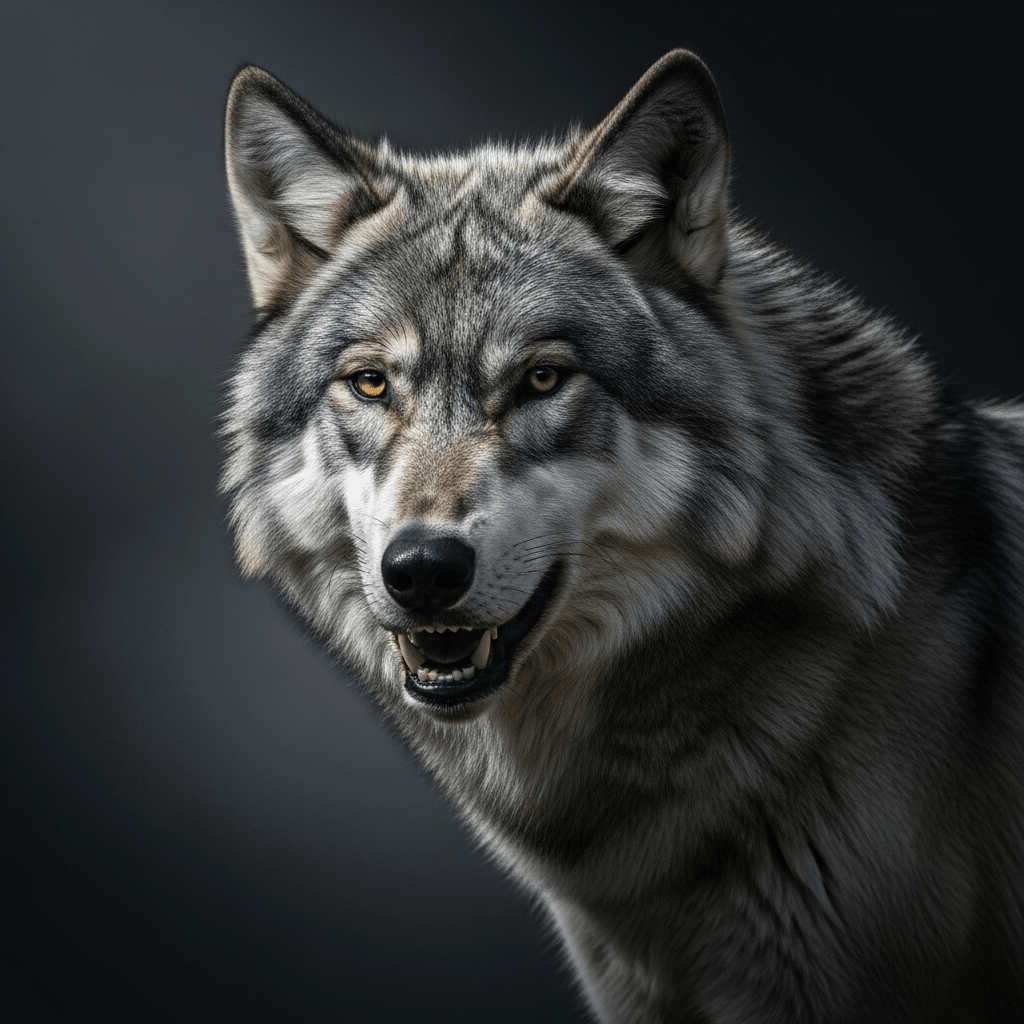
The gray wolf (Canis lupus) is the largest living member of the dog family, celebrated for its adaptability, complex social packs, and broad presence across the Northern Hemisphere.
The gray wolf (Canis lupus) is the largest living member of the dog family, celebrated for its adaptability, complex social packs, and broad presence across the Northern Hemisphere.
First described by Carl Linnaeus in 1758, the gray wolf’s lineage extends back over 300,000 years, originating in Eurasia. Its evolutionary history is traced through fossil records and genetic studies, revealing a diverse species with many subspecies shaped by regional variation and hybridization.
The gray wolf belongs to the family Canidae, genus Canis, and species Canis lupus. It is part of a broader group that includes domestic dogs, coyotes, and other wolves, with subspecies distinctions such as the Arctic wolf and Eurasian wolf reflecting its wide genetic and geographic diversity.
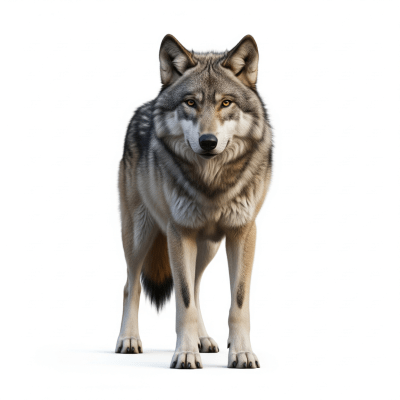
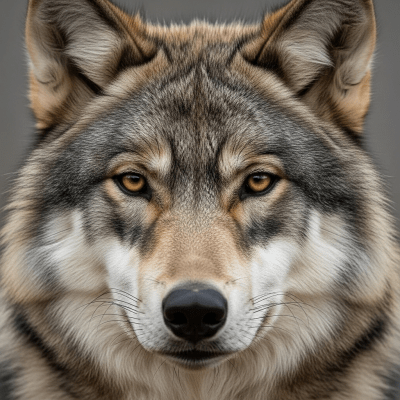
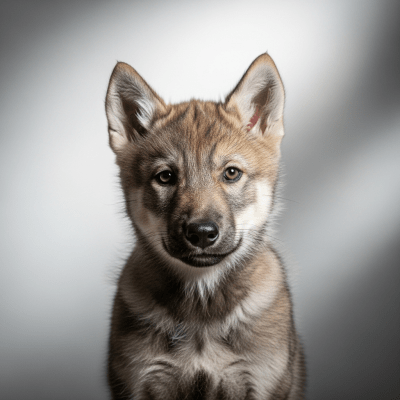
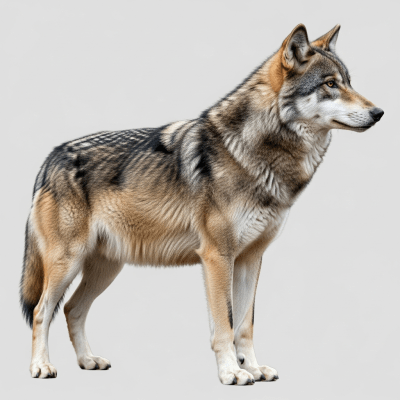
Gray wolves vary greatly in size and color, typically measuring 105–160 cm in length and standing 80–85 cm tall at the shoulder. Adults weigh between 23 and 80 kg, with males generally larger. Their coats range from white and gray to brown, black, and reddish hues, often exhibiting a grizzled texture. Adapted for cold climates, their dense underfur and guard hairs provide insulation.
Highly social animals, gray wolves live in packs led by an alpha pair and engage in cooperative hunting strategies primarily targeting ungulates. Their diet also includes smaller mammals and carrion. While not domesticated for direct human use, they play a crucial ecological role as apex predators, maintaining balance in their ecosystems.
Bring this kind into your world illustrated posters, mugs, and shirts.
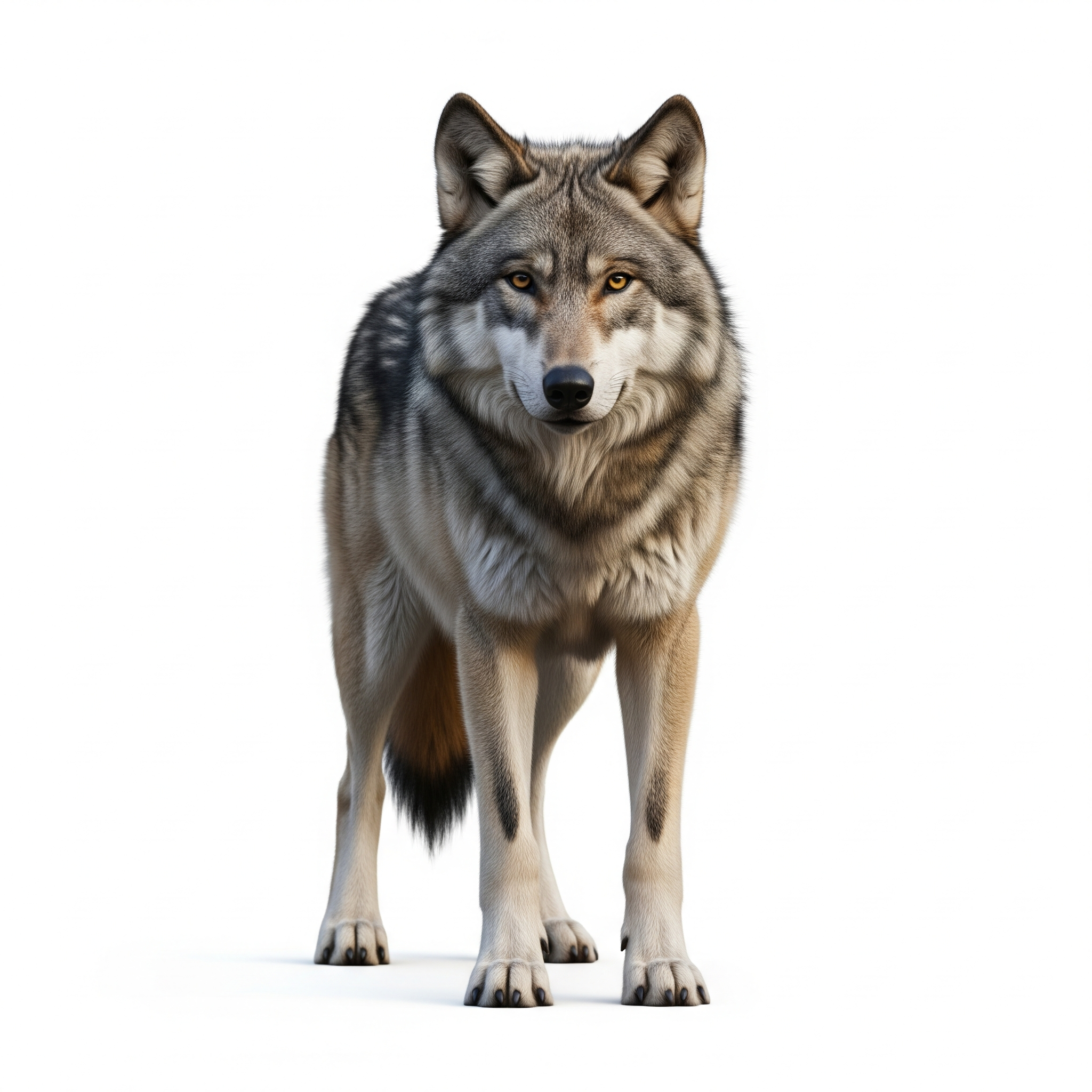
Archival print, museum-grade paper
Buy Poster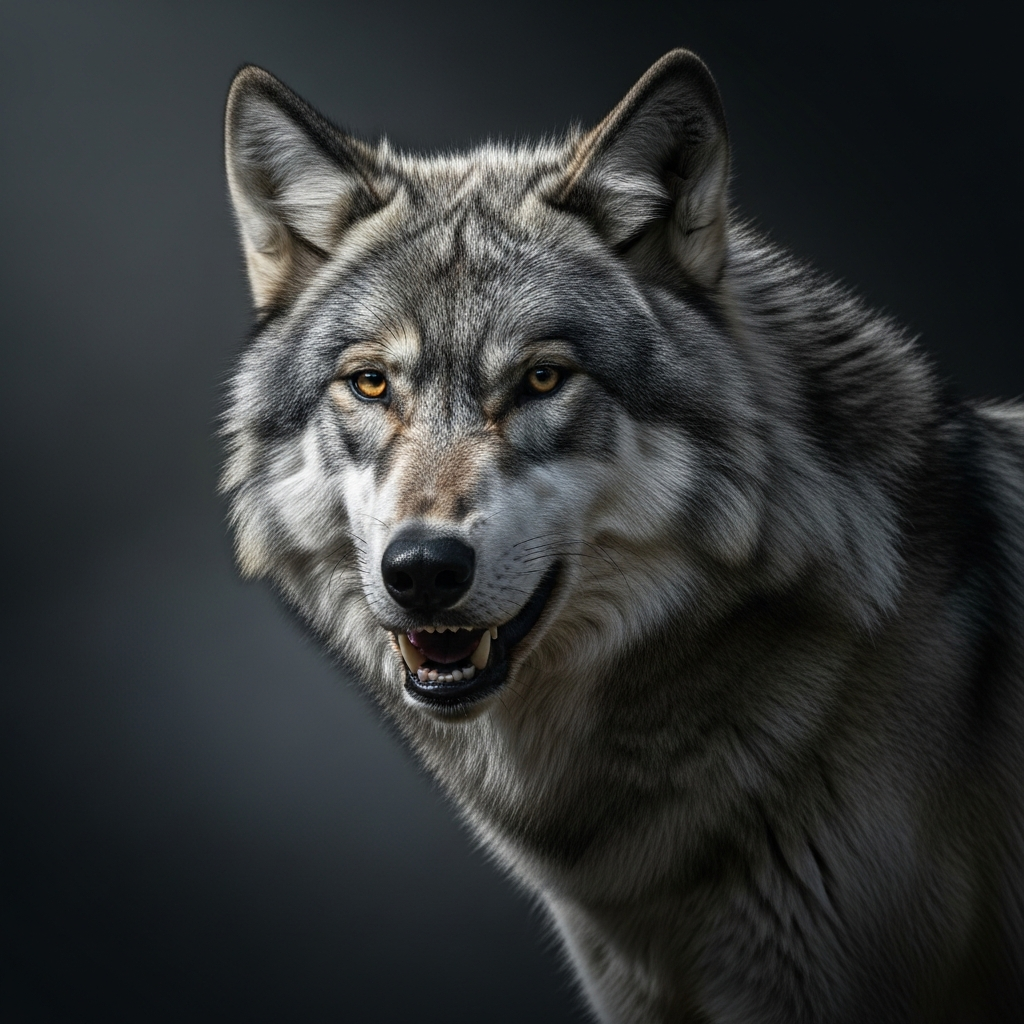
Stoneware mug, dishwasher safe
Buy Mug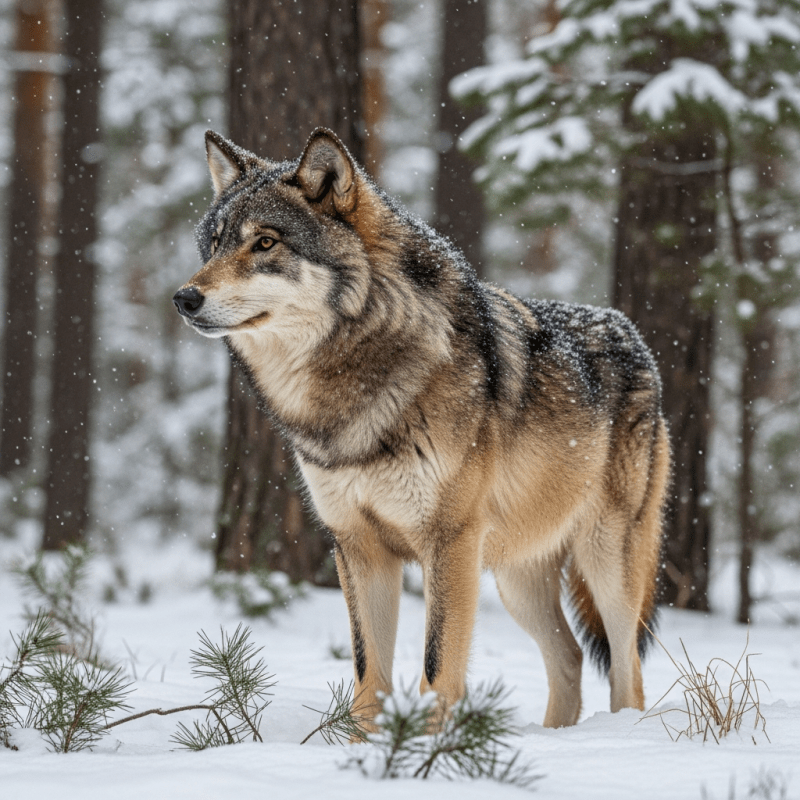
Soft cotton tee, unisex sizes
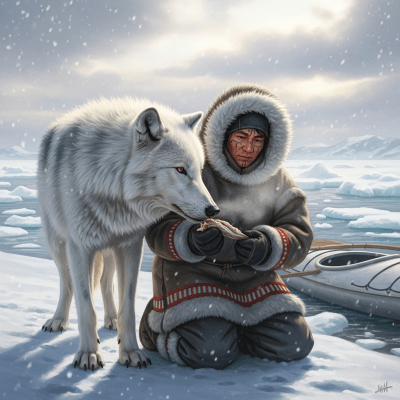
Buy ShirtGray wolves have long held a powerful place in human culture, symbolizing wilderness, strength, and mystery. They appear in folklore, mythology, and modern ecotourism, often embodying national identity or spiritual significance. Historically, their pelts were traded, and they were sometimes hunted for ritual or protection of livestock.
The gray wolf includes several recognized subspecies such as the Arctic wolf (Canis lupus arctos), Eurasian wolf (Canis lupus lupus), and Mexican wolf (Canis lupus baileyi). Each subspecies exhibits adaptations to their local environments, with variations in size, coat color, and behavior. Taxonomic boundaries remain under scientific review due to ongoing hybridization and genetic studies.
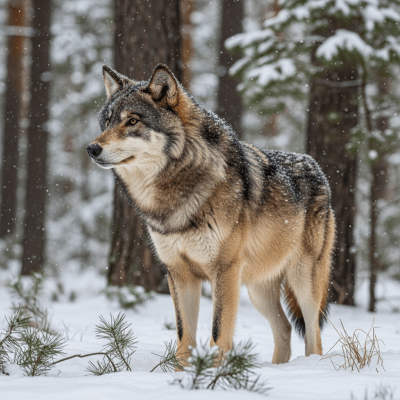
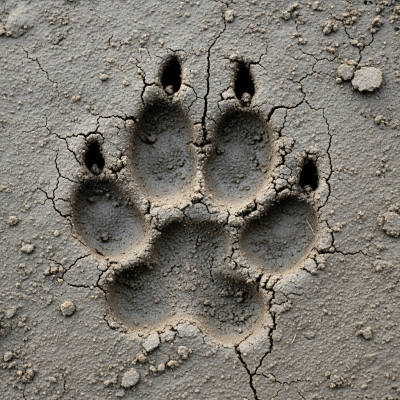
Gray wolves inhabit a wide range of environments across the Northern Hemisphere, including forests, tundras, mountains, and grasslands. Their natural range spans North America, Europe, and Asia. Human activity has influenced their distribution through habitat loss and reintroduction efforts, with some populations recovering due to conservation measures.
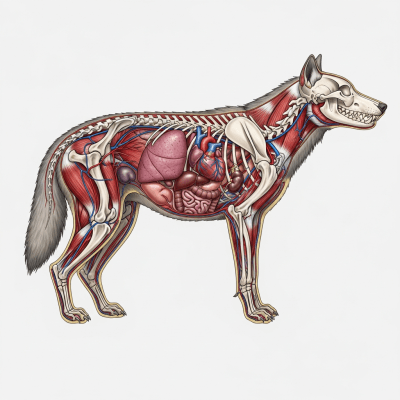
In the wild, gray wolves face threats from diseases such as rabies and canine distemper. Their robust physiology and dense fur help them endure harsh climates, but human-related challenges include habitat fragmentation and conflict. Conservation efforts focus on monitoring health and reducing human-wildlife conflicts rather than direct care.
Gray wolves exhibit complex social behaviors, including pack hierarchy led by an alpha pair and cooperative hunting tactics. While not domesticated or trained by humans, their intelligence and social structure have been studied extensively to understand canine behavior and the origins of domestic dog traits.
The gray wolf is currently classified as Least Concern globally, though some subspecies face localized threats. Conservation efforts include legal protection, habitat restoration, and reintroduction programs. Wolves play a vital role in ecosystem health, and ongoing monitoring aims to balance human interests with species survival.