Gray Fox
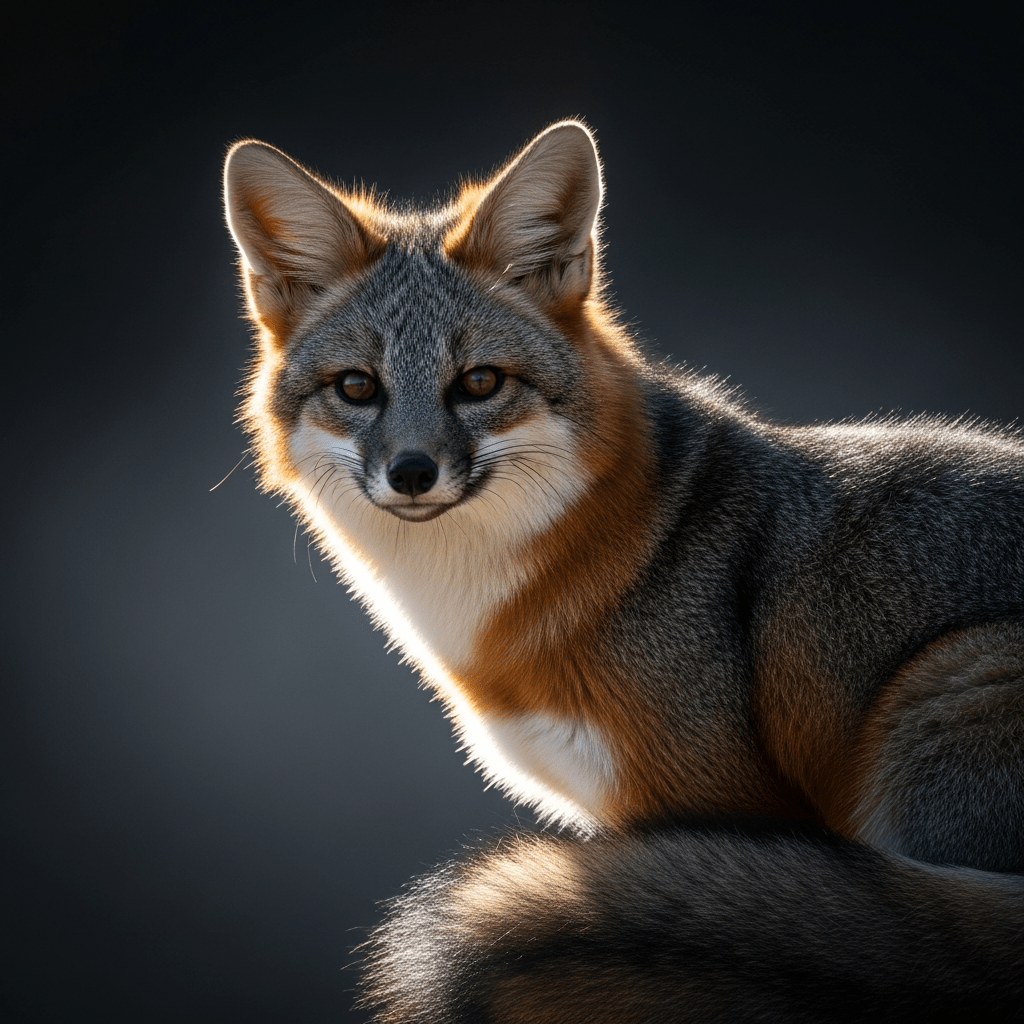
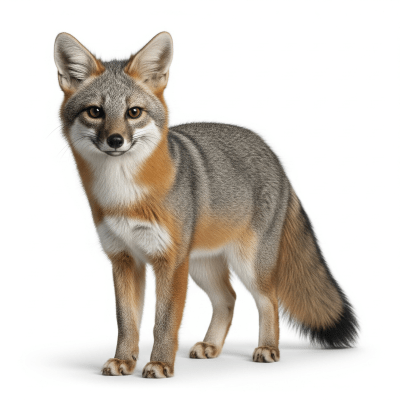
The Gray Fox (Urocyon cinereoargenteus) is a medium-sized North and Central American canid, instantly recognized for its grizzled gray fur, bushy black-tipped tail, and rare tree-climbing ability among canines.
The Gray Fox (Urocyon cinereoargenteus) is a medium-sized North and Central American canid, instantly recognized for its grizzled gray fur, bushy black-tipped tail, and rare tree-climbing ability among canines.
First described in 1775 by Johann Christian Daniel von Schreber, the gray fox traces its lineage to one of the oldest branches within the dog family. The genus Urocyon diverged from other canids over 10 million years ago, making the gray fox a living representative of a basal canid lineage. Unlike many relatives, the gray fox has never been domesticated or selectively bred; all known populations remain wild, thriving across forests, scrublands, and semi-urban environments throughout North and Central America.
The gray fox belongs to the family Canidae, within the genus Urocyon and species Urocyon cinereoargenteus. As a member of a distinct and ancient genus, it stands apart from other North American canids such as wolves and coyotes, which are classified under Canis. No formal subspecies are recognized, though regional variants exist. Its evolutionary position is considered basal, reflecting an early divergence within the canid family tree.
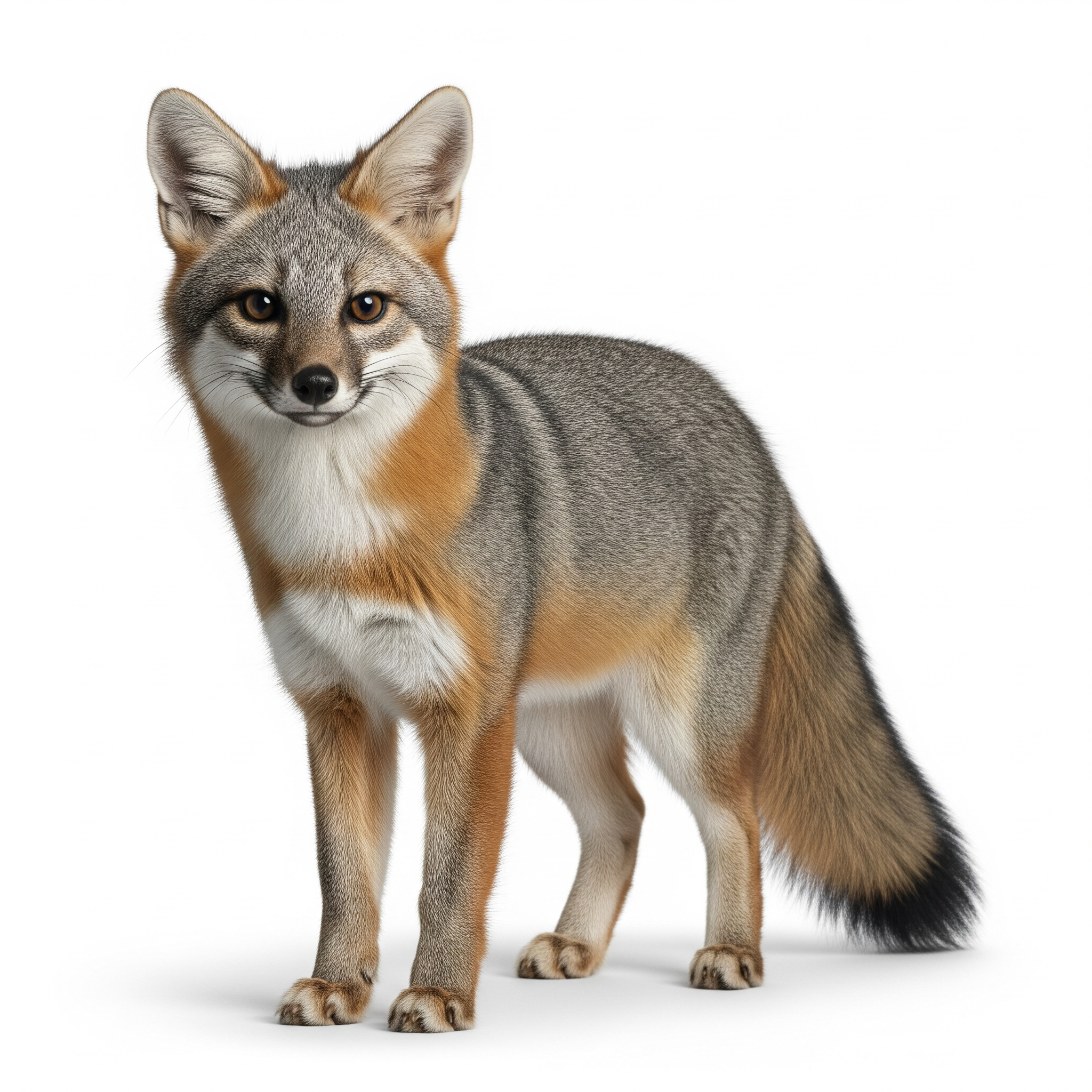
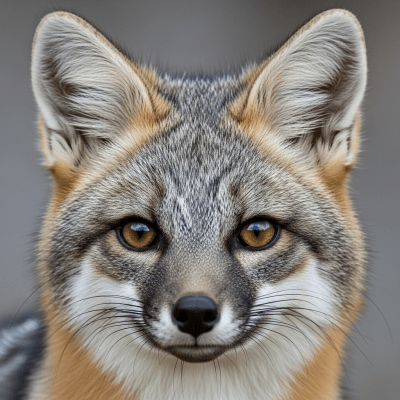
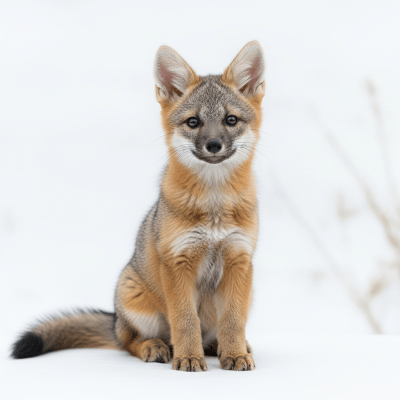
The gray fox is characterized by a salt-and-pepper gray coat, accented with reddish-brown fur along its sides, legs, and chest. Its bushy tail sports a bold black stripe and tip, and its broad skull with a short rostrum gives it a distinctive profile. Measuring 76–112 cm in length and weighing 3.6–7 kg, the gray fox is compact yet agile. Its semi-retractable claws and muscular forelimbs allow it to climb trees—a rare feat among canids—while its keen senses and agile movements suit both terrestrial and arboreal habitats.
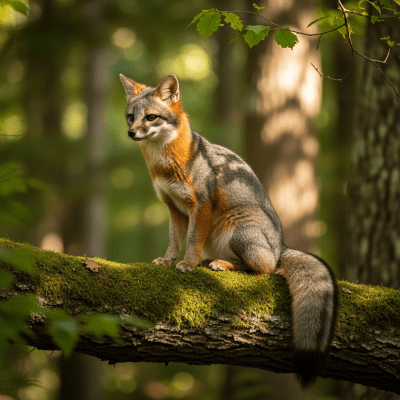
Gray foxes are solitary or form monogamous pairs, denning in hollow trees, rock crevices, or burrows. Their omnivorous diet includes small mammals, birds, insects, fruits, and plants, reflecting remarkable adaptability. Unlike most canids, they routinely climb trees to escape predators or search for food. Gray foxes play a dual ecological role as both predator and scavenger, helping control rodent populations and recycle organic matter. They are highly adaptable to human-altered landscapes, though susceptible to diseases like rabies and canine distemper.
Bring this kind into your world illustrated posters, mugs, and shirts.
Archival print, museum-grade paper
Buy Poster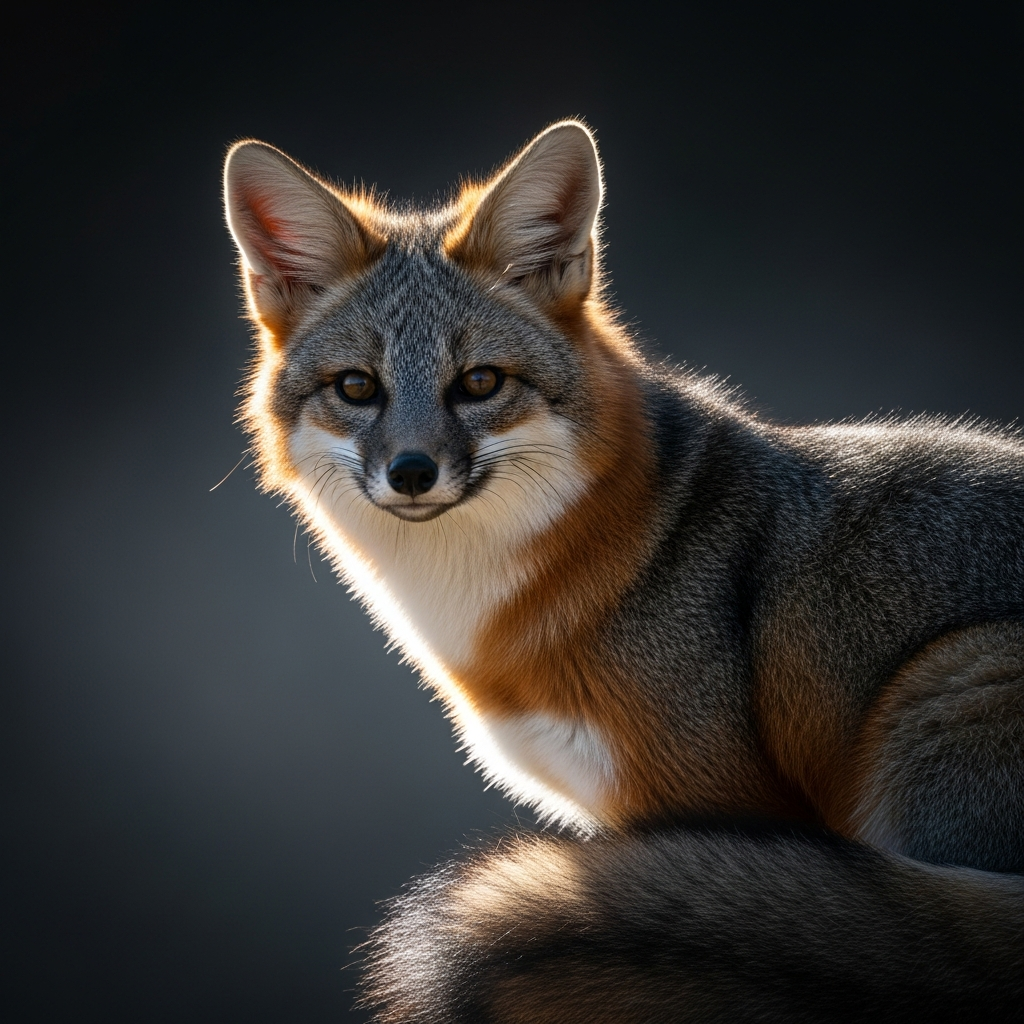
Stoneware mug, dishwasher safe
Buy Mug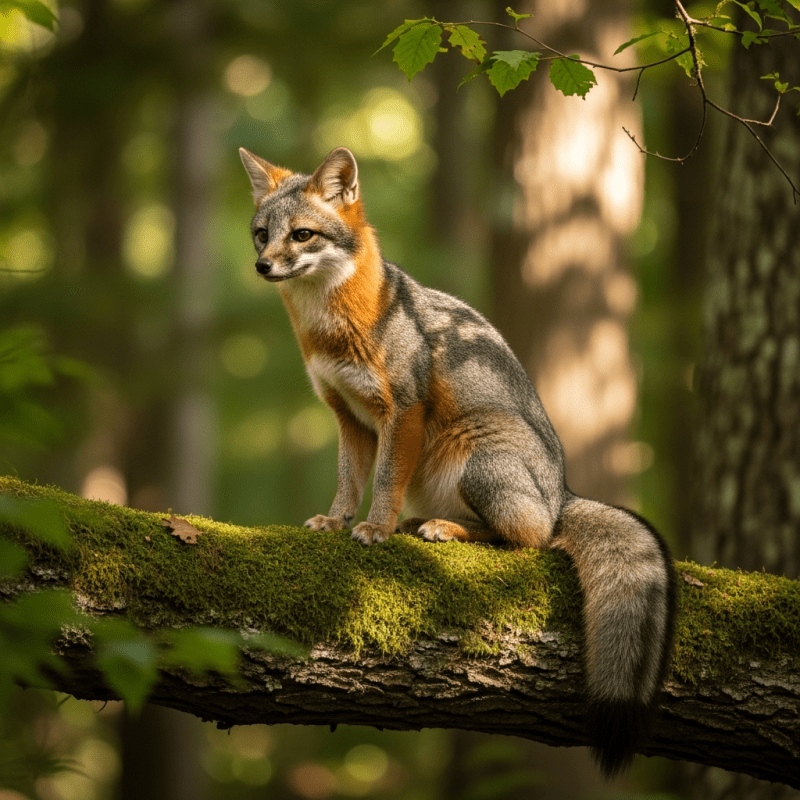
Soft cotton tee, unisex sizes
Buy ShirtWhile not as prominent in folklore as the red fox or wolf, the gray fox holds a modest place in indigenous North American stories, often symbolizing cleverness and adaptability. Its pelts have featured in the fur trade, though less commonly than those of other canids. In some regions, the gray fox is known as the "tree fox," a nod to its unique climbing ability, which has inspired local legends and names. Its presence in natural landscapes continues to shape regional identity and ecological awareness.
Canine domestication traces back tens of thousands of years, with the domestic dog evolving from ancestral wolves through selective breeding. The gray fox, however, represents a lineage that split from other canids over 10 million years ago and has never been domesticated. Its evolutionary history is distinct, preserving traits from early canids and offering insight into the ancient diversification of the dog family.


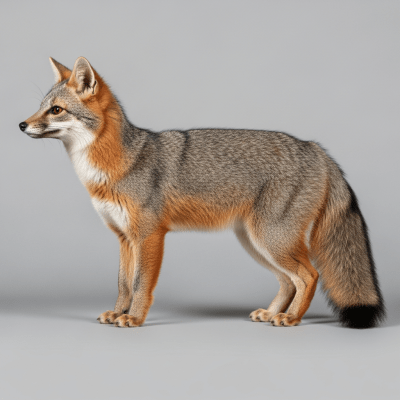
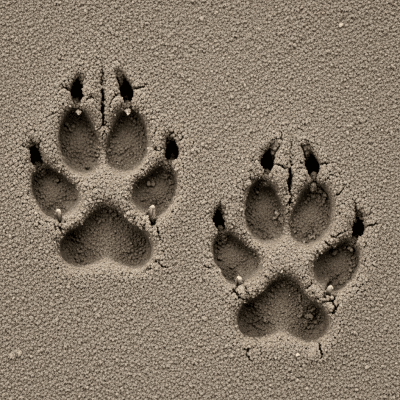
Wild canines like the gray fox live independently, relying on instinct, adaptability, and natural habitats for survival. They display solitary or pair-based social structures, hunt and scavenge for varied diets, and avoid human contact. In contrast, domesticated dogs have evolved alongside humans, exhibiting a wide range of breeds, behaviors, and dependencies. The gray fox’s arboreal skills and solitary habits set it apart from both domestic dogs and other wild canids.
The canid family encompasses diverse genera and species, including wolves (Canis lupus), coyotes (Canis latrans), red foxes (Vulpes vulpes), and the gray fox (Urocyon cinereoargenteus). The gray fox is notable for its ancient lineage and unique climbing ability. While regional forms like the California and Texas gray fox exist, no formal subspecies are recognized. Its closest relative is the island fox (Urocyon littoralis), found on California’s Channel Islands.
Gray foxes are vital components of their ecosystems, acting as both predators and scavengers. They help control populations of rodents and insects, disperse seeds through fruit consumption, and recycle organic matter. Their adaptability allows them to thrive in varied habitats, from dense forests to urban edges, maintaining ecological balance and supporting biodiversity.
Gray foxes are generally robust, but they face threats from diseases such as rabies and canine distemper. Their adaptability to human-altered landscapes can expose them to new risks, including habitat loss and vehicle collisions. As wild animals, they do not require human care, but conservation efforts focus on monitoring populations and minimizing disease transmission.
While the gray fox is not widely known for individual fame, its species has inspired local legends and is occasionally featured in indigenous folklore, often as a symbol of cleverness and adaptability. Its unique tree-climbing behavior has earned it the nickname "tree fox" in various regions, adding to its quiet renown among North American wildlife.
The gray fox is currently classified as "Least Concern" by the IUCN Red List, with stable populations across its range. It faces localized threats from habitat fragmentation, disease, and hunting for fur, but its adaptability has helped it persist in many environments. Conservation efforts focus on habitat protection and disease management to ensure long-term survival.
Regional variants of the gray fox include the California gray fox and Texas gray fox, which reflect local adaptations but are not formally recognized as subspecies. In Spanish-speaking areas, it is known as "zorro gris." Its closest relative, the island fox (Urocyon littoralis), is restricted to California’s Channel Islands and represents a distinct species shaped by insular evolution.