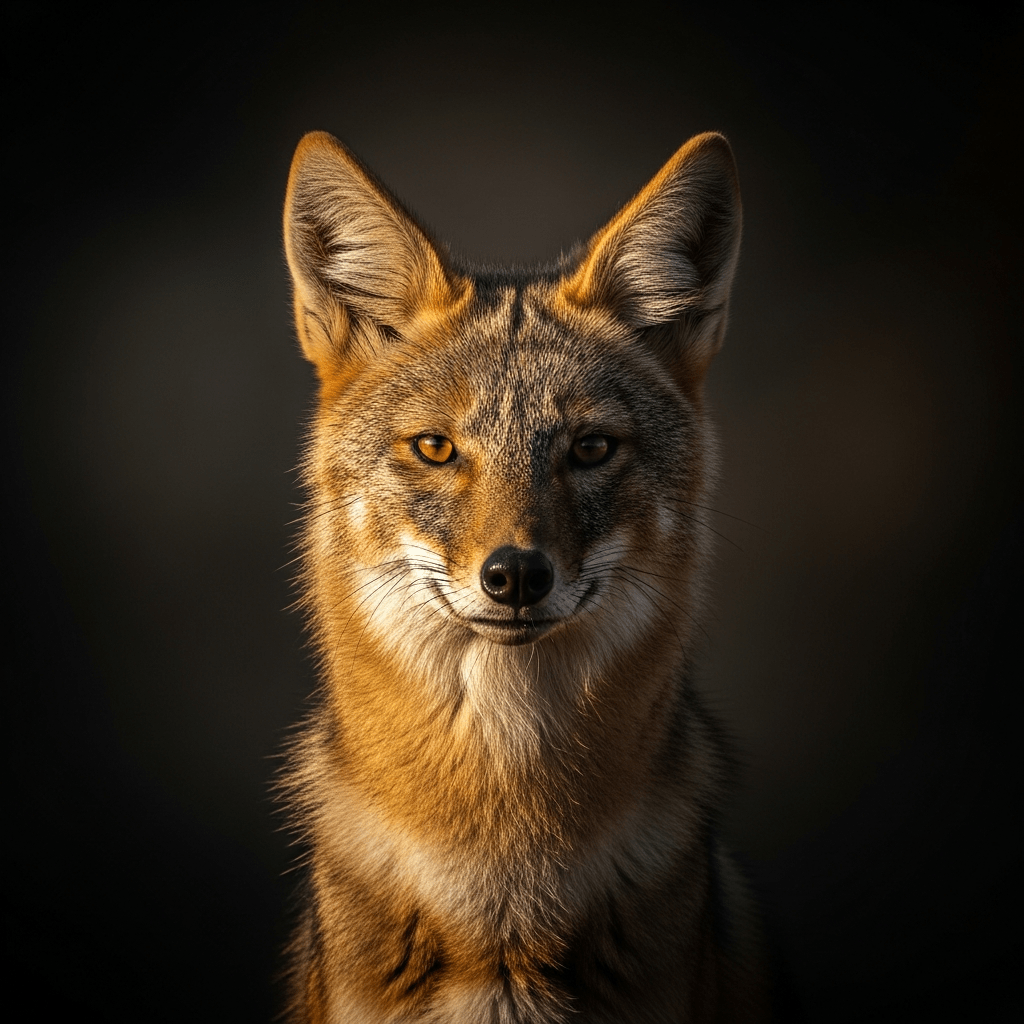
Golden Jackal
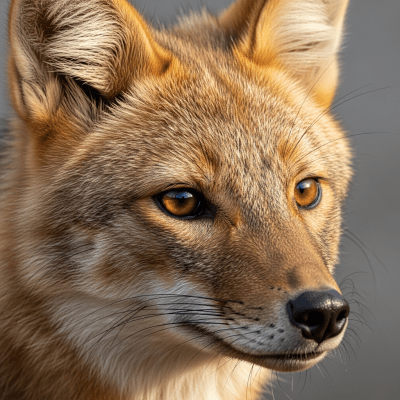
The Golden Jackal (Canis aureus) is a medium-sized canid native to Eurasia and Africa, known for its golden-yellow to tawny coat and remarkable adaptability to diverse habitats and diets.
The Golden Jackal (Canis aureus) is a medium-sized canid native to Eurasia and Africa, known for its golden-yellow to tawny coat and remarkable adaptability to diverse habitats and diets.
First described by Carl Linnaeus in 1758, the Golden Jackal belongs to the genus Canis, sharing close evolutionary ties with wolves and domestic dogs. Its lineage is traced through wild specimens collected across its broad range, with historical evidence of hybridization among related species.
The Golden Jackal is classified within the family Canidae, genus Canis, species Canis aureus. This places it among wolves, domestic dogs, and other jackals, reflecting its position in the diverse dog family.
Golden Jackals measure between 70 and 105 cm in body length, with tails ranging from 20 to 30 cm, and weigh 7 to 15 kg. Their coat colors vary from pale gold to dark brown, often featuring grizzled markings. Their slender limbs and bushy tails are adaptations for endurance running, supporting their active and opportunistic lifestyle.
Highly adaptable and opportunistic, Golden Jackals thrive in grasslands, savannas, deserts, and even human-altered environments. They are omnivores, feeding on small mammals, birds, fruits, and carrion. Their social behavior and scavenging roles make them important ecological players, though they sometimes come into conflict with livestock interests.
Bring this kind into your world illustrated posters, mugs, and shirts.
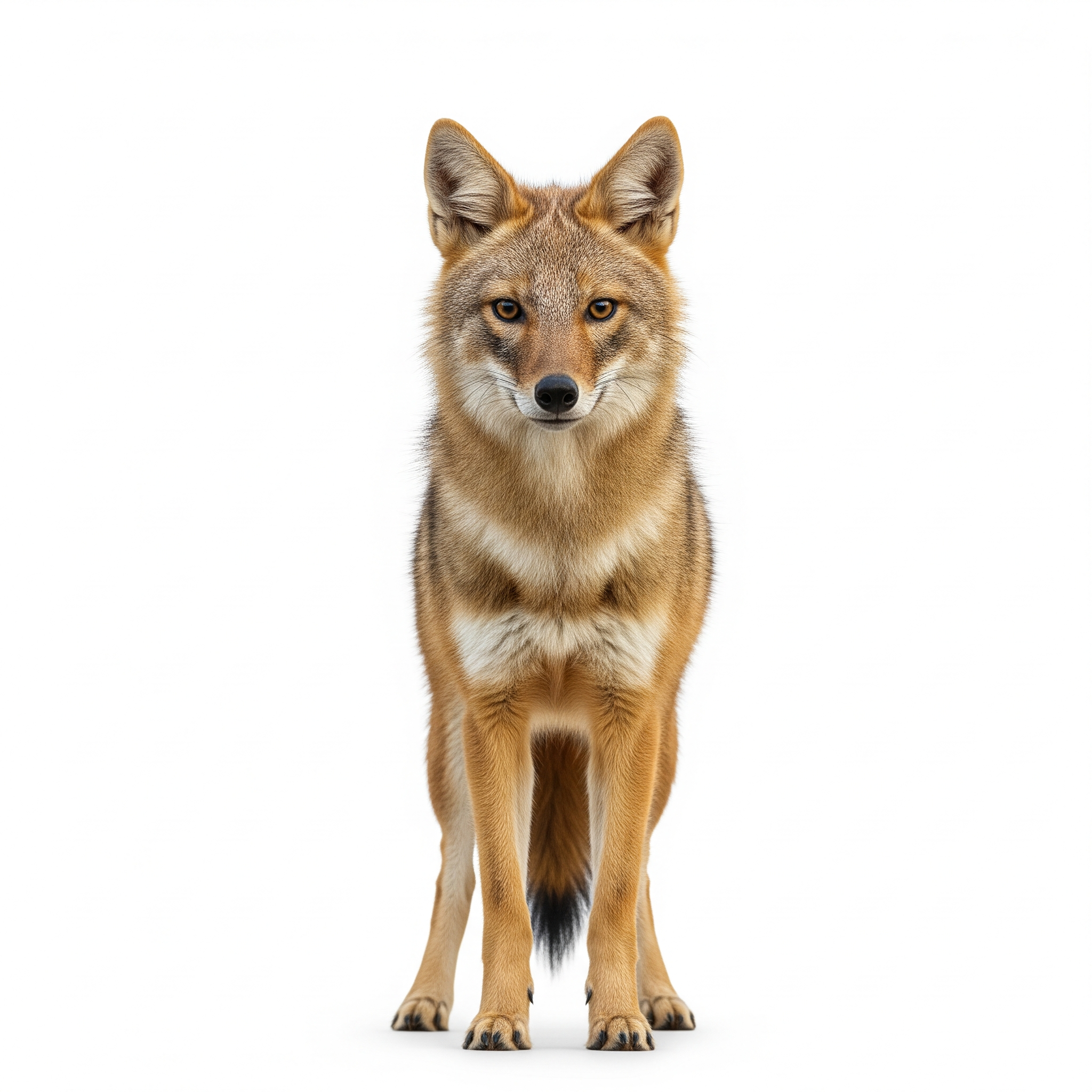
Archival print, museum-grade paper
Buy Poster
Stoneware mug, dishwasher safe
Buy Mug
Soft cotton tee, unisex sizes
Buy ShirtWhile not widely prominent in culinary or commercial markets, Golden Jackals have cultural presence through their pelts, occasionally used in clothing or rituals. Known by various local names such as 'Shiyal' in Hindi and 'Şakal' in Turkish, they appear in regional folklore and symbolize adaptability and survival in challenging environments.
The Golden Jackal includes several recognized subspecies that differ regionally. Notable examples are Canis aureus indicus found in India and Canis aureus syriacus in the Middle East. These subspecies show slight variations in size, coloration, and habitat preferences, reflecting adaptation to local environments.

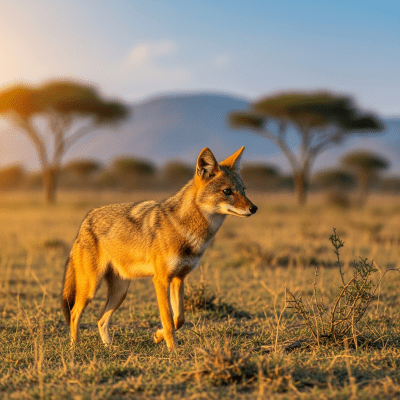
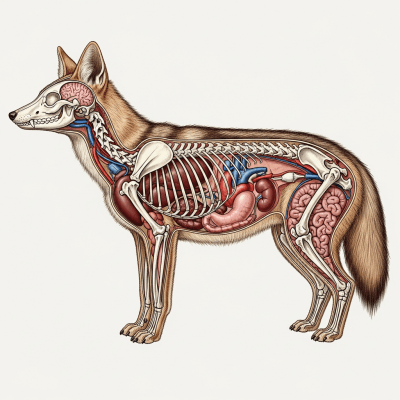


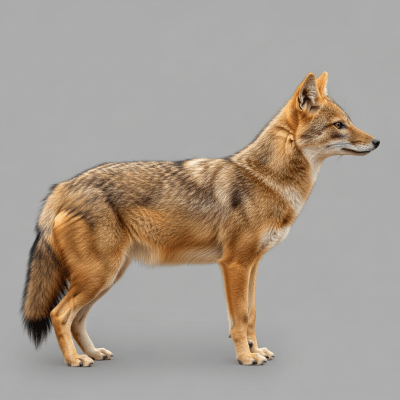

Golden Jackals naturally inhabit a broad range across Eurasia and parts of Africa. They occupy diverse environments such as grasslands, savannas, deserts, and areas influenced by human activity. Their adaptability allows them to thrive in both wild and peri-urban landscapes, expanding their distribution where conditions permit.
In the wild, Golden Jackals face health challenges including susceptibility to disease outbreaks and persecution by humans. Their resilience to arid environments and human disturbance aids survival, but conservation of healthy populations depends on minimizing conflict and disease risks.
Golden Jackals exhibit social and opportunistic behaviors, often forming pairs or small groups. While not domesticated or typically trained by humans, their intelligence and adaptability enable them to exploit varied food sources and habitats effectively. Their behavior includes scavenging, hunting small prey, and vocal communication within social units.
The Golden Jackal is currently not considered threatened and maintains stable populations across much of its range. However, local persecution and habitat changes pose risks in some areas. Conservation efforts focus on habitat preservation and mitigating human-wildlife conflict to ensure long-term viability.