Fennec Fox
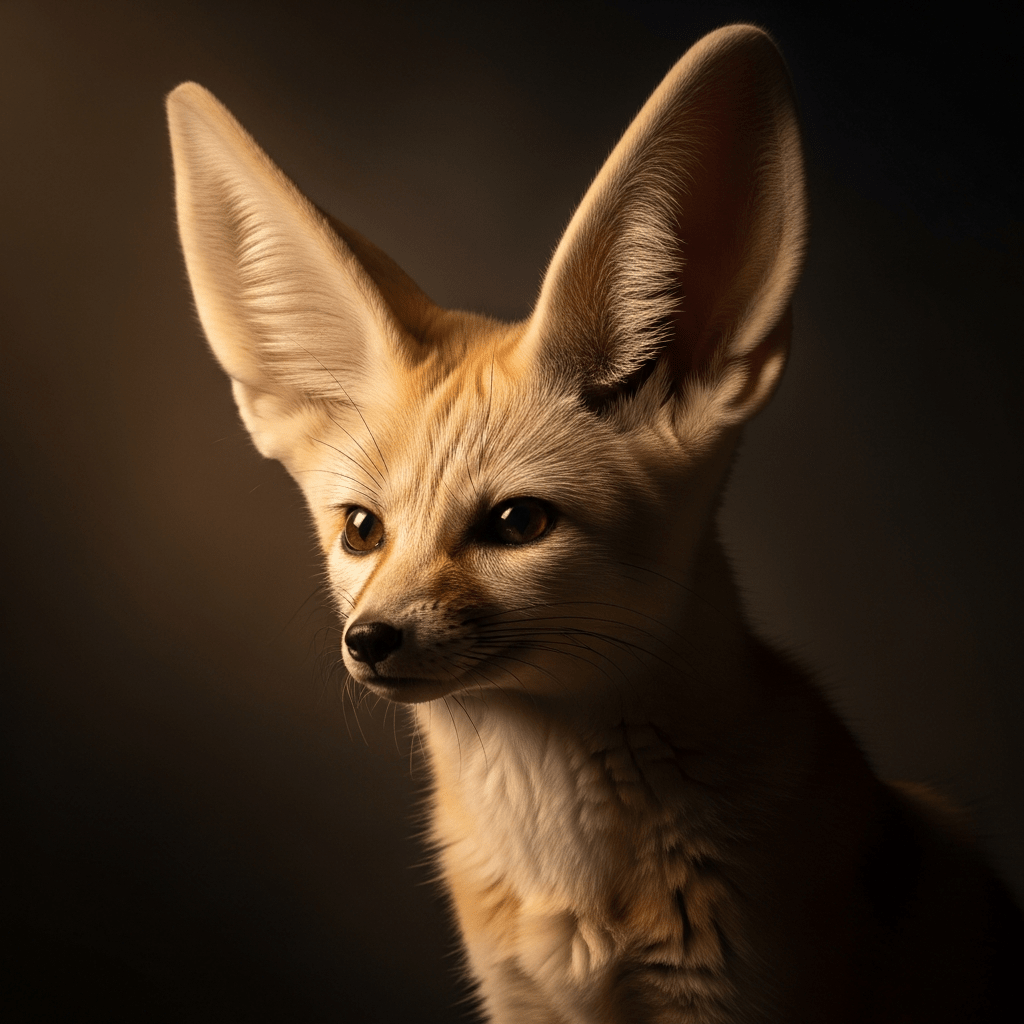
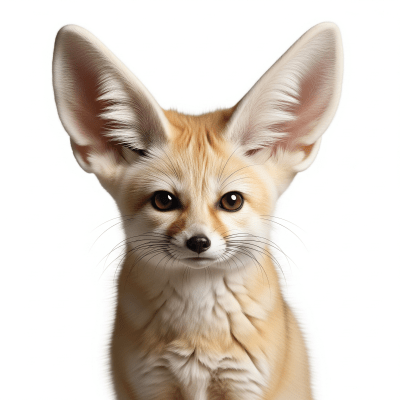
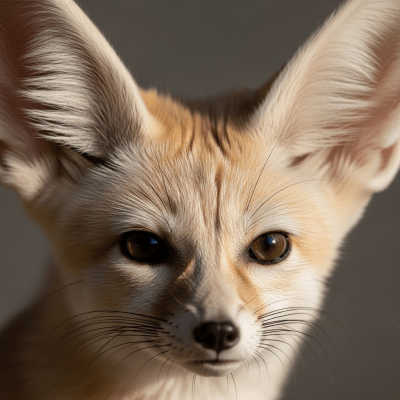
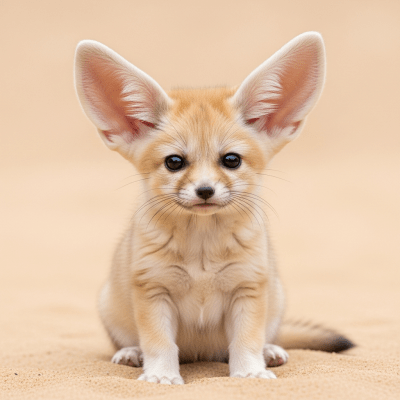
The Fennec Fox (Vulpes zerda) is the smallest living member of the dog family, instantly recognized by its enormous ears and pale, sandy fur—an iconic survivor of the Sahara Desert.
The Fennec Fox (Vulpes zerda) is the smallest living member of the dog family, instantly recognized by its enormous ears and pale, sandy fur—an iconic survivor of the Sahara Desert.
First described in 1820 by E. Geoffroy Saint-Hilaire, the Fennec Fox’s origins trace to the vast, arid landscapes of North Africa. Evolving in the Sahara and nearby deserts, this species developed remarkable adaptations for heat and water scarcity. While wild populations remain the primary source of genetic diversity, captive individuals are found in zoos and private collections worldwide. There is no record of formal breeding programs or domestication efforts shaping its lineage; its story is one of natural selection in some of Earth’s harshest environments.
The Fennec Fox belongs to the family Canidae, which includes all canines such as wolves, dogs, and other foxes. Within this family, it is classified under the genus Vulpes and the species Vulpes zerda. Its unique adaptations and desert habitat distinguish it from other foxes, positioning it as a specialized branch within the broader canine family tree.
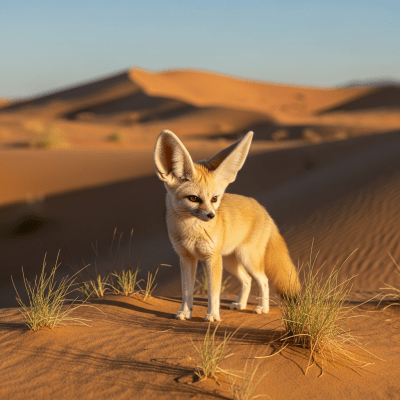
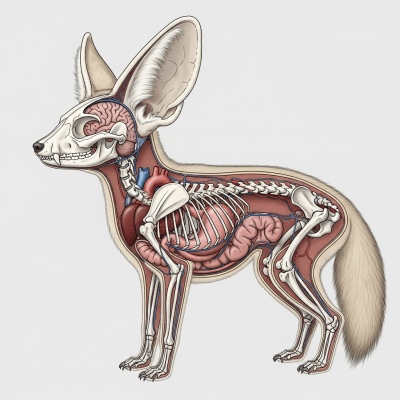
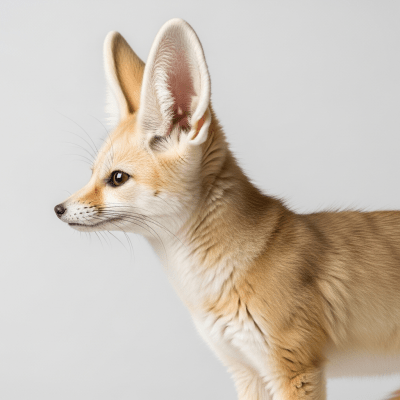
With a body length of 24–41 cm and weighing just 0.8–1.5 kg, the Fennec Fox is diminutive yet striking. Its oversized ears, reaching up to 15 cm, are not only visually arresting but serve to dissipate heat and detect faint sounds beneath the sand. The fox’s fur is a pale cream to sandy hue, reflecting sunlight and blending seamlessly with its desert surroundings. Hairy feet shield it from scorching sand, and its bushy tail adds balance and warmth during cool desert nights.
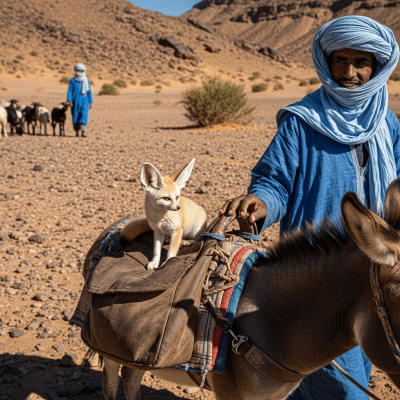
Fennec Foxes are nocturnal, emerging at night to hunt and forage. Their omnivorous diet includes insects, small mammals, roots, and fruits. Expert diggers, they construct elaborate burrows for shelter and temperature regulation. In the wild, they live in small family groups and rely on acute hearing to locate prey. While not traditionally used by humans, their charismatic appearance makes them popular in ecotourism and the exotic pet trade, though this raises ethical and conservation concerns.
Bring this kind into your world illustrated posters, mugs, and shirts.
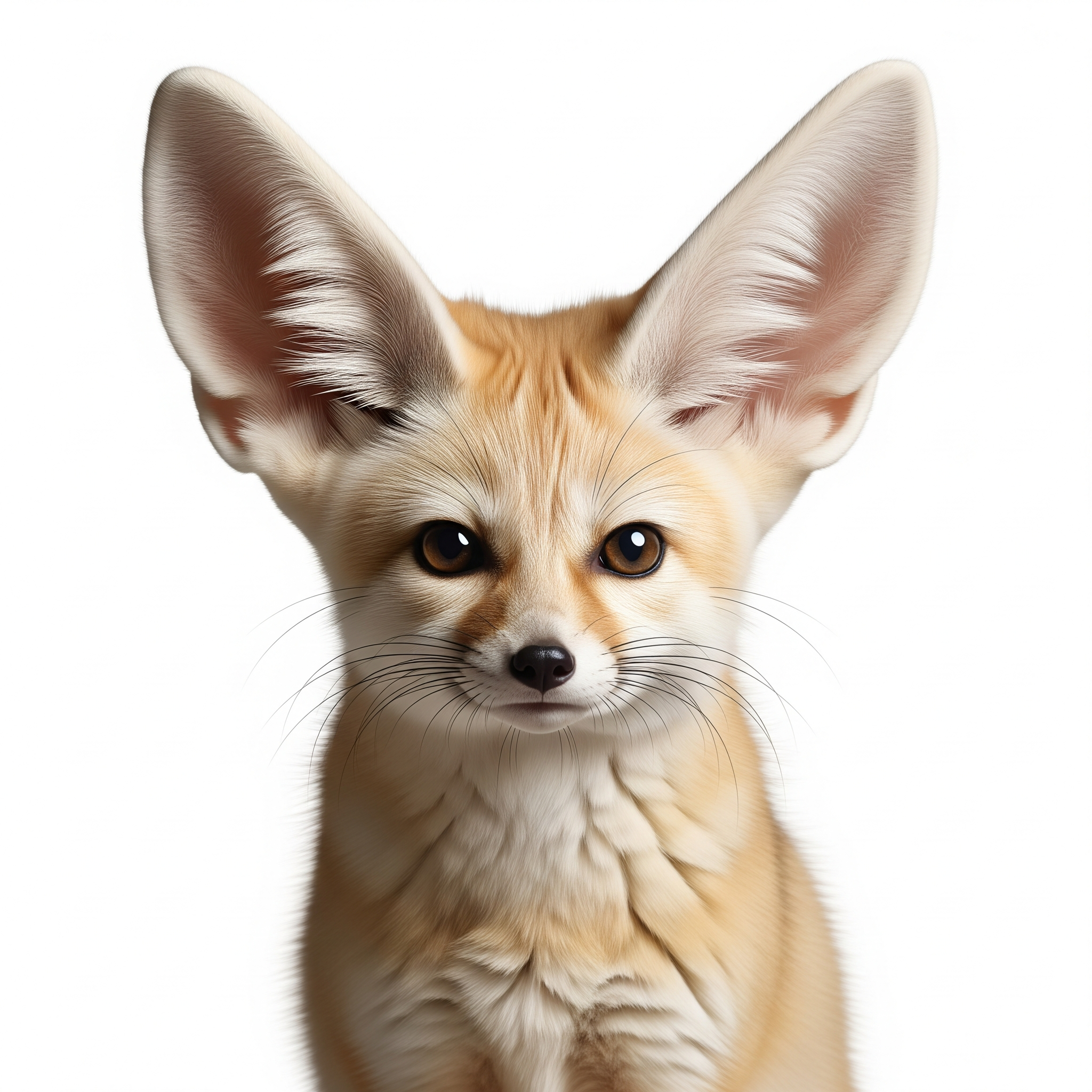
Archival print, museum-grade paper
Buy Poster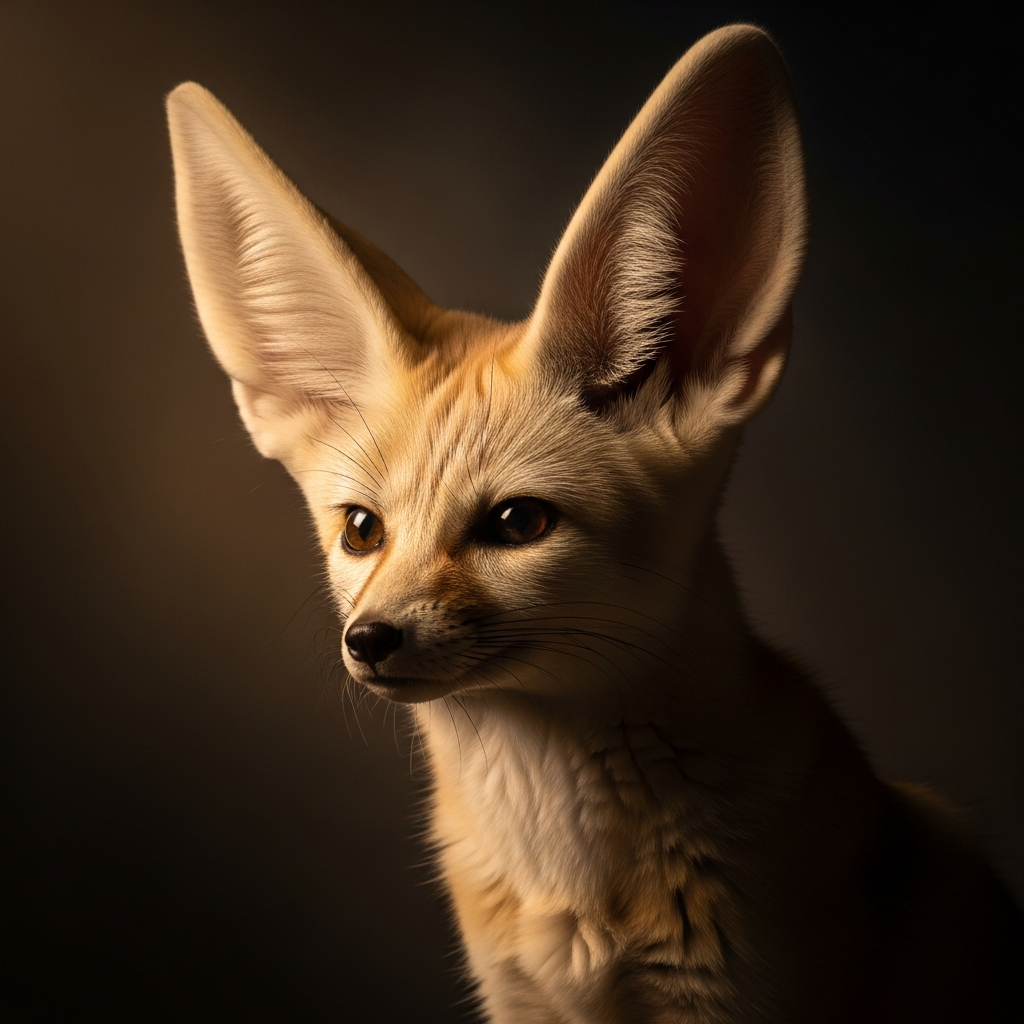
Stoneware mug, dishwasher safe
Buy Mug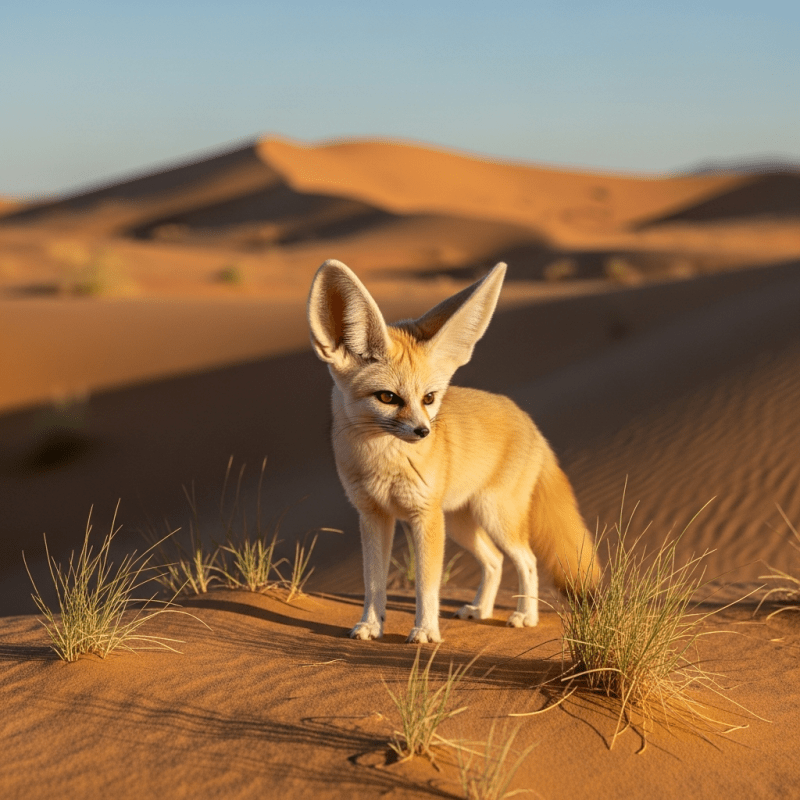
Soft cotton tee, unisex sizes
Buy ShirtIn North African folklore, the Fennec Fox is a symbol of cleverness and resilience—qualities admired in desert cultures. Its image appears in stories and proverbs, often representing survival against adversity. Today, the Fennec Fox is celebrated as a mascot for desert conservation and features prominently in educational and zoological exhibits worldwide, captivating audiences with its unique adaptations and endearing appearance.
Unlike domestic dogs, the Fennec Fox has not undergone formal domestication. Its evolutionary journey is shaped by the demands of desert life—selecting for traits like heat tolerance, nocturnality, and efficient water use. While some individuals are kept in captivity, these are not the result of breeding for tameness or utility, but rather conservation and display. The broader canine family showcases a spectrum from fully domesticated dogs to wild species like the Fennec, each reflecting unique evolutionary pressures.
Wild canines, such as the Fennec Fox, exhibit specialized adaptations for survival—keen senses, solitary or small-group living, and behaviors tuned to their environments. In contrast, domesticated dogs have been bred for companionship, work, and specific traits, resulting in wide behavioral and physical diversity. The Fennec Fox remains fundamentally wild, with instincts and needs unsuited to typical domestic life, highlighting the distinction between wild and domestic members of the canine family.
The genus Vulpes encompasses several fox species, but the Fennec Fox (Vulpes zerda) stands out for its small size and desert adaptations. Unlike domestic dogs, which are divided into hundreds of breeds, the Fennec Fox is a single species with minor regional variation. Other notable canines include wolves, jackals, and domestic dogs, each with their own ecological niches and distinguishing features. The Fennec’s oversized ears and sandy coat are unique among its relatives.
As a nocturnal omnivore, the Fennec Fox plays a vital role in desert ecosystems. It helps control insect and small vertebrate populations, disperses seeds through its diet, and aerates soil by digging burrows. Its presence supports biodiversity and balances food webs, making it an important contributor to the health of arid habitats.
Fennec Foxes are generally robust, with few natural predators in their native range. However, they are vulnerable to habitat loss, illegal capture for the pet trade, and stress in captivity. In zoos, proper care requires specialized diets, environmental enrichment, and attention to their nocturnal habits. Welfare concerns arise when individuals are kept as pets without adequate knowledge or resources, underscoring the importance of conservation-focused management.
While individual Fennec Foxes are rarely named in popular culture, the species itself has gained fame as a symbol of desert wildlife. It is often featured in documentaries, children’s books, and as mascots for conservation organizations. Its distinctive look has made it a beloved ambassador for the Sahara and a favorite among zoo visitors worldwide.
The Fennec Fox is currently listed as "Least Concern" by the IUCN, but faces threats from habitat disturbance and illegal pet trade. Conservation efforts focus on protecting desert habitats, regulating capture, and raising awareness about the species’ ecological importance. Continued monitoring and education are essential to ensure its survival in the wild.
Across its range in North Africa, the Fennec Fox exhibits subtle variations in size and coloration, influenced by local climate and terrain. In Arabic-speaking regions, it is known as "فنك" (fanak), and features prominently in local folklore. While no formal subspecies are recognized, regional populations may differ slightly in behavior and appearance, reflecting adaptation to microhabitats within the Sahara and surrounding deserts.