Falkland Islands Wolf
The Falkland Islands Wolf (Dusicyon australis), also known as the Warrah, was the only native land mammal of the Falkland Islands, distinguished by its unique evolutionary lineage and early extinction in the late 19th century.
The Falkland Islands Wolf (Dusicyon australis), also known as the Warrah, was the only native land mammal of the Falkland Islands, distinguished by its unique evolutionary lineage and early extinction in the late 19th century.
Endemic to the remote Falkland Islands, the Falkland Islands Wolf was first described by Charles Darwin in 1839. Genetic studies suggest its ancestors diverged from mainland South American canids, likely related to Dusicyon avus, and became isolated on the islands for several thousand years. With no known subspecies and no history of domestication, its solitary existence was shaped entirely by the windswept landscapes of East and West Falkland.
Taxonomically, the Falkland Islands Wolf belonged to the family Canidae, genus Dusicyon, and species Dusicyon australis. As a member of the broader canid family, it shared distant ancestry with wolves, foxes, and jackals, but its insular evolution set it apart as a singular branch among South American canids.
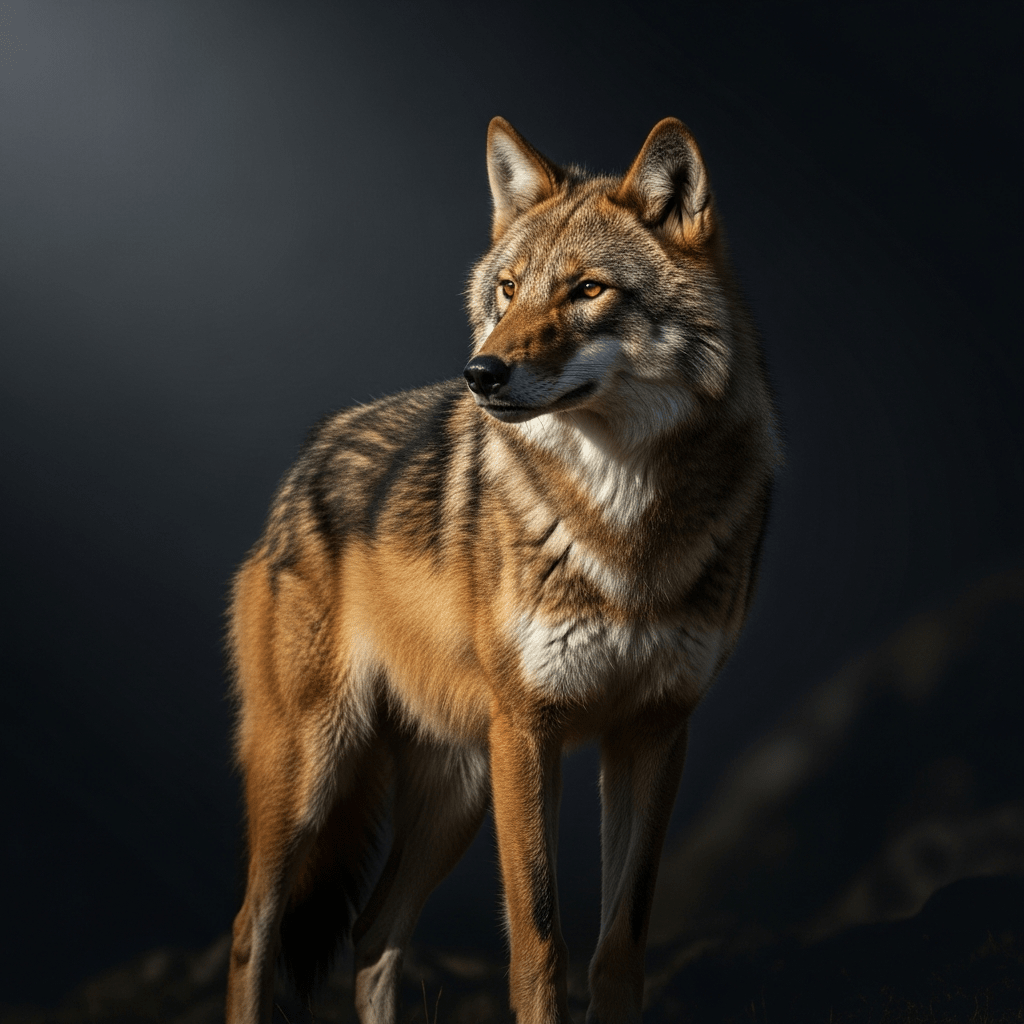
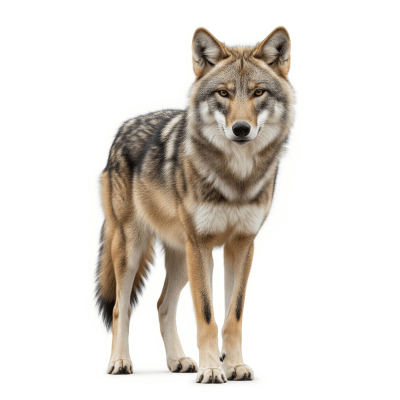
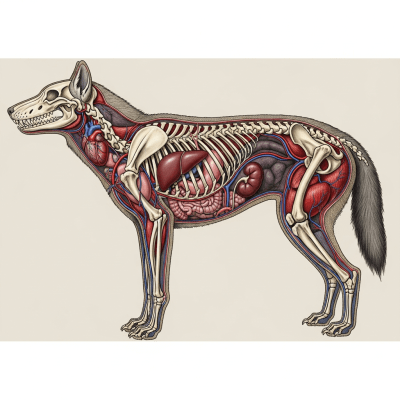
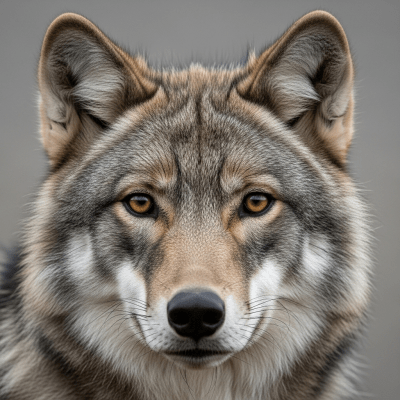
Medium-sized and sturdy, the Falkland Islands Wolf featured a robust body, short legs, and a bushy tail. Its fur was typically tawny or greyish-brown, with lighter underparts and a reddish hue on the ears and muzzle. Adults measured 80–110 cm in length and weighed between 8 and 13 kg, perfectly adapted to the cold, windy climate of its island home.
Living either solitarily or in pairs, the Falkland Islands Wolf was a ground-dwelling predator and scavenger. Its diet consisted mainly of ground-nesting birds, eggs, and carrion. Notably, its lack of fear toward humans made it vulnerable to hunting, contributing to its rapid extinction. There was no evidence of domestication or use as a working animal.
Bring this kind into your world illustrated posters, mugs, and shirts.
Archival print, museum-grade paper
Buy Poster
Stoneware mug, dishwasher safe
Buy Mug
Soft cotton tee, unisex sizes
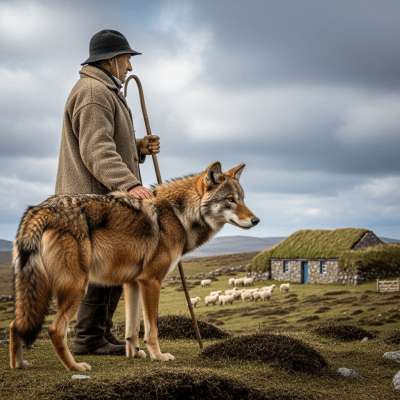
Buy ShirtThe Warrah held a unique place in natural history, famously observed by Charles Darwin during his voyage on the HMS Beagle. Its extinction marked a poignant chapter in the story of human impact on isolated ecosystems. Locally, it was viewed as both a curiosity and a threat to livestock, shaping its reputation in the islands' folklore and colonial records.
The Falkland Islands Wolf was never domesticated and represents a distinct evolutionary path among canids. Its ancestors likely reached the Falklands thousands of years ago, diverging from mainland South American species and adapting to the island's harsh climate. Unlike the domestic dog, its evolutionary story was shaped by isolation, limited resources, and eventual human contact leading to extinction.


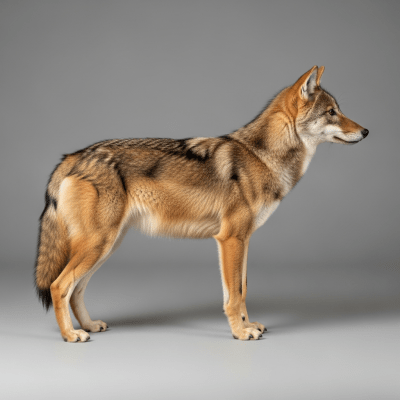
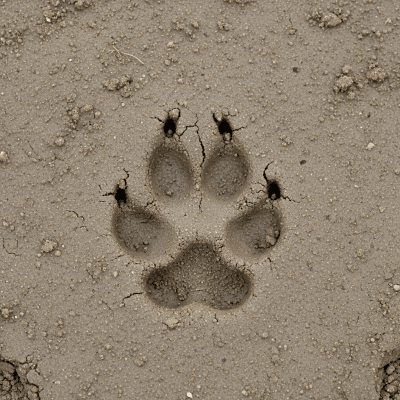
Unlike domesticated dogs, the Falkland Islands Wolf lived entirely in the wild, with no history of human companionship or selective breeding. Its solitary habits, natural diet, and lack of fear of humans contrasted sharply with the social, adaptable nature of domestic dogs. While domestic canines thrive alongside humans, the Warrah's wild existence ended with human settlement and hunting.
The Falkland Islands Wolf was a unique species within the genus Dusicyon, with no recognized subspecies or breeds. Its closest known relative is the extinct Dusicyon avus of mainland South America. Among canines, it stands out for its insular adaptation and lack of diversity compared to the rich array of domestic dog breeds and other wild canid species.
As the only native land mammal of the Falklands, the Warrah played a vital role as a top predator and scavenger. By feeding on ground-nesting birds, eggs, and carrion, it helped regulate local prey populations and contributed to nutrient cycling in the island ecosystem. Its extinction left a gap in the ecological balance of the Falklands.
Little is known about the Falkland Islands Wolf's health concerns, but its adaptation to cold, windy conditions suggests resilience to harsh environments. The species' lack of fear toward humans proved detrimental to its welfare, as it was easily hunted to extinction. No modern welfare or conservation measures were possible due to its early disappearance.
The Falkland Islands Wolf itself is notable as a species, rather than for individual animals. Its fame largely stems from Darwin's observations and its status as the first extinct species documented in his work, making it an enduring symbol of the impact of human colonization on isolated wildlife.
The Falkland Islands Wolf is classified as extinct, with the last confirmed sighting in the late 19th century. Its extinction was driven by hunting and habitat disturbance following human settlement. Today, it serves as a cautionary example in conservation literature, highlighting the vulnerability of isolated species to rapid environmental change.
The Warrah was found only on East and West Falkland Islands, with no known regional subspecies or population differences. Its complete isolation from mainland canids shaped its distinct traits, but no extant populations or local variants remain today.